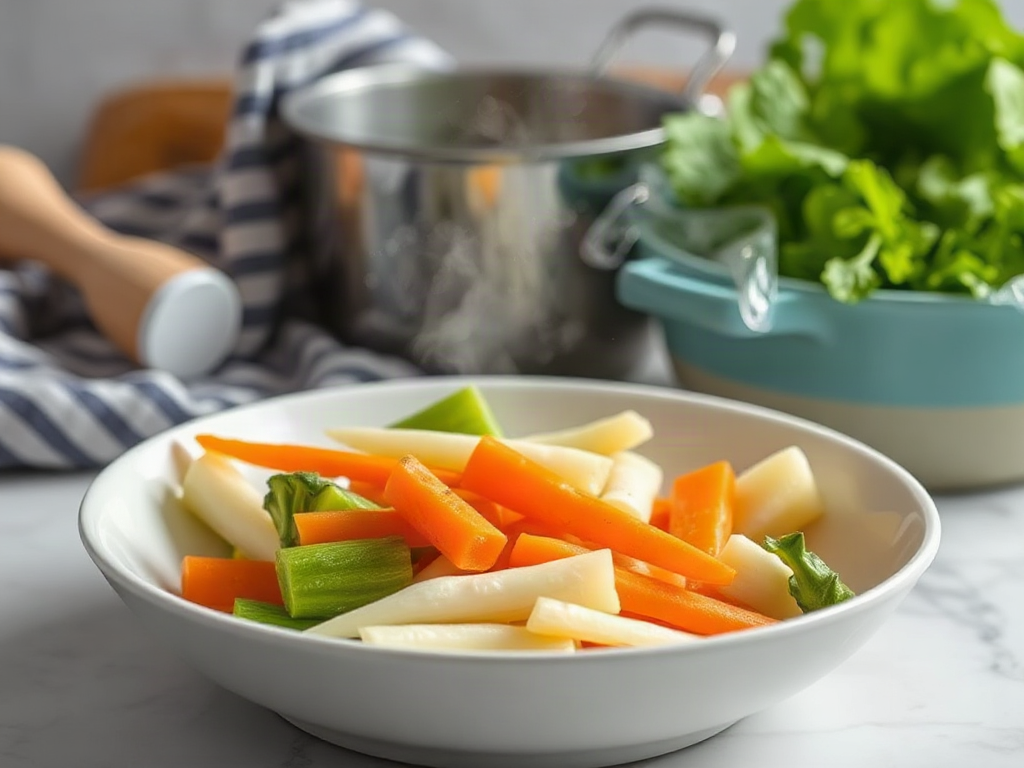
Steaming versus boiling organic vegetables nutritionally is mainly a choice between limiting water contact and using water as part of the dish: steaming often preserves more water-soluble vitamin C and folate, while boiling can cause greater losses when cooking water is discarded. Short cooking times, smaller cuts, and tender-crisp texture generally protect nutrients better than prolonged heating. Boiling remains useful for potatoes, dense roots, soups, and recipes where the liquid is consumed. Organic certification does not remove these cooking effects, and neither method automatically makes vegetables healthier. Choose steaming for delicate greens and quick meals; choose boiling when softness, starch gelatinization, or broth-based cooking matters.
How Steaming and Boiling Change Vegetable Nutrition
Steaming and boiling affect vegetables through different combinations of heat, water, and cooking time. Steaming places food above simmering water, so the vegetables receive moist heat without being submerged. Boiling exposes cut surfaces directly to hot water, allowing some water-soluble compounds to move out of the vegetable and into the cooking liquid. That distinction matters most for vitamin C and some B vitamins, including folate.
Steaming is often the stronger default when the cooking water will be discarded. Broccoli, spinach, green beans, and sliced carrots can become tender while retaining their shape and avoiding prolonged contact with a large volume of water. The result is not nutrient preservation in an absolute sense: heat still changes some compounds, and the final nutrient profile depends on the vegetable, cut size, freshness, and cooking duration.
Boiling is not automatically a poor nutritional choice. If the liquid becomes part of a soup, stew, or bean-and-vegetable dish, compounds that move into the water remain in the meal. Boiled potatoes illustrate the tradeoff well. They may lose some water-soluble nutrients into the cooking water, but boiling can produce a useful soft texture without added oil. A potato salad or soup retains more of the cooking liquid’s value than drained boiled potatoes do.
The organic label does not change the basic physics of cooking. Organic and conventionally grown vegetables both experience nutrient movement and heat-related changes. Organic farming standards concern production practices, not a guarantee that steaming will preserve more vitamins than boiling. For a practical comparison, focus first on water exposure, time, edible portion, and whether the cooking liquid is consumed.
A common mistake is treating a single nutrient as the only measure of food quality. Cooking can soften cell walls, improve palatability, and make a vegetable easier to eat in a substantial portion. A lightly boiled vegetable that someone actually eats may be a better dietary choice than an ideally steamed vegetable left untouched. The useful question is not which method wins in every situation, but which method protects the nutrients that matter for that food and meal.
Which Vegetables Suit Each Cooking Method
Steaming usually fits vegetables that benefit from a short, controlled cooking period and a firm final texture. Broccoli florets, cauliflower, asparagus, peas, green beans, bok choy, and leafy greens can often be cooked until just tender. Their flavor remains distinct, and the pieces are less likely to become waterlogged. A steamer basket also makes it easier to stop cooking promptly by removing the pan from heat.
Boiling has a practical advantage with dense or starchy vegetables. Cubed potatoes, sweet potatoes, beets, turnips, and some winter squash may cook more evenly when surrounded by water. Boiling can also be useful when a recipe requires a soft vegetable base, such as puréed soup or mashed root vegetables. The method becomes more nutritionally efficient when the water is retained in the finished recipe rather than poured down the drain.
Consider a weeknight meal with steamed broccoli beside lentils and brown rice. The broccoli can remain bright and slightly crisp, while the other foods provide texture and energy. By contrast, a vegetable soup containing carrots, celery, potatoes, and beans benefits from boiling because the cooking liquid is part of the dish. Draining that mixture would remove the very liquid that carries some dissolved compounds and flavor.
Texture also affects portion size and digestion comfort. Very firm vegetables may be unappealing or difficult for some people to chew, while overcooked vegetables can lose flavor and structure. Someone preparing food for an older adult or a person with chewing limitations may reasonably choose longer boiling or steaming, even if a shorter cook would preserve more texture. Nutrition decisions should account for the complete meal and the eater’s needs.
Weak advice often labels steaming as universally superior. That overlooks dishes where boiling is the functional method, such as soup, vegetable stock, or a soft root-vegetable mash. The better comparison is method-to-meal: steam when you want intact pieces and minimal water contact; boil when softness, uniform cooking, or a retained cooking liquid is central. Related meal planning ideas can be explored through steaming versus boiling organic vegetables nutritionally.
Cooking Time, Water, and Nutrient Loss
Cooking time often matters as much as the named method. A brief boil may preserve more nutritional value than vegetables left in a steamer for an extended period, while quick steaming may outperform a long, covered steam. Heat exposure continues until the food is removed, so “steamed” or “boiled” does not describe the full nutritional outcome without considering minutes, temperature, and piece size.
Large pieces generally have less exposed surface area than finely chopped vegetables, which can reduce the rate at which soluble compounds move into water. Cutting vegetables immediately before cooking may also limit the time they spend exposed to air and moisture. These are modest, practical controls rather than guarantees. Freshness, storage, and the original nutrient content still influence what remains after cooking.
Use only enough water to cook the food when boiling, and match the volume to the recipe. If the liquid will be discarded, a short simmer is usually more sensible than a long boil. If making soup, add the vegetables and cooking liquid to the same dish and avoid unnecessary draining. For steaming, keep the water below the basket, cover the pot, and check tenderness with a fork rather than relying on a fixed time for every batch.
Color and texture provide useful kitchen signals, although they are not laboratory measurements. Green vegetables that turn dull and collapse have probably been cooked longer than needed for a crisp side dish. Hard centers indicate that the cut size or cooking period needs adjustment. A bright color does not prove that every nutrient was preserved, and a soft texture does not mean the food has become nutritionally worthless.
A frequent failure mode is cooking vegetables before the rest of the meal is ready, then leaving them covered over low heat. Residual heat can carry cooking well past the desired point. Finish the vegetables close to serving time, drain boiled vegetables promptly when draining is necessary, and use the cooking liquid in sauces or soups when appropriate. For more context on applying these tradeoffs, use this internal reference: steaming versus boiling organic vegetables nutritionally.
A Practical Method for Better Nutrient Retention
A sound cooking routine begins with the vegetable and the meal, not with a blanket rule. Ask whether the final dish needs crisp pieces, a soft texture, or a retained liquid. Then choose the least intensive method that produces the intended result. For a vegetable side, steaming is often convenient because it uses little water and makes stopping the cooking process straightforward. For a soup or mash, boiling may be the more coherent choice.
A compact decision process looks like this:
- Choose steaming for broccoli, greens, asparagus, green beans, and other vegetables you want tender but structured.
- Choose boiling for dense roots, potatoes, and recipes where softness or cooking liquid is part of the finished dish.
- Use a short cooking period and test early, especially with small pieces or frozen vegetables.
- Retain the liquid when practical, particularly for soups, stews, and sauces.
- Serve soon after cooking to avoid continued softening from trapped heat.
Meal composition can matter more than a narrow difference between methods. A steamed vegetable served with a protein, whole grain, and a source of fat may be more satisfying than a plain boiled serving that is eaten in a very small amount. Fat-soluble compounds in vegetables, including carotenoids in foods such as carrots and leafy greens, are also considered in the context of the entire meal rather than the cooking method alone. Adding a modest amount of olive oil, nuts, seeds, or another suitable food can change the meal’s nutritional balance, but it does not turn overcooking into an advantage.
Seasoning is another practical reason to avoid excessive boiling. Water can dilute flavor, leading to heavy salting after cooking. Steaming preserves a more concentrated vegetable taste, while boiled vegetables may need seasoning after draining. Neither outcome is inherently unhealthy, but relying on large amounts of salt or rich sauces can offset the value of an otherwise nutrient-dense side dish.
Prioritize vegetables you will eat consistently, a cooking method that fits your schedule, and reasonable control of time and water. If steaming produces undercooked food, adjust the cut size or duration instead of abandoning vegetables. If boiling is the only workable method, keep the liquid when possible and avoid extended cooking. The practical goal is a varied diet built from appealing whole foods, not a perfect cooking score.
Frequently Asked Questions
Is steaming always more nutritious than boiling?
No. Steaming often limits losses of water-soluble nutrients when boiling water is discarded, but boiling works well for soups, stews, potatoes, and other dishes where the liquid is eaten.
Does organic produce retain more nutrients when cooked?
Organic certification does not determine how nutrients respond to heat or water. Cooking time, water contact, cut size, freshness, and whether the liquid is consumed are more relevant to this comparison.
Which vegetables are best steamed?
Broccoli, cauliflower, green beans, asparagus, peas, bok choy, spinach, and other vegetables meant to stay tender-crisp are practical steaming choices.
Does boiling destroy all the nutrients in vegetables?
No. Some nutrients may move into the water or decline with prolonged heat, but boiled vegetables still provide fiber, minerals, carbohydrates, and other compounds. Retaining the cooking liquid can reduce waste.
How can I reduce nutrient loss when boiling vegetables?
Use pieces that are not unnecessarily small, cook only until tender, avoid excessive water, and add the liquid to soup, sauce, or another part of the meal when it is safe and suitable.
Conclusion
Steaming is a strong everyday choice for tender-crisp greens and florets because it limits direct water contact and makes short cooking easier to control. Boiling remains nutritionally useful when dense vegetables need a soft texture or when the cooking liquid becomes part of soup, stew, or sauce. The most practical priorities are modest water use, short cooking times, sensible piece sizes, and serving the vegetables soon after they reach the desired texture. Organic status does not remove the effects of heat or water, so judge the meal by its ingredients, preparation, and consistency rather than by the label on the cooking method. Choose the approach that produces vegetables you will eat in a balanced meal, and retain boiling liquid whenever the recipe allows it.