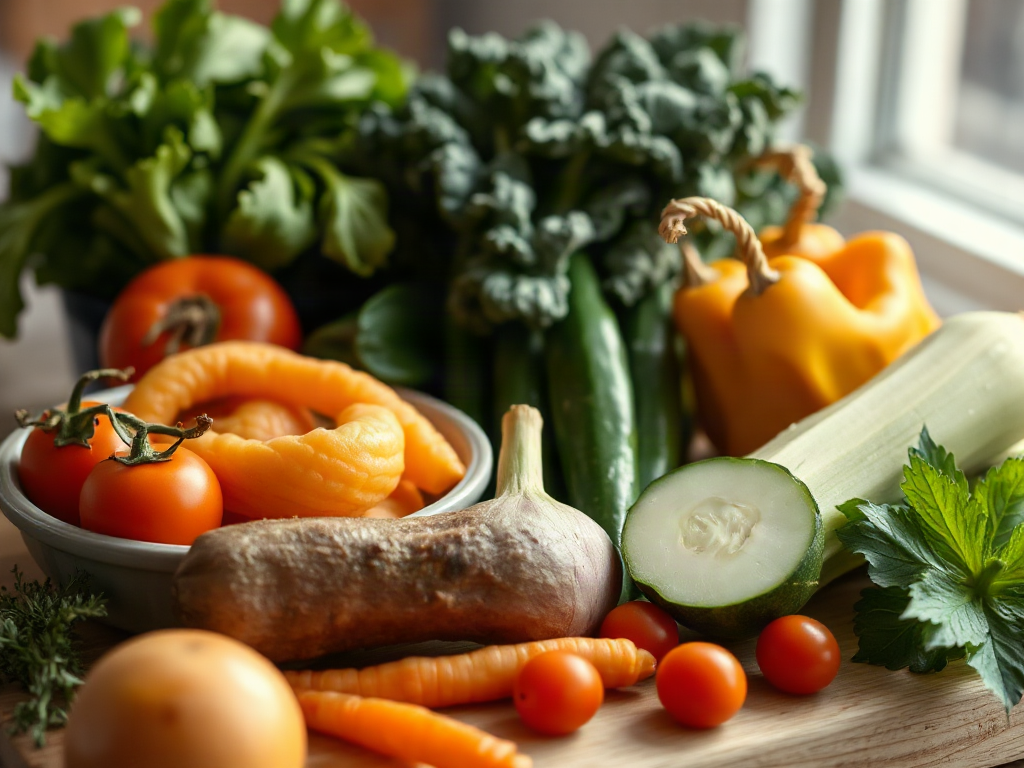
Raw versus cooked organic vegetables for absorption depends on the nutrient and the cooking method, not on a universal winner. Gentle heating can soften plant tissues and make carotenoids in foods such as carrots and tomatoes easier to access, while raw preparation may preserve heat-sensitive vitamin C in peppers, broccoli, and leafy greens. Boiling can move water-soluble nutrients into the cooking water, whereas steaming, microwaving with little water, or quick sautéing may limit that loss. Pairing vegetables with a modest amount of fat can support absorption of fat-soluble carotenoids. A varied pattern of raw and cooked vegetables usually provides a better nutrient range than relying exclusively on either form.
How Raw and Cooked Forms Change Nutrient Access
Raw and cooked organic vegetables differ mainly in how heat, water, cutting, and plant structure affect the nutrients a person can access during digestion. Cooking softens cell walls and breaks down some rigid plant tissues, which may release compounds that are difficult to reach in an intact raw vegetable. The same heat can damage some delicate nutrients, particularly vitamin C and certain B vitamins. Absorption is therefore a balance between nutrient release and nutrient retention.
A raw carrot, for example, remains crisp and retains its original structure, but chewing and digestion may not expose all of its carotenoids. Light cooking can make the tissue more yielding. A raw red pepper may offer more vitamin C than a heavily heated one because prolonged heat reduces this water-soluble, heat-sensitive vitamin. Neither example makes one preparation universally better; each favors a different nutritional feature.
Organic certification does not change this basic cooking science. Organic produce may be grown under certified production standards, but the nutrient response to steaming, boiling, roasting, or eating raw is still shaped by the vegetable’s variety, freshness, storage, cut size, temperature, and cooking duration. Washing practices and food safety also matter. Raw vegetables should be washed under running water, while damaged or contaminated produce may be safer after thorough cooking.
A common mistake is treating “absorption” as a single measurement. A vegetable can retain a nutrient yet release less of it from its cells, or lose some vitamin C while making carotenoids more accessible. The useful question is not whether raw or cooked food wins in the abstract, but which nutrient matters in the meal and which preparation preserves enough quality for the person to eat it regularly. For a broader comparison, see raw versus cooked organic vegetables for absorption.
Which Nutrients Favor Raw or Cooked Preparation
Raw preparation often protects nutrients that are vulnerable to heat and water. Vitamin C in bell peppers, broccoli, cabbage, and leafy greens can decline with prolonged cooking, especially when the cooking liquid is discarded. Folate and some other water-soluble compounds may also be reduced by extended boiling. Eating a portion of these foods raw or briefly cooked can help retain those compounds, although raw intake is not automatically superior if chewing is difficult or the vegetable is poorly tolerated.
Cooking may improve access to selected carotenoids and other compounds embedded in plant tissue. Carrots, tomatoes, pumpkin, and sweet potatoes contain carotenoid pigments whose release can increase when cell walls soften. Heating tomatoes, for instance, changes their structure and may make lycopene easier to access, while a small amount of olive oil or another dietary fat can support absorption of fat-soluble carotenoids. The effect depends on temperature, time, cut size, and the rest of the meal rather than on the word “cooked” alone.
Minerals such as potassium, magnesium, and iron are not destroyed by heat in the same way vitamin C is, but they can move into cooking water. If boiled spinach or greens are drained, some water-soluble minerals and vitamins leave with the liquid. Using the cooking water in a soup or sauce can retain more of what has leached out. Cooking also reduces volume, so a person may eat a larger amount of the vegetable in one sitting, which can change total nutrient intake even when concentration per gram changes.
Raw vegetables have their own limitations. Large pieces, tough skins, and rapid eating can reduce mechanical breakdown. Some people also experience bloating from substantial amounts of raw cruciferous vegetables or onions, making a lightly cooked version more practical. A weak assumption is that preserving a nutrient on paper guarantees better absorption in the body. Digestion, chewing, fat intake, gut tolerance, and portion size all influence the usable result.
Cooking Methods That Protect Absorption
Short cooking with minimal water is usually a sensible compromise when the goal is to soften vegetables without unnecessarily washing nutrients away. Steaming keeps food above the water rather than immersed, while microwave steaming can cook quickly with a small volume of water. Quick sautéing exposes vegetables to heat for a limited period and can include a little oil, which is useful for carotenoid-rich foods. These methods do not preserve every nutrient equally, but they reduce the two major avoidable losses: excessive time and discarded water.
Boiling is not inherently unhealthy, but it creates a clear tradeoff. It can produce tender, easy-to-eat vegetables, yet water-soluble nutrients may migrate into the pot. Boiling potatoes, greens, or broccoli for a long time and then draining the liquid is more likely to reduce vitamin retention than brief steaming. If boiling is the only practical method, using the liquid in a soup, stew, or sauce can recover some of the dissolved nutrients. Texture and appetite still count; a well-eaten boiled vegetable may be more valuable than a raw serving left untouched.
Roasting can concentrate flavor and reduce water content, which often makes vegetables more appealing and increases the amount eaten. High heat or charring, however, can dry surfaces, damage delicate compounds, and create bitter or blackened areas. Roasting carrots or tomatoes until tender but not heavily scorched is different from leaving vegetables dark and burnt. Cutting food into evenly sized pieces helps prevent thin pieces from overcooking while thicker pieces remain hard.
A practical preparation sequence is simple: wash before cutting, use the shortest cooking time that produces acceptable tenderness, choose little water when nutrient retention is a priority, and reuse cooking liquid when appropriate. Watch for signs that a method is failing: vegetables becoming gray and waterlogged suggest overcooking, while scorched edges indicate excessive heat. For another angle on preparation decisions, readers can compare raw versus cooked organic vegetables for absorption alongside their preferred cooking technique.
Building a Practical Raw-and-Cooked Plate
A mixed approach is usually easier to sustain than choosing one form for every vegetable. A lunch salad with raw peppers, shredded carrots, and leafy greens can preserve heat-sensitive nutrients and provide crisp texture. Dinner might include gently steamed broccoli and roasted tomatoes, allowing softer tissues and a small amount of fat to support access to selected carotenoids. This combination spreads the tradeoffs across the day instead of asking one preparation to meet every nutritional goal.
Meal composition matters as much as the vegetable itself. Carotenoid-rich foods such as carrots, tomatoes, winter squash, and dark leafy greens are commonly paired with nuts, seeds, avocado, eggs, or a modest amount of cooking oil. The goal is not to add large amounts of fat, but to include enough in an otherwise balanced meal for fat-soluble compounds to be handled effectively. Water-soluble nutrients do not require that same fat pairing.
Choose based on the person and the situation. Raw vegetables may suit someone who enjoys salads, has no digestive discomfort, and wants a quick preparation. Lightly cooked vegetables may be more useful for a person with sensitive digestion, limited chewing ability, or a preference for warm meals. Families can offer both forms rather than turning food preparation into a rigid rule. Organic purchasing may align with personal, environmental, or farming preferences, but it does not remove the need for safe washing, refrigeration, and sensible handling.
A compact decision checklist can keep the choice practical:
- For vitamin C-rich peppers, cabbage, or broccoli, favor raw or brief cooking when convenient.
- For carotenoid-rich carrots, tomatoes, pumpkin, or sweet potatoes, try gentle cooking with a small amount of fat.
- For boiled vegetables, consider using the cooking liquid rather than discarding it.
- For digestive comfort, select the form that is tolerated and actually eaten.
- For food safety concerns, follow careful washing and use cooking when raw handling or contamination is a concern.
The most common failure is focusing on a narrow nutrient comparison while neglecting total intake. A raw vegetable that causes discomfort may reduce variety, while an overcooked vegetable that is easy to eat can still contribute valuable fiber, minerals, and plant compounds. Keep a few preparations in rotation, notice energy and digestive responses without treating them as medical diagnoses, and adjust the meal rather than chasing a perfect cooking rule. Additional context is available through raw versus cooked organic vegetables for absorption.
For evidence-aware nutrition information, consult USDA FoodData Central, the National Institutes of Health Office of Dietary Supplements, and university extension publications discussing vegetable preparation, nutrient retention, and food safety. These sources can help distinguish established nutrient facts from claims that overstate the effect of a single cooking method.
Frequently Asked Questions
Are raw organic vegetables always better for nutrient absorption?
No. Raw preparation may preserve vitamin C and other heat-sensitive nutrients, while gentle cooking can make some carotenoids easier to access. The best form depends on the vegetable and nutrient.
Does cooking organic vegetables destroy their nutrients?
Cooking can reduce some heat-sensitive or water-soluble nutrients, especially with long boiling, but it can also soften plant tissues and improve access to selected compounds. Time, temperature, and water use matter.
Which vegetables may be more useful when cooked?
Carrots, tomatoes, pumpkin, and sweet potatoes are commonly prepared cooked because heat softens their tissues and may improve access to carotenoids. Avoid prolonged cooking or heavy charring.
Should vegetables be eaten with oil for better absorption?
A modest amount of dietary fat can support absorption of fat-soluble carotenoids from foods such as carrots, tomatoes, and leafy greens. Large amounts are not required.
What is the best cooking method for retaining nutrients?
Brief steaming, quick sautéing, and microwave steaming with little water are practical options. If vegetables are boiled, using the cooking liquid in the meal can help retain nutrients that moved into the water.
Conclusion
Raw and cooked vegetables serve different nutritional purposes, so a varied pattern is more useful than a strict rule. Keep some vitamin C-rich foods raw or briefly cooked, and consider gentle heat plus a little dietary fat for carotenoid-rich options such as carrots, tomatoes, and squash. Limit long boiling when the cooking water will be discarded, and avoid confusing organic status with a guarantee of greater absorption. Taste, digestion, chewing ability, food safety, and the likelihood of eating the serving should guide the final choice. A practical next step is to rotate raw salads, lightly steamed vegetables, and moderate-temperature roasted dishes across the week, then adjust based on tolerance and meal quality rather than chasing a single “best” preparation.