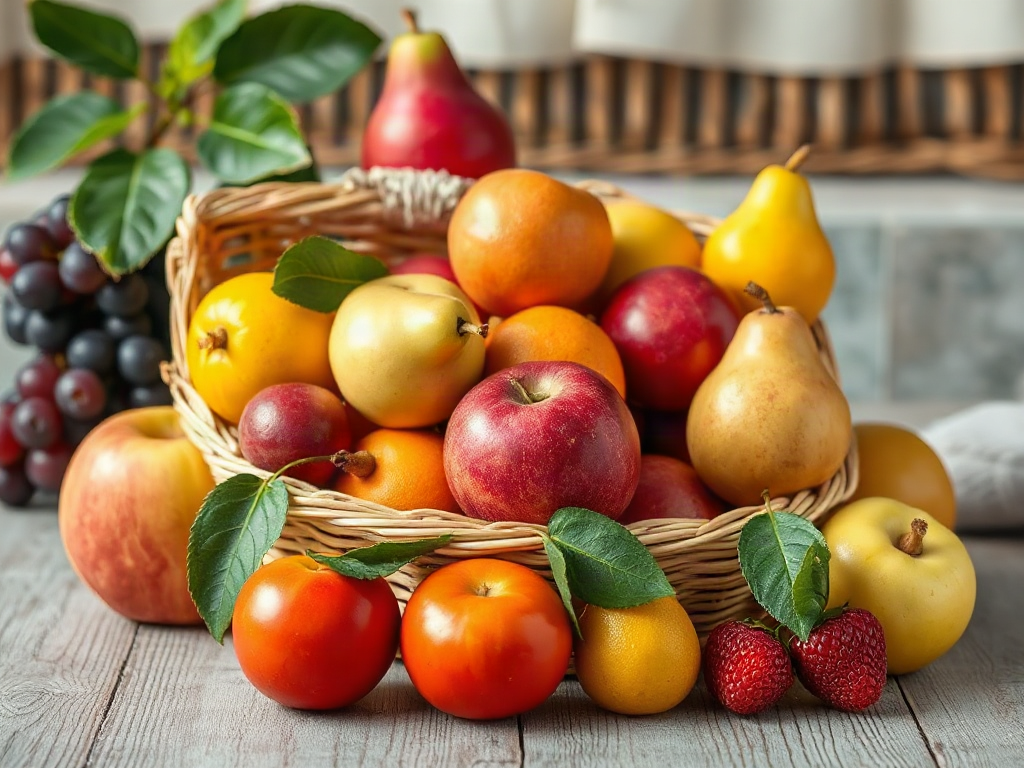
Organic fruit varieties with lower water loss generally include apples, citrus, pears, pomegranates, grapes, and firm-skinned stone fruit because their skins, membranes, or dense tissues slow moisture movement. Storage temperature, humidity, harvest maturity, and bruising matter as much as the variety itself: cut fruit loses water far faster than intact fruit, while warm, dry air accelerates shriveling. Choose undamaged fruit with firm skin, store it cool without excessive drying, and separate ethylene-producing items when extending quality matters. Lower water loss does not mean indefinite freshness, and organic status does not change the fruit’s natural respiration or need for sound handling.
What Lower Water Loss Means in Fresh Fruit
Lower water loss describes how slowly an intact fruit gives up moisture to the surrounding air. The process is driven largely by transpiration through the skin, stem scar, pores, and small surface defects. A thick peel, waxy natural cuticle, dense flesh, or tightly sealed skin can slow that movement, while thin skins, exposed cut surfaces, bruises, and warm dry air speed it up.
Water loss changes more than appearance. As fruit dehydrates, cells lose firmness, crispness, and juiciness; the flavor may become concentrated, but the eating quality usually declines. A slightly shriveled apple may remain usable, whereas a dehydrated berry can become soft, leaking, or mold-prone. The useful comparison is therefore not simply “high water” versus “low water.” It is how well a fruit retains usable texture during the time between purchase and eating.
Organic cultivation does not automatically create a lower-loss fruit. Variety, maturity, harvest handling, skin condition, and storage conditions remain the stronger influences. An organic orange with an intact rind may last well, while an organic peach with a bruise can deteriorate quickly. Readers comparing organic fruit varieties with lower water loss should treat the organic label as a production and certification attribute, not as a preservation guarantee.
A practical test is to inspect the surface before buying. Fruit that feels unusually light for its size, has a loose peel, collapsed shoulders, wrinkled skin, or a sunken stem area may already have lost moisture. Firmness should fit the variety: a ripe pear can yield slightly near the neck, while a grape should remain plump and attached to a reasonably fresh stem. Avoid confusing natural ripeness with dehydration, since a soft ripe fruit is not necessarily dried out.
Fruit Varieties That Usually Hold Moisture Better
Apples are among the most practical choices when storage life and crisp texture matter. Their relatively firm skin and dense flesh slow visible moisture loss compared with delicate berries. Cultivar differences still matter: thick-skinned, firm apples generally tolerate household storage better than thin-skinned or already soft selections. Choose fruit without punctures or bruising, because damaged areas can become the fastest route for moisture loss and decay.
Citrus fruits also tend to retain water well while their rind remains intact. Oranges, lemons, limes, grapefruit, and mandarins have protective peels, although thinner-skinned mandarins can wrinkle sooner than larger, heavier-rinded citrus. Citrus is a useful option for packed lunches or lower-frequency shopping, but cut citrus behaves differently. Once peeled or segmented, its protective barrier is gone and the exposed membranes begin drying much faster.
Pears and pomegranates can be good choices when purchased at the right stage. Pears are often harvested firm and ripen after purchase, so they may hold better than a fully soft pear already sitting at room temperature. Pomegranates have a tough rind that limits rapid water movement, though a dry crown, dull skin, or excessive lightness can signal age. Grapes retain moisture reasonably well when the berries are sound and the stems are not brittle, but one split grape can encourage leakage and mold in the surrounding cluster.
Firm stone fruit, including some plums and nectarines, may hold acceptably before full ripeness, but it is less forgiving than apples or citrus. Peaches and ripe nectarines have delicate skin and high sensitivity to pressure damage. A shopper prioritizing durability should select firm fruit for later use rather than fully soft fruit for immediate eating. That choice trades some immediate aroma and tenderness for a longer window before texture collapses.
There is no universal ranking because cultivar, harvest timing, and supply-chain handling can reverse the expected order. A sound, thick-skinned peach can outperform a bruised apple for a short period, while a refrigerated berry may remain more appealing than old citrus. Use the variety as a starting point, then weigh skin integrity, firmness, temperature, and intended eating date. The broader fruit selection decision should match the time you need the food to remain attractive, not an assumed shelf-life label.
Storage Conditions That Limit Shriveling
Cool, appropriately humid storage usually reduces water loss, but the best setting depends on the fruit. Refrigeration slows respiration and moisture movement for many fruits, yet an extremely dry refrigerator can wrinkle exposed or thin-skinned items. A breathable produce bag or loosely closed container can reduce drying while allowing some air exchange. Sealed moisture trapped around damaged fruit creates a different problem: condensation and decay.
Keep intact apples, citrus, pears, and grapes away from direct heat, sunny windows, and warm countertops when a longer holding period is the goal. Pears often need room-temperature ripening before refrigeration, while citrus can generally be held in a cool storage area or refrigerator depending on convenience and desired texture. Ripe stone fruit is best handled gently and chilled if necessary, then allowed to warm briefly before eating for better aroma.
Moisture loss and ethylene exposure are separate issues that often interact. Some fruits release ethylene as they ripen, which can accelerate softening in sensitive neighbors. A paper bag can help a firm pear ripen, but it is not a good long-term storage method for already ripe fruit. Similarly, placing all organic fruit together in one crowded drawer may spread bruising, trap moisture, and speed ripening rather than preserve quality.
Use a simple storage sequence:
- Inspect and remove bruised, leaking, or split pieces before storage.
- Keep fruit intact until needed; cut surfaces lose moisture quickly.
- Use a breathable container rather than sealing wet fruit in plastic.
- Check softening, wrinkles, stem condition, and mold every few days.
A common mistake is washing all fruit immediately and storing it while still wet. Washing before eating can be convenient, but surface moisture left in crevices may encourage decay, especially in grapes and berries. If washing is necessary, dry the fruit thoroughly and avoid storing damaged pieces with sound ones. Storage success is visible when fruit remains firm and unwrinkled without sweating, leaking, or developing off odors.
Buying and Handling Decisions That Matter Most
Buying for lower water loss starts with matching the fruit to the shopping schedule. If a household shops once a week, apples, citrus, pomegranates, and firm pears can provide a sturdier base than fully ripe peaches or delicate berries. If fruit will be eaten within two days, flavor and ripeness may deserve more weight than storage durability. The best choice is not the fruit with the toughest peel; it is the fruit whose condition fits the planned use.
At the store or market, examine the stem end, shoulders, and underside where pressure damage is easy to miss. A good apple should feel dense and firm for its size. Citrus should not have soft spots or a loose, collapsing rind. Grapes should look plump, with stems that are not extensively brown or brittle. Pears should be firm if they are needed later, but fruit selected for immediate eating should have the expected aroma and slight yielding behavior.
Transport can undo careful selection. Do not place heavy cans or bottles on top of peaches, pears, or grapes, and avoid leaving a warm bag in a parked vehicle. Bruising breaks cells and creates localized water loss even when the outer skin looks mostly intact. At home, transfer delicate fruit from a deep shopping bag to a shallow layer so its own weight does not compress the lower pieces.
Organic fruit may cost more, so reducing waste matters. Buy a mixed ripeness plan rather than a large quantity of fruit at one stage: choose some firm pears or stone fruit for later, plus a smaller amount ready to eat. This approach is often more economical than buying only long-holding varieties and then losing eating quality because the household wants something ripe immediately. Keep an informal rotation: eat softest fruit first, use wrinkling citrus for juice or cooking, and reserve sound firm fruit for later.
Do not assume a cosmetic blemish always signals poor quality. A superficial mark may not affect water retention much, while a small split or puncture can matter greatly. The practical distinction is whether the skin barrier is broken and whether the surrounding tissue is soft, wet, or collapsing. That inspection is more useful than relying on appearance standards alone.
Common Mistakes and Practical Use Plans
The most common failure is treating every fruit as though it needs the same storage routine. Refrigerating a firm pear before it has developed its best eating quality may slow the ripening process, while leaving a ripe peach warm can shorten its usable window. Another mistake is storing cut fruit as if the peel were still protecting it. Cut apples, citrus, and pears should be covered and used promptly because exposed flesh loses moisture and can discolor even when the intact fruit would have held well.
A useful household plan divides fruit into three groups: eat first, ripen next, and hold longer. Eat-first items include soft peaches, damaged grapes, cut fruit, and berries with leaking juice. Ripen-next items include firm pears, plums, and selected nectarines. Hold-longer items usually include sound apples, citrus, and pomegranates. The categories are flexible, but they create a clear response to the signs of failure rather than leaving all fruit in one bowl.
When a fruit begins to wrinkle but has no mold, leaking, or fermented odor, its best use may shift rather than end. Wrinkled citrus can be juiced, soft apples can be cooked, and slightly dry grapes can be frozen for a different texture. Those options do not restore lost water, but they reduce waste and make the storage tradeoff more practical. Moldy or leaking fruit should be discarded according to household food-safety judgment, and nearby pieces should be checked carefully.
Use this priority order when deciding what to buy or store:
- Choose sound, undamaged fruit with the ripeness needed for the next few days.
- Favor intact skins and dense structure when shopping intervals are longer.
- Separate ripe, ethylene-sensitive, and damaged fruit where practical.
- Review the storage area for heat, dryness, crowding, and condensation.
The signs of a good approach are gradual ripening, firm skin, and little change in weight or texture between checks. Failure appears as rapid wrinkling, collapsed shoulders, wet spots, split skins, or mold spreading through a cluster. Readers comparing lower-water-loss fruit choices should adjust one variable at a time—ripeness, container, temperature, or placement—so it is possible to identify what actually improved holding quality.
For storage-specific decisions, consult produce-handling guidance from university extension programs, government food-safety agencies, and recognized horticultural organizations. These sources commonly address fruit maturity, refrigeration, ethylene exposure, humidity, and signs of spoilage more precisely than a single variety list.
Frequently Asked Questions
Which organic fruits usually lose water slowly?
Sound apples, citrus, pomegranates, grapes, and firm pears often retain moisture better than thin-skinned or fully ripe fruit. Variety and handling can change the result.
Does organic certification make fruit last longer?
No. Organic certification describes production and handling requirements, not a guarantee of lower water loss. Skin condition, maturity, temperature, and bruising are usually more influential.
Should lower-water-loss fruit be refrigerated?
Many intact fruits benefit from cool storage, but pears may need room-temperature ripening first. Avoid very dry storage and keep fruit away from condensation or damaged produce.
How can shoppers recognize dehydrated fruit?
Look for unusual lightness, wrinkling, loose peel, collapsed shoulders, dull skin, or a dry stem. These signs are more useful when considered with the fruit’s normal ripeness.
Does cutting fruit increase water loss?
Yes. Cutting removes the protective skin and exposes moist tissue to air, so cut fruit dries and deteriorates faster. Cover it, refrigerate it when appropriate, and use it promptly.
Conclusion
Lower water loss is mainly a matter of intact structure, suitable maturity, and controlled handling—not an automatic result of organic production. Apples, citrus, pomegranates, sound grapes, and firm pears are practical choices when fruit must remain usable for several days, while ripe peaches, nectarines, berries, and damaged pieces deserve quicker attention. Buy according to the eating schedule, inspect for broken skin and pressure damage, store fruit in a cool setting without trapping excess moisture, and separate ripe items from fruit intended for later. Check the supply regularly and redirect wrinkling but sound fruit into cooking or juicing before quality falls further. A variety’s storage potential matters, but the condition of the individual piece usually determines what happens next.