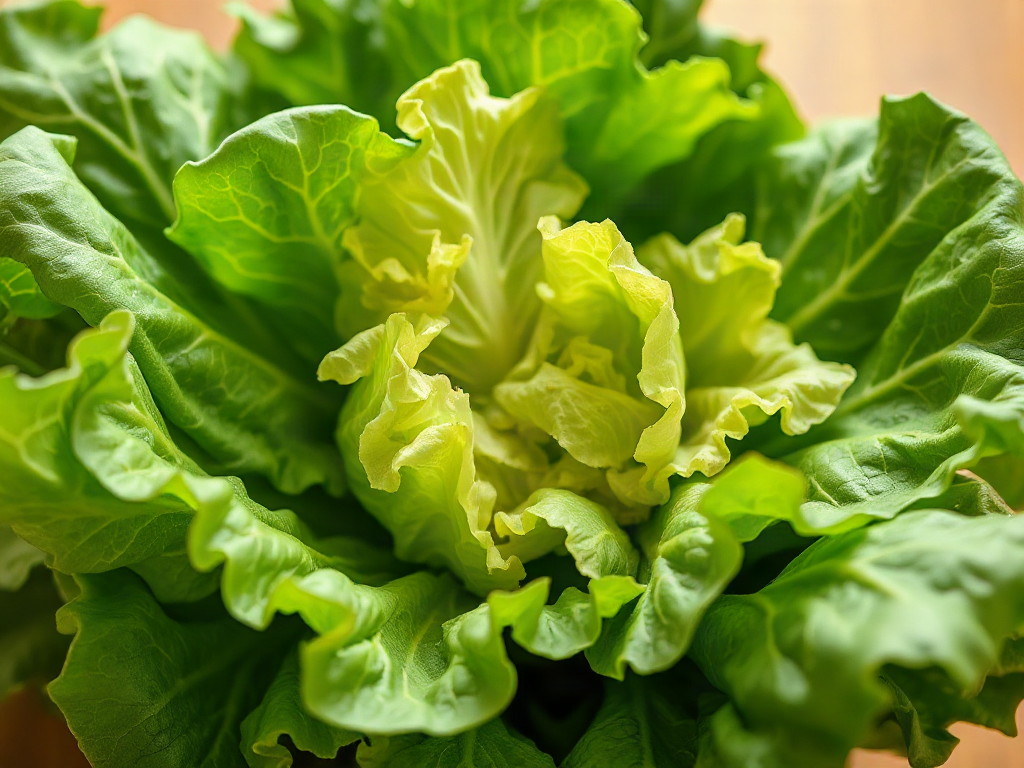
Organic lettuce nutrition extends beyond basic salads when different varieties are used in cooked dishes, wraps, soups, grain bowls, and blended sauces. Darker leaves generally provide more carotenoids and vitamin K, while crisp heads contribute hydration, texture, and a mild base for stronger ingredients. Pairing lettuce with beans, eggs, fish, tofu, whole grains, nuts, or an oil-based dressing makes a meal more substantial and helps the body use fat-soluble carotenoids. Gentle cooking can reduce volume and prevent waste, but prolonged heat softens texture and may reduce some heat-sensitive nutrients, so short cooking times are usually more practical.
What Nutrients Does Organic Lettuce Provide?
Lettuce contributes most effectively as a low-energy vegetable that adds folate, vitamin K, carotenoids, water, and modest amounts of fiber rather than as a complete source of protein or calories. Its exact nutrient profile depends heavily on the type and color of the leaves. Deep green and red varieties usually contain more pigment-associated compounds than pale inner leaves, while crisphead types are particularly useful for volume, moisture, and crunch.
Leaf pigments offer a practical clue. Beta-carotene and related carotenoids occur alongside the green and red pigments in many lettuces. The body can convert some beta-carotene into vitamin A, which contributes to normal vision and immune function. Lettuce also provides vitamin K, a nutrient involved in normal blood clotting and bone metabolism. Folate supports cell division, making leafy vegetables one useful component of a varied eating pattern.
These nutrients should be viewed in the context of the whole meal. A bowl of lettuce alone may be bulky but still leave someone hungry because it contains little protein, fat, or concentrated energy. Adding lentils, chickpeas, tofu, eggs, poultry, fish, cheese, seeds, or nuts changes the dish from a vegetable side into a more complete meal. A small amount of fat from olive oil, tahini, avocado, nuts, or another food may also help the body use fat-soluble carotenoids.
The organic label describes how the crop was produced under an applicable certification system; it does not guarantee that one head contains more vitamins than every conventionally grown alternative. Variety, maturity, growing conditions, storage time, and handling can all influence quality. Choosing organic may reflect farming, environmental, or purchasing preferences, but nutritional decisions should still account for freshness, leaf color, affordability, and how much lettuce will actually be eaten.
A common mistake is treating lettuce as nutritionally empty because it contains substantial water. Water-rich vegetables can increase meal volume and contribute to hydration, while their leaves provide micronutrients and plant compounds. The opposite assumption is equally weak: lettuce cannot replace a broad range of vegetables. Rotate it with broccoli, carrots, peppers, legumes, cabbage, and other produce to obtain nutrients and textures that lettuce supplies only in small amounts.
Does Lettuce Variety Change Nutritional Value?
Lettuce variety changes both nutrient emphasis and kitchen performance, so the best choice depends on the intended dish. Romaine holds its shape in wraps and briefly cooked preparations. Butterhead has tender leaves that fold easily around fillings. Green leaf and red leaf lettuce offer soft texture and more deeply colored outer leaves. Iceberg remains crisp under moist toppings but generally has a paler leaf profile.
| Lettuce type | Practical strength | Useful applications |
|---|---|---|
| Romaine | Firm ribs and dark outer leaves | Grilled wedges, wraps, soups, grain bowls |
| Butterhead | Flexible, tender cups | Bean cups, tofu wraps, egg fillings |
| Red or green leaf | Soft leaves and deeper color | Sandwich layers, wilted dishes, blended sauces |
| Iceberg | Durable crunch and high moisture | Slaws, tacos, bowls, warm sandwiches |
Color is a useful selection signal, but it is not a complete ranking system. Darker leaves often contain more carotenoids and vitamin K than pale leaves from the same general category, yet a fresh, crisp head that gets eaten is more useful than a nutrient-dense variety that spoils untouched. Flavor matters too: peppery or slightly bitter outer leaves may work better with beans, citrus, yogurt, cheese, or a savory sauce than as a plain side.
Outer leaves deserve attention because they tend to be darker and more robust than the protected center. If they are sound rather than slimy, badly bruised, or decayed, they can be chopped into soup, sautéed with garlic, or blended into a herb sauce. Tender inner leaves are better reserved for wraps or fresh toppings. This division uses each texture where it performs well and reduces avoidable waste.
Buying a mix can be more practical than searching for one “best” lettuce. A romaine head may cover wraps and cooked dishes, while butterhead can serve as delicate cups. For a limited budget, prioritize sound leaves, a size the household can finish, and a format that does not charge extra for processing. Whole heads often stay usable longer than pre-cut leaves because fewer cut surfaces are exposed, although packaged lettuce may be worthwhile when convenience determines whether vegetables are eaten.
The main failure sign is not choosing the supposedly wrong variety; it is repeatedly discarding wilted leaves. If lettuce often spoils, buy smaller heads, plan both fresh and cooked uses, and schedule delicate varieties earlier in the week. Nutritional value on paper has little practical meaning when storage and meal planning consistently lead to waste.
How Can Lettuce Be Used Beyond Salads?
Lettuce can function as a wrapper, cooked green, crisp topping, soup addition, bowl base, blended ingredient, or grilled vegetable. These roles make it easier to use an entire head and reveal differences between ribs, outer leaves, and tender centers. The goal is not to hide lettuce but to match its water content and texture to a suitable cooking method.
- Build sturdy wraps: Fill romaine or butterhead leaves with lentils, tofu, chicken, tuna, eggs, or seasoned beans. Keep wet sauces modest so the leaves remain intact.
- Wilt it into a grain bowl: Place chopped lettuce beneath hot brown rice, quinoa, barley, or farro. Residual heat softens the leaves without extended cooking.
- Add it to soup at the end: Stir sliced outer leaves into bean, noodle, or vegetable soup during the final minutes, much as a tender green would be used.
- Grill firm halves: Briefly char halved romaine, then add lemon, tahini, yogurt sauce, or grated cheese. High heat and short contact preserve some structure.
- Layer a substantial sandwich: Use crisp lettuce with hummus, egg, fish, tempeh, or roasted vegetables for moisture and contrast rather than relying on leaves as the filling.
- Blend a savory green sauce: Combine usable soft leaves with herbs, nuts or seeds, garlic, citrus, and olive oil. Lettuce gives volume while stronger ingredients supply flavor.
- Finish tacos or warm bowls: Shred iceberg or romaine over beans, roasted vegetables, chili, or baked potatoes immediately before serving.
Moisture control determines whether these ideas work. Lettuce releases water as it heats, so a crowded pan can produce steamed, limp leaves instead of lightly wilted greens. Use a broad hot pan, cook a small amount at a time, and add salt near the end. For wraps, dry washed leaves thoroughly and cool hot fillings before assembly. A leaf that tears under a heavy filling can be doubled rather than discarded.
Cooking creates a tradeoff rather than a simple nutritional gain or loss. Heat reduces bulk, allowing more leaves to fit into a meal, and can rescue lettuce that has lost some crispness but remains safe and free from decay. Extended boiling, however, weakens texture and can reduce or leach some heat-sensitive, water-soluble nutrients. Quick wilting, brief grilling, or late addition to soup limits exposure while making use of leaves that may not appeal raw.
A working meal should still contain enough substance. Lettuce soup made only from leaves and broth will not provide the same staying power as one containing white beans, noodles, potatoes, tofu, or shredded chicken. Likewise, a lettuce wrap becomes a balanced main dish through its filling, not the wrapper alone. If hunger returns quickly, increase the protein, whole-grain, or healthy-fat component rather than simply adding more leaves.
Preparation, Storage, and Food Safety
Good handling protects both texture and food safety because lettuce is commonly eaten without a cooking step. Start by removing damaged or decayed leaves, separating the remaining leaves, and rinsing them under cool running water. Plain running water is the practical household standard; soap, detergent, and produce cleaners are not needed for washing leafy vegetables and may leave unwanted residues.
Drying matters after washing. Water trapped between leaves accelerates softening and dilutes dressings, sauces, and sandwich fillings. A salad spinner works efficiently, but clean towels can also remove surface moisture. Store dry leaves in a clean covered container with an absorbent towel, or keep an intact head loosely wrapped in the refrigerator. Replace the towel if it becomes saturated.
Prewashed packaged lettuce is designed for convenience. Follow the package directions rather than automatically rewashing a product labeled ready to eat or triple washed, since extra handling can introduce contamination from hands, sinks, utensils, or counters. Discard packages with signs of spoilage, excessive liquid, severe wilting, or damaged seals. Dates and package condition should be considered together; a date does not make visibly spoiled leaves acceptable.
Cross-contamination is a more meaningful risk than the organic-versus-conventional distinction. Keep lettuce away from raw meat, poultry, seafood, their juices, and cutting boards or knives that have not been cleaned. Wash hands before preparation and refrigerate cut leaves promptly. Organic production does not make lettuce sterile, and washing cannot guarantee removal of every microorganism, so careful sourcing and handling still matter.
A compact use-first routine prevents many quality failures:
- Check: Remove slimy, decayed, or foul-smelling material rather than trying to cook it away.
- Sort: Reserve crisp inner leaves for fresh uses and direct sturdy outer leaves toward soup, sautéing, or sauce.
- Dry: Reduce surface moisture before refrigeration or assembling wraps.
- Plan: Use tender leaves early and firmer ribs later in the week.
Wilting alone is often a quality problem rather than proof of spoilage. Sound leaves may regain some crispness after a short soak in cold water, followed by thorough drying. Sliminess, decay, or an off odor calls for disposal. Cooking should never be used to justify eating spoiled lettuce. When someone is pregnant, older, immunocompromised, or managing a condition that increases foodborne-illness risk, individualized food-safety advice from a qualified clinician may be appropriate.
Frequently Asked Questions
Is organic lettuce more nutritious than conventional lettuce?
Organic certification concerns production practices, not a guaranteed nutrient advantage. Variety, leaf color, freshness, maturity, storage, and preparation may be more useful nutritional considerations.
Can lettuce be cooked like spinach?
Yes, although lettuce is often more watery and delicate. Wilt it quickly in a hot pan, add it near the end of soup, or briefly grill firm romaine to avoid an excessively soft result.
Which lettuce is the most nutrient-dense?
Dark romaine, red leaf, and green leaf varieties generally offer more carotenoids and vitamin K than pale lettuce. No single type supplies everything, so freshness and dietary variety still matter.
Should packaged prewashed lettuce be washed again?
Follow the label. Produce marked ready to eat, washed, or triple washed generally does not require rewashing; unnecessary handling may expose it to contaminated sinks, hands, or utensils.
Can wilted lettuce still be used?
Sound but limp leaves can be refreshed in cold water or used in soup, a quick sauté, or a blended sauce. Discard lettuce that is slimy, decayed, or foul-smelling.
Conclusion
Lettuce becomes more useful when selection, meal structure, and storage are considered together. Choose darker varieties when carotenoids and vitamin K are priorities, but value crisphead lettuce for durable texture and accessible vegetable volume. Match sturdy leaves with wraps, grilling, and soup; save tender centers for fresh toppings and delicate cups.
Pair the leaves with a meaningful protein source, a satisfying carbohydrate when appropriate, and some dietary fat instead of expecting lettuce alone to carry a meal. Wash and dry it carefully, prevent contact with raw animal foods, and redirect sound wilted leaves to cooked dishes before they become waste. A realistic next step is to assign two uses to each head at purchase—one fresh and one cooked—so nutrition, convenience, and food safety remain aligned.