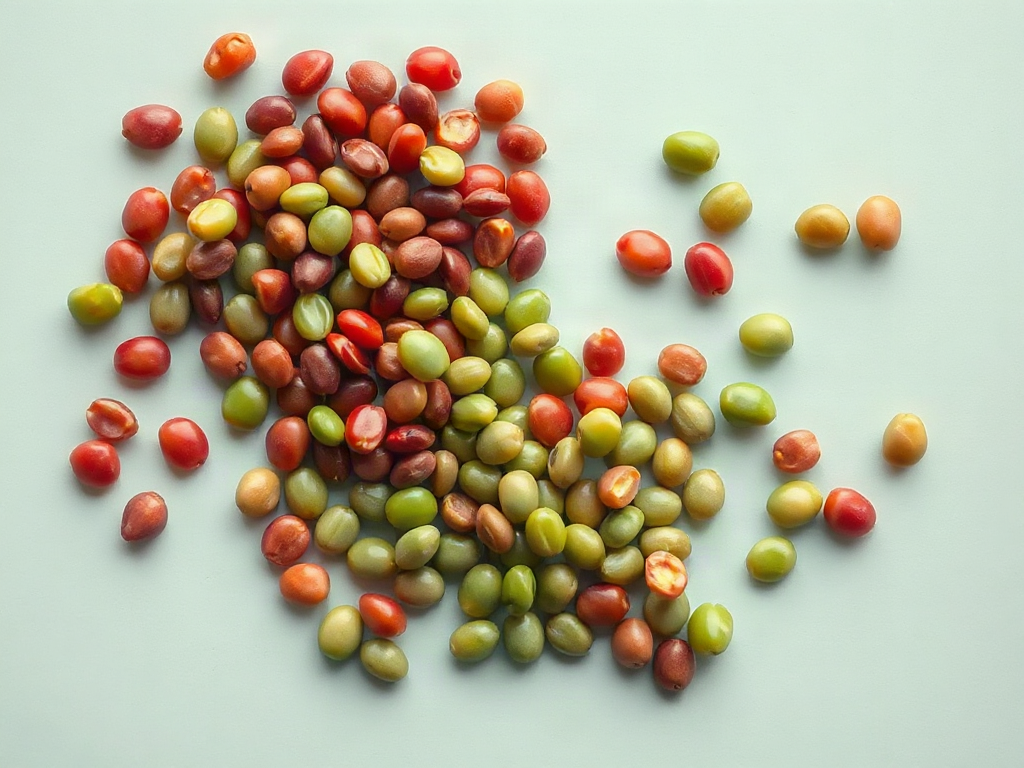
Red and green lentils offer broadly similar plant protein, complex carbohydrates, iron, and folate, but red lentils usually cook in 10–20 minutes and soften into a puree, while green lentils often need 20–35 minutes and retain their shape. Split red lentils are commonly hulled, so they may contain somewhat less fiber than whole green lentils, although package labels and serving sizes should be compared. Choose red lentils for soups, dals, sauces, and thickening; choose green lentils for salads, grain bowls, and dishes requiring distinct pieces. Gentle simmering protects green lentils from splitting, whereas extended cooking deliberately makes red lentils creamier.
How Does the Nutrition of Red and Green Lentils Compare?
Both colors are nutrient-dense pulses built around complex carbohydrates, plant protein, fiber, folate, iron, potassium, and other minerals. The most meaningful nutritional difference usually comes from processing rather than color alone. Many red lentils are sold split and hulled, while green lentils generally retain their seed coat and remain whole.
Removing the outer layer allows water to reach the interior quickly, but it can also reduce fiber relative to an intact lentil. A whole green lentil may therefore provide more fiber than a split, hulled red product. That is a useful tendency, not a universal label rule: varieties, brands, growing conditions, and whether the figures describe dry or cooked lentils all affect the comparison. The package nutrition panel is the better source for a specific purchase.
Protein content is generally comparable when equal cooked portions are measured consistently. Neither color should be treated as a uniquely high-protein version based on appearance. Lentils contribute useful plant protein, but they do not need to supply every amino acid in ideal proportions at one sitting. A varied eating pattern containing grains, nuts, seeds, or other legumes can provide complementary amino acids over the course of the day.
Iron and folate are present in both types. Lentil iron is non-heme iron, which the body generally absorbs less readily than heme iron from animal foods. Pairing lentils with a vitamin C source—such as tomatoes, bell peppers, broccoli, or lemon juice—may improve non-heme iron absorption. Tea and coffee consumed with a meal can inhibit some absorption, a consideration that may matter more for someone relying heavily on plant sources of iron. Lentils are nutritious foods, but they should not be presented as treatment for iron deficiency or another medical condition.
Preparation can change the nutrition delivered by the final bowl. A creamy red lentil soup made with vegetables may be relatively light, while large amounts of coconut milk, oil, or salty stock change its calorie, saturated-fat, and sodium profile. A green lentil salad can supply intact fiber and vegetables, but its dressing and cheese may become the main sources of sodium. Compare complete dishes rather than assuming one lentil color makes a meal automatically healthier.
A common comparison error is placing dry values beside cooked values. Cooked lentils absorb substantial water, so nutrients appear less concentrated by weight or cup. For a fair decision, check that serving states and portion sizes match. People increasing their legume intake may also prefer to raise portions gradually and drink adequate fluid, because a sudden increase in fermentable carbohydrates and fiber can cause digestive discomfort.
Why Do Red and Green Lentils Have Different Textures?
Structure explains the largest practical difference between these lentils. Split red lentils have exposed interiors and often lack the protective seed coat, so their starches hydrate quickly and the pieces lose definition. Whole green lentils retain their outer layer, which slows water movement and helps them stay intact during moderate cooking.
Red lentils progress from firm fragments to tender pieces and then to a thick, cohesive mixture. That breakdown is useful in dal, blended or rustic soups, tomato sauces, vegetable purees, and fillings that need body. They can thicken liquid without flour or dairy because released starch and dispersed lentil solids increase viscosity. If a red lentil soup becomes thicker after cooling, a little water or unsalted stock usually restores the intended consistency during reheating.
Green lentils are better suited to situations where separate pieces matter. Properly cooked examples remain tender inside with enough surface strength for salads, grain bowls, warm side dishes, and vegetable stews. They can tolerate folding with a dressing or spooning beneath roasted vegetables without immediately becoming a paste. Their flavor is often described as earthy, though variety, freshness, seasoning, and cooking liquid influence flavor more than a simple color label suggests.
The texture contrast is not absolute. Red lentils can retain some shape when cooked briefly, and green lentils will eventually split or turn soft if boiled hard or left in liquid too long. Older dried green lentils may also soften unevenly or take longer than a newly purchased batch. A date on the package does not perfectly predict performance, but very old stock is a reasonable suspect when lentils remain firm after an expected cooking period.
Acidic ingredients affect practical timing. Tomatoes, vinegar, and citrus are valuable for flavor, yet adding substantial acidity before green lentils become tender may prolong softening. For a tomato-rich green lentil stew, cook the lentils until nearly tender before adding the most acidic components. Red lentils are often used successfully in tomato-based dishes because their exposed interiors still hydrate readily, but timing the acid later gives the cook more control.
The recurring mistake is treating the two colors as interchangeable by volume without adjusting the desired outcome. Replacing green lentils with red in a composed salad can produce a soft mass that will not hold dressing cleanly. Replacing red with green in a smooth soup can leave distinct lentils and a thinner broth. The substitution may still taste good, but it changes the architecture of the dish rather than merely its color.
How Do Cooking Times and Methods Differ?
Red lentils generally finish faster than green lentils because splitting and hulling reduce the distance water must travel. A practical stovetop expectation is about 10–20 minutes for split red lentils and 20–35 minutes for whole green lentils, with the actual time affected by variety, age, heat level, altitude, and the texture required.
| Cooking factor | Red lentils | Green lentils |
|---|---|---|
| Typical stovetop range | 10–20 minutes | 20–35 minutes |
| Finished structure | Soft and prone to breaking down | Tender with better shape retention |
| Heat approach | Gentle simmer; stir as thickening begins | Gentle simmer; avoid vigorous boiling |
| Useful endpoint | Creamy or fully dispersed | Tender center with intact exterior |
Begin by spreading the dry lentils on a light-colored plate or tray and removing any small stones or damaged material, then rinse them in a fine-mesh strainer. Soaking is usually unnecessary for either type. Add them to water or an appropriate cooking liquid, bring it to a boil, and reduce promptly to a steady simmer. Exact liquid ratios vary because a drained salad needs a different method from a soup intended to retain all its broth.
For green lentils destined for salad, use ample water as if cooking pasta. Test early, drain when tender, and dress while warm enough to absorb flavor. A violent boil causes collisions that can rupture the skins, while prolonged simmering after tenderness leads to splitting. The clearest sign of success is a center that is no longer chalky paired with an exterior that survives gentle stirring.
For red lentils, use a measured amount of liquid when the final thickness matters. Stir more frequently near the end because starch and lentil solids can settle and scorch as the mixture thickens. If the pot looks watery at first, wait before removing liquid: red lentils continue absorbing and the dish often tightens after resting. If pieces remain firm and the pan is becoming dry, add hot water in small amounts instead of raising the heat aggressively.
Salt is commonly blamed for tough legumes, but lentil failures are more often linked to old stock, insufficient liquid, strong acidity added early, or inaccurate timing. Salt can be used to season the cooking liquid unless a recipe has a specific reason to delay it. Highly salted packaged broth can still produce an over-seasoned result as liquid reduces, so low-sodium broth or water offers better control.
Use package instructions as a starting point and taste rather than trusting a timer alone. Check red lentils several minutes before the stated endpoint when you want visible pieces. Check green lentils at short intervals once their centers begin to soften. The correct finish is determined by the intended dish, not by a single universal minute mark.
Which Lentil Should You Choose for a Recipe?
Choose according to the job the lentil must perform: red lentils are effective thickeners, while green lentils are stronger structural ingredients. Nutrition can influence the decision, especially when comparing a hulled product with an intact one, but texture and cooking behavior usually determine whether the finished dish works.
For a weeknight soup that must become creamy without blending, split red lentils are the efficient choice. Sauté aromatics, add rinsed lentils and liquid, then simmer until the pieces collapse. They also disappear readily into a tomato or vegetable sauce, which can be useful when a cook wants body and legume content without distinct beans. The limitation is narrow timing: once softened, red lentils cannot be returned to a firm state.
For meal-prep salads, choose green lentils and stop cooking while they still hold clean edges. Drain them thoroughly before adding oil-based dressing; excess cooking water dilutes seasoning and makes storage containers watery. Cool the dish promptly and refrigerate it in a covered container. Follow normal food-safety practices, and discard cooked lentils if spoilage signs such as an off odor, mold, or unusual surface changes appear.
Stews require a more deliberate decision. Green lentils remain visible beside carrots, potatoes, or mushrooms and suit a broth where individual ingredients should be identifiable. Red lentils integrate into the liquid and create a thicker base. A cook can combine them, but adding both at the same moment usually means the red lentils dissolve before the green ones finish. Add the green variety first, then introduce red lentils later if the goal is both distinct pieces and natural thickening.
A compact selection checklist keeps substitutions purposeful:
- Need a creamy result quickly: use split red lentils.
- Need lentils to survive mixing or storage: use whole green lentils.
- Prioritizing fiber: compare labels and favor an intact, unhulled product.
- Cooking with tomatoes or vinegar: soften green lentils before adding most of the acid.
- Replacing one color with the other: adjust both cooking time and liquid, not just quantity.
Price and availability may make the decision simpler. Either type can contribute protein, fiber, and minerals to meals, so there is little reason to reject an affordable option solely because it is not the preferred color. Adapt the format instead: turn unexpectedly soft green lentils into soup, or use over-thickened red lentils as a filling or puree. The most useful priority is matching structure to the recipe while judging nutritional differences from like-for-like labels.
Frequently Asked Questions
Can red and green lentils be substituted for each other?
They can be substituted when a texture change is acceptable. Red lentils cook faster and thicken the dish, while green lentils need longer and remain more distinct, so adjust the liquid and timing.
Which lentils have more fiber?
Whole green lentils often have more fiber than split, hulled red lentils because the seed coat remains intact. Check labels using equal serving sizes and the same dry or cooked state.
Do red or green lentils need to be soaked?
Neither type usually requires soaking. Sort and rinse them before cooking; soaking may shorten cooking somewhat, but it is not normally necessary for tender results.
Why are my green lentils still hard?
Older lentils, an acidic cooking liquid, inadequate water, or insufficient time may be responsible. Add hot water if needed, maintain a gentle simmer, and delay strong acids until the lentils are nearly tender.
Which lentils are better for soup?
Red lentils suit creamy, thick soups because they break down. Green lentils work better when the soup should contain recognizable, tender lentils in a clearer broth.
Conclusion
The better lentil is the one whose structure fits the dish. Use split red lentils when speed, thickening, and a creamy finish are priorities; use whole green lentils when pieces must remain intact through stirring, dressing, or storage. Compare nutrition labels only after matching serving size and preparation state, particularly if fiber or sodium is a deciding factor.
For reliable cooking, rinse and sort the lentils, keep the pot at a gentle simmer, and begin tasting before the expected endpoint. Add strong acids later when green lentils need to soften, and monitor red lentils more closely as their mixture thickens. If substituting one for the other, expect to revise the liquid, timing, and finished format rather than reproducing the original texture exactly.