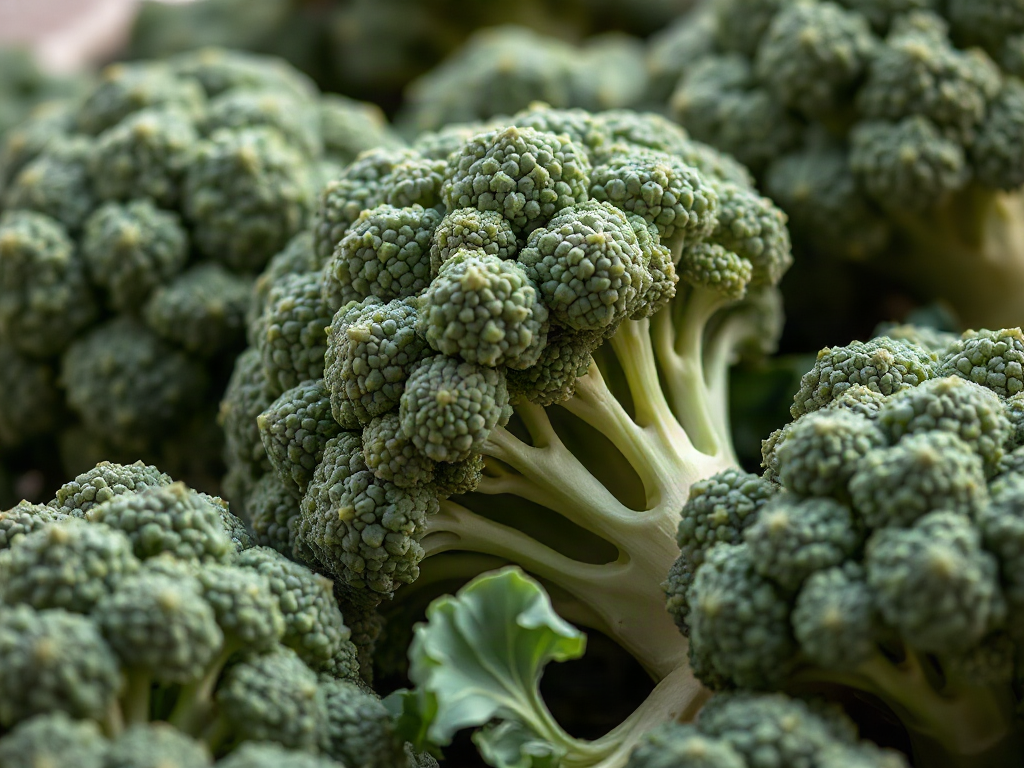
Organic broccoli nutrition and nutrient retention depend more on freshness, cutting, water exposure, heat, and cooking time than on the organic label alone. Broccoli supplies vitamin C, vitamin K, folate, fiber, potassium, carotenoids, and glucosinolates, but prolonged boiling can move water-soluble nutrients into discarded cooking liquid. Brief steaming or microwaving with little added water generally limits these losses while making the vegetable easier to eat. Cut broccoli shortly before cooking, avoid holding it warm for long periods, and use any cooking liquid in soups or sauces.
Which Nutrients Does Organic Broccoli Provide?
Broccoli is a nutrient-dense cruciferous vegetable whether it carries an organic label or not. Its notable nutrients include vitamin C, vitamin K, folate, fiber, potassium, and smaller amounts of several B vitamins and minerals. It also contains carotenoids and sulfur-containing glucosinolates, plant compounds responsible for some of broccoli’s characteristic aroma and flavor.
These components do not respond to storage and cooking in the same way. Fiber and most minerals are comparatively stable under ordinary kitchen heat, although minerals can pass into cooking water. Vitamin C and folate are water-soluble and more vulnerable to heat, oxygen, and prolonged contact with water. Carotenoids tolerate moderate cooking more readily, and softening the plant tissue may make them easier to release during digestion. Nutrient retention therefore cannot be reduced to a claim that raw is always best or cooked is always worse.
Glucosinolates add another layer to the comparison. Chopping damages plant cells and brings glucosinolates into contact with the enzyme myrosinase, producing breakdown compounds that researchers continue to study. Intense or extended heating can inactivate that enzyme. The practical implication is not that broccoli must always be eaten raw, but that cutting, resting, cooking temperature, and cooking duration can influence the final mixture of plant compounds.
A useful serving decision starts with the whole meal rather than a single nutrient. Raw florets provide crunch and avoid heat-related vitamin loss, but some people find them difficult to chew or digest in a substantial portion. Lightly cooked broccoli is softer, often more palatable, and easier to include regularly. A serving eaten comfortably and consistently is more useful than a theoretically ideal preparation that remains on the plate.
Broccoli should not be treated as a concentrated supplement or a medical intervention. It contributes to a varied eating pattern alongside foods such as beans, whole grains, fruit, nuts, seeds, and other vegetables. Adding a source of dietary fat—such as olive oil, tahini, avocado, or nuts—also makes a broccoli dish more satisfying and may assist the normal absorption of fat-soluble carotenoids. The common mistake is focusing on one fragile vitamin while overlooking portion size, meal balance, and whether the vegetable is actually consumed.
Is Organic Broccoli More Nutritious Than Conventional Broccoli?
Organic certification describes how broccoli was grown and handled; it does not establish a fixed nutrient advantage for every organic head or package. Nutrient content varies with cultivar, soil conditions, weather, maturity at harvest, time in distribution, and storage temperature. Those sources of variation can make a fresh conventional head nutritionally preferable to organic broccoli that has spent too long in warm or poorly controlled storage.
The organic choice can still matter for reasons separate from vitamin concentration. A shopper may prefer farming standards that restrict certain synthetic inputs or may value particular environmental and production practices. Those are legitimate purchasing considerations, but they should not be converted into a guarantee that the product contains more vitamin C, folate, minerals, or glucosinolates. Evidence comparing organic and conventional produce does not support assuming that the label alone predicts the nutrient profile of an individual item.
Condition at purchase offers more actionable information. Choose broccoli with firm stalks, compact florets, and a deep green color appropriate to the variety. Extensive yellowing, limp stems, open flowers, a strong unpleasant odor, or wet, decaying patches indicate aging or deterioration. A few cosmetic differences do not necessarily signal poor nutrition, but visible breakdown means quality and storage life have already declined.
Consider two realistic options: locally stocked conventional broccoli that arrived recently and organic broccoli that has wilted after extended display. If immediate nutrient retention and eating quality are the priorities, the fresher head is usually the sounder choice. If both are equally fresh and affordable, production preference can decide the purchase. Frozen organic broccoli is another practical alternative because it is generally processed after harvest and can reduce household waste, although blanching before freezing changes some heat-sensitive components.
Price also belongs in the decision. Paying more for organic broccoli while buying too little produce overall is not automatically a nutritional gain. Someone working within a tight grocery budget may reasonably prioritize freshness, quantity, and low waste, then choose organic when the price difference is manageable. The weak assumption to avoid is treating “organic” as a nutrient-retention method. Refrigeration, short storage, careful preparation, and suitable cooking exert more direct control after the broccoli reaches the kitchen.
How Do Cooking Methods Affect Nutrient Retention?
Water volume, temperature, and cooking duration determine much of what happens to broccoli during preparation. Heat can degrade sensitive compounds, while water can carry soluble vitamins and minerals out of the vegetable. A short method using little water generally preserves more of those components than prolonged cooking followed by draining.
| Method | Typical Nutrient Consideration | Practical Use |
|---|---|---|
| Raw | Avoids heat loss but exposes cut surfaces to air over time | Prepare near serving and chew thoroughly |
| Steaming | Limits direct water contact; excess time still softens and degrades quality | Stop when bright and tender-crisp |
| Microwaving | Short heating with little water can limit leaching | Use a covered dish and only enough moisture to create steam |
| Boiling | Promotes movement of soluble nutrients into the water | Keep it brief or retain the liquid for another dish |
| Roasting | No water leaching, but higher heat and long exposure affect sensitive compounds | Use moderate timing and avoid extensive charring |
| Stir-frying | Fast cooking limits exposure, though small florets heat quickly | Cook in batches rather than overcrowding the pan |
Brief steaming is a dependable choice when retention and texture are both priorities. Place similarly sized florets above simmering water and remove them once they are tender enough to pierce but still hold their shape. A dull olive color, sulfurous smell, waterlogged texture, or florets collapsing under light pressure suggests excessive cooking. Those sensory signs are more useful in a home kitchen than chasing an exact time that ignores floret size, starting temperature, and equipment.
Microwaving is often underestimated. Broccoli cooked in a covered microwave-safe container with a small amount of water is heated quickly by steam generated inside the dish. The method fails when the container is filled with water, the portion is heated far beyond tenderness, or unevenly sized pieces leave some florets overdone while thick stems remain hard. Cutting stems into thinner pieces helps the vegetable finish at roughly the same time.
Boiling creates the clearest tradeoff. It is convenient and can produce a soft texture, but discarding the water also discards compounds that have leached into it. When boiling suits a soup, curry, or pasta dish, retain the liquid as part of the meal. Blanching briefly and cooling promptly is preferable to leaving broccoli simmering while other ingredients finish.
Roasting and stir-frying create browning and concentrated flavor, which may increase how much broccoli people are willing to eat. Avoid interpreting darker browning as proof of better nutrition. Burned edges add bitterness and reflect unnecessary heat exposure. A mixed approach—such as steaming until barely tender and finishing briefly in a pan with garlic and olive oil—can provide appealing flavor without a long high-temperature cook.
How Should Broccoli Be Stored, Prepared, and Served?
Cold storage and timely use protect quality before cooking begins. Refrigerate broccoli soon after purchase rather than leaving it on a counter or in a warm vehicle. Keep it dry enough to discourage decay, allow some air circulation, and wash it shortly before preparation instead of storing it wet. A refrigerator slows deterioration but does not stop it, so plan to use fresh broccoli while the stalks remain firm and the florets compact.
Whole heads generally expose less surface area to oxygen than pre-cut florets. Cutting is still useful when it makes weekday cooking more realistic, but prepared pieces should be refrigerated in a clean container and used promptly. If florets become slimy, develop mold, or smell rotten rather than merely cabbage-like, discard them. Slight limpness may affect texture without necessarily making the vegetable unsafe, but obvious spoilage should not be trimmed away and ignored.
Preparation should preserve edible material as well as nutrients. Peel the fibrous exterior from thick stalks, then slice the tender center for steaming, roasting, slaw, soup, or stir-fry. Throwing away the entire stem wastes food and reduces the usable fiber and micronutrients purchased. Leaves attached to the head can also be cooked if they are sound and properly washed.
A compact kitchen routine keeps nutrient loss and waste under control:
- Check freshness: use heads showing yellowing or softening before firmer ones.
- Rinse before use: wash under clean running water and remove damaged areas.
- Cut evenly: separate similar-sized florets and slice dense stems more thinly.
- Cook only to the desired tenderness: monitor color, smell, and texture rather than walking away from the pan.
- Serve or cool promptly: avoid keeping cooked broccoli hot for an extended period.
Meal context determines the best method. For a packed lunch, cooled roasted broccoli may hold its texture better than very soft steamed florets. For a child or an adult with chewing difficulty, a softer preparation may be more practical despite greater heat exposure. In soup, nutrients that enter the broth remain available because the liquid is eaten. For a quick dinner, frozen florets microwaved with minimal water may be a better choice than fresh broccoli forgotten until it spoils.
Signs that the approach is working include bright flavor, a texture suited to the eater, little discarded cooking liquid, and leftovers that are used rather than repeatedly reheated. Failure often looks like bulk-preparing too much, storing it wet, cutting pieces unevenly, or holding cooked broccoli warm until it turns dull and mushy. The priority is not perfect preservation of every compound; it is controlling avoidable losses while producing food people will eat.
Frequently Asked Questions
Does washing organic broccoli remove nutrients?
Brief rinsing under running water causes little practical nutrient loss. Avoid soaking cut broccoli for long periods because water-soluble compounds can move into the water.
Is raw organic broccoli always more nutritious?
No. Raw broccoli avoids heat-related losses, while cooking improves tenderness and may increase access to some carotenoids. The useful choice depends on the nutrient, method, and amount eaten.
Does frozen organic broccoli retain nutrients?
Frozen broccoli remains a nutritious option. Blanching before freezing can reduce some heat-sensitive compounds, but cold storage slows the continuing deterioration that affects fresh broccoli over time.
Should broccoli be cut before or after cooking?
Cutting it into even pieces before cooking promotes consistent tenderness. Prepare it close to cooking time rather than leaving finely chopped broccoli exposed to air for hours.
Can broccoli cooking water be reused?
Yes. If the liquid is clean and suits the recipe, add it to soup, sauce, grains, or stew rather than discarding soluble nutrients that moved into the water.
Conclusion
Freshness and kitchen handling deserve more attention than assumptions about the organic label. Select firm broccoli, refrigerate it promptly, keep it dry during storage, and prepare only as much as the meal requires. Brief steaming or low-water microwaving offers a practical balance of texture and retention, while roasting and stir-frying can be sensible when their flavor makes the vegetable more appealing. If boiling is preferred, shorten the cook or incorporate the liquid into the dish.
Use the stalks, match piece sizes, and stop cooking before the florets become dull, sulfurous, and collapsing. Raw, cooked, fresh, and frozen broccoli can all fit a varied diet; none needs to be treated as a therapeutic food. The best next step is to choose the preparation your household will eat consistently, then reduce unnecessary water, heat, storage time, and waste.