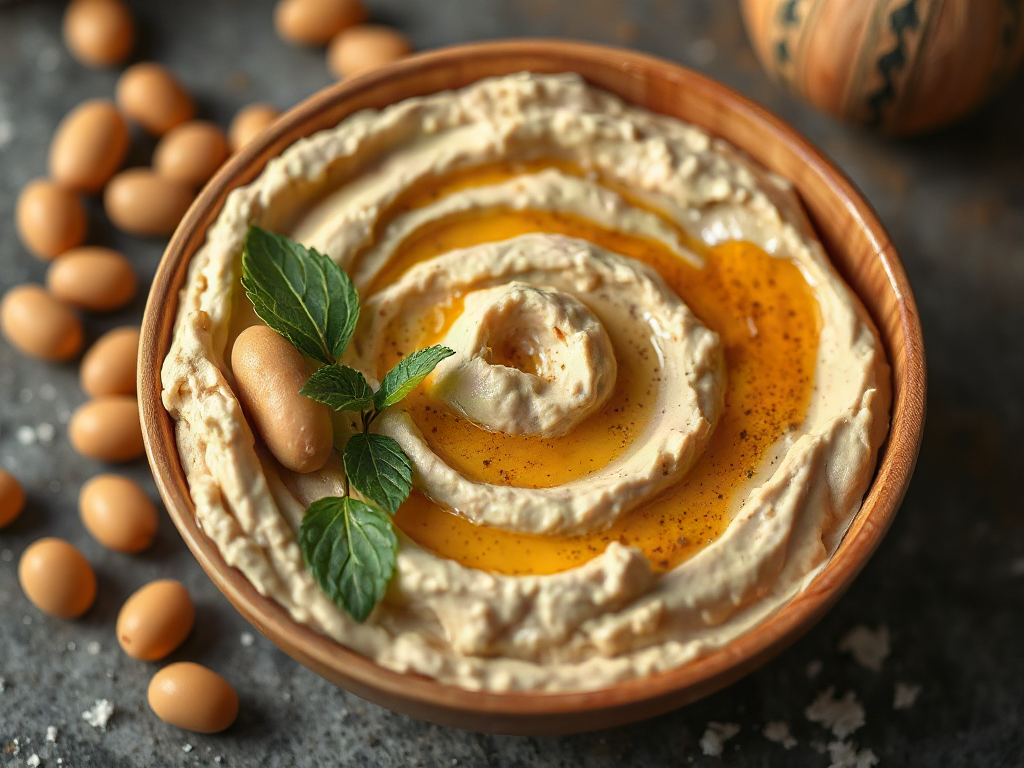
Hummus nutrition depends mainly on its chickpeas, tahini, oil, and serving size, while meal balance depends on what accompanies it. Chickpeas provide carbohydrate, plant protein, and fiber; tahini and oil add mostly unsaturated fat but also increase calorie density. A practical portion is often 2 to 4 tablespoons, adjusted for appetite and whether hummus is a dip, spread, or main protein source. Pairing it with vegetables, whole grains, and another protein-rich food can create a more substantial meal.
What Determines the Nutrition in Hummus?
The nutritional profile of hummus comes from a concentrated mixture of cooked chickpeas, tahini, oil, lemon juice, garlic, and salt. Chickpeas supply most of the carbohydrate, fiber, and plant protein. Tahini, which is ground sesame seed paste, contributes fat, some protein, and minerals. Added olive or other oil raises the fat and calorie content without adding fiber or much protein.
That combination makes hummus more nutritionally substantial than many creamy dips, but it does not make every serving a complete meal. A small scoop may contribute useful nutrients while providing only a modest amount of protein. Its role changes with quantity: two tablespoons used as a sandwich spread function mainly as a condiment, whereas a larger portion in a grain bowl contributes more meaningfully to energy, fat, fiber, and protein.
Preparation also affects what a person actually eats. A thick hummus served with crisp vegetables may be consumed differently from a smooth, oil-rich version paired with pita chips. The vegetable pairing adds volume and varied nutrients with relatively little energy, while chips or large pieces of flatbread can turn casual dipping into a carbohydrate- and sodium-heavy snack. The nutritional outcome therefore reflects the complete plate rather than the hummus alone.
Product labels are the best basis for comparing packaged varieties because recipes differ. Check the listed serving size first, followed by calories, protein, fiber, saturated fat, and sodium. Comparing numbers without matching the serving quantities can be misleading; one brand may list two tablespoons while another uses a larger amount. Ingredient order also reveals whether chickpeas dominate the recipe or whether substantial added oil appears near the beginning.
A common misconception is that hummus should be treated as a high-protein food in the same way as a large serving of lentils, tofu, eggs, fish, or poultry. It contains protein, but typical dip-sized portions may not supply enough to anchor a meal by themselves. The practical test is simple: consider how much hummus is on the plate and whether another meaningful protein source is present. When the portion is small, treat it as a flavorful addition rather than the meal’s sole protein component.
How Do Ingredients Change Hummus?
Ingredient proportions can shift hummus from a chickpea-forward spread to a richer sesame-and-oil dip. More chickpeas generally produce a mixture with a greater contribution from legumes. More tahini creates a nuttier flavor and increases fat density, while extra oil makes the texture smoother and raises calories without proportionally increasing fiber or protein.
Traditional components serve different nutritional and culinary purposes. Lemon juice adds acidity, garlic contributes pungency, and salt sharpens flavor. These ingredients are usually present in smaller quantities than chickpeas or tahini, but sodium can become relevant in packaged products or heavily salted homemade batches. Lemon and garlic do not cancel out a high amount of added salt or oil.
| Ingredient | Main Contribution | What to Notice |
|---|---|---|
| Chickpeas | Carbohydrate, fiber, and plant protein | A higher chickpea proportion makes hummus more legume-focused |
| Tahini | Mostly unsaturated fat, some protein, and sesame-derived minerals | More tahini increases richness and energy density |
| Added oil | Fat and a smoother texture | Generous amounts can raise calories quickly |
| Salt | Flavor and sodium | Packaged brands and recipes vary considerably |
| Vegetable additions | Flavor, color, and variable nutrients | A vegetable name does not guarantee a large vegetable quantity |
Flavored hummus deserves ingredient-level scrutiny. Roasted red pepper, beet, herb, or jalapeño versions may offer variety, but the front label does not show how much of the named ingredient is present. Sweet varieties can contain added sugars, while toppings such as oil, seeds, or seasoned chickpeas may alter both serving size and calorie density. The nutrition label and ingredient list provide more decision value than flavor claims.
Homemade hummus offers control over texture, salt, and oil. For a lighter but still creamy mixture, use cooking liquid or water gradually rather than relying only on additional oil. Increasing chickpeas relative to tahini creates a different balance, although reducing tahini also changes flavor and mouthfeel. There is no single correct ratio; the useful choice is the one that fits the hummus’s role in the meal.
Sesame is a significant allergen, so tahini-containing hummus is not appropriate for everyone. A tahini-free chickpea spread can be made with lemon, garlic, water, and a modest amount of oil, but its flavor and nutrient mix will differ. People managing allergies should read packaged-food labels carefully and account for shared-equipment statements rather than assuming all hummus follows the same formula.
How Much Hummus Is a Serving?
A label serving is commonly a small dip-sized amount, but the appropriate portion depends on whether hummus is being used as a condiment, snack, or substantial meal component. Two tablespoons may be enough to add flavor and moisture to a wrap. A snack plate may use roughly a quarter cup, while a meal bowl may include more if hummus is replacing dressing and contributing part of the protein.
The container’s serving size is a comparison unit, not a rule defining how much every person should eat. Energy needs, appetite, dietary pattern, and the rest of the plate all matter. Someone spreading hummus thinly on toast has a different context from someone repeatedly dipping crackers directly into a large tub. The second situation makes portions difficult to see and can lead to eating considerably more than the label amount.
A practical way to choose a portion is to identify its job before serving it:
- For flavor: Start with about 2 tablespoons as a spread, topping, or dressing base.
- For a snack: Use 2 to 4 tablespoons with vegetables, fruit, or a measured portion of whole-grain crackers.
- For a meal: Serve a larger visible portion if desired, then check whether the plate still needs another protein source.
Portioning hummus onto a plate or into a small bowl is more informative than eating from the package. This is not about forcing precise measurement at every meal. It simply shows whether hummus is a thin accent, a moderate dip, or a major source of energy. If a planned snack repeatedly leaves you hungry, the problem may be insufficient food volume or protein rather than a lack of willpower. Add vegetables, whole-grain bread, an egg, edamame, yogurt, or another suitable food instead of relying only on more dip.
The opposite problem occurs when hummus is treated as nutritionally negligible. Tahini and oil make it energy-dense enough for portions to matter, particularly when it is combined with pita chips, cheese, olives, and other concentrated foods. None of those foods must be excluded, but stacking several rich or salty components can create a plate that is less balanced than its individual ingredients suggest.
Signs that a portion is working include comfortable satisfaction until the next planned meal, enough hummus to complement rather than overwhelm its pairings, and a plate with visible variety. A portion may need adjustment when the snack is routinely unsatisfying, the hummus displaces vegetables or protein, or the amount consumed bears little resemblance to the serving used for label calculations.
Building a Balanced Meal With Hummus
Hummus works best in a balanced meal when it is assigned a clear role and paired with foods that supply what the serving lacks. It can provide creamy texture, legume-based carbohydrate, some protein, and fat. Vegetables contribute volume and variety, whole grains or starchy vegetables provide additional carbohydrate, and a more concentrated protein source may improve staying power.
For a light lunch, spread hummus inside a whole-grain wrap with cucumber, tomato, shredded cabbage, and baked tofu or chicken. In a plant-based bowl, combine it with quinoa or brown rice, roasted vegetables, and lentils or edamame. A snack could include a measured spoonful of hummus with carrots and bell pepper plus fruit or a small handful of unsalted nuts. These combinations do not require rigid ratios; they address the most common weakness of hummus-centered eating, which is mistaking a modest portion of dip for a complete protein serving.
Balance also includes sodium and total richness. A plate containing packaged hummus, olives, feta, pickled vegetables, and pita chips can accumulate substantial salt even though each food fits a Mediterranean-style flavor profile. Fresh vegetables, plain grains, or lower-sodium proteins provide contrast. If sodium is a personal concern, compare labels and choose which salty ingredients matter most to the meal rather than assuming the hummus must carry all the flavor.
Texture can guide better pairings. Crunchy raw vegetables make a satisfying dip vehicle, but they may not provide enough energy for a meal. Whole-grain pita adds substance, although portion visibility matters because torn pieces are easy to underestimate. Using both—a generous vegetable portion and a defined amount of bread—often creates a more useful middle ground than choosing only low-energy vegetables or eating freely from a large bag of chips.
Use the following quick plate check before treating hummus as the centerpiece:
- Is there a visible source of vegetables or fruit?
- Is the protein contribution adequate for the meal, or is hummus only a small spread?
- Does the plate need bread, grains, or another carbohydrate for energy?
- Are several oil-rich or salty foods being layered together?
- Does the portion match hunger and the time until the next meal?
Balance should not be judged from one ingredient or one eating occasion. A higher-fat hummus may fit well beside vegetables and lean protein, while a lower-fat product may be less satisfying or contain more starches and flavoring ingredients. Choose by taste, label information, and intended use. People with individualized medical nutrition needs, including prescribed sodium, carbohydrate, or allergy restrictions, should apply guidance from a qualified clinician or registered dietitian rather than treating general portion examples as treatment instructions.
Conclusion
Judge hummus by its recipe, the amount served, and the complete plate rather than by its healthy reputation alone. Chickpea-forward products generally emphasize legumes, while larger amounts of tahini and oil increase richness and energy density. Packaged varieties also deserve a quick label check for serving size and sodium.
Decide first whether hummus is acting as a condiment, snack dip, or meaningful meal component. Serve it visibly, choose a portion that matches that role, and add vegetables, whole grains or another starch, and sufficient protein where needed. Homemade versions provide more control, but packaged hummus can be equally practical when its ingredients and label fit the meal. The most useful next step is to compare two products or recipes you actually eat and evaluate them at the same portion.
Frequently Asked Questions
Is hummus a good source of protein?
Hummus contributes plant protein, but a typical dip-sized serving usually functions better as a supplement than as the sole protein source in a meal. Pair it with lentils, tofu, eggs, fish, poultry, yogurt, or another suitable protein when greater substance is needed.
Is homemade hummus healthier than packaged hummus?
Homemade hummus allows direct control over salt, tahini, and added oil. Packaged hummus can still fit a balanced diet; compare products using equal serving sizes and check sodium, saturated fat, protein, fiber, and ingredient order.
Can hummus count as a serving of vegetables?
Hummus is primarily a legume-based food rather than a substitute for a varied portion of vegetables. Pairing it with carrots, peppers, cucumber, tomatoes, or roasted vegetables adds volume and a broader range of plant foods.
Is hummus suitable for a low-sodium diet?
Sodium varies by recipe and brand. Compare labels, watch the stated portion, and consider homemade hummus with less salt if advised to limit sodium. Personalized restrictions should be discussed with a qualified health professional.
What is the best food to eat with hummus?
The best pairing depends on the eating occasion. Vegetables suit a light snack, whole-grain pita adds energy, and a meal is more complete when hummus is accompanied by vegetables, a grain or starch, and enough protein.