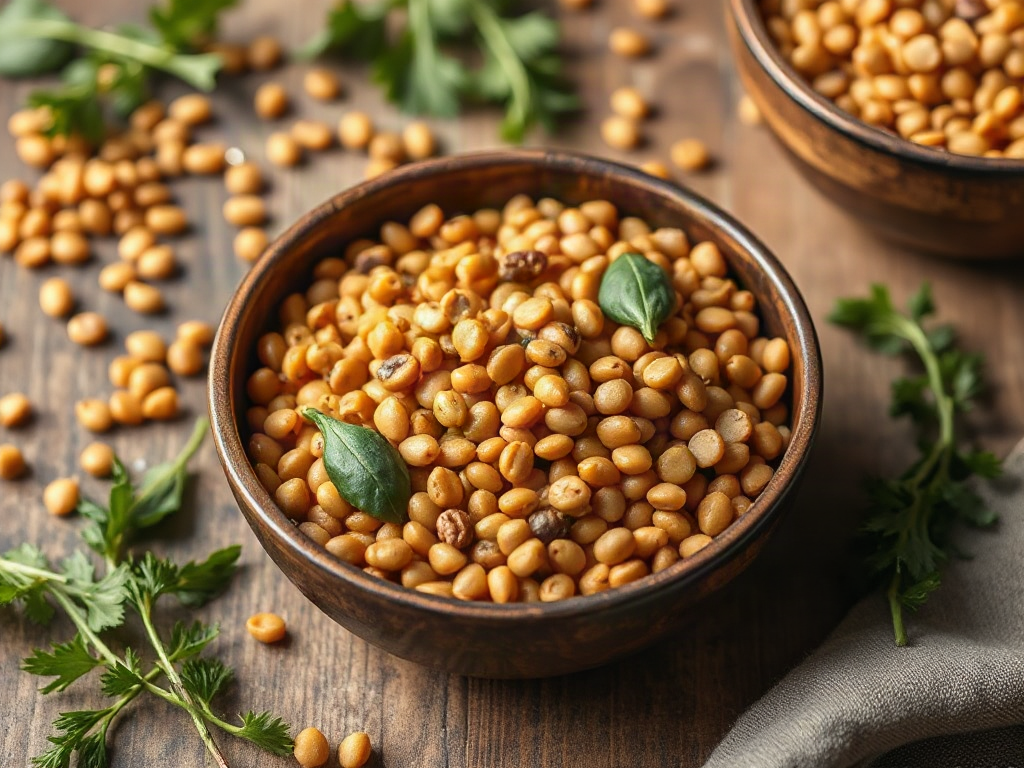
Lentil nutrition as an affordable source of plant protein comes from a combination of protein, fiber, iron, folate, and slow-digesting carbohydrate in a low-cost whole food. A cooked serving supplies meaningful protein, but lentils are not a complete protein on their own because they provide limited methionine, so pairing them with grains, seeds, dairy, eggs, or another protein source can improve meal balance. Dry lentils usually offer the lowest cost and longest storage, while canned lentils save time but may contain more sodium. Rinsing canned lentils, cooking dry lentils thoroughly, and building meals around realistic portions are more useful than treating them as a perfect one-for-one replacement for every animal protein.
What Lentils Contribute to a Budget-Friendly Protein Pattern
Lentils are useful because they combine several valuable nutrients in one inexpensive staple rather than supplying protein alone. A cooked portion provides plant protein alongside fiber, folate, potassium, iron, and carbohydrate that digests more gradually than many refined starches. That combination makes lentils practical for soups, curries, salads, grain bowls, and meatless fillings where a meal needs both substance and staying power.
The budget advantage is strongest when dry lentils are purchased in larger bags and prepared at home. They do not require soaking in the same way as many larger dried beans, cook in a relatively short time, and store well in a cool, dry cupboard. A pot of brown or green lentils can become several meals, reducing the cost per serving and making it easier to include plant protein regularly rather than occasionally.
Affordability does not mean every lentil product has the same nutritional or practical profile. Plain lentils are different from ready-made lentil soups, seasoned pouches, and canned meals. Prepared products may include substantial sodium, added oil, or a small amount of lentil relative to the package size. Checking the ingredient list and nutrition panel matters more than assuming a lentil label automatically describes a minimally processed food.
Fiber is one reason lentils may feel more filling than a similarly sized serving of a low-fiber starch. It adds bulk and slows digestion, but a sudden jump in portions can cause gas, bloating, or abdominal discomfort. Someone new to legumes may do better with a modest serving several times per week, increasing gradually while drinking enough fluid. Persistent or severe digestive symptoms deserve individual medical advice rather than a forced increase in lentils.
A useful starting point is to treat lentils as the anchor of a meal, not as a magic substitute. A lentil-and-tomato stew with vegetables and whole-grain bread has a different balance from a small scoop of lentils placed beside a large serving of refined rice. The first approach uses their fiber and protein more effectively; the second may leave the meal short on protein and vegetables despite containing lentils.
Readers comparing foods through Lentil nutrition as an affordable source of plant protein should prioritize the total meal: protein amount, fiber, iron-rich ingredients, preparation time, and the product’s sodium level. Cost per package can be misleading when a product produces fewer usable servings than expected.
Protein Quality, Pairings, and Portion Reality
Lentils contain protein, but their amino acid pattern is not identical to that of eggs, dairy, meat, or fish. Like many legumes, they are relatively limited in methionine compared with some other protein foods. That does not make them an inadequate food; it means a varied diet is more useful than asking one ingredient to provide every amino acid in ideal proportions.
Pairing lentils with grains is a familiar approach because foods such as oats, brown rice, corn, and whole-wheat bread contribute amino acids that complement legumes. The combination does not need to be eaten in the same bite or even at the same meal for a varied eating pattern to be useful. A lentil soup at lunch and yogurt, tofu, eggs, or a grain-based meal later can all contribute to the day’s overall protein quality.
Portion size also changes the answer. A small garnish of lentils on a salad contributes less protein than a bowl containing a substantial serving, but increasing the amount may also increase carbohydrate and fiber. People with higher protein needs may need lentils plus another concentrated source, such as Greek yogurt, tofu, tempeh, eggs, fish, or poultry, rather than simply doubling the lentils.
A practical plate might include lentils, quinoa or whole-grain bread, roasted vegetables, and a tahini-lemon dressing. Another option is a lentil chili with beans, tomatoes, peppers, and a modest amount of cheese or plain yogurt. These meals work because they add texture, acidity, and complementary nutrients; they are not dependent on a single “perfect” pairing formula.
A common mistake is to judge protein adequacy from the ingredient name alone. “Lentil crackers,” “lentil chips,” and snack products may contain lentil flour but still be highly refined, low in fiber, or easy to overeat. The better comparison is between the whole food and the actual product: look at protein, fiber, sodium, added fats, and the serving size that you will realistically consume.
People following a vegetarian or vegan pattern should vary legumes, grains, soy foods, nuts, seeds, and fortified products rather than relying on lentils at every meal. Anyone managing kidney disease, a medically prescribed diet, digestive disease, or a nutrient deficiency should adapt portions and food choices with a qualified clinician. Lentils can fit many diets, but they are not a treatment for a medical condition.
Dry Versus Canned Lentils: Cost, Convenience, and Sodium
Dry lentils usually offer the best combination of low cost, storage life, and control over ingredients. Sort them for small stones or debris, rinse them, and simmer them in fresh water until tender. Green and brown lentils generally hold their shape, while red lentils break down more readily and are useful for dal, thick soups, and sauces. Cooking time varies with age, variety, and water conditions, so tenderness is a better test than a rigid timer.
Canned lentils solve a different problem: they reduce preparation time. They are useful for a quick salad, weeknight soup, or emergency pantry meal, particularly when someone is more likely to eat a nutritious option if it is ready immediately. Draining and rinsing can remove some surface sodium, although it does not turn every canned product into a low-sodium food. Labels still deserve attention, especially for seasoned lentils and prepared soups.
The tradeoff is not simply cheap versus expensive. Dry lentils require fuel, cookware, planning, and refrigeration for leftovers. Canned lentils cost more per ready-to-eat portion but may prevent food waste and take minutes to use. For a person with limited kitchen access, a slightly higher cost may be worthwhile. For a household cooking several meals at once, dry lentils may provide better value.
Storage and food safety affect the practical calculation. Cooked lentils should be cooled and refrigerated promptly in shallow containers, then used within a reasonable period or frozen for later meals. Bulging, leaking, badly damaged, or unusually foul-smelling cans should not be used. Reheating should bring the food to a safe serving temperature without repeatedly warming and cooling the same container.
The weakest assumption is that dry is always nutritionally superior. Plain canned lentils and home-cooked lentils can both be sensible choices; the main differences are often sodium, texture, cost, and convenience. Likewise, a dry product that remains forgotten in the cupboard has less value than a canned product that becomes a balanced dinner.
- Choose dry lentils when minimizing cost and cooking several portions are the priority.
- Choose plain canned lentils when speed, small-batch cooking, or limited kitchen time matters most.
- Choose prepared products cautiously when sodium, added oils, and portion size are concerns.
That decision framework makes lentils more sustainable in real life than a blanket rule about one preparation method.
Building Satisfying Lentil Meals Without Nutrient Blind Spots
A satisfying lentil meal needs more than a high-fiber base. Add vegetables for volume and color, a grain or starchy food when the meal needs more energy, and a source of fat or a flavorful sauce to improve texture and enjoyment. Acidic ingredients such as lemon juice, vinegar, or tomatoes can brighten lentils and reduce the need for excessive salt. Herbs, spices, garlic, ginger, and chile also make repetition less tiring.
Iron deserves practical attention, particularly for people who eat little or no meat. Lentils contain non-heme iron, whose absorption is affected by the rest of the meal and by individual factors. Vitamin C-rich foods such as bell peppers, citrus, tomatoes, broccoli, or cabbage can be useful companions. Tea and coffee consumed with a meal may reduce absorption of non-heme iron for some people, so someone concerned about iron status should discuss the full diet and laboratory results with a clinician rather than relying on lentils alone.
Consider a low-cost weekly pattern: red lentil dal with tomatoes and spinach, brown lentil tacos with cabbage and corn, and a cold lentil salad with cucumbers, parsley, lemon, and whole-grain bread. The same staple appears in different textures and flavor profiles, while vegetables and complementary foods change the nutrient mix. This approach is more realistic than preparing a large pot and expecting to enjoy the identical dish every day.
Texture can determine whether a lentil meal works. Undercooked lentils remain hard and may be unpleasant; overcooked lentils can become watery unless the dish is intended to be a stew or dal. Salting, acidity, and ingredients such as tomatoes may affect how quickly legumes soften, so cooking them until tender before adding strongly acidic components can be useful. If a dish tastes flat, adding salt is not the only option: acid, toasted spices, fresh herbs, or a creamy topping may solve the problem more effectively.
Another failure mode is building a meal that is technically plant-based but nutritionally narrow: lentils, white rice, and a salty sauce with few vegetables. It may be inexpensive, but it can lack variety and become unsatisfying. Add frozen vegetables, canned tomatoes, carrots, cabbage, or seasonal produce according to price. Frozen and canned vegetables can be practical choices when fresh produce is costly or spoils before it is used.
Use Lentil nutrition as an affordable source of plant protein as a planning lens, then check whether each meal has a credible protein portion, a source of produce, enough energy for the person eating it, and a preparation method that will actually be repeated. The best plan is the one that remains affordable, digestible, and appealing over time.
Frequently Asked Questions
Are lentils a good source of plant protein?
Yes. Lentils provide meaningful plant protein along with fiber and several micronutrients. People with higher protein needs may still benefit from adding tofu, soy foods, dairy, eggs, fish, meat, nuts, or seeds.
Do lentils contain all essential amino acids?
Lentils contain all essential amino acids but provide relatively less methionine than some animal proteins. Eating a varied diet with grains, soy, seeds, dairy, eggs, or other protein foods can improve overall amino acid balance.
Are canned lentils as healthy as dry lentils?
Plain canned lentils can fit a nutritious diet and are often more convenient. Compare sodium, drain and rinse them when appropriate, and choose products with simple ingredients when possible.
How can lentils cause less digestive discomfort?
Begin with modest portions, increase intake gradually, rinse canned lentils, and cook dry lentils until fully tender. Persistent or severe symptoms should be discussed with a healthcare professional.
What foods pair well with lentils?
Whole grains, tomatoes, peppers, leafy greens, cabbage, yogurt, tofu, eggs, seeds, and citrus work well. Combining lentils with vegetables and a flavorful sauce can improve both nutrient variety and satisfaction.
Conclusion
Lentils earn their place as an affordable plant-protein staple because they offer protein, fiber, iron, folate, and useful meal versatility at a manageable cost. Prioritize the form that fits your routine: dry lentils for maximum economy, plain canned lentils for speed, and prepared products only after checking sodium and serving details. Build meals rather than isolated portions by adding vegetables, grains or other complementary foods, and flavor from herbs, spices, acid, or a modest amount of fat. Increase portions gradually if legumes are new to your diet, and do not assume lentils alone will meet every protein or iron need. A rotating pattern of lentils, other legumes, soy foods, grains, seeds, and animal or dairy foods where appropriate provides a more reliable foundation than depending on one ingredient.