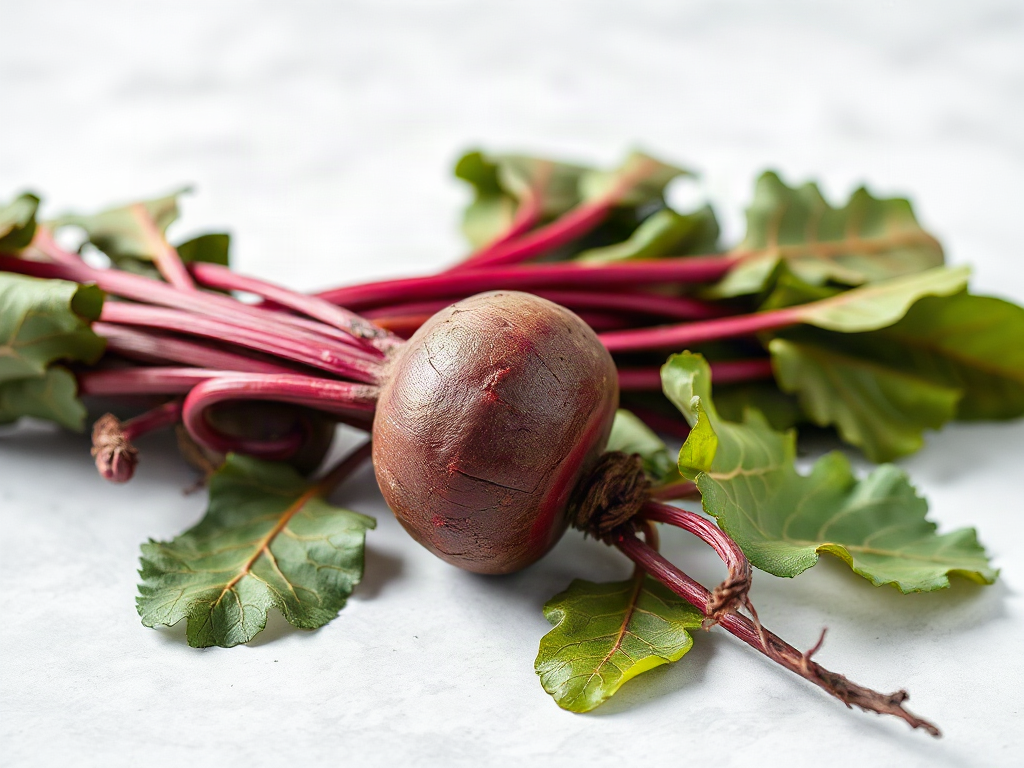
Organic beetroot benefits are closely tied to its nitrate content, which oral bacteria convert into nitrite and the body can further convert into nitric oxide, a signaling molecule involved in blood-vessel function and exercise efficiency. Beetroot also supplies betalain pigments, folate, potassium, and fiber when eaten whole. Nitrate levels vary with cultivar, soil, growing conditions, storage, and processing, so an organic label does not guarantee a higher concentration. Whole beets suit meals and provide fiber, while standardized juice or powder is more practical when nitrate timing matters.
How Does Beetroot Nitrate Work in the Body?
Beetroot is notable because it combines dietary nitrate with fiber, micronutrients, and red-purple betalain pigments. After nitrate is absorbed, part of it returns to the mouth through saliva. Bacteria on the tongue reduce nitrate to nitrite, which can subsequently contribute to nitric oxide formation. Nitric oxide participates in blood-vessel signaling and helps regulate how oxygen and energy are used during physical activity.
This pathway explains why beetroot is frequently studied in relation to blood pressure and exercise. The likely effect is not comparable to a stimulant that creates an immediate feeling of energy. When a response occurs, it may appear as a modest change in exercise economy, tolerance of sustained work, or vascular measurements. Training status, habitual diet, baseline blood pressure, dose, product composition, and timing can all influence the outcome. A person doing a steady cycling session may notice a different result from a highly trained sprinter whose performance is already tightly optimized.
Beetroot’s other components deserve separate consideration. Whole cooked beetroot provides fiber that supports bowel regularity and makes the vegetable more filling than filtered juice. Folate contributes to normal cell division, while potassium is involved in fluid balance and muscle function. Betalains have antioxidant properties in laboratory settings, but that does not establish beetroot as a treatment for inflammation or disease. Its most defensible role is as a nutrient-dense vegetable that can also provide a meaningful source of nitrate.
A common mistake is treating nitrate as inherently harmful because cured meats may contain nitrate or nitrite. Food context matters. Beetroot is not nutritionally equivalent to processed meat: it contains vitamin C, pigments, fiber, and no heme iron. At the same time, a natural source should not be assumed to produce unlimited benefit. More concentrated juice can add carbohydrate and may lower blood pressure enough to matter for someone already using medication.
Oral care can also affect the nitrate pathway. Strong antiseptic mouthwash may suppress the bacteria involved in converting nitrate to nitrite. That does not mean routine dental hygiene should be abandoned; it means people using beetroot for a time-specific nitrate effect should avoid changing medically or dentally recommended care without professional advice. The practical priority is to view beetroot as food first and any performance effect as variable rather than guaranteed.
Does Organic Beetroot Contain More Nitrate?
Organic certification describes how a crop was produced; it does not certify a particular nitrate concentration. The nitrate level in a beet can change with variety, nitrogen availability, sunlight, temperature, water conditions, maturity at harvest, and post-harvest handling. Two organic batches grown under different conditions may therefore differ more from each other than an organic and conventional batch grown in similar soil and weather.
Plant nitrate accumulation reflects the balance between nitrate uptake and its use for growth. Fertility practices matter, but the simple assumption that conventional fertilizer always produces more nitrate is unreliable. Organic farms also supply nitrogen through approved materials and soil-management systems. Low light or rapid nitrogen uptake can leave more nitrate stored in plant tissues regardless of the production label. Without batch testing, a shopper cannot determine nitrate content from appearance, color intensity, price, or certification alone.
The organic label can still guide a purchasing decision when farming method, restrictions on synthetic pesticides, or environmental preferences are priorities. It should not be used as a shortcut for predicting stronger exercise effects or greater nitric oxide production. For everyday meals, freshness, flavor, affordability, and willingness to eat the vegetable regularly may matter more than an unverified difference in nitrate.
Use a different standard when the goal is a repeatable nitrate intake. A packaged beetroot juice or concentrated product that declares nitrate per serving offers more decision value than a product listing only beetroot weight. Terms such as “beet-powered,” “natural nitric oxide,” or “performance blend” do not reveal the actual dose. Some powders are made from whole beet and retain more fiber, while others are juice powders; the same scoop size does not make them nutritionally equivalent.
A sensible label check focuses on four points:
- Form: whole-beet powder, juice powder, concentrated juice, or mixed formula.
- Declared nitrate: a quantified amount is more useful than beetroot grams alone.
- Added ingredients: check sweeteners, sodium, caffeine, and other active compounds.
- Serving reality: compare the stated serving with the amount a person will actually consume.
The frequent failure mode is paying a premium for organic powder while assuming it is automatically standardized. Organic status and nitrate verification answer different questions. Choose organic for production-method preferences; choose tested or quantified products when consistency is the central requirement.
Whole Beets, Juice, or Powder: Which Form Fits the Goal?
Whole beetroot is usually the strongest choice for routine food use, whereas juice and powder offer convenience and concentration. Roasted, steamed, or grated raw beets add fiber and volume to meals. They pair well with lentils, leafy greens, citrus, yogurt, walnuts, or whole grains, creating a meal that delivers more than nitrate alone. Canned or vacuum-packed beets can also be practical, although labels should be checked for added sodium, sugar, or vinegar according to the intended dish.
Juice is easier to consume before activity because it requires little chewing and is less filling. Its tradeoff is reduced fiber and a more concentrated carbohydrate load than an equivalent eating occasion built around whole vegetables. A recreational runner might prefer a labeled beetroot shot before a planned event, while someone improving everyday diet quality may gain more from adding roasted beets to lunch several times a week. Neither format is universally superior; each solves a different problem.
Powder is portable and stores well, but product differences are substantial. Whole-beet powder may contribute fiber yet contain less predictable nitrate per spoonful. Concentrated juice powder can be easier to mix into water or a smoothie, although moisture, storage conditions, and manufacturing influence stability. A vivid red color does not establish potency because pigments and nitrate are separate constituents.
| Beetroot form | Best suited to | Main advantage | Limitation to check |
|---|---|---|---|
| Whole cooked or raw beet | Meals and regular vegetable intake | Fiber, texture, and food volume | Nitrate amount is rarely quantified |
| Beetroot juice or shot | Convenient, time-specific use | Concentrated and easy to consume | Less fiber; nitrate may not be stated |
| Beetroot powder | Travel, storage, and mixing | Portable and versatile | Whole-beet and juice powders differ |
| Pickled beetroot | Ready-to-eat meals | Longer storage and strong flavor | Sodium and added sugar vary |
Cooking does not make beetroot nutritionally worthless, but preparation can shift what remains in the serving. Boiling may move water-soluble compounds into the cooking liquid, especially when beets are cut into small pieces. Roasting or steaming limits that loss because the liquid is not discarded. If boiling is preferred, cooking beets whole or reusing the liquid in soup reduces waste. Excessively long storage, repeated reheating, or leaving prepared juice exposed to heat and light is less practical than preparing a manageable amount.
The best sign that a format is working for everyday nutrition is simple: it fits meals without displacing protein, varied vegetables, whole grains, or other needed foods. If juice causes stomach upset, feels too sweet, or becomes an expensive daily obligation, whole beetroot or a smaller serving may be the more sustainable choice.
How Should Beetroot Be Used in Practice?
Beetroot use should match the purpose rather than follow a single universal schedule. For general nutrition, it can be treated like another colorful vegetable and rotated with carrots, leafy greens, squash, and cruciferous vegetables. For a time-specific exercise goal, research protocols commonly place nitrate-containing beetroot before activity, but products differ enough that timing without a declared nitrate amount is imprecise. Following the manufacturer’s serving directions is safer than multiplying scoops in pursuit of a stronger effect.
Begin by checking tolerance on an ordinary training day rather than immediately before an important event. Concentrated juice can cause nausea, cramping, reflux, or loose stools in some people. A successful trial means the serving is comfortable, fits the pre-exercise meal plan, and does not interfere with hydration. A failed trial includes gastrointestinal symptoms, dizziness, or reliance on escalating amounts despite no clear practical benefit.
Red or pink urine and stool can occur after eating beets, a harmless phenomenon often called beeturia. The color can nevertheless be alarming, and persistent discoloration without recent beet intake should not automatically be attributed to food. New symptoms, pain, weakness, or suspected blood warrant medical assessment rather than self-diagnosis.
Several situations call for extra caution. Beetroot contains oxalate, which may be relevant to people advised to limit high-oxalate foods because of certain kidney stones. Its potassium can matter in advanced kidney disease or when a clinician has prescribed a potassium restriction. Because nitrate-rich products may lower blood pressure in some users, anyone taking antihypertensive drugs, experiencing low blood pressure, or combining multiple nitric-oxide-related products should discuss concentrated use with a qualified clinician or pharmacist.
A practical sequence keeps the decision proportionate:
- Define the goal. Choose whole beets for food quality or a quantified product for repeatable nitrate use.
- Read the full label. Check nitrate disclosure, serving size, sweeteners, sodium, caffeine, and storage instructions.
- Test a normal serving. Record digestive comfort and any relevant exercise or blood-pressure response without changing prescribed treatment.
- Reassess value. Continue only if the format is affordable, tolerable, and useful for the stated goal.
The weak approach is assuming that a larger dose, darker product, or organic certification guarantees a better outcome. Consistency, verified composition, tolerability, and the broader diet provide more reliable decision points. Beetroot can complement training and balanced meals, but it should not replace medical care, prescribed medication, or a varied pattern of vegetables.
Frequently Asked Questions
Is organic beetroot higher in nitrate than conventional beetroot?
Not necessarily. Variety, nitrogen supply, weather, light, harvest maturity, and storage can influence nitrate, while organic certification does not specify a nitrate level.
Does cooking reduce beetroot's nitrate content?
Some nitrate can move into cooking water because it is water-soluble. Steaming, roasting, or using the boiling liquid in a dish may retain more than boiling chopped beets and discarding the water.
Is beetroot juice better than eating whole beets?
Juice is convenient and concentrated, but whole beets provide more fiber and food volume. Choose juice for practical, time-specific use and whole beetroot for regular meals.
Why does urine sometimes turn pink after eating beetroot?
Beet pigments can cause temporary pink or red urine or stool. Unexplained, persistent, or painful discoloration should be medically assessed rather than assumed to come from food.
Who should be cautious with concentrated beetroot products?
People with low blood pressure, relevant kidney conditions, oxalate-related stone advice, potassium restrictions, or blood-pressure medication should seek individualized guidance before regular concentrated use.
Conclusion
Beetroot’s practical value comes from combining a nitrate-rich food pathway with fiber, folate, potassium, and distinctive plant pigments. Organic certification may align with farming preferences, but it does not establish how much nitrate a beet or powder contains. Use whole beets when meal quality, fiber, and affordability lead the decision; consider a product with quantified nitrate when consistency and exercise timing are the priority. Check the complete ingredient panel, test concentrated formats on a low-stakes day, and avoid treating color or serving size as proof of potency. Anyone managing low blood pressure, kidney disease, oxalate-related stones, potassium restriction, or relevant medication should obtain clinical guidance. The most useful next step is to define the goal first, then choose the simplest tolerable form that supplies clear nutritional value without displacing a varied diet.