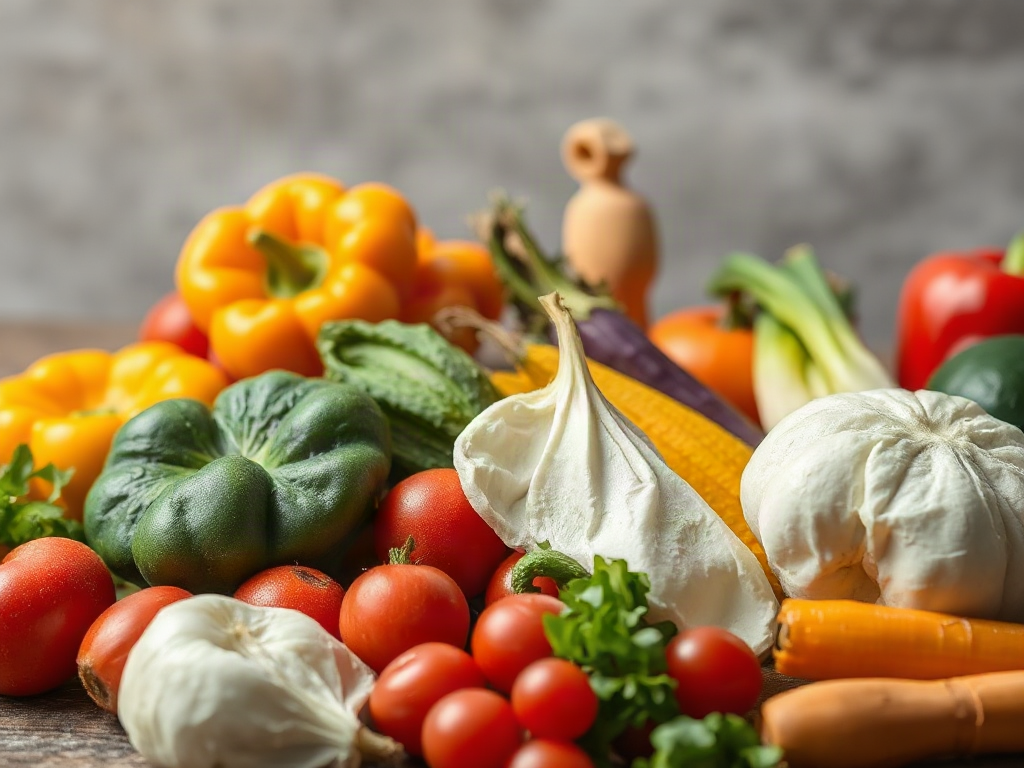
Use organic vegetables for freezer meal preparation by matching each vegetable to the right pretreatment, cooling it completely, and packaging it with minimal air before freezing. Blanch broccoli, green beans, carrots, and similar vegetables to slow quality loss, while onions and peppers can often be frozen raw for cooked dishes. Remove excess moisture to reduce ice crystals, and slightly undercook vegetables that will be reheated in soups, casseroles, or stir-fries. Freeze meal components in practical portions, label them with dates and reheating notes, and avoid vegetables such as raw lettuce or cucumbers when their crisp texture is essential.
Which Organic Vegetables Freeze Well?
Vegetables with firm cell structure and a planned cooked use are usually the most dependable freezer-meal ingredients. Broccoli, cauliflower, carrots, peas, corn, green beans, spinach, kale, bell peppers, onions, winter squash, and sturdy mushrooms can all work, but they do not require identical preparation. Their eventual role in the meal matters as much as the vegetable itself.
Freezing forms ice crystals inside plant tissue. As those crystals develop, they disrupt cell walls, which is why a thawed vegetable is commonly softer than a fresh one. That change is less noticeable in a curry, soup, pasta sauce, casserole, or blended filling than in a dish that depends on raw crunch. A frozen bell pepper may lose the snap expected in a salad but still provide color and flavor in fajita filling.
Water content offers a useful first screening tool. Lettuce, cucumbers, raw radishes, and some fresh tomatoes tend to become limp or watery after thawing. They are not necessarily unusable: tomatoes can be frozen for sauces, while thawed cucumbers may suit a blended preparation rather than a crisp side. The mistake is expecting the freezer to preserve every fresh texture unchanged.
Choose produce that is firm, sound, and near the ripeness you would use for cooking. Freezing does not reverse wilting, decay, or excessive maturity. A crowded freezer-meal session can tempt cooks to trim questionable spots and proceed, but extensive softness, mold, or off odors are reasons to discard the item. Minor cosmetic irregularities are different from deterioration and can often be trimmed away.
The organic label concerns how the produce was grown and handled under applicable certification standards; it does not change the physics of freezing. Organic carrots and conventionally grown carrots soften for the same structural reasons. Select organic produce when it matches your purchasing priorities, then judge freezer suitability by freshness, variety, intended dish, and preparation method. Paying more for a delicate vegetable that performs poorly in a frozen meal may provide less practical value than choosing a sturdy seasonal crop.
A useful planning test is to picture the reheated plate. For a minestrone, carrots, green beans, spinach, and tomatoes tolerate softening well. For a grain bowl that needs contrast, freeze the cooked grain and roasted vegetables but add fresh cabbage, herbs, or cucumber after reheating. Separating frozen and fresh components preserves the convenience of meal preparation without asking one storage method to do every job.
How Should Vegetables Be Prepared for Freezing?
Preparation should control enzyme activity, surface moisture, piece size, and cooking stage before anything enters the freezer. Begin by washing vegetables under clean running water, trimming damaged portions, and cutting pieces to a consistent size. Even pieces cool and reheat at similar rates; mixed large and small chunks often produce a meal with some pieces mushy and others still firm.
Many firm vegetables benefit from blanching, a short exposure to boiling water or steam followed by rapid cooling. The treatment slows enzyme activity that can otherwise degrade color, flavor, and texture during frozen storage. Broccoli florets, green beans, peas, carrots, and cauliflower are common candidates. Blanching is not the same as fully cooking: the goal is a brief pretreatment, not a tender finished vegetable.
Exact blanching time varies with the vegetable, piece size, and whether water or steam is used. A recognized home-food-preservation resource should be consulted for crop-specific timing rather than relying on one universal number. Starting the timer before the water returns to an active boil, overloading the pot, or guessing based only on color can give inconsistent results.
After blanching, move the vegetables promptly into very cold water to stop carryover cooking. Drain them thoroughly and blot or air-dry the surfaces. Residual water becomes surface ice, encourages pieces to freeze together, and can dilute a finished sauce. A salad spinner can remove water from leafy greens, while towels work well for florets and sliced vegetables.
Not every ingredient needs blanching. Chopped onions and bell peppers are often frozen raw when destined for cooked dishes. Roasted squash, sautéed mushrooms, and wilted spinach may be prepared as recipe components instead. The right comparison is not raw versus blanched in isolation; it is which treatment suits the final meal. Raw peppers are efficient for chili, whereas briefly sautéing mushrooms first reduces the amount of liquid they release into a casserole.
A compact preparation sequence keeps quality problems visible:
- Inspect and wash: remove soil, tough stems, and deteriorated areas.
- Cut evenly: size pieces for the meal in which they will be used.
- Pretreat appropriately: blanch, roast, sauté, or leave raw according to the vegetable and recipe.
- Cool completely: prevent trapped steam and continued cooking.
- Dry and portion: limit surface ice and package only what one meal needs.
Skipping the cooling stage is a frequent failure point. Warm vegetables create condensation inside the container and can warm nearby frozen food. If a tray still gives off steam or feels warm in the center, it is not ready to package. Properly prepared pieces should look bright, feel cool, and remain separate rather than sitting in a pool of liquid.
Building Freezer Meals With Better Texture
Successful freezer meals are designed around reheating, not merely assembled from leftovers. Vegetables continue to soften when a frozen dish is heated, so ingredients that are already fully tender before freezing may become pasty later. Slightly undercooking sturdy vegetables often leaves a better margin for the final bake, simmer, or microwave cycle.
Different vegetables release different amounts of water. Spinach, mushrooms, zucchini, and tomatoes can thin sauces or create liquid around a casserole. Cooking these ingredients down before assembly, draining wilted greens, or keeping a sauce slightly thicker can compensate. By contrast, carrots and green beans may need some pretreatment so they do not remain disproportionately firm beside quicker-cooking ingredients.
| Vegetable or Group | Useful Preparation | Suitable Freezer-Meal Uses | Main Quality Risk |
|---|---|---|---|
| Broccoli, cauliflower, green beans | Briefly blanch, cool, and dry | Casseroles, soups, pasta bakes | Overcooking during reheating |
| Onions and bell peppers | Freeze raw or briefly sauté | Chili, fajita filling, sauces | Loss of raw crispness |
| Spinach and kale | Blanch or wilt, then drain well | Lasagna, soups, egg dishes | Excess water in the meal |
| Winter squash | Roast or steam; cube or mash | Curries, soup bases, side dishes | Soft texture after thawing |
| Zucchini and mushrooms | Sauté to reduce moisture | Sauces, bakes, cooked fillings | Watery or spongy results |
Meal format changes what works. A vegetable soup can accommodate softer pieces and some released liquid. A stir-fry needs more separation and a shorter final cooking time. For stir-fry kits, freeze dry, prepared vegetables in a thin layer first, then transfer them to a container so portions remain loose. Keep sauce separate when possible; coating everything before freezing may draw out moisture and make the vegetables steam rather than sear.
For casseroles, cool the cooked components before assembly and avoid burying delicate vegetables under a long reheating schedule. Broccoli added fully cooked to a frozen pasta bake may deteriorate by the time the center is hot. Blanched florets or smaller quantities added near the end can give a more balanced result. For curries, sturdy cauliflower, peas, carrots, and cooked squash generally integrate more predictably than raw cucumber or lettuce.
Nutrition should be considered in the context of the complete meal rather than used as a promise that freezing makes one vegetable inherently healthier. Vegetables contribute combinations of fiber, vitamins, minerals, and plant compounds, while preparation and storage can affect individual nutrients differently. Variety is a more practical priority than attempting to optimize a single compound. Pair the vegetables with a protein source, a grain or other starch when desired, and a sauce whose salt and richness fit the eater’s needs.
A trial portion is worthwhile before preparing a dozen identical meals. Freeze one serving, reheat it using the intended method, and check for pooled liquid, uneven heating, excessive softness, or a dull flavor. That small test reveals recipe-specific problems that a general freezing rule cannot predict.
How Should Freezer Meals Be Packaged, Stored, and Reheated?
Packaging should limit air exposure while matching the size and shape of the planned serving. Rigid freezer-safe containers protect casseroles and saucy meals, while freezer bags are space-efficient for soups, chopped vegetables, and flat meal components. Thin retail produce bags and loosely covered bowls provide little protection from drying and odor transfer.
Portion size is an operational decision, not a cosmetic one. A large solid block takes longer to thaw and encourages repeated handling when only one serving is needed. Individual or household-size portions allow the cook to remove exactly what will be eaten. Leave appropriate room for foods that expand, especially liquids, but press excess air from flexible bags before sealing.
Labels should identify the meal, packaging date, major components, and reheating needs. “Vegetable curry—add coconut milk after heating” is more useful than “dinner.” If a family member has a food allergy or dietary restriction, identify relevant ingredients clearly rather than relying on memory. Rotate older packages forward and keep a simple freezer inventory when batches are large.
Freezer burn appears as dry, discolored areas caused by moisture loss and air exposure. It usually signals a quality problem rather than a reason to assume the entire meal is unsafe, but severe drying can make vegetables tough or flavorless. Repackaging is needed when seals fail, frost accumulates inside a bag, or the container is cracked. A package that repeatedly softens because of freezer temperature fluctuations deserves closer scrutiny than one that has remained solidly frozen.
Reheating method should fit the dish. Soups and stews can often move into a saucepan and heat gradually with stirring. Casseroles need enough time for the center to heat, so shallow pans are easier to manage than very deep ones. Stir-fries perform better with high heat and limited crowding; thawed vegetables sitting in a cool pan release water and steam. A microwave works well for single portions when the food is stirred or rotated to reduce cold spots.
Do not judge reheating only by a bubbling edge. Dense meals can be hot outside and cool in the center. Follow reliable food-safety guidance for the specific meal, appliance, and ingredients, particularly when meat, eggs, dairy, cooked grains, or other perishable foods are included. Freezer meal quality and food safety are related but not interchangeable: attractive color does not prove safe handling, and a safely frozen meal can still have poor texture.
A working system is showing good results when packages remain tightly sealed, portions separate as intended, reheated sauces are not watery, and vegetables retain enough structure for the dish. Repeated ice buildup, swollen or damaged packaging, unidentified containers, and meals that emerge mushy indicate a process problem. Adjust one variable at a time—pretreatment, moisture removal, cooking stage, package size, or reheating method—so the next batch provides a meaningful comparison.
Frequently Asked Questions
Do organic vegetables need different freezer preparation?
No. Their certified production method does not create a separate freezing process. Prepare them according to vegetable type, freshness, piece size, moisture level, and intended recipe.
Can vegetables be frozen without blanching?
Some can. Onions and peppers are commonly frozen raw for cooked meals, while many firm vegetables retain better quality after crop-specific blanching. The final dish should determine the method.
Should frozen vegetables be thawed before adding them to a meal?
Not always. Soups and simmered sauces can often accept vegetables from frozen. Stir-fries and baked dishes may need method adjustments to prevent excess water or uneven heating.
Why do homemade frozen vegetables become watery?
Common causes include inadequate draining, packing food while warm, freezing moisture-rich vegetables raw, and thawing them slowly before high-heat cooking. Drying or precooking can reduce the problem.
Can fresh and frozen vegetables be combined in one meal?
Yes. Freeze sturdy cooked components, then add crisp vegetables, herbs, or garnishes after reheating. This approach gives the meal both convenience and fresh texture.
Conclusion
Good freezer preparation begins with the finished dish: choose vegetables whose softened texture will suit that dish, then use blanching, sautéing, roasting, or raw freezing accordingly. Consistent cutting, rapid cooling, thorough draining, and low-air packaging have more influence on quality than the organic label alone.
Begin with one or two meals that tolerate texture changes well, such as soup, curry, pasta sauce, or a casserole. Label single-meal portions and test one before expanding the batch. If the result is watery, adjust moisture control; if vegetables are mushy, reduce their initial cooking; if heating is uneven, use shallower portions. A small, repeatable process produces more useful meals than filling the freezer with untested recipes.