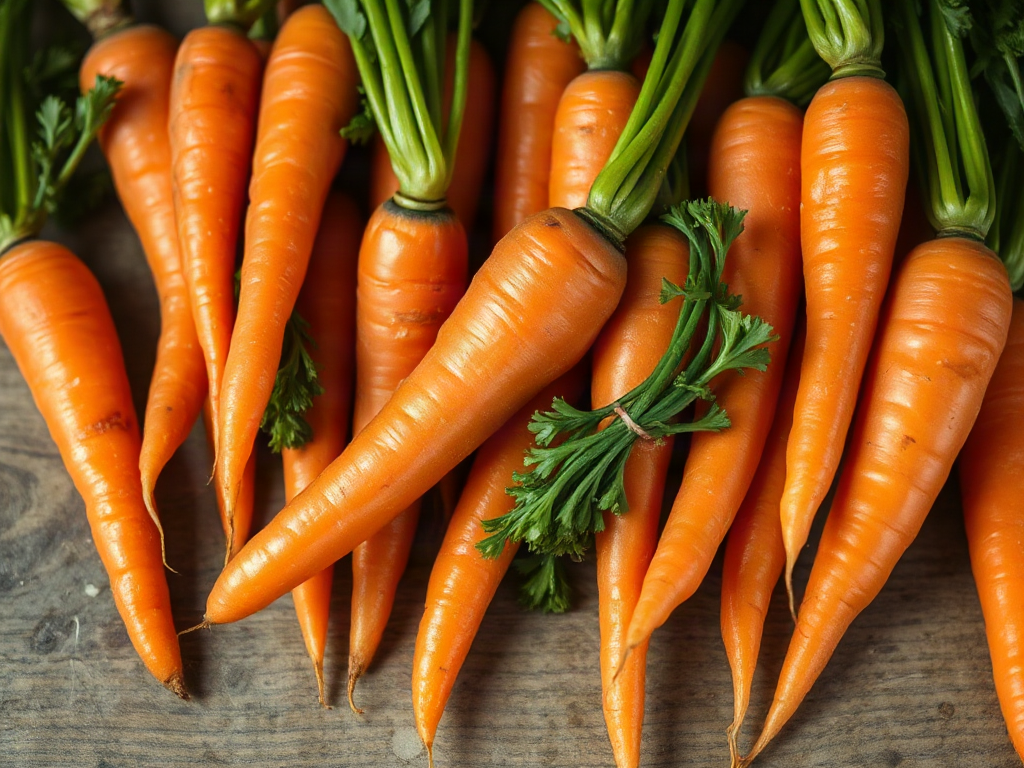
Organic carrots nutrition by preparation method changes mainly through water loss, heat exposure, and whether cooking liquid is discarded. Raw carrots retain their original fiber and water content, steaming softens them with limited nutrient loss, roasting concentrates flavor and calories per bite as moisture evaporates, and boiling can move some water-soluble nutrients into the cooking water. Carrot beta-carotene remains valuable after cooking, while added oil affects energy density more than the carrot itself. Choose raw carrots for crunch, steaming for a gentle cooked option, roasting for concentrated flavor, and boiling when the liquid will become part of a soup or puree.
How Preparation Changes Carrot Nutrition
Preparation changes the physical structure, water content, texture, and flavor of carrots more than it changes their basic identity as a nutrient-dense vegetable. A raw carrot contains water, fiber, natural carbohydrate, potassium, and carotenoids, including beta-carotene. Cutting, heating, and adding ingredients then alter how those nutrients are distributed in the finished serving. The carrot remains the main source of nutrition, but the cooking method determines whether a serving is crisp and bulky, soft and easy to eat, or concentrated and paired with added fat.
Water is the first variable to watch. Boiling exposes cut carrots to a large volume of water, so some water-soluble compounds may move into the cooking liquid. Steaming uses much less direct contact with water and generally preserves the carrot’s shape and flavor. Roasting removes moisture, which makes the finished pieces taste sweeter and can make a plate contain more carrot per forkful. That does not mean roasting creates more carrot nutrients; it means the remaining solids are less diluted by water.
Heat also softens plant cell walls. Softer carrots may be easier to chew and digest for some people, while raw carrots provide a firmer texture that slows eating and works well in salads or snack portions. A useful comparison is raw versus steamed: raw is not automatically more nutritious in every respect, and steamed is not automatically a major nutrient loss. The better choice depends on the nutrient, cooking time, amount of water, and whether the liquid is eaten.
Organic certification does not change these cooking principles. Organic carrots are grown under organic production standards, but their nutrition still varies with cultivar, maturity, storage, portion size, and preparation. Washing carrots under running water remains sensible whether they are organic or conventionally grown. For a broader comparison, see Organic carrots nutrition by preparation method when deciding how a cooking technique fits your usual meals.
Raw, Steamed, Roasted, and Boiled Carrots Compared
Raw carrots preserve their natural water content and firm fiber structure. A sliced carrot can add crunch to a salad, grain bowl, or lunch container without requiring oil or cooking time. Raw preparation is especially useful when the goal is a filling, low-energy-density side that can be eaten with hummus, yogurt-based dip, or a bean spread. The limitation is practical: whole raw carrots may be harder to chew, and some people eat a smaller amount because the texture is less compatible with their meal.
Steaming is often the most balanced cooking method for everyday use. It softens the carrot without submerging it, so there is less opportunity for nutrients and flavor compounds to disperse into water. Short steaming usually produces a tender-crisp texture; longer steaming creates a softer vegetable suitable for young children, older adults, or purees. The common failure is overcooking. Carrots that become waterlogged and dull may be less appealing, even though they are still a nutritious food.
Roasting changes flavor through moisture loss and surface browning. Carrot wedges tossed with a small amount of oil, pepper, cumin, or herbs can become a substantial side for lentils, chicken, tofu, or whole grains. The oil may help carry fat-soluble carotenoids in the meal, but it also raises the dish’s total energy content. Roasting at a moderate temperature and removing the pieces when tender helps prevent burnt edges and excessive dryness. A heavily oiled tray is not nutritionally equivalent to plain roasted carrots.
Boiling is convenient when carrots are destined for soup, stew, mashed vegetables, or a puree. If the cooking water is discarded, some water-soluble nutrients and flavor may leave with it. If the liquid becomes part of a soup, that tradeoff is reduced because the dissolved compounds remain in the meal. Boiled carrots can therefore be a sensible choice when softness matters or when the cooking broth is retained. The method is less attractive when the desired result is concentrated flavor and a firm texture.
- Raw: best for crunch, portability, and no added cooking fat.
- Steamed: useful for tender texture with limited water contact.
- Roasted: useful for concentrated flavor, with oil and moisture loss to consider.
- Boiled: practical for soft dishes, especially when the cooking liquid is retained.
Beta-Carotene, Fiber, and Nutrient Tradeoffs
Beta-carotene is the nutrient most often associated with carrots, and cooking can change how it is released from the plant matrix. Heat softens the tissues that hold carotenoids, while a small amount of dietary fat in the meal may support their absorption. That does not make cooked carrots universally superior to raw carrots. A raw carrot still contributes beta-carotene, fiber, water, and other plant compounds, and the total eating pattern matters more than treating one preparation as a winner.
The useful distinction is between nutrient concentration and nutrient availability. Roasting reduces water, so the finished carrot may taste more intense and provide more solids in a given volume. Boiling may move some compounds into water, while steaming limits that contact. A soup made with boiled carrots can retain what would otherwise be discarded, whereas drained boiled carrots cannot. These differences are real but should not be exaggerated into claims that one method eliminates the nutritional value of another.
Fiber is generally retained in the carrot itself, although cooking softens its structure and changes the way the food feels in the digestive system. Peeling is optional when carrots are scrubbed well; peeling removes a thin outer layer and may reduce some fiber and plant compounds, but unpeeled carrots can carry more surface soil if cleaning is rushed. Chopping before cooking increases exposed surface area, which can affect texture and nutrient movement. Larger pieces generally hold their shape better than thin slices.
Pairing matters as much as the pan. Steamed carrots with tahini, olive oil, avocado, eggs, or a bean-based dish create a meal with some fat and protein rather than an isolated vegetable serving. Roasted carrots glazed with a large amount of syrup still contain carrot nutrients, but the added sugar changes the overall food profile. A practical priority is to preserve the carrot, control added ingredients, and include the finished vegetable in a varied meal. The same principle applies when comparing Organic carrots nutrition by preparation method across different serving sizes.
Choosing a Preparation Method for Real Meals
The best method depends on what the meal needs: speed, texture, storage, flavor, or control of added ingredients. Raw carrots suit packed lunches and quick snacks because they require no cooking and remain useful for several days when stored properly. Steamed carrots work well beside fish, beans, eggs, or grains when a soft, neutral side is needed. Roasted carrots are a stronger choice when the meal needs sweetness and browned flavor without relying on a rich sauce.
A simple decision process prevents nutrition comparisons from becoming unnecessarily complicated. First, decide whether the carrot will be eaten whole or whether its cooking liquid will be retained. Second, choose the texture that makes the vegetable most likely to be eaten. Third, measure added oil, butter, sauces, or sweeteners according to the meal rather than assuming the cooking method alone determines healthfulness. A small amount of oil on a tray of carrots is different from deep-frying or covering the vegetable in a heavy glaze.
For example, a person preparing weekday lunches may steam a batch of carrot coins, cool them promptly, and add them to grain bowls with chickpeas and greens. Someone cooking a family dinner may roast larger wedges with onions and serve them alongside lentils. A person making soup can boil carrots with other vegetables and keep the broth, preserving the practical value of the cooking liquid. Each approach solves a different meal problem; none requires claiming that all other methods are inferior.
Signs that a method is working include a texture people actually enjoy, a portion that remains recognizable as a vegetable, and an ingredient list that fits the rest of the meal. Signs that it needs adjustment include burnt surfaces, watery flavor, excessive oil, or a batch so soft that it is difficult to use in leftovers. Batch size also matters: roasted carrots may dry out when reheated, while steamed carrots can become softer after storage. Cook only as far ahead as your planned meal format supports.
Common Mistakes With Cooked Carrots
The biggest mistake is treating preparation labels as nutritional rankings. Raw, steamed, roasted, and boiled carrots can all fit a balanced diet. The meaningful differences usually come from water loss, cooking-liquid disposal, portion size, and additions such as oil or sweeteners. Calling one method universally best ignores the fact that a person may eat more vegetables when the texture and flavor suit the meal.
Another mistake is boiling small pieces for too long and then discarding the water. Long cooking can produce a soft, faded vegetable, and the liquid may carry away some flavor and water-soluble compounds. Cutting larger pieces, using a shorter cooking time, or turning the cooking liquid into soup can reduce that waste. Steaming is a useful alternative when the goal is tenderness without immersion.
Overlooking portion concentration causes confusion with roasted carrots. A cup of raw carrot pieces contains more water and occupies more volume than the same carrots after roasting. The roasted serving may therefore seem more nutrient-dense by volume, but it is also easier to eat quickly and may contain added oil. Compare portions by the amount of carrot used and the ingredients added, not only by the size of the cooked pile on the plate.
Ultimately, do not assume organic status removes the need for ordinary food handling. Trim damaged areas, wash produce, use clean utensils, and refrigerate cooked carrots rather than leaving them at room temperature for extended periods. Nutrition decisions work best when they are combined with basic preparation safety and a realistic meal plan. For another angle on the topic, Organic carrots nutrition by preparation method can be considered alongside the rest of the vegetables, legumes, grains, and proteins in the dish.
Frequently Asked Questions
Are raw organic carrots more nutritious than cooked carrots?
Not in every respect. Raw carrots retain their water and firm texture, while gentle cooking softens plant tissues and may make carotenoids easier to access. Both forms contribute useful nutrition.
Does roasting carrots destroy beta-carotene?
Roasting does not automatically destroy all beta-carotene. Moderate cooking changes texture and moisture, while excessive heat or burning can damage food quality. Use enough oil to prevent sticking without heavily coating the vegetables.
Is steaming better than boiling for carrots?
Steaming limits direct water contact and preserves a firm texture, so it is often a practical everyday choice. Boiling remains useful for soups, purees, and other dishes where the cooking liquid is retained.
Should carrots be peeled before cooking?
Peeling is optional when carrots are scrubbed thoroughly. Unpeeled carrots retain the outer layer, while peeled carrots may provide a smoother texture. Choose based on cleanliness, preference, and the recipe.
Does adding oil make cooked carrots healthier?
A small amount of fat in a meal may help the body use fat-soluble carotenoids, but oil also adds calories. The practical choice is enough to support cooking and flavor without allowing the added ingredient to dominate the dish.
Conclusion
Organic carrots remain a valuable vegetable whether they are eaten raw, steamed, roasted, or boiled. Raw preparation emphasizes crunch and water content; steaming offers a gentle, low-water cooking method; roasting concentrates flavor while adding moisture loss and possible oil; boiling works best when softness is needed or the cooking liquid becomes part of the meal. Prioritize the method that makes carrots appealing, keeps additions proportionate, and fits the dish. Include some dietary fat when appropriate, avoid overcooking, and compare portions by the original amount of carrot rather than cooked volume alone. A varied pattern that includes both raw and cooked vegetables is more useful than chasing a single supposedly perfect preparation method.