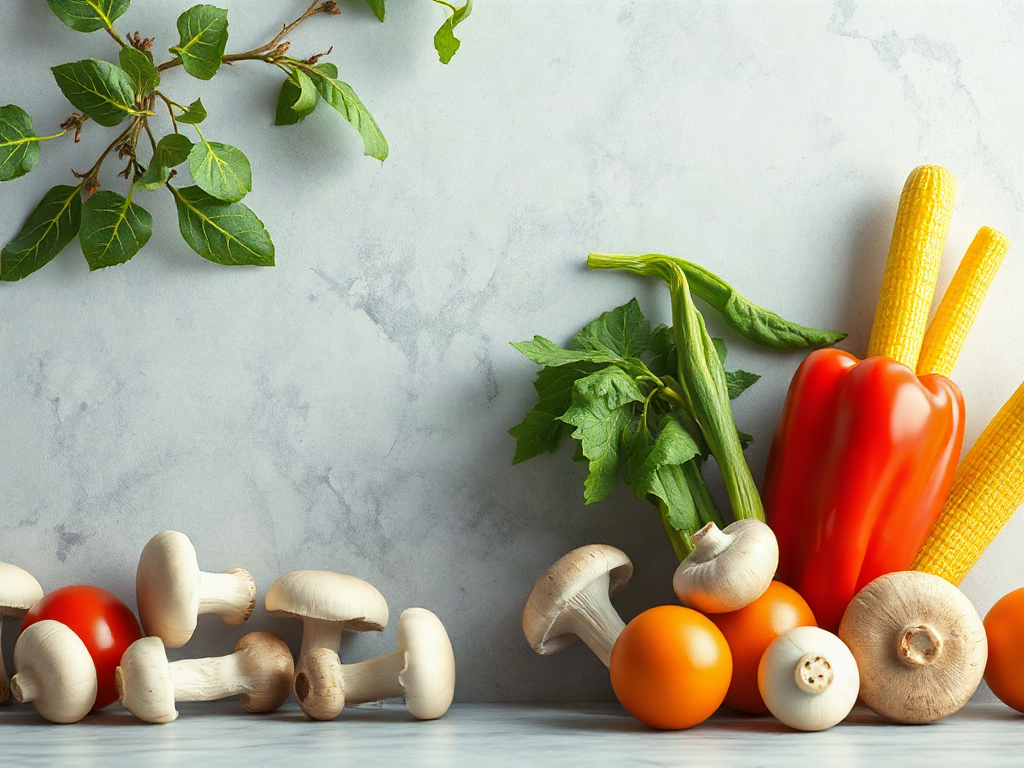
Organic mushrooms and vegetables serve different nutritional roles, so balanced meals benefit from including both rather than treating them as interchangeable. Mushrooms provide B vitamins, copper, selenium, savory flavor, and, when exposed to ultraviolet light, potentially useful vitamin D; colorful vegetables contribute broader amounts of vitamin C, vitamin K, folate, carotenoids, and varied fibers. Neither group supplies much protein or energy on its own, making beans, eggs, fish, tofu, or another substantial food an important addition. Choose mushrooms for texture and umami, then add vegetables from multiple color groups to improve nutrient range, meal volume, and dietary variety.
How Do Their Nutrients Differ?
Mushrooms are fungi, not botanical vegetables, and their nutrient profile reflects that distinction. Common edible types such as white button, cremini, portobello, oyster, and shiitake typically contribute B vitamins, copper, selenium, potassium, and small amounts of protein. They also contain chitin and other structural carbohydrates that differ from the fibers found across leafy greens, roots, peppers, squash, and cruciferous vegetables.
Vegetables cover a much wider nutritional range because the category includes several plant parts. Spinach and kale offer folate, vitamin K, and carotenoids; red peppers and broccoli provide vitamin C; carrots and winter squash contain carotenoid pigments; peas contribute more starch and protein than lettuce or cucumber. A comparison between mushrooms and “vegetables” therefore changes according to the vegetable selected. Mushrooms may contain more copper than a serving of lettuce, for example, but lettuce may contribute nutrients and plant pigments mushrooms do not provide in comparable amounts.
Vitamin D deserves special attention because some mushrooms are exposed to sunlight or controlled ultraviolet light after harvest. That exposure can increase vitamin D content, but the amount is not uniform across every package. Shoppers seeking this feature should check the Nutrition Facts panel or a specific label statement rather than assuming that all organic mushrooms are meaningful vitamin D sources. Organic certification alone does not indicate UV exposure.
Neither category should be treated as a protein substitute simply because mushrooms have a dense, savory texture. A large pan of cooked mushrooms may feel substantial, but it generally does not provide the protein found in beans, lentils, tofu, eggs, fish, poultry, or meat. The same caution applies to most non-starchy vegetables. Their value lies more in micronutrients, fiber, water, flavor, and dietary variety than in supplying the meal’s main protein or energy.
| Meal factor | Mushrooms | Vegetables |
|---|---|---|
| Notable contributions | B vitamins, copper, selenium, umami | Vitamin C, folate, vitamin K, carotenoids, varied fibers |
| Vitamin D | May be notable after UV exposure | Usually not a meaningful source |
| Range within category | Varies by species and production | Varies widely by color and plant part |
| Best meal role | Savory texture and complementary micronutrients | Color, volume, fiber, and broad nutrient variety |
The practical lesson is to compare specific foods and serving forms rather than broad labels. Raw spinach, roasted carrots, frozen peas, and sautéed shiitake mushrooms are nutritionally distinct ingredients. A food database or package label can clarify a nutrient that matters to an individual, but variety remains more useful for routine meal planning than trying to declare one entire category superior.
Which Belongs in a Balanced Meal?
Both belong when flavor, budget, and availability allow, because they fill complementary spaces on the plate. Mushrooms add browned flavor and a chewy or tender bite, while vegetables can supply crispness, sweetness, acidity, color, and a broader mix of plant pigments. Combining them often produces a more satisfying meal than enlarging the portion of either one alone.
Consider a grain bowl made with brown rice, roasted broccoli, sautéed cremini mushrooms, chickpeas, and a lemon-tahini dressing. The chickpeas provide the principal protein and additional fiber; rice supplies carbohydrate; broccoli and mushrooms contribute different micronutrients and textures; the dressing adds fat and helps carry flavor. Removing the chickpeas and doubling the mushrooms would not create an equivalent nutritional structure, even if the bowl still looked abundant.
A practical meal check can focus on four components:
- A substantial protein: beans, lentils, tofu, tempeh, eggs, dairy, fish, poultry, or meat, according to dietary needs.
- At least one colorful vegetable: dark green, red, orange, or another varied choice rather than relying only on pale ingredients.
- Mushrooms when useful: add them for umami, texture, selected minerals, or UV-exposed vitamin D when verified on the label.
- Enough energy: include whole grains, starchy vegetables, bread, noodles, or an appropriate fat if the meal otherwise feels insubstantial.
This structure also exposes a common mistake: judging a meal by vegetable volume alone. A large salad containing lettuce, cucumber, raw mushrooms, and fat-free dressing may offer freshness and micronutrients but leave someone hungry if it lacks protein, carbohydrate, and fat. Adding lentils, an egg, whole-grain bread, and olive-oil dressing changes both nutrient balance and staying power.
Constraints matter. Fresh specialty mushrooms can be expensive, while cabbage, carrots, onions, and frozen mixed vegetables may stretch a food budget further. In that situation, mushrooms can be used as a flavor accent rather than half the plate. A small amount browned with onions can deepen a lentil stew or pasta sauce without displacing affordable vegetables. Conversely, someone who dislikes bitter greens may find that mushrooms make a mixed stir-fry more appealing, increasing the likelihood that the full meal gets eaten.
A sound approach is working when meals contain visible variety, an identifiable protein source, adequate energy, and ingredients the household will actually finish. It is failing when mushrooms are repeatedly used as a symbolic meat replacement without another protein, or when “eat more vegetables” produces oversized but nutritionally incomplete meals.
How Does Cooking Change the Comparison?
Cooking changes water content, texture, flavor, and the amount of food that fits into a serving, which can make comparisons misleading. Mushrooms release substantial moisture and shrink in the pan. Leafy greens collapse even more dramatically, while carrots, peppers, and broccoli retain more visible structure. A cup of cooked food and a cup of raw food therefore do not represent the same starting quantity.
Heat can reduce some heat-sensitive or water-soluble vitamins, especially when vegetables are boiled and the cooking liquid is discarded. Yet cooking is not simply a nutritional loss. It softens plant tissues, makes many ingredients easier to chew, and can improve access to certain compounds. Roasting carrots concentrates sweetness; sautéing mushrooms develops savory flavor; steaming broccoli can preserve a bright texture without leaving it raw. The best method is often the one that balances nutrient retention with palatability and regular use.
Added ingredients may have a larger effect on the final dish than the mushroom-versus-vegetable choice. Mushrooms readily absorb oil, butter, cream, and salty sauces. A restaurant mushroom side covered in butter is not nutritionally equivalent to mushrooms dry-sautéed and finished with a modest amount of olive oil. Vegetables can undergo the same shift when deep-fried, glazed with sugar, or served in a heavy cheese sauce. Those preparations can still fit a varied diet, but the complete recipe—not the produce label—determines the meal’s energy and sodium profile.
For a practical skillet meal, begin by browning mushrooms in a wide pan without crowding them. Crowding traps steam and can leave them pale and watery. Once they have released moisture and developed color, add aromatics and vegetables according to cooking time: firm carrots or stems first, peppers and broccoli next, then tender greens near the end. Add tofu, cooked beans, egg, chicken, or another protein rather than expecting the mushrooms to carry that role.
Signs the method is working include browned mushrooms, vegetables that remain distinct rather than uniformly soft, and seasoning that supports rather than masks the ingredients. Pools of water, excessive oil, or vegetables cooked to the same texture signal a process problem. Frozen vegetables remain useful under time and budget constraints, but they usually perform better when added to a hot pan and not thawed into excess liquid. Frozen mushrooms can soften considerably, making them better suited to soups, sauces, or stews than dishes where a firm bite is the goal.
Food safety also belongs in the preparation decision. Wash or brush away visible soil, keep produce separate from raw animal foods, and refrigerate perishables promptly. Wild mushrooms require a different level of caution: identification mistakes can be dangerous, so supermarket comparisons should not be extended to unidentified foraged fungi.
Does Organic Change Nutritional Value?
Organic describes a regulated production system; it does not guarantee that one mushroom or vegetable will contain more nutrients than a conventionally produced counterpart. Variety, maturity, growing conditions, storage time, handling, and cooking can all influence food quality. The organic seal should therefore be treated as production information, not as a nutritional ranking.
For mushrooms, the most useful package details may be species, freshness, serving information, and whether ultraviolet exposure increased vitamin D. For vegetables, condition and intended use often matter more at the point of purchase. Crisp greens without slimy edges, firm broccoli, sound peppers, and frozen vegetables without excessive clumping are more likely to reach the plate than produce bought for its label but discarded after spoilage.
Organic and conventional foods can both be part of a nutritious meal pattern. A shopper with a limited budget may gain more practical value by buying a greater variety of conventional or frozen vegetables than by spending the same amount on a small selection of organic produce. Someone who prioritizes organic production practices can reserve that budget for foods eaten frequently while still evaluating price, freshness, and waste. The strongest choice is the one that supports repeated consumption without squeezing out protein foods, whole grains, or other meal components.
Do not assume organic means pesticide-free, locally grown, minimally processed, or automatically more sustainable in every circumstance. Those are separate questions involving permitted production inputs, transport, packaging, seasonality, and farming practices. Likewise, washing remains appropriate for organic produce because soil and handling contamination are not erased by certification. Rinsing should not involve soap or household cleaners; clean running water and appropriate trimming are the practical defaults for most fresh produce.
A useful buying order is straightforward: choose foods that fit the planned meals, check freshness, compare unit prices, inspect nutrition labeling when seeking a specific nutrient, and then apply organic preference within the available budget. If UV-exposed mushrooms are being purchased for vitamin D, verify the label rather than relying on appearance. If vegetable diversity is the goal, spread purchases across dark-green, red or orange, legume, starchy, and other vegetable types over time.
The approach is succeeding when most purchases are eaten, meals contain several food groups, and the grocery budget remains workable. It is failing when an organic premium causes the household to buy too little produce, when specialty mushrooms displace needed protein, or when vague health expectations replace attention to the complete meal.
Conclusion
Treat mushrooms as a distinctive meal component rather than a stand-in for every vegetable or for a protein-rich food. Their savory flavor, texture, copper, selenium, B vitamins, and possible UV-related vitamin D complement the vitamin C, folate, vitamin K, carotenoids, and varied fibers available from colorful vegetables.
Build the meal around the full plate: select an identifiable protein, add vegetables from different color groups, use mushrooms where their flavor and texture improve the dish, and include enough carbohydrate or fat for the meal to be satisfying. Check labels when vitamin D is a priority, and judge organic products by production preference, freshness, price, and likelihood of use—not by an assumption of automatic nutritional superiority. A practical next step is to plan one dish that combines mushrooms, a colorful vegetable, and a substantial protein instead of asking either produce category to do every nutritional job.
Frequently Asked Questions
Can mushrooms replace vegetables in a meal?
Mushrooms can replace a vegetable’s culinary volume in some recipes, but not its full nutrient profile. Pair them with colorful vegetables to obtain a broader mix of vitamin C, folate, vitamin K, carotenoids, and fibers.
Are mushrooms a good replacement for meat?
They can replace meat’s texture or savory flavor in tacos, sauces, and stir-fries, but they generally do not provide comparable protein. Combine them with lentils, beans, tofu, eggs, or another protein source.
Do all mushrooms contain vitamin D?
Vitamin D amounts vary, and ultraviolet-exposed mushrooms may contain more than mushrooms grown and stored without that exposure. Check the package’s Nutrition Facts panel or labeling for a meaningful comparison.
Are organic mushrooms more nutritious than conventional mushrooms?
Organic certification does not by itself establish higher nutrient content. Species, UV exposure, freshness, storage, serving size, and preparation may be more useful factors when comparing products for meal nutrition.
What is an easy way to serve mushrooms and vegetables together?
Brown sliced mushrooms, add firm vegetables followed by tender greens, and serve the mixture with beans, tofu, eggs, fish, or another protein plus a grain or starchy vegetable.