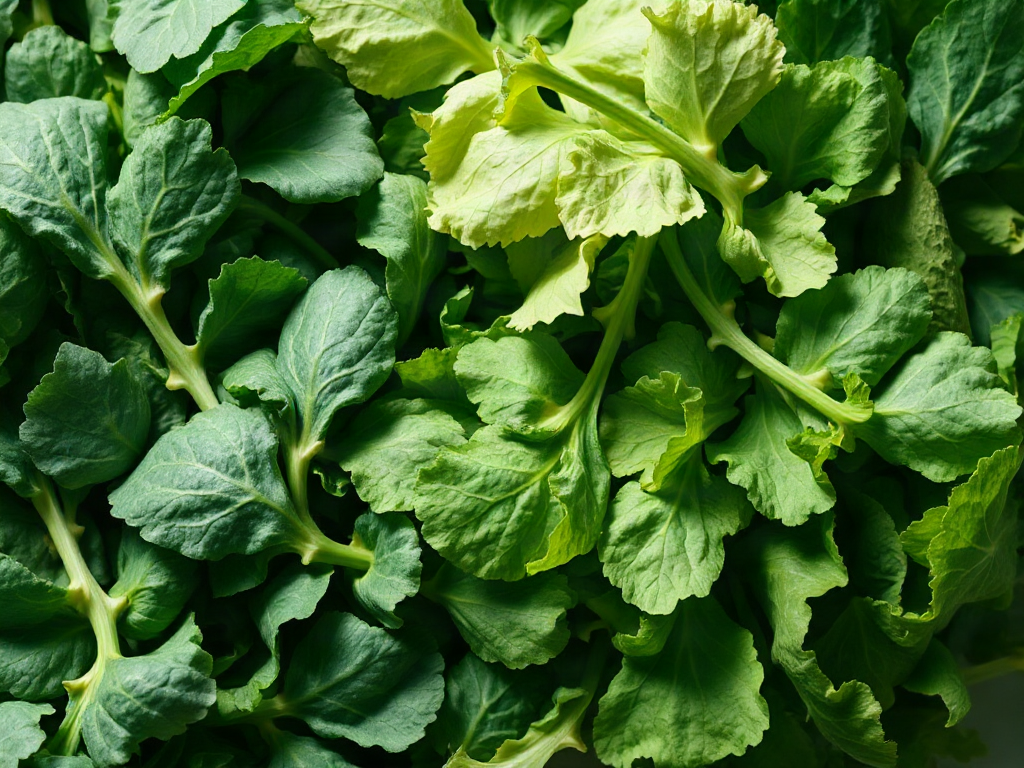
Organic leafy greens and cruciferous vegetables offer complementary nutrition rather than a clear winner: leafy greens provide folate, carotenoids, vitamin K, and tender raw options, while crucifers contribute vitamin C, fiber, and glucosinolate compounds. Choose according to the meal, freshness, preparation method, and produce budget instead of assuming the organic label makes either group nutritionally superior. Spinach, lettuce, kale, broccoli, cabbage, and cauliflower all lose quality during prolonged storage, although sturdy crucifers usually last longer. A practical approach is to buy organic versions when preferred and affordable, prioritize eating more varied vegetables, and wash all produce under running water before use.
How Do the Two Vegetable Groups Differ?
Leafy greens are defined mainly by the plant part being eaten, whereas cruciferous vegetables are members of the botanical Brassicaceae family. That distinction creates overlap: kale, collard greens, mustard greens, bok choy, and arugula are both leafy and cruciferous. Spinach, chard, and most lettuces are leafy greens but not crucifers; broccoli, cauliflower, cabbage, radishes, and Brussels sprouts are crucifers even though their commonly eaten portions are not always leaves.
The overlap matters when comparing organic leafy greens versus cruciferous vegetables. Treating them as mutually exclusive categories can lead to misleading conclusions about nutrients, flavor, or preparation. Kale carries the tender-leaf characteristics associated with greens as well as the glucosinolates associated with crucifers. Broccoli, by comparison, supplies stems and florets with a firmer structure, while spinach provides delicate leaves without belonging to the cruciferous family.
Texture often determines the more useful choice for a meal. Tender lettuce and baby spinach work well in uncooked dishes but wilt quickly under heat. Mature collards tolerate braising, and broccoli or cauliflower retains more physical structure in roasting and stir-frying. Cabbage sits between those uses: it can be shredded raw, briefly sautéed, fermented, or cooked slowly. A household that regularly wastes fragile greens may obtain more practical value from cabbage or broccoli, even if salad greens initially seem more convenient.
| Comparison Point | Leafy Greens | Cruciferous Vegetables |
|---|---|---|
| Common examples | Spinach, lettuce, chard | Broccoli, cabbage, cauliflower |
| Overlap examples | Kale, collards, arugula, bok choy | |
| Typical texture | Tender to moderately sturdy | Firm leaves, stems, buds, or roots |
| Useful applications | Salads, sautés, soups, smoothies | Roasting, steaming, slaws, stir-fries |
| Storage tendency | Often shorter-lived | Usually sturdier, depending on type |
A common mistake is choosing by category name rather than intended use. For a raw lunch prepared several days ahead, shredded cabbage generally withstands dressing better than baby lettuce. For a quick omelet, spinach wilts with less preparation than broccoli stems. The practical question is not which category wins universally, but which vegetable delivers the desired texture, flavor, and nutrient variety without being discarded.
Which Nutrients Matter Most?
Nutrient profiles vary more by species and serving than the broad labels suggest. Dark leafy vegetables commonly provide folate, vitamin K, carotenoids such as beta-carotene and lutein, and varying amounts of minerals. Cruciferous choices commonly contribute vitamin C, folate, fiber, and sulfur-containing glucosinolates. Because kale and collards belong to both groups, they naturally carry features associated with each side of the comparison.
Preparation changes what reaches the plate. A large bowl of raw spinach collapses into a small cooked portion, making it easier to consume more leaves at one meal. Cooking can reduce some heat-sensitive nutrients, including vitamin C, yet it may also soften plant tissue and make vegetables easier to chew and digest. Boiling transfers some water-soluble compounds into the cooking liquid; using that liquid in soup avoids discarding everything that moved out of the vegetable. Steaming, roasting, and quick sautéing use less water, although no single method preserves every compound equally.
Glucosinolates give many crucifers their characteristic sharpness and are converted into other compounds when plant tissue is chopped or chewed. Research continues to examine these compounds, but vegetables should not be presented as treatments for disease. Variety remains more defensible than chasing one compound through a single food. Rotating broccoli, cabbage, arugula, spinach, and chard broadens flavor and nutrient exposure while reducing dependence on an alleged “superfood.”
Meal composition also affects nutritional usefulness. Adding a modest source of fat—such as olive oil, tahini, avocado, nuts, or seeds—to carotenoid-rich greens can support the absorption of fat-soluble compounds. Pairing vegetables with beans, eggs, fish, tofu, poultry, or another protein turns a side dish into a more complete meal. Someone who dislikes bitter greens may eat more vegetables when cauliflower is roasted or cabbage is mixed into a familiar stir-fry; actual intake matters more than an impressive nutrient profile left uneaten.
Vitamin K deserves individual attention for people taking warfarin or another medicine whose management depends on consistent vitamin K intake. The issue is not necessarily avoiding leafy vegetables, but preventing abrupt dietary changes without professional guidance. People with a medical condition, digestive limitation, or prescribed diet should discuss major intake changes with a qualified clinician or registered dietitian rather than using a general vegetable comparison as treatment advice.
Does Organic Change the Comparison?
Organic describes an agricultural production standard, not a guarantee that one vegetable contains more nutrients than its conventional counterpart. Variety, soil conditions, maturity, transport, storage, and cooking can all influence composition and eating quality. Differences reported between production systems are not consistent enough to treat an organic label as proof that spinach is more nutritious than conventional spinach—or that organic broccoli is categorically better than conventional broccoli.
The label may still matter for reasons beyond nutrient ranking. Some shoppers choose certified organic produce because they prefer the production practices governed by organic standards. That is a valid purchasing preference, but it should be separated from unsupported promises about taste, safety, or health outcomes. Organic farming uses permitted pest-management materials, and organic produce is not pesticide-free by definition. Both organic and conventional vegetables can carry soil, microbes, or residues from handling.
Wash whole vegetables under cool running water before cutting or eating them. Rub firm surfaces gently, separate cabbage or lettuce leaves where dirt collects, and discard damaged outer material. A clean produce brush can be used on sturdy items, then cleaned after use. Soap, bleach, and household detergents are not intended for washing food. Washing cannot sterilize produce, so refrigeration, clean hands, clean utensils, and separation from raw meat remain relevant.
Budget changes the best decision. If buying only organic reduces the amount or variety of vegetables a household can afford, a mixed basket may be more practical. Organic salad greens could be reserved for meals where their flavor or sourcing preference is especially valued, while conventional cabbage supplies economical volume for slaws and soups. Frozen broccoli, spinach, or cauliflower can also reduce spoilage and preparation time; plain frozen vegetables still count as whole-food choices even though the organic options and prices vary.
The weak assumption to avoid is that the label can compensate for poor condition. Slimy organic spinach, yellowing broccoli, or a cracked cauliflower head with decaying patches is a worse purchase than fresh conventional produce that will actually be eaten. Check freshness first, then production preference, price, intended use, and likely waste. That order keeps the organic decision meaningful without allowing it to dominate every other quality signal.
Choosing, Preparing, and Storing Each Group
Purchase decisions improve when they account for the next few meals rather than an idealized weekly menu. Delicate greens belong early in the schedule; sturdy cabbage, collards, broccoli, and cauliflower can usually be assigned later, provided they are refrigerated promptly and remain sound. Buying multiple fragile packages at once often creates a race against wilting, especially in a small household.
At the store, look for leaves with lively color and no slimy patches. Minor cosmetic variation is not the same as decay, but wet, crushed leaves deteriorate quickly. Broccoli florets should be compact rather than extensively yellowed, while cauliflower should feel firm and lack soft dark areas. Cabbage heads should feel dense for their size. Pre-cut vegetables save time but expose more surface area, so inspect their use-by information and condition carefully and keep them cold.
A compact buying and use sequence prevents the most common failures:
- Choose the cooking job. Buy lettuce for immediate salads, spinach for rapid wilting, cabbage for durable raw or cooked dishes, and broccoli or cauliflower for firmer bites.
- Inspect condition before the label. Reject slime, sour odors, spreading decay, or badly damaged packaging.
- Buy a realistic amount. One usable bunch offers more value than several discounted packages that spoil.
- Protect against excess moisture. Refrigerate produce appropriately and keep washed leaves dry enough to avoid accelerating deterioration.
- Schedule by perishability. Use tender greens first and reserve sound, sturdy vegetables for later meals.
Storage needs differ by product and packaging. Loose greens benefit from protection against crushing and excess surface water. Whole cabbage generally tolerates storage better than shredded cabbage, and intact broccoli or cauliflower usually lasts longer than pre-cut florets. Do not seal visibly wet produce into a container and forget it; trapped moisture encourages rapid quality loss. Conversely, leaving unpackaged greens exposed to refrigerator air can cause wilting. The useful balance is a protected, cool environment without pooled water.
Signs that the plan is working include crisp texture, neutral fresh odors, and produce being used before trimming becomes extensive. Repeatedly throwing away wilted greens signals that package size, meal timing, or storage needs adjustment. Switch to smaller quantities, frozen spinach, whole cabbage, or a sturdier crucifer. If broccoli stems are routinely discarded, peel tough outer portions and slice the tender centers into stir-fries or soups. Using edible stems and sound outer leaves can improve value without requiring a different nutrition strategy.
Preparation should follow preference as well as nutrient retention. Raw arugula may suit someone who enjoys peppery flavor, while another person may prefer kale massaged with dressing or collards cooked until tender. Roasting can make broccoli and cauliflower sweeter and less watery; steaming offers a softer result without submerging them. The best method is the one that produces an appealing vegetable dish while avoiding burning, excessive dilution, or a texture the household will not eat.
Frequently Asked Questions
Is kale a leafy green or a cruciferous vegetable?
Kale is both. Its edible portion is leafy, and botanically it belongs to the same cruciferous family as broccoli, cabbage, and cauliflower.
Are organic vegetables more nutritious than conventional ones?
The organic label alone does not establish nutritional superiority. Cultivar, freshness, storage, growing conditions, and preparation can all affect nutrient content and practical food quality.
Which group is better for salads?
Tender lettuce and spinach suit soft salads, while arugula adds peppery flavor and shredded cabbage creates a crisp salad that withstands dressing and storage better.
Should cruciferous vegetables be eaten raw or cooked?
Either can fit a varied diet. Raw preparation preserves crunch, while cooking softens texture and may improve tolerance; alternating methods avoids relying on one preparation style.
Can frozen greens and crucifers replace fresh produce?
Plain frozen spinach, broccoli, and cauliflower are practical whole-food options for soups, sautés, and side dishes. They reduce spoilage, although their softened texture is less suitable for crisp salads.
Conclusion
Build the vegetable basket around variety, intended use, and the amount likely to be eaten. Tender spinach and lettuce make fast raw meals but demand prompt use; cabbage, broccoli, cauliflower, collards, and similar sturdy choices provide more flexibility for roasting, steaming, slaws, and later-week cooking. Kale, bok choy, arugula, and collards demonstrate why leafy and cruciferous categories cannot always be separated cleanly.
Treat organic certification as a production preference rather than a nutritional ranking system. Inspect condition, wash produce under running water, store it according to texture and packaging, and adjust quantities when waste becomes routine. A sensible next step is to choose one tender green and one sturdy crucifer for the coming week, assign each to a specific meal, and use frozen alternatives where freshness or time repeatedly becomes a barrier.