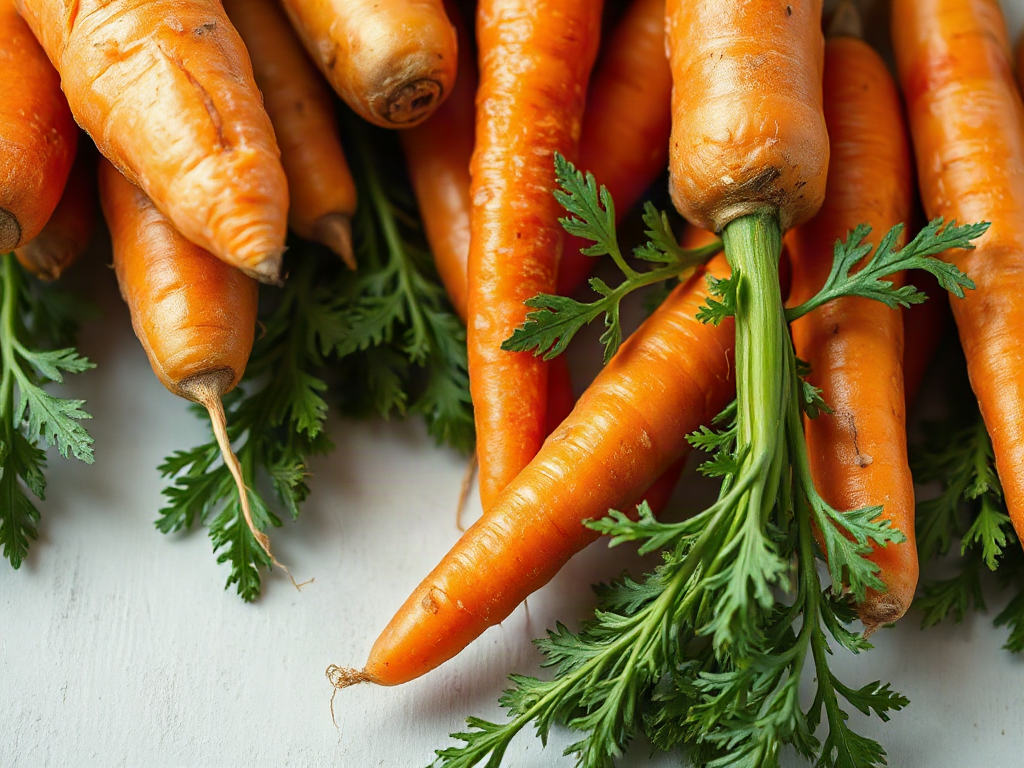
Organic carrots and orange-fleshed sweet potatoes are both rich beta-carotene foods, but neither is a universal winner because variety, serving size, cooking, and moisture change the practical comparison. Carrots usually deliver substantial beta carotene with fewer calories and less starch, while sweet potatoes provide a filling carbohydrate base with fiber and additional meal value. Cooking softens plant tissue, and eating either vegetable with some dietary fat may help the body absorb its fat-soluble carotenoids. The organic label describes farming practices rather than guaranteeing more beta carotene, so prioritize deep orange color, freshness, sensible preparation, and the vegetable that fits the meal.
Which Food Provides More Beta Carotene?
Comparing these vegetables requires more than checking which one appears higher in a nutrient database. Beta-carotene content varies with cultivar, maturity, growing conditions, storage, preparation, and the amount actually eaten. Orange carrots and orange-fleshed sweet potatoes are both concentrated sources, but pale or purple varieties may have substantially different carotenoid profiles.
Beta carotene is a plant pigment and provitamin A carotenoid. The body can convert it into active vitamin A according to physiological need, although conversion efficiency differs among individuals. A food’s listed beta-carotene content therefore should not be treated as the exact amount of vitamin A every person will obtain. Digestive health, the meal’s fat content, food structure, and preparation all influence how much becomes available for absorption.
| Decision Factor | Organic Carrots | Organic Sweet Potatoes |
|---|---|---|
| Most relevant variety | Orange carrots | Orange-fleshed sweet potatoes |
| Typical meal role | Raw snack, side dish, soup, or salad ingredient | Starchy side, bowl base, mash, or main component |
| Energy and starch | Generally lower per comparable weight | Generally higher and more filling |
| Preparation flexibility | Useful raw or cooked | Normally eaten cooked |
| Primary comparison problem | Raw and cooked entries are easily confused | Flesh color and cooking method can change the comparison |
A common mistake is comparing a small serving of raw carrot with a large baked sweet potato and declaring the food with the higher total the better source. That measures portion size as much as nutrient density. For a fair comparison, use equivalent weights or compare the portions you realistically serve. Also check whether a database entry refers to raw, boiled, baked, drained, peeled, or unpeeled food.
Carrots are often the practical choice when someone wants carotenoids without making the vegetable the meal’s main carbohydrate. Sweet potatoes make more sense when a filling starch is already needed. Deep orange flesh is a useful shopping clue for both foods, but color is not a laboratory measurement. Neither vegetable needs to defeat the other nutritionally; regular intake and preparation may matter more than small differences between database entries.
Does Organic Change Beta-Carotene Content?
Organic certification identifies an agricultural production system; it does not certify a particular beta-carotene concentration. An organic carrot is not automatically richer in carotenoids than a conventionally grown carrot, and the same limitation applies to sweet potatoes. Nutrient composition can differ between samples, but the organic label alone cannot predict the direction or size of that difference.
Plant variety is especially relevant. A deeply pigmented orange cultivar is selected for different characteristics than a white, yellow, or purple one, regardless of production method. Harvest maturity also matters because plant pigments develop as crops grow. Conditions before harvest, time in storage, exposure to heat and light, and water loss can further affect the amount measured per unit of weight.
Water content can create misleading comparisons. A cooked or stored vegetable that has lost water may appear more nutrient-dense by weight even when no additional beta carotene has been created. Conversely, boiling can increase water content in some foods and make the concentration per gram look lower. These changes do not necessarily show that one farming method produced a nutritionally superior crop.
Choose organic when its production standards, purchasing priorities, or availability are meaningful to you, but evaluate beta-carotene potential separately. Useful checks at the store include:
- Color: Select orange varieties when beta carotene is the main goal.
- Condition: Favor firm carrots and sound sweet potatoes without extensive decay or soft, wet areas.
- Intended use: Buy an amount that can be prepared before quality declines.
- Price: Avoid paying a premium solely on the assumption that organic means more beta carotene.
The weak assumption to avoid is treating a production claim as a nutrient-content claim. A fresh conventional orange carrot may be a more useful beta-carotene purchase than an aging organic specialty carrot with little orange pigment. Within an organic-only comparison, variety, condition, portion, and preparation remain the better decision signals.
How Do Cooking and Fat Affect Absorption?
Cooking can make beta carotene easier to access by softening cell walls and disrupting the plant matrix that holds carotenoids. This does not mean that every cooked serving contains more beta carotene than it did when raw. Heat, water, dehydration, and serving weight can change the measured concentration, while physical softening can change how much is released during digestion.
Gentle steaming, boiling, roasting, or microwaving can all produce useful results. The best method is one that makes the vegetable enjoyable without scorching it or turning it into a vehicle for excessive added sugar. A roasted sweet potato served with beans and greens, for example, offers a different meal than carrot sticks. Cooked carrots with a small amount of olive oil can fit beside fish, lentils, or whole grains without replacing the meal’s principal starch.
Beta carotene is fat-soluble, so a meal containing some fat may support carotenoid absorption compared with eating a fat-free serving. Practical pairings include carrots with hummus, roasted carrots with olive oil, or sweet potato with tahini, seeds, avocado, yogurt, or another fat-containing food. More fat is not necessarily better; the useful point is to avoid assuming that a completely fat-free preparation maximizes absorption.
Chopping, mashing, and thorough chewing also reduce the physical barriers surrounding plant compounds. A mashed sweet potato or tender cooked carrot presents a softer matrix than a large raw piece. Raw carrots remain nutritious and convenient, however, and cooking should not be framed as a requirement for obtaining value from them. A mix of raw and cooked preparations can provide variety and make regular intake easier.
Preparation comparisons often fail when water loss is mistaken for nutrient creation. Roasting removes moisture, which can raise the amount measured per gram; boiling may produce a wetter food with a lower concentration by weight. Compare actual portions rather than isolated numbers. If a preparation is working, the vegetable retains appealing color and texture, fits comfortably into the meal, and is eaten regularly. Heavy charring, prolonged storage after cooking, or recipes dominated by butter, syrup, and sugar can undermine the reason the vegetable was chosen.
Choosing for Meals and Nutrition Goals
The better choice depends on the role the vegetable needs to play. Carrots are well suited to snacks, salads, soups, mixed vegetable dishes, and lower-starch sides. Sweet potatoes are more useful when the meal needs a substantial carbohydrate source that can replace bread, rice, or another starch. Both can contribute beta carotene, fiber, and a range of other plant compounds, but they are not interchangeable in every eating pattern.
For a light lunch, grated carrot in a bean salad may add color and crunch without making the meal much heavier. For a physically active person who needs a more filling dinner, an orange-fleshed sweet potato topped with lentils and a yogurt or tahini sauce may be more practical. Someone monitoring carbohydrate intake may prefer a moderate carrot portion more often, while a person who struggles to eat enough may find sweet potato easier to build into an energy-dense meal. Individual medical nutrition needs should be discussed with a qualified clinician or registered dietitian.
Whole-food context matters. Plain cooked sweet potato is different from sweet potato fries or a casserole rich in sugar and saturated fat. Fresh carrots differ from carrot juice because juicing removes much of the intact food structure and makes it easier to consume a larger amount quickly. Purees and soups can still be useful, but ingredients and portion size should remain visible in the decision.
A practical selection order keeps the comparison grounded:
- Choose orange flesh. Orange pigmentation is the most relevant visual signal for this specific carotenoid goal.
- Match the food to the meal. Use carrots as a flexible vegetable and sweet potatoes as a more substantial starch.
- Add a reasonable fat source. Build it into the meal rather than treating oil as an unlimited nutrient booster.
- Use a preparation you will repeat. Steamed, roasted, mashed, or raw options all have legitimate roles.
- Judge the whole plate. Consider fiber, protein, total carbohydrate, added sugar, and overall energy needs.
Signs that the choice is failing are practical rather than obscure: produce spoils before use, the recipe requires large amounts of added sugar, portions conflict with dietary needs, or the selected variety has little orange flesh. Rotating carrots and sweet potatoes often works better than searching for a permanent winner. It broadens meal options and reduces the chance that nutrient comparisons override affordability, enjoyment, and dietary fit.
Frequently Asked Questions
Are carrots or sweet potatoes better for beta carotene?
Both are strong choices when orange varieties are selected. Carrots suit lower-starch dishes, while orange-fleshed sweet potatoes combine carotenoids with a more substantial carbohydrate serving.
Does organic produce contain more beta carotene?
Organic certification does not guarantee higher beta-carotene content. Variety, flesh color, maturity, storage, moisture, and preparation are more useful indicators for this comparison.
Is beta carotene destroyed by cooking?
Cooking can cause some changes or losses, but it also softens plant tissue and may make carotenoids more accessible during digestion. Avoid excessive heat and charring.
Should carrots and sweet potatoes be eaten with fat?
Including some dietary fat may support absorption because beta carotene is fat-soluble. Olive oil, tahini, seeds, avocado, yogurt, or hummus are practical pairings.
Do purple sweet potatoes provide the same beta carotene?
Not necessarily. Purple varieties are known for different pigments, while orange flesh is the clearer visual cue when beta carotene is the specific priority.
Conclusion
Choose between carrots and sweet potatoes by considering flesh color, portion, preparation, and the vegetable’s role on the plate. Orange varieties are the relevant options when beta carotene is the priority, while an organic label should be treated as a farming-practice preference rather than proof of greater nutrient density.
Use carrots when a versatile, lower-starch vegetable fits the meal. Select orange-fleshed sweet potatoes when a filling carbohydrate source is needed. Cook either until tender, pair it with a modest source of dietary fat, and avoid comparisons that mix raw and cooked weights or dramatically different portions. Rotating both foods is a practical approach: it preserves meal variety while making beta-carotene intake less dependent on a single crop, recipe, or nutrient estimate.