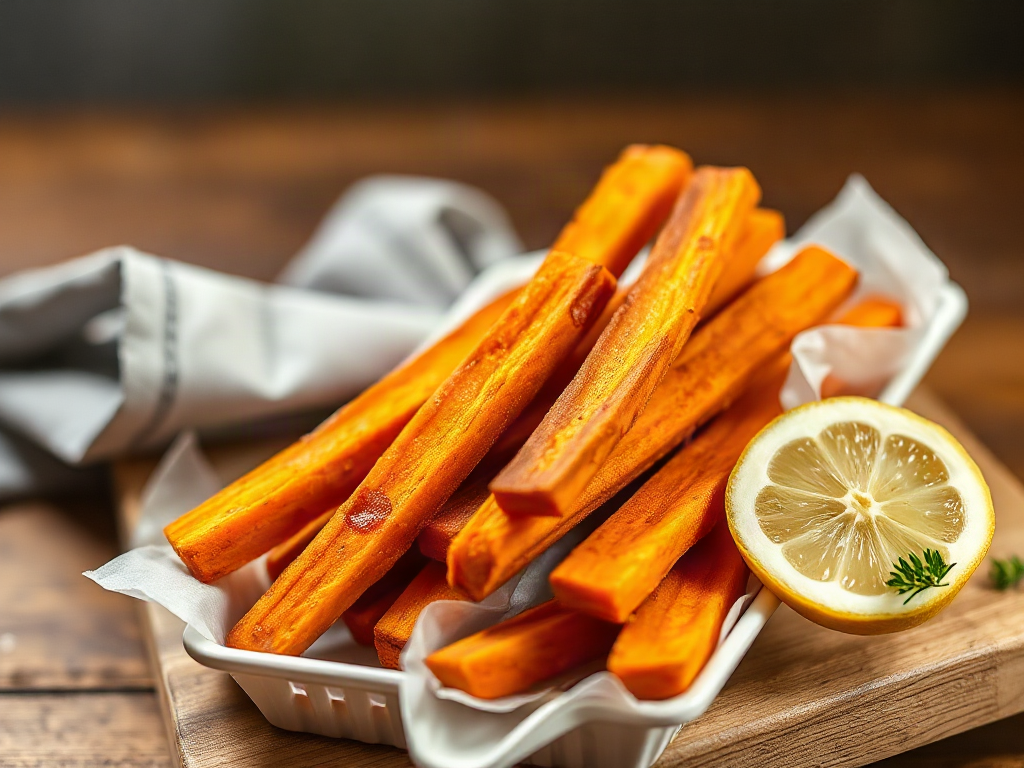
Organic sweet potato sticks provide carbohydrate, some fiber, and beta-carotene from sweet potatoes, but their nutrition depends heavily on whether they are baked, fried, sweetened, or coated with starch. The ingredient list should ideally begin with sweet potatoes and a cooking oil, with salt kept moderate and no unnecessary syrups or flavor additives. Compared with a whole baked sweet potato, packaged sticks may contain more sodium, added fat, and fewer nutrients per serving because processing changes portion density. Check serving size, oil type, sodium, added sugars, and allergen statements, then pair a modest portion with beans, yogurt, eggs, or another protein-rich food.
What Organic Sweet Potato Sticks Contain
Organic sweet potato sticks are not a single standardized food. The nutritional profile changes according to the product format: oven-baked pieces, fried snack sticks, frozen side dishes, or lightly seasoned vegetable strips. The shared foundation is sweet potato, which supplies carbohydrate for energy, some dietary fiber, potassium, and carotenoids such as beta-carotene in orange-fleshed varieties. The amount retained in a finished product depends on peeling, cutting, cooking temperature, and storage.
The word “organic” describes how the agricultural ingredients were produced under applicable organic standards; it does not mean the snack is automatically low in sodium, low in calories, or minimally processed. A product can use organic sweet potatoes and still contain substantial oil, salt, starch, or sweeteners. That distinction matters when comparing a packaged snack with a plain roasted sweet potato. The organic version may offer a preference related to farming practices, while the nutrition facts still require separate evaluation.
Ingredients also reveal how close the product remains to the original vegetable. A short list might read sweet potatoes, avocado oil, and sea salt. Another product may include sweet potato powder, tapioca starch, cane sugar, natural flavor, and several stabilizers. Neither list alone determines whether a product fits a particular diet, but a longer formula usually signals that texture, shelf life, sweetness, or seasoning has been engineered beyond a simple vegetable side.
Fiber deserves realistic interpretation. Sweet potatoes contain fiber, especially when some skin remains, but a thin stick is not equivalent to a whole baked tuber. Peeling removes some fiber, and a small snack serving may provide only a modest amount. Checking the grams per serving is more useful than assuming that the word “vegetable” guarantees a high-fiber food. For broader context, Organic sweet potato sticks nutrition and ingredients should be considered alongside the rest of the meal rather than in isolation.
How Processing Changes Their Nutrition
Cooking changes sweet potato sticks through moisture loss, browning, and fat absorption. Baking generally uses less added fat than deep-frying, although a heavily oiled baked product can still be energy-dense. Frying creates a crisp surface and may increase the amount of oil associated with each serving. Dehydrated or puffed sticks can look small while containing concentrated calories because water has been removed.
Heat also affects texture and some heat-sensitive nutrients. Orange sweet potatoes remain a useful source of carotenoids after cooking, but processing is not nutritionally neutral. Peeling reduces compounds found near the skin, while prolonged or intense heating may reduce certain vitamins. At the same time, cooking softens plant tissue, which can make the food easier to chew and digest. A sensible comparison focuses on the complete product, not on the assumption that raw or cooked is always superior.
Portion density is a common source of error. A person may serve a bowl of crisp sticks without recognizing that it contains more pieces than the label’s stated portion. The result is a larger intake of oil, sodium, and carbohydrate than expected. For example, a family-size bag intended for several servings can become a casual snack eaten directly from the package. Measuring the first portion into a bowl makes the label more meaningful and exposes whether the serving feels satisfying.
Seasoning creates another tradeoff. Salt improves flavor, but the vegetable itself is not naturally a high-sodium food. A sweetened cinnamon version may contain added sugar even though the base ingredient is nutritious. A product with a crunchy coating can also include starch that changes the balance from a plain vegetable side to a more processed snack. When comparing options, look for a preparation that provides the texture you want without adding ingredients that do not serve that purpose.
A useful rule is to compare like with like: baked sticks with baked sticks, frozen seasoned sides with frozen seasoned sides, and snack crisps with other packaged snacks. Comparing a fried snack directly with a plain steamed sweet potato can make the processed item appear worse without explaining why. The cooking method, serving size, and accompanying ingredients drive much of the difference.
How to Read the Ingredient List and Nutrition Facts
The ingredient list is arranged by weight, so the first item tells you what dominates the formula. For a straightforward product, sweet potatoes should appear first. Oil may reasonably follow, but multiple added sweeteners, coatings, or flavor systems deserve closer attention. “Organic” may apply to some ingredients rather than every component, so certification details and the organic statement on the package can clarify the product’s scope.
Nutrition Facts panels answer different questions from ingredient lists. The panel shows the declared serving size, calories, total fat, saturated fat, sodium, carbohydrate, fiber, total sugars, and added sugars when listed. The ingredient list explains where those nutrients may come from. For instance, a high sodium value may reflect salt, while added carbohydrate may come from tapioca or potato starch used to create a firm coating.
Use this compact label check before buying:
- Serving size: Decide whether the listed amount resembles the portion you will actually eat.
- Cooking fat: Note the type and position of oils, especially if the product is fried.
- Sodium: Compare similar products rather than judging saltiness from taste alone.
- Added sugars: Look for cane sugar, syrups, molasses, or sweetened flavor coatings.
- Allergens and cross-contact statements: Check these when the product is made with shared equipment or includes added seasonings.
Organic certification does not answer every dietary question. It does not establish that a product is gluten-free, low-FODMAP, free from a particular allergen, or suitable for a medical diet. People managing diabetes, kidney disease, hypertension, or food allergies may need individualized advice because carbohydrate, potassium, sodium, and ingredient tolerances can matter differently. The package is a starting point, not a medical assessment.
Common label mistakes include treating “no artificial flavors” as a complete nutrition claim, assuming “made with whole vegetables” means mostly vegetables, and ignoring oil because the product is marketed as baked. A product can be baked and still be calorie-dense. A better approach is to read the first several ingredients, then compare the declared serving with your intended portion. That method is more reliable than front-of-package language.
Portions, Pairings, and Smarter Uses
Sweet potato sticks work best as one component of a meal or snack rather than as a stand-alone replacement for every vegetable serving. Their carbohydrate can fit a meal that also contains protein, fiber, and unsaturated fat. Pairing them with black beans and salsa, plain Greek yogurt with herbs, eggs and greens, or hummus with cucumbers creates more nutritional balance than eating a large bowl of sticks alone.
Pairings change the eating experience because protein and fiber generally make a meal more substantial, while dips can add either useful nutrients or more sodium and saturated fat. A bean dip may contribute protein and fiber; a heavily salted cheese sauce can push sodium upward quickly. The best choice depends on the rest of the plate. If the sticks are already seasoned, an unsalted yogurt-based dip may be more useful than another salty condiment.
Portion decisions should reflect the product’s role. A small serving can add color and texture to a lunch, while a larger serving may be reasonable as a side when the rest of the meal is built around lean protein and vegetables. People watching carbohydrate intake should count the total carbohydrate shown on the label rather than subtracting assumptions about the vegetable’s natural sweetness. Those monitoring sodium should consider the entire meal, including sauces, deli foods, and packaged proteins.
Storage and preparation affect quality as well as nutrition. Follow the package instructions for frozen products and avoid repeatedly heating a portion that has already been handled. For homemade sticks, rinsing and thoroughly drying cut pieces can improve roasting texture, while using a measured amount of oil prevents accidental overcoating. Leaving some skin on may preserve more fiber, but only when the potatoes are cleaned appropriately and the texture is acceptable.
Watch for signs that a product is not meeting your needs: the serving disappears quickly, the snack leaves you hungry, the seasoning encourages repeated eating, or the ingredient list contains additions you are actively trying to limit. In that situation, choose a less processed version, reduce the portion, or serve it with a more filling food. Readers comparing brands can also use Organic sweet potato sticks nutrition and ingredients as a practical checklist: vegetable proportion, cooking fat, sodium, added sugar, serving size, and intended use.
For reliable comparisons, consult the USDA FoodData Central database for nutrient information on plain sweet potatoes and use the nutrition facts panel on the specific package for processed sticks. Product formulas vary enough that a generic sweet potato entry cannot replace the label for a packaged food.
Frequently Asked Questions
Are organic sweet potato sticks automatically healthier?
No. Organic status concerns production standards, while nutrition depends on the amount of oil, salt, sugar, starch, and processing used in the finished product.
Do sweet potato sticks contain fiber?
They usually contain some fiber from the sweet potato, but peeling and processing can reduce the amount. Check the grams of fiber per labeled serving.
Are baked sticks better than fried sticks?
Baked products often use less oil, but the label is decisive. A baked stick can still be high in fat or sodium if it is heavily coated or seasoned.
What ingredients should I limit?
Consider limiting products with substantial added sugar, very high sodium, extensive coatings, or more oil than fits your eating pattern. The priority depends on your dietary needs.
What should I serve with sweet potato sticks?
Try beans, eggs, fish, tofu, yogurt, or hummus alongside vegetables or fruit. These additions provide protein, fiber, or both and make the portion more filling.
Conclusion
The strongest nutrition choice is not determined by the organic label alone. Start with the product’s first ingredients, then assess serving size, cooking fat, sodium, added sugars, fiber, and any coatings. A minimally seasoned baked stick may function well as a vegetable side, while a fried or sweetened version is better treated as a snack with a denser nutrition profile. Pairing a modest portion with beans, eggs, tofu, yogurt, or another protein-rich food can make the meal more satisfying. If you have a condition requiring carbohydrate, sodium, potassium, or allergen restrictions, use the package label as a precise reference and seek individualized guidance when needed.