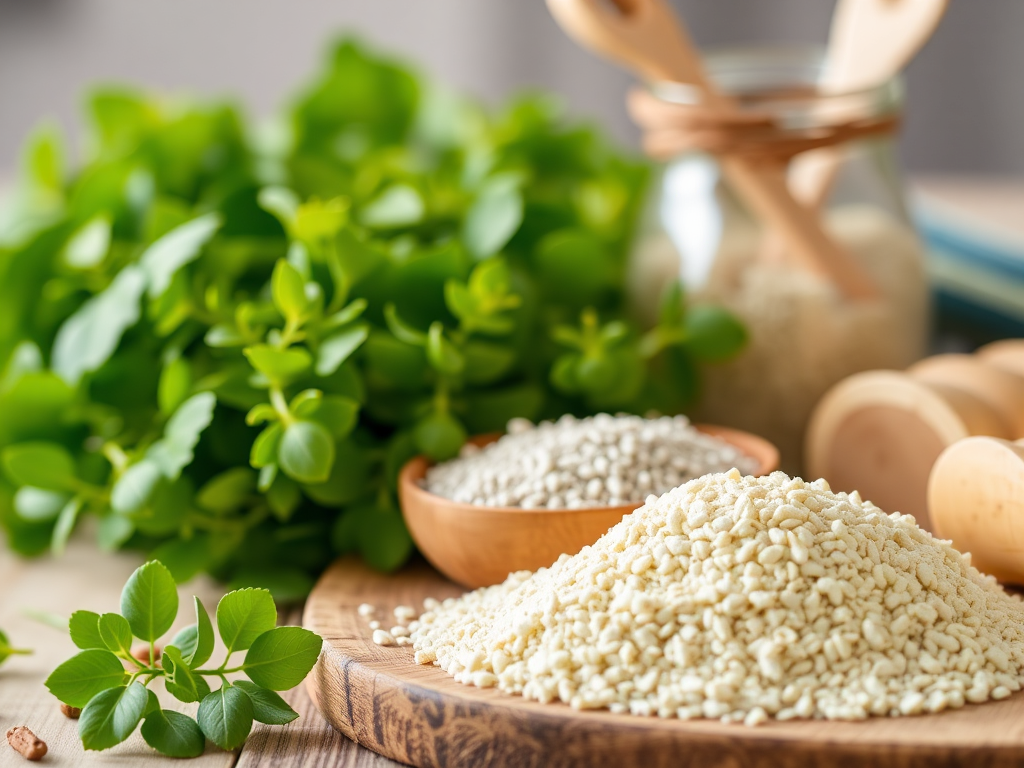
Yes, organic baking ingredients are generally better for health outcomes. They are produced without synthetic pesticides and fertilizers, which reduces exposure to harmful chemicals that can negatively affect health. Studies suggest that organic ingredients often have higher nutrient densities, providing more essential vitamins and minerals. Additionally, choosing organic supports sustainable farming practices that promote soil health and biodiversity, contributing to a healthier environment. For those concerned about long-term health, opting for organic options like flour and sugar can be a wise choice.
Understanding Organic Ingredients
Organic baking ingredients are produced without synthetic fertilizers, pesticides, or genetically modified organisms (GMOs). This distinction matters because the absence of harmful chemicals can lead to healthier food products. When choosing organic, consumers often seek assurance of higher quality and greater safety, particularly for sensitive populations such as children and pregnant women. Understanding what qualifies as organic—such as certification by recognized bodies—helps consumers make informed choices.
Moreover, organic farming practices emphasize sustainability and biodiversity, which can contribute to healthier ecosystems. For example, organic farms typically maintain soil health through crop rotation and composting, enhancing nutrient availability and reducing erosion. This holistic approach not only benefits the immediate health of consumers but also promotes long-term agricultural viability.
Nutritional Differences: Organic vs. Conventional
When comparing organic and conventional baking ingredients, studies indicate that organic products may have a higher nutrient density. For instance, organic flour often contains more protein and essential vitamins compared to its conventional counterpart. This is partly due to the soil health and farming practices associated with organic methods, which can enhance the nutrient content of crops.
In addition, organic ingredients tend to have lower levels of harmful residues. Conventional farming methods frequently involve the use of chemical pesticides, which can remain on food products even after washing. Choosing organic products can reduce exposure to these harmful substances, leading to better health outcomes over time. For instance, opting for organic sugar or cocoa powder can help mitigate the intake of potentially harmful chemicals.
Health Impacts of Organic Baking
Utilizing organic baking ingredients can lead to several health benefits. These include improved digestive health due to the absence of artificial additives and preservatives, which can disrupt gut flora. Additionally, organic ingredients often retain more antioxidants and phytochemicals, which are known for their role in reducing inflammation and supporting the immune system.
Practical application in baking can also enhance the overall quality of baked goods. For example, using organic whole wheat flour can yield bread with better flavor and texture, while also providing essential nutrients. Consumers who prioritize health may find that organic baking not only satisfies their nutritional needs but also enhances the sensory experience of food.
Environmental Considerations
The impact of organic baking ingredients extends beyond personal health; it also encompasses environmental health. Organic farming practices are designed to promote biodiversity, reduce pollution, and conserve water. By choosing organic, consumers contribute to a system that supports sustainable agriculture, which can have far-reaching implications for the planet.
Moreover, organic farming often employs methods that enhance soil health, such as cover cropping and reduced tillage, which can improve carbon sequestration. This means that organic practices contribute to mitigating climate change, making organic baking ingredients a responsible choice for environmentally-conscious consumers.
Frequently Asked Questions
How do organic farming practices benefit the environment?
Organic farming practices promote biodiversity, enhance soil health, and reduce pollution, contributing to a more sustainable agricultural system.
Can organic baking improve the taste of baked goods?
Yes, many bakers find that organic ingredients, such as whole wheat flour and organic sugars, enhance the flavor and texture of baked goods.
Is it worth the extra cost to buy organic baking ingredients?
Although organic ingredients may be more expensive, the benefits to health, taste, and environmental sustainability often justify the cost for many consumers.
Conclusion
Choosing organic baking ingredients can lead to numerous health benefits, including better nutrient intake and reduced exposure to harmful chemicals. The advantages extend beyond personal health, promoting environmental sustainability and supporting responsible farming practices. For those who prioritize health and environmental impact, investing in organic ingredients can enhance both the quality of baked goods and contribute to a healthier planet.