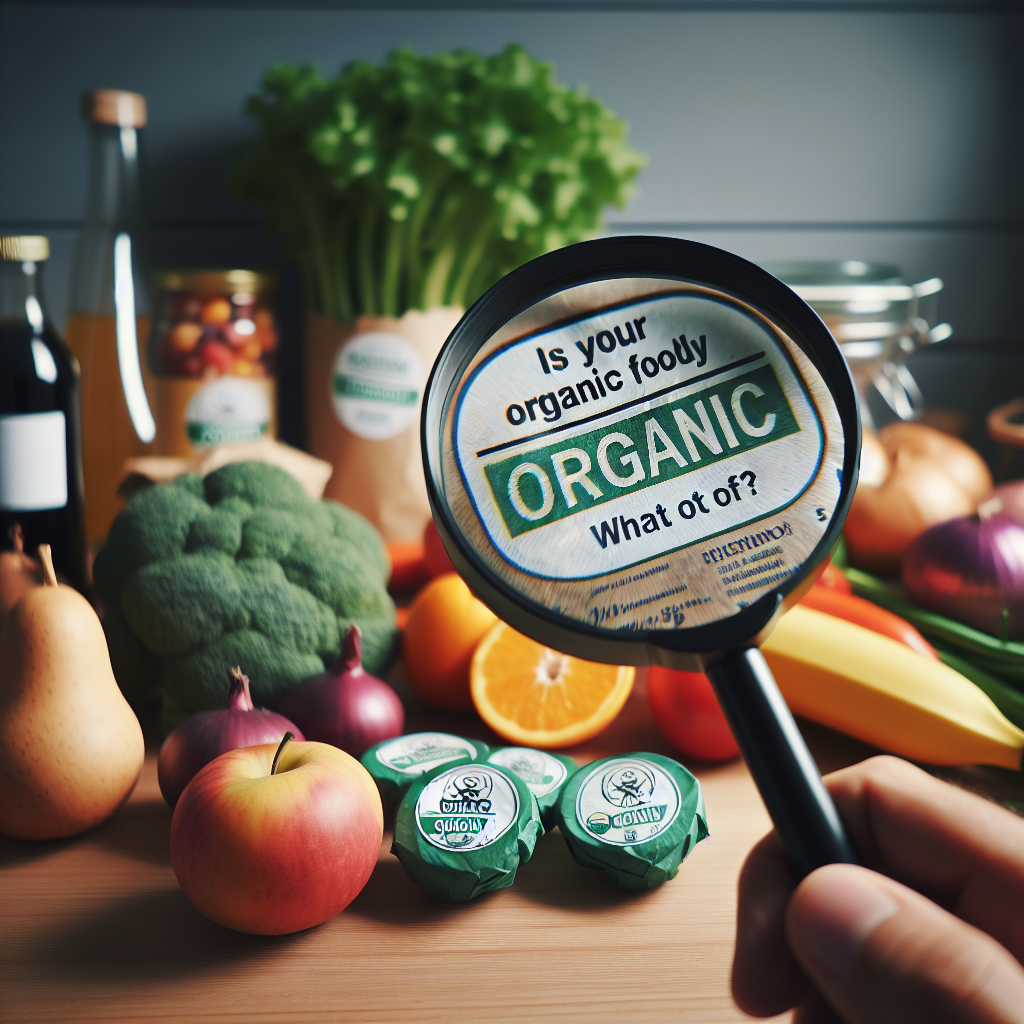
These chemicals can include pesticide residues and additives that might pose health risks over time. Moreover, organic spices are often grown in healthier soils, which can lead to a richer nutrient profile and better taste. Despite these advantages, consumers should be mindful that organic does not equate to completely free from contaminants; cross-contamination can occur during processing or packaging.
Additionally, when purchasing organic spices, consumers should look for certification labels and transparency in sourcing. Some brands may not adhere strictly to organic practices, leading to inconsistencies in product safety. It is wise to research and choose brands that have a solid reputation and provide detailed information about their farming and processing methods. This diligence can help ensure that the spices you use not only enhance your meals but also contribute positively to your health.
Yes, organic Spices Safer for Everyday Cooking are because consumers should be mindful that organic does not equate to completely free from contaminants. when purchasing organic spices, consumers should look for certification labels and transparency in sourcing.
The Health Benefits of Organic Spices
Organic spices offer a range of health benefits, primarily due to their natural cultivation methods. These spices are grown without synthetic fertilizers or pesticides, which reduces the risk of chemical residues in your meals. Furthermore, many organic spices are harvested at peak ripeness, potentially leading to higher antioxidant levels and flavor intensity compared to conventional options.
Research indicates that organic spices can also support a more sustainable agricultural system, promoting biodiversity and healthier ecosystems. This is crucial not only for human health but also for the environment. A focus on organic farming practices can lead to improved soil conditions and reduced environmental impact, making organic spices a preferable choice for health-conscious consumers.
Contaminant Levels in Organic vs. Conventional Spices
When comparing contaminant levels, organic spices typically contain fewer harmful substances than conventional spices. Studies have shown that organic products often have lower pesticide residues, which can be a significant health concern. Conventional spices may undergo heavy treatments with various chemicals to enhance growth and shelf life, raising the risk of chemical ingestion.
However, it is essential to note that organic spices are not entirely free from contaminants. Cross-contamination can happen during processing, shipping, or storage. Therefore, consumers should remain vigilant about sourcing and handling practices to minimize exposure to contaminants.
Choosing Quality Organic Spices
Selecting high-quality organic spices requires attention to detail. Look for certifications from recognized organic standards, such as USDA Organic, which ensure that the products meet specific organic farming criteria. Additionally, researching brands that prioritize transparency in their sourcing and production methods can help consumers make informed choices.
Moreover, consider purchasing spices from local farmers’ markets or specialty stores that focus on organic products. These sources often provide fresher options and allow consumers to ask questions about farming practices directly. Being proactive in your selection process can significantly enhance the safety and flavor of the spices you use.
Common Misconceptions About Organic Spices
One common misconception is that all organic spices are free from contaminants. While they are less likely to contain synthetic chemicals, organic spices can still be affected by environmental factors or improper handling. Another myth is that organic spices always taste better than conventional ones. Taste can vary widely based on several factors, including freshness, storage, and individual preferences.
Understanding these nuances can help consumers make more informed decisions about their spice choices, ensuring they select products that align with their health and flavor preferences.
Frequently Asked Questions
Are organic spices really free of pesticides?
While organic spices have lower pesticide residues, they are not completely free of pesticides. Organic farming uses natural pest control methods, but some residues may still be present due to environmental factors.
How can I ensure the quality of organic spices?
To ensure quality, look for certifications like USDA Organic, buy from reputable brands, and consider purchasing from local farmers’ markets.
Do organic spices taste better than conventional spices?
Taste is subjective and can vary. Some consumers find organic spices to have a richer flavor due to fresher harvesting practices, but this can depend on individual preferences.
Are organic spices more expensive?
Organic spices may be more expensive due to the costs associated with organic farming practices, but prices can vary based on the brand and source.
Can I trust all organic brands?
Not all organic brands are equal. It’s important to research brands and look for certifications to ensure they adhere to organic standards.
Conclusion
To wrap up, organic spices are a safer option for everyday cooking, offering benefits such as reduced exposure to harmful chemicals and potentially enhanced flavor profiles. By prioritizing reputable brands and understanding the nuances of organic farming practices, consumers can make informed choices that align with their health goals. Remember to remain vigilant about potential contamination and to choose organic spices that not only taste good but are also grown sustainably. This approach can elevate your cooking while supporting a healthier lifestyle.