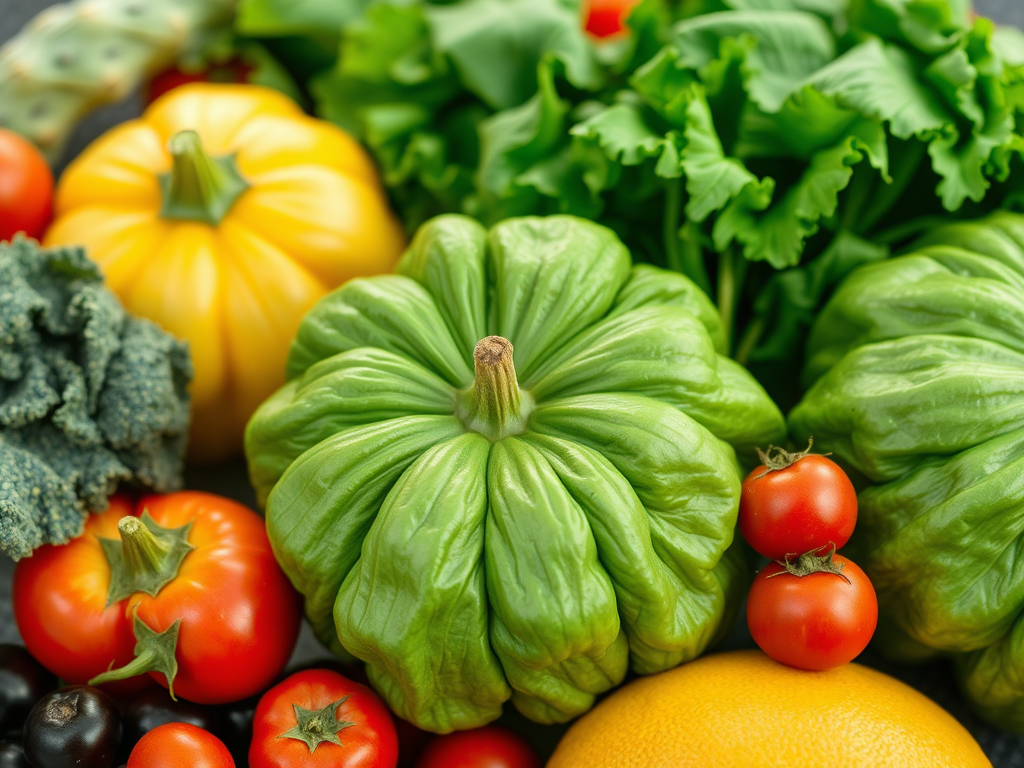
How to evaluate organic produce based on appearance starts with checking firmness, color, surface condition, and signs of moisture damage, while remembering that organic certification does not guarantee uniform size or blemish-free skin. Look for produce that matches its normal stage of ripeness, has no spreading mold, deep soft spots, leaking areas, or severe shriveling, and feels appropriately heavy for its type. Small scars, irregular shapes, and minor color variation can result from weather and handling rather than poor quality. Compare similar pieces, inspect stems and cut surfaces where present, and separate cosmetic flaws from spoilage risks before buying.
What Appearance Can—and Cannot—Tell You
Appearance is a useful first screen for organic produce, but it is not a certification test or a complete measure of nutrition. Organic status is established through the applicable labeling and certification system, not through a fruit or vegetable’s size, shine, color, or lack of blemishes. Visual inspection is better suited to judging freshness, maturity, handling damage, and likely storage life.
Begin by comparing an item with what is normal for that crop. A ripe tomato may have an even deep color and a slightly yielding texture, while a bunch of kale should look crisp rather than limp. A firm apple with a few natural marks may keep better than a flawless apple with bruising near the stem. The useful question is not whether the item looks perfect; it is whether its condition fits its intended use.
Produce sold as organic may vary in shape and surface finish because farming conditions, cultivar, weather, and packing practices influence appearance. A duller wax-free apple, a crooked carrot, or a cucumber with minor ridges does not automatically signal inferior food. Conversely, attractive color cannot erase a split, leaking package, or soft collapsing area.
Readers comparing conventional and organic displays should avoid assuming that visual differences prove a farming method caused them. Retail lighting, variety selection, harvest timing, refrigeration, and turnover can create much of the visible contrast. For a broader look at the buying decision, use how to evaluate organic produce based on appearance alongside the package label, price, and expected storage time.
A common mistake is treating appearance as proof of pesticide use, pesticide absence, or superior nutrient content. Sight can identify visible deterioration and ripeness cues, but it cannot reliably reveal residue levels, growing practices, internal sweetness, or vitamin concentration. Use the label for production claims and your eyes and hands for condition.
How to Inspect Color, Firmness, and Surface Condition
Color should be interpreted according to the produce type and the purpose for which you will use it. A green banana may be suitable for several days of ripening, whereas a banana with extensive brown soft areas may need immediate use. Lettuce should show lively color and crisp edges; yellowing, translucent leaves, or widespread wilting suggest age or temperature stress.
Firmness provides clues about water loss and tissue breakdown, but the ideal feel differs by crop. Peaches and avocados often yield gently when ready to eat, while onions, potatoes, and apples generally should feel firm. Press lightly rather than squeezing repeatedly, since pressure marks can damage delicate produce. Weight also helps: a citrus fruit or cucumber that feels heavy for its size often retains more moisture than one that feels unusually light.
Surface inspection should focus on whether a defect is dry and superficial or wet, spreading, and structurally damaging. A small scrape on a carrot is usually a cosmetic or trimming issue. A sunken, wet spot on a peach indicates a different risk because damaged tissue breaks down quickly. Check under leafy tops, around stems, and along contact points where moisture and pressure damage may be hidden.
For packaged greens, turn the container over and look for pooled liquid, compressed leaves, or condensation combined with darkened tissue. A clear package does not make the contents safer; it simply makes inspection easier. With berries, look for dry individual fruit and reject packages containing visible mold, since close contact can allow spoilage to spread.
Use a short sequence rather than judging the display at a glance:
- Check whether the color matches the crop’s usable ripeness stage.
- Feel for the expected firmness, avoiding forceful pressure.
- Inspect for mold, leaking juice, deep bruises, cuts, and shriveling.
- Compare weight, size, and condition with nearby pieces.
- Choose based on when you will eat it, not only how it looks today.
The failure mode to avoid is choosing maximum color alone. Very bright peppers may still have soft areas, and deeply colored berries may be overripe. Color is one signal; texture and surface integrity determine whether that signal is useful.
Reading Imperfections Without Rejecting Good Produce
Minor imperfections often reflect natural growth rather than poor eating quality. Small scars, harmless russeting, irregular contours, slight size differences, and limited surface discoloration can occur without making the interior unusable. Rejecting every marked item increases waste and may confuse cosmetic standards with freshness standards.
Separate defects into three practical groups. Cosmetic variation affects appearance but not necessarily use. Mechanical damage, such as a bruise or split, affects texture and shortens storage life. Active spoilage, including fuzzy mold, oozing, a fermented odor, or a rapidly expanding soft area, is a condition problem and deserves the strongest caution.
Context changes the decision. A scarred but firm zucchini may be a sensible choice for roasting, while a bruised peach may be fine for immediate cooking after careful trimming but unsuitable for a lunchbox several days away. A potato with minor surface marks can often be assessed differently from one that is wet, deeply soft, or showing extensive decay.
Cut produce requires closer attention because exposed flesh deteriorates faster than intact skin. Inspect cut melons, pineapple, squash, and prepared vegetables for excessive liquid, dried edges, discoloration, or a package that has lost its seal. Organic labeling does not change the need to evaluate handling and storage condition.
Another weak assumption is that a natural-looking blemish always indicates better quality because it appears less processed. That conclusion is unsupported. A matte surface may reflect variety or limited handling, but it may also reflect dehydration. Likewise, a polished appearance may come from normal cleaning or packaging rather than artificial enhancement. Judge the condition in front of you instead of assigning moral or nutritional meaning to a visual style.
If you are willing to trim or cook produce promptly, cosmetic defects can expand your choices and reduce cost. If convenience and long storage matter more, pay extra attention to intact skin, firm structure, and dry packaging. The best choice depends on your meal plan and storage capacity as much as on the display.
A Store-to-Home Freshness Decision Process
A reliable buying decision combines appearance with timing. First decide whether the produce is for immediate eating, a few days of ripening, or longer storage. Select ready-to-eat items for tonight’s meal, but choose firmer examples when your schedule allows maturation at home. Buying every item at peak ripeness can create avoidable waste.
Next, inspect the part most likely to reveal failure. For leafy vegetables, examine the edges and base. For berries, inspect the bottom of the container. For tomatoes and stone fruit, check the shoulder, stem end, and any contact marks. For root vegetables, look for firmness and signs of moisture damage rather than demanding a uniform surface.
Consider competing priorities. A flawless item may have limited remaining shelf life if it is already very soft. A slightly irregular item may be the stronger purchase if it is firm, dry, and free of active spoilage. For a household shopping once weekly, storage potential deserves more weight; for a same-day meal, flavor readiness may matter more.
After buying, protect the judgment you made at the store. Keep delicate produce from heavy items, refrigerate crops that require chilling, and remove visibly spoiled pieces from a container. Wash produce under running water before preparation, but do not use washing as a reason to purchase items with mold or advanced decay. Washing can remove surface dirt; it does not restore damaged tissue.
Use this simple priority order when two items seem similar:
- Reject active spoilage, leaking, and severe structural damage.
- Match ripeness to the day you expect to eat the item.
- Favor firm, appropriately heavy produce with intact surfaces.
- Accept minor cosmetic variation when it fits your planned use.
- Use the organic label and seller information to assess production claims, not visual appearance.
Signs that your approach is working include fewer discarded items, better alignment between ripeness and meals, and clearer separation between harmless marks and deterioration. If produce repeatedly spoils before use, buy smaller quantities, choose firmer examples, or adjust storage rather than assuming the label or appearance was misleading. The companion resource how to evaluate organic produce based on appearance can serve as a quick reminder during future shopping trips.
Frequently Asked Questions
Does organic produce look different from conventional produce?
Not reliably. Variety, harvest timing, weather, handling, and store turnover often explain visual differences more than the organic production label.
Are blemishes on organic fruits and vegetables a sign of better quality?
No. Minor scars may be harmless, but blemishes do not prove better nutrition or farming practices. Check whether the area is dry and superficial or wet, soft, and spreading.
What appearance signs mean produce should be rejected?
Reject items with visible mold, leaking liquid, extensive soft collapse, severe bruising, a broken package seal, or widespread sliminess. A small dry mark is a different concern from active decay.
How can I judge ripeness by touch?
Use gentle pressure and learn the crop’s normal texture. Peaches and avocados may yield slightly when ripe, while apples, onions, and many root vegetables should remain firm.
Can appearance reveal pesticide residues or organic certification?
No. Appearance cannot verify production methods or residue levels. Use the product label and reliable seller information for those questions, and use visual inspection to judge freshness and damage.
Conclusion
Good visual evaluation separates freshness from cosmetic perfection. Check firmness, appropriate ripeness, weight, dryness, and structural condition before giving much attention to shape or minor marks. A scarred carrot, irregular apple, or slightly dull leaf may be a practical purchase, while a glossy item with mold, leaking juice, or deep soft tissue is a poor choice. Match the condition to your schedule: buy firmer produce for later meals and ready-to-eat items only when you can use them promptly. Keep certification questions tied to labels rather than appearance, and use storage and handling to preserve quality after shopping. With that approach, organic produce becomes easier to assess realistically, with less waste and fewer assumptions about what visual perfection means.
Further Reading
Authoritative Sources
- How to choose fresh produce: 5 steps to better choices
naturessoulshop.comCheck produce using sensory signs like weight, aroma, and appearance. Verify organic produce through trusted certifications like NPOP, Jaivik ...
- Differences Between Organic and Conventional Fresh ...
organicproducenetwork.comOrganic fresh produce is grown and processed without the use of conventional or synthetic pesticides, fertilizers, GMOs, sewage sludge, irradiation,
- Vegetable and fruit freshness detection based on deep ...
sciencedirect.comEvaluate the performance of deep features extracted by pre-trained deep learning models of different architectures on vegetable and fruit freshness detection.
- How to Test if Food Is Organic: A Practical Pantry Guide
countrylifefoods.comOne of the easiest ways to test if a piece of produce is organic is to look at the Price Look-Up (PLU) code. Always has a 5-digit code, and it always starts ...