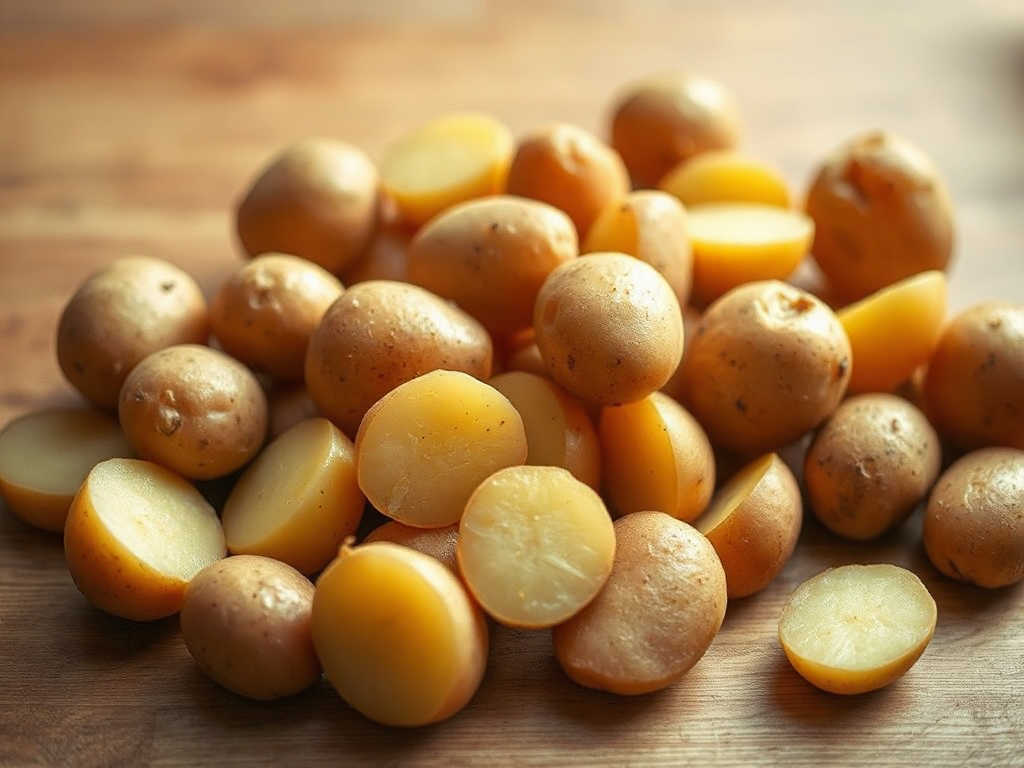
Organic potatoes and glycemic response after cooling are shaped mainly by starch structure, cooking method, cooling time, reheating, and serving size—not by the organic label alone. Cooling cooked potatoes allows some digestible starch to reorganize into resistant starch, which may slow glucose release, although the effect varies by potato type, preparation, and individual response. Chill potatoes promptly, store them safely, and use them cold or gently reheated rather than assuming cooling cancels their carbohydrate content. Pairing a modest portion with protein, non-starchy vegetables, and a source of acidity may further moderate a meal’s glucose impact. People using glucose-lowering medication should rely on personal readings and clinical guidance rather than treating cooled potatoes as a therapy.
Why Cooling Changes Potato Starch
Cooked potatoes contain starch that is softened by heat and made more accessible to digestive enzymes. When the potato cools, some of that starch realigns into a structure called resistant starch. It is not completely digested in the small intestine, so part of it reaches the colon, where gut microbes can ferment it. That shift may reduce the amount of rapidly available carbohydrate in a serving and may produce a gentler glucose response than an equivalent serving eaten piping hot.
The change is not a switch from high-carbohydrate food to low-carbohydrate food. A cooled potato still supplies starch, and the size of the change depends on the potato’s composition, cooking method, cooling duration, and whether it is later reheated. Cooling a boiled potato overnight may produce a different result from briefly resting a baked potato on the counter. Mashing can also expose more surface area and make starch easier to digest, while intact pieces generally require more chewing and digestion.
Temperature is only one part of the meal’s effect. A hot potato eaten in a small portion with lentils, greens, and eggs may produce a different glucose curve from a cold potato salad made with a large serving and little protein or fiber. Resistant starch may contribute to a lower post-meal rise, but it should not be used to justify unlimited portions or to replace prescribed diabetes care.
Readers researching organic potatoes and glycemic response after cooling should prioritize the complete preparation pattern: cook the potato, cool it promptly, retain its shape where practical, and serve a measured amount alongside foods that slow the meal’s overall digestion. The practical benefit is usually a possible improvement in carbohydrate quality, not removal of the carbohydrate.
Organic Growing, Potato Type, and Glycemic Impact
The organic designation describes how the potato was produced and handled under applicable organic standards; it does not establish a particular glycemic response. Organic and conventionally grown potatoes can differ in variety, maturity, storage history, cooking method, and serving size. Those variables often matter more to the immediate glucose response than whether the potato carries an organic label.
Potato variety changes texture and starch behavior. Waxy potatoes tend to hold their shape after boiling, making them useful for a chilled salad. Floury varieties break apart more readily and are often used for baking or mashing. Neither category automatically guarantees a lower response. A firm, cooled potato may be easier to portion and may retain more resistant starch than a freshly mashed serving, but the final result still depends on how much is eaten and what accompanies it.
Processing creates another important comparison. Whole boiled or roasted potatoes preserve more of their original structure than fries, crisps, or heavily mashed preparations. Fried products add substantial fat and may encourage larger portions, while packaged potato foods can contain sodium and other ingredients that change the meal without making the starch disappear. Choosing organic whole potatoes may support a preference for production practices, but it does not make refined or oversized potato servings metabolically neutral.
A useful shopping decision is to select the potato for the intended preparation rather than chase a label-based promise. Choose a firm variety for a chilled salad, keep the pieces intact, and add vegetables, beans, fish, tofu, or eggs. For a family meal, measuring the cooked potato portion and giving vegetables more plate space usually has greater practical value than assuming one organic variety will produce a predictable glucose result.
Cooling, Storage, Reheating, and Food Safety
Cooling affects starch, but safe handling determines whether the dish remains suitable to eat. Cooked potatoes should not be left at room temperature for extended periods. Transfer them into shallow containers so heat can escape, refrigerate them promptly, and keep the refrigerator sufficiently cold. A large, deep pot cools slowly in the center, creating a less controlled storage environment even when the surface feels cool.
For a practical chilled potato salad, boil potatoes until tender, drain them, cut large pieces if needed, and refrigerate them in a shallow container. Once cold, combine them with ingredients such as plain yogurt, mustard, herbs, vinegar, or olive oil. Acidic ingredients may alter flavor and the meal’s overall digestion, but they should not be treated as a guaranteed glucose-lowering mechanism. Refrigeration also makes portioning easier because the potato is firm and less likely to be served as an oversized mound.
Reheating introduces a tradeoff. Gentle reheating may preserve some of the structural changes created during cooling, but the exact effect varies and should not be promised. Reheated potatoes can also become soft again, which may make them easier to eat quickly. Avoid repeated cooling and reheating cycles: they reduce quality, complicate food safety, and do not create a reliable metabolic advantage.
- Cool: Move cooked potatoes into a shallow container rather than leaving them in a deep pot.
- Store: Refrigerate promptly and keep the container covered.
- Use: Serve cold or reheat gently, using a portion that fits the meal.
- Discard: Do not rely on smell alone if storage time or temperature was uncertain.
Food safety takes priority over attempts to maximize resistant starch. A potato that was cooled improperly is not a health food simply because it has been chilled.
Building a Lower-Impact Potato Meal
The most useful meal strategy combines a reasonable potato portion with fiber-rich, protein-containing, and minimally processed foods. A chilled potato salad with green beans, chickpeas, tuna, or tofu generally offers a different carbohydrate context from a bowl of potatoes eaten alone. Non-starchy vegetables increase volume without adding a comparable amount of starch, while protein and fat can slow the pace at which the meal leaves the stomach and reaches the small intestine.
Consider two plates. The first contains a large serving of hot mashed potatoes with little else. The second contains a smaller serving of cooled potato pieces, salmon or beans, leafy vegetables, and a vinegar-based dressing. Cooling may make the potato in the second plate somewhat less rapidly digestible, but the greater improvement may come from portion control and the added meal components. This distinction prevents a common mistake: treating resistant starch as permission to ignore total carbohydrate intake.
Eating order may also matter for some people, although responses differ. Starting with vegetables and protein before the potato can make the meal slower and more substantial. A brief walk after eating may be useful for some adults, but activity is not a substitute for medication management or individualized nutrition advice. People with diabetes, prediabetes, or a history of glucose swings should judge the meal by their own readings when monitoring is part of their care.
Use a simple trial rather than making a sweeping assumption. Prepare the same potato variety in a similar portion, compare it hot on one occasion with chilled or gently reheated on another, and keep the rest of the meal reasonably similar. Note the response your clinician has asked you to monitor. If cooling produces no meaningful difference, focus on serving size, potato texture, accompanying foods, and overall dietary pattern instead of forcing the method to work.
Common Assumptions and Practical Testing
Cooling does not guarantee a low glycemic response. Glycemic index values are averages from controlled conditions, while an individual meal response reflects digestion, activity, sleep, stress, medication, insulin sensitivity, and the rest of the plate. Even the same person may respond differently to a potato eaten after exercise than to one eaten late at night with a larger meal.
Another weak assumption is that organic potatoes contain less usable carbohydrate. Organic production may be a meaningful environmental, farming, or purchasing choice, but it should not be presented as a direct metabolic intervention. The carbohydrate content remains relevant, and peeling, cooking, cooling, dressing, and serving size all deserve more attention than the label alone.
A practical checklist can keep the experiment useful:
- Record the potato type, cooking method, and whether it was intact, cubed, or mashed.
- Use a consistent cooked portion and similar meal companions.
- Cool promptly and safely, rather than leaving potatoes on the counter.
- Compare the response at the monitoring times recommended by your healthcare professional.
- Change one variable at a time before drawing a conclusion.
Signs the approach is working include easier portion control, a meal that feels satisfying, and a personal glucose pattern that is more favorable under consistent conditions. Signs it is not working include repeated high readings, large servings justified by the word “cooled,” or storage practices that feel uncertain. In those situations, reduce the experimental emphasis and seek individualized advice. The most reliable priority remains a balanced plate, safe preparation, and a carbohydrate amount that fits the person’s health goals.
Frequently Asked Questions
Do organic potatoes have a lower glycemic response than conventional potatoes?
Not necessarily. Growing method does not reliably determine the potato’s glycemic response; variety, cooking, cooling, portion size, and the rest of the meal matter more.
How long should cooked potatoes cool before eating them cold?
Cooling overnight in a refrigerator is a practical approach, but safe handling comes first. Refrigerate cooked potatoes promptly in a shallow container rather than leaving them at room temperature.
Does reheating cooled potatoes remove resistant starch?
Reheating can change starch structure again, but the exact effect depends on temperature, time, texture, and preparation. Do not assume reheated potatoes retain the same response as chilled ones.
Are cold potato salads better for blood sugar?
They may produce a gentler response for some people because cooling can increase resistant starch. Dressing, portion size, added protein, fiber, and individual metabolism still determine the meal’s overall effect.
Can cooled potatoes treat diabetes?
No. Cooled potatoes are a food choice, not a treatment. Anyone managing diabetes should follow their care plan and use personal glucose information or professional advice when assessing portions.
Conclusion
Cooling cooked potatoes may shift part of their starch into resistant starch, making a chilled or gently reheated serving a potentially different carbohydrate choice from a freshly mashed or steaming-hot one. The effect is variable and does not erase the potato’s carbohydrate content. Organic status can guide a shopper’s production preferences, but it should not be mistaken for a guaranteed glycemic advantage. Prioritize safe refrigeration, intact potato pieces, a measured serving, and a plate that includes non-starchy vegetables and a protein source. If blood glucose is being monitored, compare similar meals rather than relying on general claims. That approach reveals whether cooled potatoes fit your own response, preferences, and health plan.