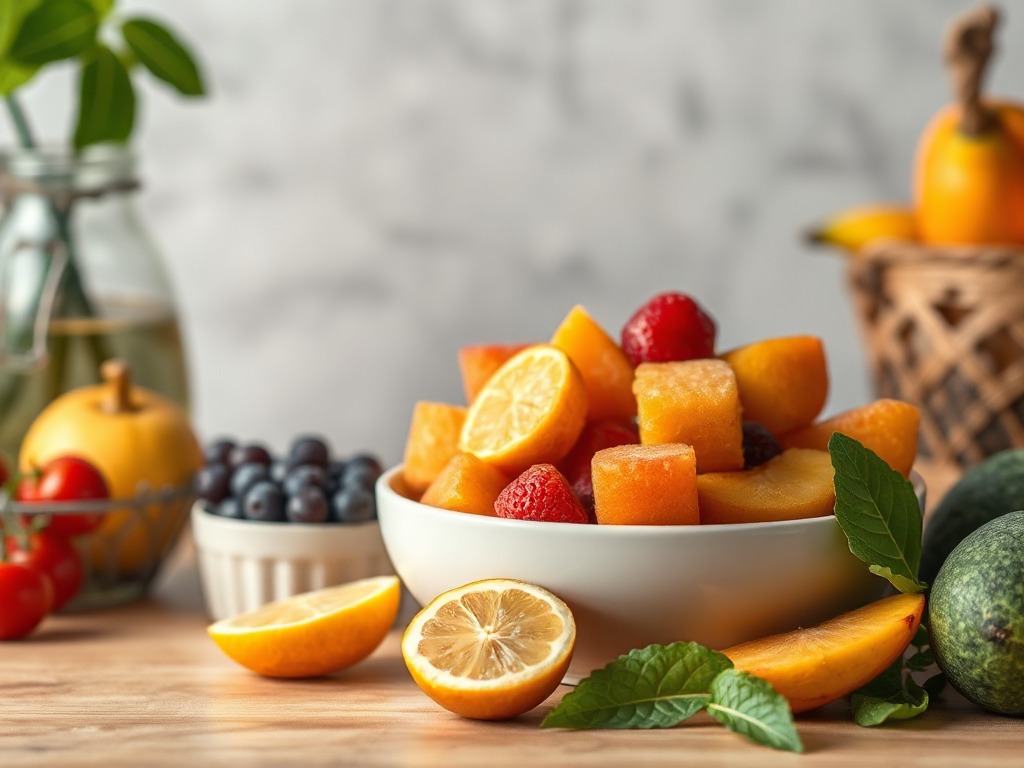
Organic fruit acids and mineral absorption during meals are connected because acids such as citric, malic, and ascorbic acid can change mineral solubility and may improve the uptake of non-heme iron from plant foods. Pairing citrus, kiwi, berries, tomatoes, or vinegar-based foods with beans, lentils, leafy greens, tofu, or fortified grains is generally more useful than taking fruit acids in isolation. The effect depends on the mineral, the meal’s phytate and polyphenol content, preparation, and individual digestive factors. Tea or coffee consumed with an iron-focused meal may work against absorption, while vitamin C-rich produce can offset some inhibitors. These pairings support nutrition but do not treat iron deficiency or other medical conditions.
What Fruit Acids Can Change During Digestion
Fruit acids influence mineral absorption mainly by affecting acidity, solubility, and the chemical form of minerals in a meal. Citric acid in oranges, lemons, limes, and some berries can bind minerals into soluble compounds, while vitamin C from produce may help convert plant-based iron into a form the intestine can absorb more readily. Malic acid, found in apples and other fruits, also contributes to the natural acidity of foods, although its specific effect in an ordinary mixed meal is less predictable.
The distinction between minerals matters. Iron from beans, lentils, tofu, pumpkin seeds, and leafy greens is non-heme iron, which is more sensitive to meal composition than the heme iron in meat, poultry, and seafood. A squeeze of lemon over lentils may therefore be more relevant to iron uptake than pairing lemon with a meal that already contains an easily absorbed mineral source. Calcium, magnesium, and zinc respond to a broader set of factors, including food structure, phytate, total intake, and digestive conditions.
A useful comparison is fruit eaten alongside food versus fruit juice consumed alone. The first approach places acids and vitamin C in the same digestive mixture as the mineral-containing food. Juice may provide acidity, but it can also add concentrated sugars and less fiber without guaranteeing a meaningful absorption advantage. Whole orange segments with a bean salad, or tomato and lime in a lentil bowl, usually offers a more balanced meal pattern.
Acidity is not a magic extraction tool. A strongly acidic flavor does not automatically mean that every mineral in the plate becomes more available. The amount of acid, the mineral involved, the food’s physical structure, and compounds that inhibit absorption all affect the result. Readers looking for broader meal composition ideas can also review organic fruit acids and mineral absorption during meals alongside guidance on plant-based protein and fiber.
Best Food Pairings for Plant-Based Minerals
The most practical pairing is a source of non-heme iron with a food rich in vitamin C and naturally occurring organic acids. Lentil soup with tomatoes, chickpea salad with lemon dressing, black beans with salsa, or tofu with broccoli and a citrus-based sauce all place potentially complementary foods together. The goal is not to make every meal sour; it is to add a modest portion of acidic, vitamin C-containing produce where it fits the dish.
For example, a bean-and-rice bowl can include roasted peppers, tomato, lime, and cabbage. Peppers and tomatoes contribute vitamin C, while lime supplies acidity and flavor. A different meal of oatmeal with berries and pumpkin seeds may provide iron, but the effect of the berries depends on portion, freshness, cooking, and the rest of the meal. Berries are useful foods, yet they should not be treated as a guaranteed correction for an otherwise low-iron diet.
Leafy greens require more nuanced handling. Spinach contains iron, but it also contains oxalates that can limit the availability of some minerals. Lemon juice may improve the meal’s iron environment, but it does not remove the oxalates. Cooking spinach reduces volume and changes its food matrix, while using kale, bok choy, or other greens changes the mineral profile and the relevant inhibitors. A practical decision is to vary greens rather than relying on one food as a mineral solution.
Acidic ingredients can also improve the culinary acceptability of mineral-rich foods. This matters because consistent intake usually has more nutritional value than an elaborate pairing used once. Try these combinations when they suit the meal:
- Beans or lentils with tomatoes, lemon, lime, or bell peppers.
- Tofu or tempeh with broccoli, cabbage, or a citrus dressing.
- Fortified cereal with kiwi, strawberries, or orange segments.
- Chickpeas with parsley, tomato, and lemon rather than a tea-based beverage.
These are food combinations, not treatment protocols. If you are comparing this topic with organic fruit acids and mineral absorption during meals, prioritize the mineral source first, then add an acid-rich whole food that improves flavor and provides vitamin C.
Meal Timing, Inhibitors, and Preparation
Timing matters most when an iron-focused meal is routinely accompanied by compounds that reduce non-heme iron absorption. Tea and coffee contain polyphenols that may interfere with iron uptake when consumed with meals, while calcium-rich foods and supplements can also compete in some meal contexts. The practical response is not to avoid these foods altogether, but to avoid assuming that a lemon wedge cancels every inhibitor.
A person eating lentil stew with a cup of black tea may get a different iron-absorption environment from someone drinking water and eating oranges with the same stew. If tea is part of the daily routine, moving it away from the most iron-focused meal may be a reasonable experiment. The exact interval does not need to become an obsession; consistency, total diet, and medical status are more important than perfect scheduling.
Food preparation changes the equation as well. Soaking, sprouting, fermenting, and thorough cooking can alter phytate and other compounds that bind minerals, although the effect depends on the food and method. Sourdough fermentation, for example, may change mineral availability in bread, but it does not turn bread into a concentrated mineral supplement. Rinsing canned beans can reduce sodium, while cooking and combining them with tomatoes or peppers may make a more useful meal than focusing on acidity alone.
Acid should be added with attention to comfort and food quality. Citrus, vinegar, and tomato can aggravate reflux or dental sensitivity for some people, particularly when consumed frequently as concentrated drinks. A whole-food dressing mixed into a meal is different from sipping acidic water throughout the day. A common mistake is to increase acid aggressively after reading that acidity supports absorption. More sourness is not automatically more absorption, and it may create avoidable digestive or dental problems.
A Practical Plan for Mineral-Focused Meals
A reliable meal plan begins by identifying the mineral and its main food source. Non-heme iron deserves the clearest pairing strategy because its absorption is relatively responsive to the surrounding meal. Zinc and magnesium still benefit from a varied diet, but adding fruit acid to every source of these minerals has not been established as a universal requirement.
Use this sequence when building a meal:
- Name the mineral source. Choose beans, lentils, tofu, seeds, whole grains, leafy greens, or a fortified food.
- Add a compatible produce item. Use citrus, kiwi, berries, tomatoes, cabbage, or peppers when the flavor and meal style fit.
- Check the beverage. If iron intake is a priority, consider water instead of tea or coffee with that meal.
- Choose a sensible preparation. Cooking, soaking, rinsing, or fermenting may improve the overall meal without requiring supplements.
- Assess the pattern. Look at repeated meals across the week rather than judging one plate.
Consider a weeknight meal of lentils, brown rice, and spinach. A practical version might use cooked lentils, a tomato-pepper base, a smaller portion of spinach, and lemon added at the table. If the diner drinks coffee, having it later rather than alongside the meal may reduce one competing factor. If lemon causes reflux, tomatoes or bell peppers may provide a better compromise. The best approach is the one that preserves regular eating and comfort.
Signs that the approach is working are modest: meals contain a dependable mineral source, produce is eaten consistently, and the plan is easy to repeat. Signs that it is failing include relying on acidic drinks instead of substantial food, avoiding numerous nutritious foods because of rigid timing rules, or expecting a pairing to correct fatigue or laboratory abnormalities. Use organic fruit acids and mineral absorption during meals as a meal-design principle, not as a substitute for dietary assessment.
Limits, Medical Considerations, and Realistic Expectations
Food pairing can influence mineral availability, but absorption is only one part of nutritional status. Body stores, ongoing losses, overall intake, digestive function, medication use, and health conditions may matter more than whether a meal includes citrus. Someone with diagnosed iron deficiency may need an evaluation of the cause and a clinician-directed treatment plan; fruit acids alone should not be presented as a treatment.
Organic certification also does not determine whether an acid will change mineral absorption. An organically grown lemon and a conventionally grown lemon both provide citric acid, while their mineral contribution is generally small compared with the meal’s beans, grains, seeds, or fortified foods. The relevant distinction is usually food composition and portion, not the production label. Organic produce can still be a valuable choice for personal, environmental, or farming reasons, but certification should not be confused with a special absorption mechanism.
Supplement timing requires additional caution. Iron, calcium, magnesium, and zinc supplements can interact with medicines or with one another, and taking them with acidic foods is not automatically appropriate. People with kidney disease, gastrointestinal disorders, malabsorption concerns, persistent digestive symptoms, or known nutrient deficiencies should obtain individualized advice rather than increasing acids or supplements independently.
The sensible priority is a varied diet built around adequate mineral sources, produce, and preparation methods that support regular intake. Acid-rich foods are a useful refinement, especially beside plant-based iron, but they are not a guarantee. If fatigue, shortness of breath, unusual weakness, or other concerning symptoms are present, food experimentation should not delay professional evaluation.
Frequently Asked Questions
Which fruit acids are most relevant to mineral absorption?
Citric acid and vitamin C-rich foods are the most practical focus for meals containing non-heme iron. Malic acid contributes to food acidity, but its effect in ordinary mixed meals is less predictable.
Should lemon juice be added to every mineral-rich meal?
No. Lemon can complement beans, lentils, and greens, but tomatoes, peppers, kiwi, berries, or cabbage may work just as well. Excess acid can worsen reflux or dental sensitivity.
Does fruit acid improve calcium and magnesium absorption?
Acidity may affect mineral solubility, but calcium and magnesium absorption depends on multiple dietary and physiological factors. Do not assume that sour foods substantially improve uptake in every meal.
Can tea or coffee reduce the value of an iron-focused meal?
Tea and coffee polyphenols may reduce non-heme iron absorption when consumed with food. Moving them away from the meal may be a reasonable option if plant-based iron intake is a priority.
Can acidic foods treat iron deficiency?
No. They may support iron absorption from some meals, but diagnosed deficiency requires professional assessment and, when appropriate, a treatment plan.
Conclusion
Organic fruit acids are most useful as part of a complete meal, not as a standalone absorption hack. Pairing citrus, tomatoes, peppers, kiwi, or berries with beans, lentils, tofu, fortified grains, or other plant-based iron sources may create a more favorable environment for non-heme iron uptake. Preparation, beverage choice, phytate, polyphenols, digestive tolerance, and total dietary intake still shape the outcome.
Build meals around a dependable mineral source, add an acid-rich whole food when it fits, and avoid tea or coffee with iron-focused meals if that adjustment is practical. Do not let rigid timing rules displace nutritious foods or delay evaluation of possible deficiency. A repeatable, comfortable pattern will generally serve you better than an aggressively acidic plan.
Further Reading
Authoritative Sources
- Increasing Your Nutrient Absorption With Food Pairings
my.sjcme.eduLeafy greens and avocado—Healthy ) can increase the absorption of carotenoids in plants. For ideal absorption, pair spinach with citrus fruits ...
- 7 food pairings that will increase nutrient absorption
nbcnews.com7 food pairings that will increase nutrient absorption · 1. VITAMIN C AND PLANT-BASED IRON · 2. TOMATOES AND OLIVE OIL · 3. TURMERIC AND BLACK ...
- 4 Food Pairings for Optimal Nutrient Absorption
nomz.comPairing spinach or with bell peppers, strawberries, or citrus fruits (all great sources of vitamin C) is an easy way to increase non-heme iron absorption.
- Food Synergy 101: How Smart Food Pairing Supports ...
performancelab.comSome vitamins and minerals are better absorbed when combined with a partner nutrient. For example, eating a bowl of spinach with a splash of ...