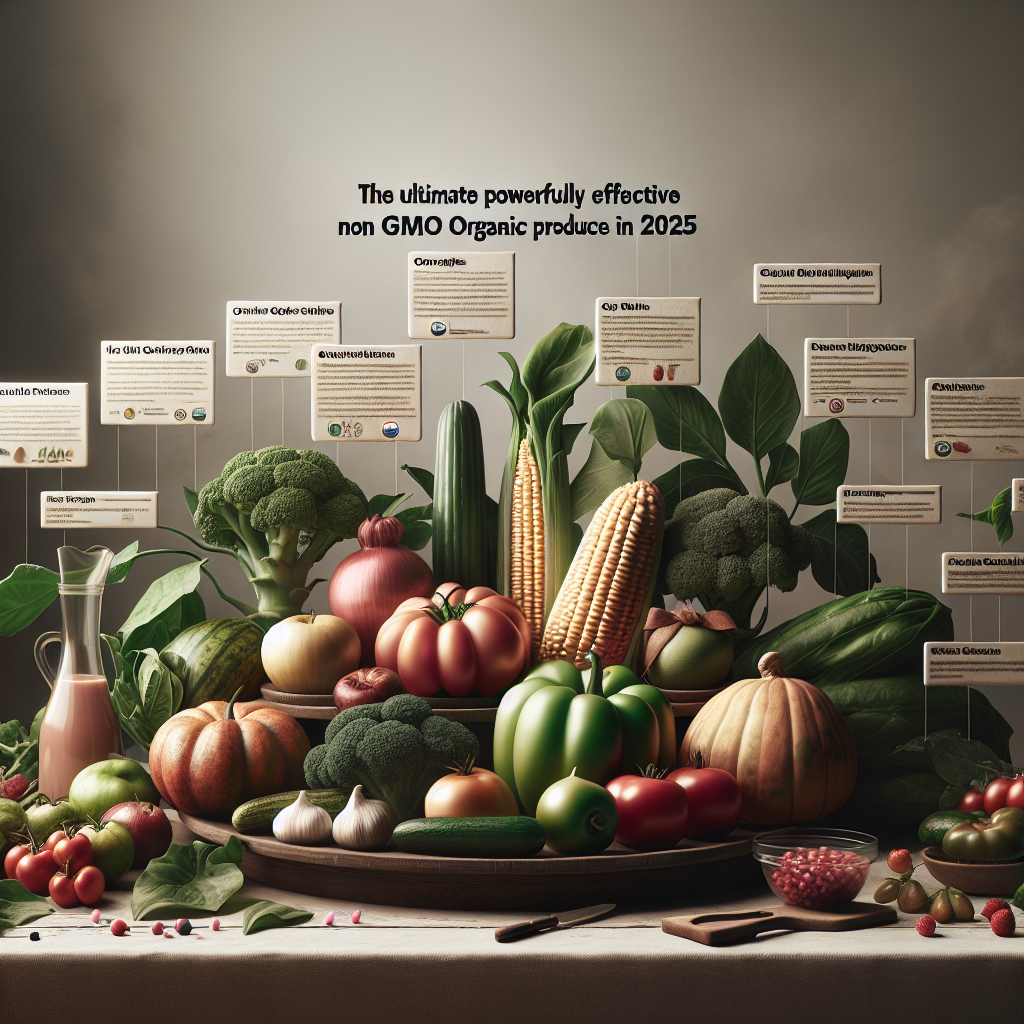
Prioritizing organic versions of these foods can maximize their health benefits. Organic produce is grown without synthetic pesticides and fertilizers, which means fewer harmful chemicals enter your body. Additionally, organic foods often contain higher levels of beneficial nutrients compared to their conventional counterparts. Understanding the impact of these foods on detoxification can help you make informed dietary choices that enhance your health.
Many people overlook the importance of food quality when considering detoxification. Choosing organic foods not only reduces exposure to harmful substances but also supports sustainable farming practices. As you explore ways to enhance your detoxification pathways, focus on integrating a variety of these organic foods into your meals for maximum benefits.
Cruciferous Vegetables: Nature’s Detox Powerhouses
Cruciferous vegetables, such as broccoli, kale, and Brussels sprouts, are renowned for their detoxification properties. They contain glucosinolates, compounds that enhance liver detoxification enzymes, aiding the body in processing and eliminating toxins effectively.
Incorporating these vegetables into your diet can significantly improve your detoxification capabilities. For instance, consuming steamed broccoli not only preserves its nutrient content but also maximizes its detoxifying effects. Aim to include a variety of cruciferous vegetables in your meals throughout the week to reap their full benefits.
However, some individuals may experience digestive discomfort when consuming large amounts of cruciferous vegetables. It’s essential to introduce them gradually into your diet and monitor how your body responds. Cooking these vegetables can also help make them easier to digest while retaining their detox benefits.
Berries: Antioxidant-Rich Allies in Detoxification
Berries, including blueberries, strawberries, and raspberries, are packed with antioxidants like vitamin C and flavonoids that help combat oxidative stress and support detoxification. These nutrients work synergistically to protect the liver from damage and promote efficient detoxification processes.
Adding a variety of berries to your diet can enhance your body’s ability to eliminate toxins. For example, blending a berry smoothie with spinach can provide a nutrient-dense breakfast that supports detox pathways. Aim for organic berries when possible to avoid pesticide residues.
It’s important to note that while berries are healthy, they should be consumed in moderation due to their natural sugar content. Balancing berry intake with other low-sugar fruits and vegetables can help maintain stable blood sugar levels while still benefiting from their detoxifying properties.
Garlic: A Natural Detoxifier
Garlic is not only a flavor enhancer but also a powerful detoxifying agent. It contains sulfur compounds that activate liver enzymes responsible for flushing out toxins. Additionally, garlic has been shown to have antimicrobial and anti-inflammatory properties, further supporting overall health.
Incorporating garlic into your meals can be as simple as adding minced fresh garlic to stir-fries or salad dressings. Its strong flavor enhances dishes while providing significant detox benefits. Aim to consume raw or lightly cooked garlic to maximize its health properties.
Some individuals may find garlic too pungent or may experience digestive issues when consumed in large quantities. Start with small amounts and adjust according to your taste and tolerance. Consider using garlic supplements if fresh garlic is not palatable.
Green Tea: Boosting Metabolism and Detox
Green tea is well-known for its health benefits, particularly in supporting detoxification. Rich in catechins, green tea enhances liver function and promotes fat metabolism, assisting in the elimination of toxins from the body.
Incorporating green tea into your daily routine can be simple and enjoyable. Consider replacing sugary beverages with green tea for a refreshing, low-calorie drink that supports detoxification. Aim for 2-3 cups of organic green tea daily to experience its full benefits.
Keep in mind that while green tea is beneficial, excessive consumption may lead to side effects like insomnia or digestive discomfort due to its caffeine content. Moderation is key, and it’s best to listen to your body’s response to caffeine when integrating green tea into your diet.
Further Reading
Authoritative Sources
- The Role of Fruits and Vegetables in Detoxification
ncbi.nlm.nih.govThis resource discusses the impact of fruits and vegetables on detoxification processes and overall health
- Top 10 Health Benefits of Green Tea
healthline.comA comprehensive overview of the health benefits of green tea, including its detoxifying properties
- Cruciferous Vegetables: Health Benefits
medicalnewstoday.comThis article highlights the health benefits of cruciferous vegetables, including their role in detoxification
Frequently Asked Questions
What are the best organic foods for detoxification?
Some of the best organic foods for detoxification include cruciferous vegetables, berries, garlic, and green tea, all of which support liver function and toxin elimination.
How often should I eat detoxifying foods?
Incorporating detoxifying foods into your daily diet is ideal. Aim to include a variety of these foods in most meals to maximize their benefits.
Can detoxifying foods help with weight loss?
Yes, many detoxifying foods, like green tea and cruciferous vegetables, can aid weight loss by boosting metabolism and promoting fat elimination.
Are there any side effects of consuming detoxifying foods?
While most detoxifying foods are safe, some individuals may experience digestive discomfort or allergic reactions. It’s important to introduce new foods gradually.
Is it necessary to eat organic foods for detoxification?
While not strictly necessary, choosing organic foods can reduce exposure to pesticides and enhance the overall nutritional benefits, supporting better detoxification.
Conclusion
Incorporating organic foods that support detoxification pathways naturally into your diet can significantly enhance your health and well-being. Focus on a variety of nutrient-rich options like cruciferous vegetables, berries, garlic, and green tea to maximize their detoxifying effects. Remember to prioritize organic produce to minimize harmful chemical exposure and support sustainable farming practices. By making informed dietary choices, you can effectively support your body’s detoxification processes and promote overall health.