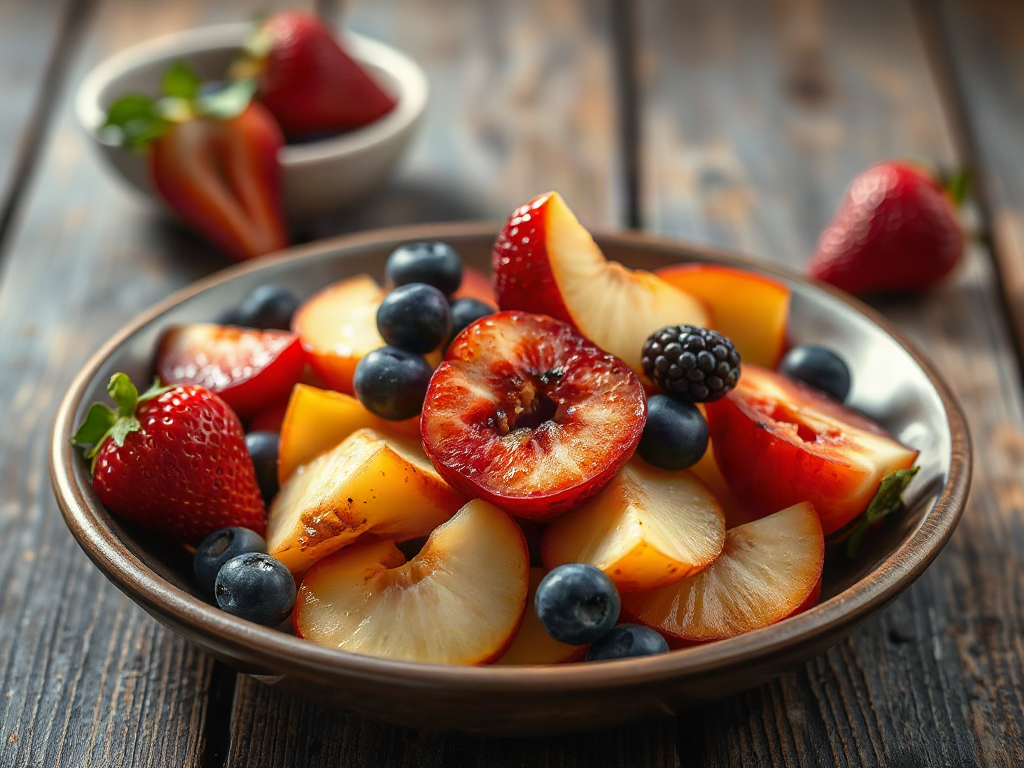
Organic fruit cooking methods that preserve texture rely on gentle heat, short cooking times, and careful handling before and after cooking. Poaching, steaming, quick sautéing, and low-temperature baking generally retain more shape than prolonged boiling because fruit cells are less exposed to intense heat and excess water. Choose firm, slightly underripe pieces for methods that involve movement, cut fruit into evenly sized portions, and stop cooking when the center is just tender. Overcrowding a pan, adding fruit to a cold syrup, or leaving cooked pieces in residual heat can turn a defined texture soft and watery.
How Heat Changes Fruit Texture
Fruit texture changes when heat weakens cell walls, softens pectin, and drives water from the flesh. The speed of that change depends on temperature, moisture, acidity, sugar concentration, ripeness, and the size of each piece. A firm pear may hold a neat shape during gentle poaching, while a fully ripe peach can collapse under the same conditions. Preserving texture therefore begins before the pan is heated: select fruit with enough structural firmness for the intended method.
High heat is not automatically the problem. A brief sauté can produce a browned surface while leaving the center intact, whereas a long simmer at a lower temperature may eventually create a softer result. Boiling is especially demanding because moving water bumps delicate pieces and extracts flavor into the cooking liquid. Steaming avoids direct agitation, but extended exposure can still make fruit limp. The useful question is not simply whether a method is healthy or organic; it is how much heat, water, movement, and time the fruit will experience.
Organic certification does not make fruit resistant to softening. Organic apples, berries, plums, and pears respond to heat according to their variety, ripeness, and cellular structure, just as conventionally grown fruit does. Rinsing should be gentle, and fruit should be dried before pan cooking so surface water does not create a steaming effect. For a broader reference point, organic fruit cooking methods that preserve texture should be judged by the condition of the finished pieces, not by the label alone.
A practical test is to cook one sample piece first. If its edges split while the center remains firm, reduce the cooking time or temperature only slightly; if the piece stays hard and dry, add moisture or extend the cooking in small increments. This trial is more reliable than copying a time from a recipe because fruit size and ripeness vary considerably.
Best Cooking Methods for Defined Pieces
Poaching, steaming, quick sautéing, and controlled baking offer the best balance between tenderness and shape for many fruits. Each method applies heat differently. Poaching surrounds fruit with warm liquid, steaming uses moist heat without submerging the pieces, sautéing transfers heat quickly through a pan and a small amount of fat, and baking concentrates heat in an enclosed environment. The choice should follow the texture you want rather than a fixed idea that one method is universally best.
Poaching works well for pears, apples, quince, and firm plums. Keep the liquid below a vigorous boil and use enough to contact the fruit without forcing pieces to tumble. A pear half can be turned carefully once so both sides soften evenly. The tradeoff is flavor dilution: longer poaching may produce a tender result but can move aromatic compounds and soluble sugars into the liquid. Remove the fruit when a thin knife meets modest resistance, then let it cool outside the hot syrup.
Steaming suits sliced apples, pears, peaches, and firm berries used in a warm topping. It limits direct water contact and can preserve a cleaner fruit flavor than boiling. Arrange pieces in a single layer, leaving space for steam to circulate. Steaming is less suitable for very soft fruit because the structure may weaken before the pieces can be removed neatly. A short steam followed by immediate cooling is preferable to leaving fruit above the hot water while the burner remains on.
Quick sautéing is useful when a browned edge matters. Use a wide pan, moderate heat, and pieces large enough to turn without breaking. Apples and firm peaches can develop surface color quickly; berries generally need gentler handling and may be better folded into the pan at the end. Compared with poaching, sautéing uses less water and creates more concentrated flavor, but it can scorch sugars or dry thin edges if the pan is too hot.
Low-temperature baking provides even softening for halved stone fruit, apples, and pears. Covering the dish during the early stage retains moisture, while uncovering briefly at the end can concentrate the surface. Baking is slower than sautéing, but it involves less handling, which benefits fruit that breaks easily. The mistake is treating all baking as gentle: a hot oven and a shallow dish can dry the outside before the interior softens.
Timing, Cutting, and Moisture Control
Uniform cutting is one of the simplest ways to preserve a consistent texture. Pieces with different thicknesses finish at different times, so thin edges may collapse while thick centers remain firm. For a fruit compote with visible pieces, cut apples or pears into similarly sized wedges. For a tart topping, slightly larger slices usually retain their shape better than thin shavings. Keep berries whole when possible, and halve only large fruit that needs to cook through.
Ripeness should influence the method and the stopping point. Firm fruit tolerates direct contact, turning, and longer cooking. Ripe fruit needs shorter exposure and may benefit from a covered bake or a brief warm-through rather than a simmer. Frozen fruit releases more water as it thaws, so adding it directly to a crowded pan can create a watery environment that softens the exterior. Spread frozen pieces in a single layer or thaw and drain them when a defined texture is the priority.
Acidic ingredients can change both flavor and structure. Lemon juice, wine, or another acidic liquid may help maintain a bright taste, but acidity does not guarantee firm fruit. Sugar can draw moisture outward and create a glossy syrup; it can also encourage browning during sautéing or baking. Add sweeteners with awareness of the cooking method. A sugary pan over high heat can burn before the fruit has softened, while a lightly sweetened poaching liquid allows more control.
Use a short, staged process rather than one long cooking period. Heat the liquid or pan first, add fruit in a single layer, check one piece before the stated time ends, and transfer the fruit away from the heat as soon as it reaches the desired tenderness. Residual heat continues cooking fruit in a covered pan, hot syrup, or warm baking dish. If the recipe requires chilled fruit, spread it on a cool plate so steam can escape instead of condensing on the surface.
- Use firm fruit for poaching, sautéing, or grilling-style pan cooking.
- Use short steaming or covered baking for ripe, delicate pieces.
- Keep pieces evenly sized and avoid crowding the vessel.
- Remove fruit before it reaches complete softness because carryover heat continues the process.
Choosing a Method for Different Fruits
Apples and pears are versatile because their firm flesh can withstand poaching, baking, steaming, and brief sautéing. For distinct wedges in a dessert or savory side, poaching or covered baking is usually easier to control than boiling. Quince is much firmer and often needs longer cooking; a low simmer can be appropriate, but the pieces should remain large enough to handle. Overly small quince cubes may become soft at the edges before the center is tender.
Stone fruits require more attention to ripeness. Firm peaches, nectarines, apricots, and plums can be halved and baked or quickly sautéed. Very ripe specimens may be better warmed in a sauce or added after the main cooking stage rather than cooked from the beginning. Removing the pit without tearing the surrounding flesh also matters: damaged areas release juice quickly and can cause the fruit to fall apart during turning.
Berries generally need the least cooking. Strawberries can be warmed briefly, but raspberries and blackberries often lose their shape after only a short simmer. If a recipe needs berry flavor with visible pieces, cook a portion into a sauce and fold fresh or barely warmed berries in afterward. This two-part approach gives concentrated flavor without exposing every berry to prolonged heat. Grapes and cherries can tolerate roasting or pan warming when kept whole, though cut pieces release juice faster.
Citrus is usually treated differently because its segments, membranes, and zest respond unevenly. Warm citrus segments briefly and avoid boiling them unless the goal is a sauce or preserve. For mixed fruit dishes, add citrus pieces near the end and use zest or juice earlier for flavor. The common mistake is selecting one cooking time for a mixed tray of apples, peaches, and berries. Add each fruit according to its firmness, or cook them separately and combine them after cooling.
For more specific planning, compare organic fruit cooking methods that preserve texture with the serving purpose. A firm topping needs intact edges, a sauce can accept breakdown, and a filling may need fruit that is tender but not wet. The desired final use should determine whether shape, moisture, or concentrated flavor receives priority.
Common Mistakes and Texture Checks
The most common failure is cooking by the clock without checking the fruit. A recipe time assumes a particular variety, size, starting temperature, and degree of ripeness. Those conditions rarely match perfectly. Begin checking early with a skewer, thin knife, or gentle press. The ideal result is often slightly firmer than the final serving texture because cooling, saucing, or resting can soften the pieces further.
Crowding creates another problem. When too much fruit fills a pan, released moisture cannot evaporate efficiently, so the pieces steam in their own juices instead of browning. A crowded baking dish also produces uneven heat. Use a wider vessel, cook in batches, or accept a softer result intentionally. Turning fruit repeatedly causes mechanical damage, especially after the cell structure has begun to weaken. One careful turn is usually enough for halves or thick wedges.
Adding cold fruit to a hot pan can reduce the pan temperature and encourage juice release before browning begins. Bringing the pan back to moderate heat gradually is more controlled than immediately using maximum heat. Conversely, placing delicate fruit into aggressively boiling liquid can split the surface. Gentle bubbling and a slotted spoon reduce impact. Do not press cooked fruit to test it; a light touch at the center gives better information without crushing the edges.
A useful texture checklist includes appearance, resistance, moisture, and handling. Look for intact edges rather than a glossy collapsed surface. Check whether the center yields slightly while still offering resistance. Notice whether liquid is clear and lightly syrupy or cloudy and excessive. All in all, see whether pieces can be lifted without tearing. If the fruit fails two or more checks, shorten the next cooking stage, reduce movement, or change to a method with less direct water contact.
When texture matters most, use organic fruit cooking methods that preserve texture as a working decision rather than a rigid recipe category. Test a small portion, record what happened, and adjust one variable at a time. Changing heat, cut size, liquid volume, and cooking time all at once makes the result difficult to interpret.
For practical food-handling and cooking information, consult extension publications, culinary science references, and food-safety guidance from recognized government or university sources. These resources can help clarify produce washing, safe storage, heating practices, and the effects of moisture and temperature on prepared foods.
Frequently Asked Questions
Is steaming better than boiling for keeping fruit intact?
Steaming often preserves shape better because the fruit is not submerged or pushed around by boiling water. It can still soften if the pieces are ripe or left over the steam too long.
Should fruit be fully ripe before cooking?
Not usually. Firm or slightly underripe fruit is easier to poach, sauté, or bake without collapse, while very ripe fruit is better warmed briefly or added near the end.
Why does cooked fruit become watery?
Wateriness can result from overcooking, overcrowding, frozen fruit releasing liquid, or using more cooking liquid than the fruit can absorb or evaporate.
How can I keep berries from falling apart?
Warm berries briefly, avoid vigorous stirring, and add delicate varieties after a sauce or syrup has already been cooked. Whole berries usually hold better than cut ones.
Should cooked fruit cool in its syrup?
Cooling in syrup adds flavor but can continue softening the fruit. Remove pieces promptly when shape is the priority, then add a small amount of cooled syrup before serving.
Conclusion
Preserving the texture of cooked organic fruit depends more on heat exposure, moisture, ripeness, and handling than on the organic label itself. Firm fruit can tolerate poaching, steaming, quick sautéing, or controlled baking, while ripe berries and soft stone fruit usually need brief warming and minimal movement. Cut pieces evenly, avoid crowded pans, check early, and remove fruit before it reaches complete softness. Pay attention to carryover heat in hot syrup, covered dishes, and warm pans. If the final dish needs visible pieces, test one sample and adjust a single variable at a time. That approach produces clearer information than extending a cooking time automatically and gives you a repeatable way to choose the method that fits the fruit and the serving purpose.