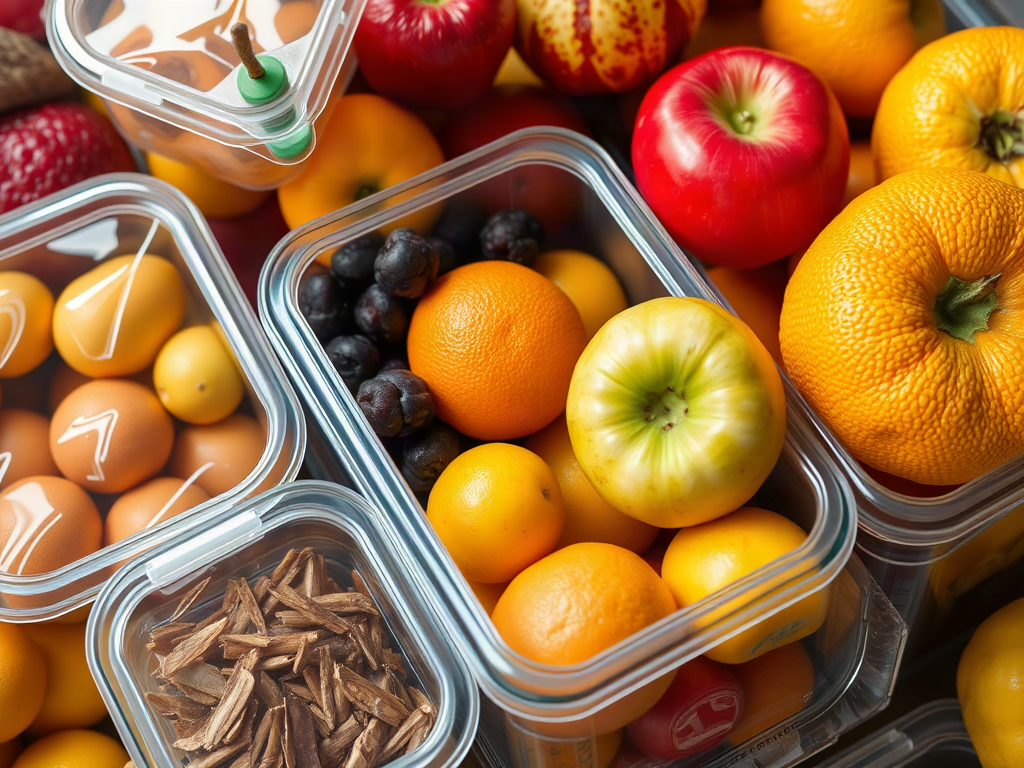
Organic fruit storage in airtight containers works best for refrigerated, dry, fully ripe fruit that has been protected from trapped moisture and excess ethylene. Use clean food-grade containers, add an absorbent liner when appropriate, and leave delicate berries unwashed until shortly before eating unless they can be dried completely. Airtight storage slows dehydration and limits outside odors, but condensation can accelerate mold and softening. Keep ethylene-producing fruit such as apples separate from sensitive items, inspect the container daily, and remove damaged pieces promptly.
When Does Airtight Storage Help Fruit?
Airtight storage is most useful after fruit is ripe and ready for refrigeration. A closed container reduces airflow around the fruit, limiting moisture loss that can leave grapes wrinkled, cut melon dry, or sliced apples leathery. It also shields fruit from refrigerator odors and accidental contact with drips or crumbs. Those advantages apply equally to conventionally and organically grown produce; the organic label does not change the basic effects of temperature, humidity, bruising, or fungal growth.
The same seal that limits dehydration can create a damp microclimate. Fruit continues to release water after harvest, and moisture left from washing can collect on the lid or walls. When droplets remain against raspberries, strawberries, or other tender surfaces, deterioration may move quickly. A container that appears protective can therefore shorten storage life if the fruit enters it wet, warm, crushed, or already moldy.
Ripeness also determines whether sealing makes sense. Peaches, pears, plums, nectarines, mangoes, and avocados are commonly allowed to finish ripening at room temperature before refrigeration. Sealing hard, unripe fruit does not reliably produce better flavor, and a closed box makes it easier to miss overripening or decay. Whole bananas are especially poor candidates because their peels darken in the refrigerator even though the flesh may remain usable.
Ethylene adds another constraint. Apples, pears, ripe stone fruit, and several other fruits release this natural plant hormone, which can speed ripening and aging in nearby produce. An airtight container may concentrate ethylene rather than making it disappear. Separating high-producing fruit from ethylene-sensitive items is more effective than packing a mixed fruit assortment into one large box.
A practical decision starts with three checks:
- Is it ripe? Refrigerate fruit only after it reaches the eating stage when room-temperature ripening is needed.
- Is it dry and sound? Do not seal visible moisture, leaking juice, bruised tissue, or mold with healthy pieces.
- Will it tolerate high humidity? Firm grapes and cut fruit benefit more predictably than wet, tightly packed berries.
Signs that the method is working include firm texture, little condensation, a clean aroma, and no pooled liquid. Fogged walls that remain wet, fermenting odors, leaking juice, spreading softness, or fuzzy growth indicate that the container should be emptied and cleaned. Discard moldy soft fruit rather than trying to rescue it by trimming the visible spot, because deterioration may extend below the surface.
How Should Fruit Be Prepared Before Sealing?
Preparation should minimize damage and prevent free water from entering the container. Begin by sorting fruit on a clean work surface. Remove pieces with mold, split skins, leaking juice, or extensive bruising before they contact the rest. A single collapsing strawberry can wet surrounding berries, while one cracked grape can create a sticky area where deterioration becomes harder to spot.
For most whole fruit, washing immediately before use is the simplest moisture-control approach. Store berries and grapes dry if they are clean enough to refrigerate as purchased, then rinse them under cool running water before eating. Soap, detergent, and household cleaners do not belong on produce. If fruit must be washed in advance for convenience, drain it thoroughly and spread it in a single layer on a clean towel until the surfaces, crevices, stems, and container-facing sides are dry.
Prewashing creates a real tradeoff. It can make fruit easier to serve during a busy week, but rushed drying increases condensation risk. A household preparing snack portions may reasonably wash firm grapes ahead of time because they can be dried and inspected individually. Doing the same with delicate raspberries is harder: their hollow centers retain water, and handling can rupture the fruit. For those berries, washing just before serving is usually the lower-risk choice.
Cut fruit requires stricter handling because slicing removes the protective peel and transfers organisms from hands, knives, boards, and rind surfaces to the edible flesh. Wash the outside of melons and other fruit before cutting, even when the rind will not be eaten. Use clean utensils, refrigerate the pieces promptly, and avoid leaving a prepared container at room temperature during a long meal or commute. A sealed lid does not make warm cut fruit shelf-stable.
Use this compact preparation sequence:
- Inspect every piece and remove damaged fruit.
- Keep whole fruit unwashed unless advance preparation is necessary.
- If washing, dry it completely before packing.
- Cool recently cut fruit promptly in a clean, shallow container.
- Label prepared fruit with the packing date so age is visible.
A common mistake is topping up an older container with a new purchase. That mixes fruit at different stages of ripeness and can transfer moisture or decay to the fresh batch. Finish, discard, or relocate the older fruit; then wash and dry the container before refilling it. The extra step makes visual checks more meaningful because every piece began storage at roughly the same time.
Choosing Containers and Controlling Moisture
A suitable container is food-grade, easy to wash, large enough to avoid crushing, and fitted with a lid that closes consistently. Glass offers clear visibility and resists staining, but it is heavier and can break. Reusable plastic is lighter and easier to carry, though scratched or warped pieces may be harder to clean or seal. Neither material keeps fruit fresh by itself; packing density, dryness, temperature, and inspection matter more than whether the walls are glass or plastic.
Container shape should match the fruit. A shallow box protects raspberries and sliced peaches from the weight of multiple layers. A deeper vessel can work for firm grapes or cherries if it is not overfilled. For cut melon, a broad, leak-resistant container keeps juice from spreading through the refrigerator. Packing a large volume into a small box saves shelf space but creates pressure points and hides damaged pieces at the bottom.
An absorbent liner can manage small amounts of moisture under whole berries or grapes. Place a clean paper towel at the bottom and replace it if it becomes damp. The liner is not a substitute for drying, and it should not be pressed against juicy cut surfaces where it may adhere. Reusable cloth liners can work when they are freshly laundered, fully dry, and changed frequently, but their folds may conceal crushed fruit or moisture.
True airtightness is not always the ideal target. If condensation repeatedly forms despite careful drying, switch to a vented produce container, loosen the lid slightly, or use the refrigerator’s produce drawer in the packaging designed for that fruit. Ventilation allows excess moisture to escape, although it may increase dehydration. The better choice is the one that keeps the surface dry without noticeably shriveling the produce.
| Storage condition | What to check | Practical adjustment |
|---|---|---|
| Dry fruit begins to wrinkle | Excess airflow or a loose lid | Use a better seal and inspect daily |
| Water collects under the lid | Wet fruit, warm packing, or trapped humidity | Dry the fruit and try a vented container |
| Bottom pieces soften first | Overfilling or pooled juice | Use a shallower box and fewer layers |
| Fruit develops refrigerator odors | Poor seal or strong nearby foods | Reseal it and separate odor-producing foods |
Cleaning between batches matters because fruit residue can remain around lid gaskets and corners. Wash the vessel with hot, soapy water, rinse it, and let every part dry before reuse. Replace containers with persistent odors, damaged seals, deep scratches, or cracks. A lid that snaps shut is useful only when the contact surfaces are clean and the box has not been distorted.
How Should Different Fruits Be Stored?
Fruit should be grouped by structure, ripeness, and moisture behavior rather than placed in one universal airtight box. Delicate berries need protection from pressure and dampness. Firm fruit tolerates handling better but may release ethylene. Cut fruit requires prompt refrigeration and leak control. Treating these groups differently produces more reliable results than applying the same routine to every organic purchase.
Berries, Grapes, and Cherries
Strawberries, blueberries, raspberries, and blackberries should be sorted carefully and packed without compression. Keep them dry, use a shallow container, and consider a liner beneath them. Blueberries generally tolerate handling better than raspberries, but all berries should be checked for moisture and damaged pieces. Grapes and cherries can be stored in larger containers because they are firmer; keeping stems attached until use can reduce unnecessary breaks in the skin.
A household that buys a large berry package may get better results by dividing it into two shallow containers. The fruit is easier to inspect, and the bottom layer carries less weight. The tradeoff is more refrigerator space and another container to clean. If space is limited, the original ventilated package may outperform an overcrowded airtight box.
Apples, Citrus, and Firm Fruit
Whole apples usually do not need airtight storage, but a closed container can limit dehydration and isolate them from sensitive produce. Do not seal apples together with leafy produce or fruit that is already fully ripe. Whole oranges, lemons, limes, and grapefruit generally tolerate refrigeration well, although trapped surface moisture may encourage localized decay. Dry citrus thoroughly and avoid packing fruit with punctured or softened peels.
Firm fruit is sometimes assumed to be maintenance-free. That assumption fails when one apple has a hidden bruise or one orange begins leaking. Even durable produce benefits from periodic inspection, especially when stored out of sight in an opaque drawer or stacked container.
Stone Fruit, Pears, Mangoes, and Avocados
These fruits are usually better left at room temperature until ripe, then moved to the refrigerator to slow further softening. Once ripe, a container can protect them from bruising and moisture loss, but it should not squeeze them together. Check daily because the transition from ripe to overripe can be brief, particularly for peaches and pears.
Refrigerating too early may leave some fruit firm and less aromatic. Waiting too long can produce soft spots and leaking juice that contaminate neighboring pieces. Use aroma, gentle pressure, and skin condition as practical ripeness cues rather than relying only on the purchase date.
Cut Fruit
Sliced apples, melon cubes, pineapple, and peeled citrus belong in clean, covered containers in the refrigerator. Use portions that can be eaten without repeatedly opening a large batch, especially when packing lunches. Keep the container cold during transport with an insulated bag and cold source when refrigeration is unavailable.
Discard cut fruit that develops an alcoholic or fermented smell, slime, mold, extensive discoloration, or unexplained bubbling. Browning alone on a sliced apple is mainly a quality change, but odor, texture, temperature history, and visible growth provide more useful signals. When storage conditions are uncertain, do not rely on the airtight lid as evidence that the contents remain suitable to eat.
Frequently Asked Questions
Should organic berries be washed before airtight storage?
Usually, wash berries shortly before eating. If advance washing is necessary, rinse them under cool running water and dry every surface thoroughly before refrigeration.
Does an airtight container make fruit last longer?
It may reduce dehydration and odor transfer, but it can shorten storage life when moisture becomes trapped. Fruit type, ripeness, temperature, and dryness determine the result.
Can different fruits share the same sealed container?
It is better to separate delicate fruit from heavy pieces and keep ethylene producers, such as apples and ripe pears, away from sensitive produce.
What should I do if condensation appears?
Remove the fruit, dry both fruit and container, discard damaged pieces, and repack loosely. If moisture returns, use a vented container or loosen the seal.
Is glass better than plastic for storing fruit?
Both can work when food-grade, clean, intact, and correctly sized. Glass offers visibility and stain resistance; plastic is lighter and less likely to break.
Conclusion
The best container is the one that balances moisture retention with a dry fruit surface. Sort each batch, let ripening fruit reach the desired stage before refrigeration, and avoid sealing damaged or wet pieces beside sound produce. Shallow containers protect berries, while firm and cut fruits can use deeper leak-resistant vessels when they are not overcrowded.
Check stored fruit rather than trusting the lid or a fixed calendar. Persistent condensation calls for better drying or added ventilation; shriveling suggests excess airflow. Separate ethylene-producing fruit, clean containers between batches, and date prepared portions. Start by adjusting one recurring problem—wet berries, bruised lower layers, or mixed ripeness—then keep the setup that preserves texture without creating pooled moisture, off odors, or hidden decay.