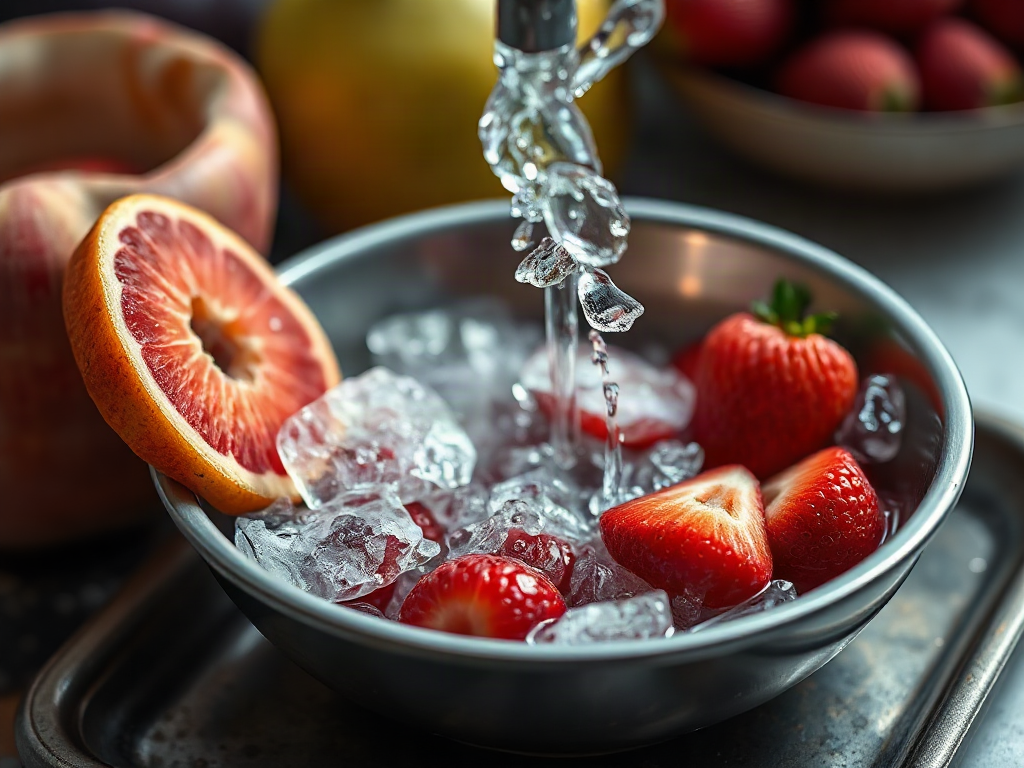
Organic fruit washing for thick versus thin skins should match the fruit’s surface: rinse delicate berries and other thin-skinned items gently, while firmer thick-skinned fruit can tolerate a clean produce brush and more thorough rubbing. Running water removes soil and loose residue, but washing does not reliably eliminate every microorganism or residue concern. Avoid soap, detergent, bleach, and soaking porous fruit, because these approaches may damage the surface or leave unwanted residues. Wash hands and utensils first, rinse shortly before eating, dry with a clean towel, and inspect crevices around stems, crowns, and rough peel where debris collects.
Why Skin Thickness Changes the Washing Method
Skin thickness affects how much friction, water pressure, and handling a piece of fruit can tolerate. A firm orange, lemon, or melon has a resilient outer layer that can be rubbed more assertively, while raspberries, peaches, grapes, and ripe plums may bruise, split, or lose their protective surface under the same treatment. The useful distinction is not simply “organic” versus “conventional”; it is the condition and structure of the fruit in front of you.
Fruit skin is not a sealed shield. Natural cracks, stem scars, pores, bruises, and rough folds can hold soil or moisture. On a cantaloupe, the netted rind creates more places for debris to remain than the comparatively smooth skin of an apple. A strawberry’s leafy crown can trap particles, whereas a smooth grape offers fewer concealed areas but is easily crushed. Washing therefore needs to remove loose material without creating new damage that shortens quality.
A short rinse under cool, potable running water is the foundation for both groups. Water movement loosens surface dirt more effectively than a stagnant bowl, while gentle rubbing helps dislodge material that clings to the skin. A brush is useful only when the surface is firm enough to withstand it. Treating every item identically is a common failure: scrubbing berries can create leaks, but merely splashing water over a ridged melon may leave debris in the rind.
Use organic fruit washing for thick versus thin skins as a handling decision rather than a product-shopping exercise. The fruit’s firmness, ripeness, surface shape, and intended use should determine the method.
Thin-Skinned Fruit: Gentle Rinsing Without Damage
Thin-skinned fruit needs low-friction handling, brief exposure to water, and careful drying. Berries, ripe stone fruit, grapes, cherries, and soft pears are examples where aggressive rubbing can break the skin or bruise flesh beneath it. Once the surface is damaged, juice leakage and trapped moisture can accelerate deterioration, particularly when the fruit is stored in a crowded container.
Place the fruit in a clean colander and rinse under a gentle stream. Move the colander rather than rubbing each piece forcefully with your fingers. For grapes or cherries, lightly turn the fruit so several surfaces meet the water; for raspberries and blackberries, allow the water to pass over them and handle them as little as possible. Peaches and plums can usually tolerate light rubbing with clean fingertips, but pressure should decrease as the fruit softens.
Wash delicate fruit close to the time it will be eaten unless the package or storage plan requires earlier preparation. Drying matters because water caught between pieces creates a damp environment and can make soft fruit deteriorate faster. Spread the fruit on a clean towel or use a salad spinner designed for delicate items, stopping before the fruit is tossed forcefully. The aim is a dry surface, not a polished or scrubbed one.
Do not assume that soaking is gentler than rinsing. A bowl may reduce direct water force, but it can spread material through the water and keep fragile fruit wet longer. Do not use soap, dish detergent, or household cleaners; fruit skins can retain residues, and these products are not needed for routine washing. A practical check is visual and physical: fruit should remain intact, free of obvious soil, and not sitting in pooled water. For more detail, see organic fruit washing for thick versus thin skins when deciding whether a particular soft item needs only a rinse or should be handled individually.
Thick-Skinned Fruit: Brushing Crevices and Firm Surfaces
Thick-skinned fruit benefits from deliberate surface contact because its rind often has folds, pores, or a rough texture that water alone may not reach. Melons, citrus fruit, avocados, and firm winter squash-like fruits can usually be rinsed and rubbed more thoroughly than berries. The objective is still surface cleaning, not sterilization or removal of every substance that may have contacted the crop.
Begin by rinsing the intact fruit under running water. Use clean hands for smooth citrus and avocados, or a clean produce brush for firm, textured surfaces such as a cantaloupe rind. Brush in several directions with moderate pressure, concentrating on the stem end, blossom end, grooves, and netted areas. A brush reserved for produce should be washed and allowed to dry between uses; a dirty brush can transfer residue rather than remove it.
The outside deserves attention even when the peel will be discarded. Cutting through an unwashed rind can move surface material onto the knife and then onto the edible flesh. This matters with melons and other large fruit because the blade crosses a substantial area of skin. After washing, dry the fruit with a clean towel before cutting, and use a clean cutting board and knife.
Thick skin does not justify harsh chemicals or very hot water. Detergent, bleach solutions, and commercial washes may leave residues or create a false sense of security, while excessive scrubbing can damage a rind and make handling less hygienic. A firm orange can receive more rubbing than a ripe avocado, whose skin may be tough but whose flesh bruises easily under pressure. Choose the least aggressive method that reaches the entire surface, then inspect the result rather than repeating friction automatically.
A Practical Washing Sequence and Common Mistakes
A consistent sequence prevents cross-contamination and limits unnecessary wetness. Wash your hands before handling fruit, clean the sink or preparation area, and remove damaged or visibly spoiled pieces from the batch. Rinse the fruit under running water, apply fingertip rubbing or a produce brush according to the skin, and dry it with a clean towel. Wash cutting tools and boards after preparing unwashed rinds or visibly dirty items.
Use this compact decision sequence at the sink:
- Soft or thin-skinned: use a gentle stream, minimal handling, and prompt drying.
- Firm and smooth: rinse and rub all surfaces, including stem areas.
- Firm and textured: rinse first, then use a clean produce brush in the grooves.
- Cutting through the peel: wash and dry the exterior before the knife touches it.
Several mistakes repeatedly undermine otherwise sensible washing. Washing fruit in a visibly dirty sink can recontaminate the surface. Rinsing only the side that looks clean leaves the stem end or underside untreated. Preparing a whole melon on a board used for raw meat introduces a separate hazard unrelated to whether the fruit is organic. Another mistake is washing a large batch days before eating it, then storing wet pieces in a sealed container.
The signs of an appropriate method are modest: visible dirt is gone, the skin remains intact, and the fruit is not left dripping. If berries split, peaches show pressure marks, or a melon still has debris embedded in its grooves, adjust the technique rather than escalating to chemicals. The process described on organic fruit washing for thick versus thin skins works best when washing, drying, cutting, and storage are treated as connected steps.
Organic Labels, Residue Concerns, and Realistic Limits
Organic certification describes how a food was produced under applicable standards; it does not mean the fruit arrives free of soil, microbes, or all residues. Organic fruit still passes through fields, packing areas, transport, displays, hands, and kitchen surfaces. Washing removes loose dirt and some surface contamination, but it cannot guarantee that every microorganism has been eliminated or that a damaged item is made safe.
Washing also does not reverse spoilage. Mold, leaking juice, fermentation odors, or widespread soft decay call for a food-quality decision rather than more rinsing. Cutting away one questionable spot may not be appropriate when spoilage is extensive or the fruit has an abnormal smell. A clean rinse is a preparation step, not a rescue method for fruit that has been stored poorly.
Residue anxiety can lead people toward stronger products than the situation warrants. Soap and household disinfectants are not routine fruit-washing solutions, and soaking may increase water uptake or shorten the useful life of delicate items. If a person has a medically directed food-safety plan or a household member with special vulnerability, official public-health guidance may warrant stricter handling than ordinary kitchen practice.
Prioritize the points that change the outcome: wash hands and equipment, match friction to the skin, clean rough rinds before cutting, dry fragile fruit, and keep spoiled items separate. Those actions address realistic transfer routes without pretending that a home rinse can make food sterile.
Frequently Asked Questions
Should organic fruit be washed differently from conventional fruit?
The skin and condition matter more than the label. Wash both types under running water, using gentle handling for soft fruit and a clean brush for firm, textured rinds.
Can soap be used on thick-skinned fruit?
No. Soap and detergent may leave residues and are unnecessary for routine produce washing. Rinsing, rubbing, and brushing are the appropriate household methods.
Should berries be soaked before eating?
A brief gentle rinse is generally preferable to prolonged soaking, which keeps delicate fruit wet and may increase bruising or deterioration.
Why wash a melon if the rind will be discarded?
A knife can carry material from the rind onto the flesh as it cuts. Rinse and brush the exterior, then dry it before slicing.
When should fruit be washed?
Wash it shortly before eating when practical. If fruit is washed earlier, dry it thoroughly and store it in a way that avoids trapped moisture.
Conclusion
Effective fruit washing depends on matching contact to the surface. Thin-skinned berries, cherries, grapes, and ripe stone fruit need a brief rinse, light handling, and careful drying so cleaning does not create bruises or splits. Firm citrus, avocados, and melons can tolerate more rubbing, and rough rinds deserve a clean produce brush before cutting. Organic status does not remove the need for washing, while soap, bleach, and long soaking add little practical value and may create new problems. Wash hands and tools first, clean the entire exterior, inspect crevices and stem ends, and separate spoiled fruit from sound pieces. That approach provides sensible surface cleaning while keeping expectations realistic about what a household rinse can and cannot accomplish.