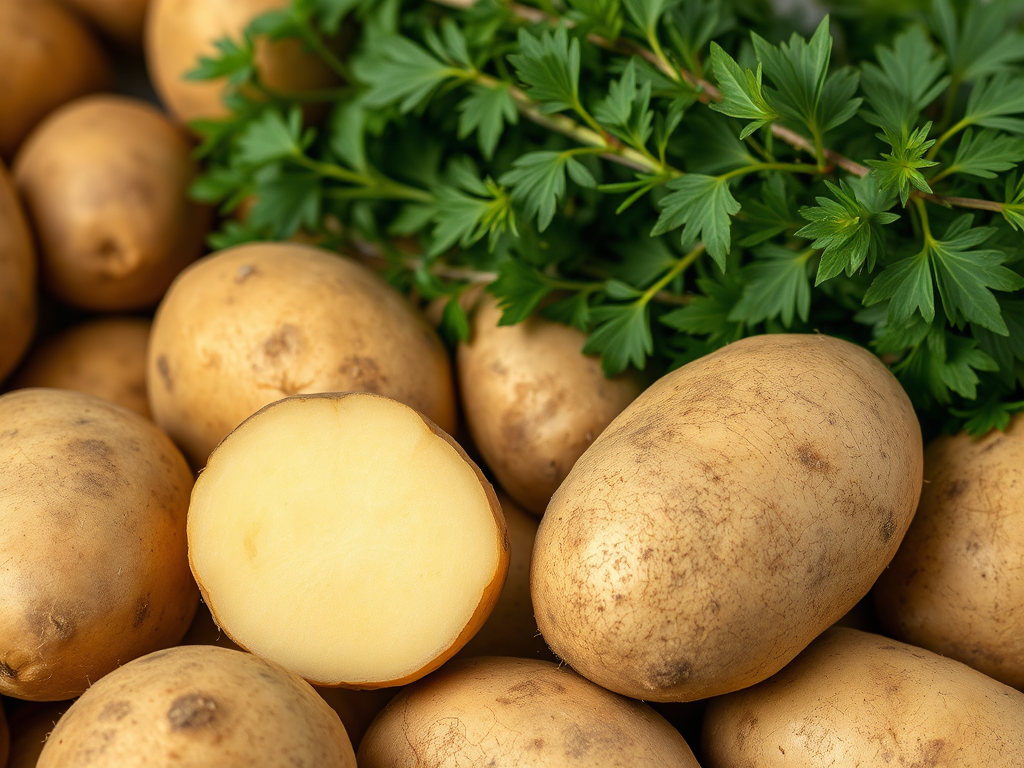
Organic potatoes do differ somewhat by variety, mainly because their skin color, flesh pigments, starch balance, and growing conditions influence compounds such as vitamin C, potassium, carotenoids, and anthocyanins. Purple and red potatoes often provide more antioxidant pigments than white or yellow types, while russets tend to be starchier and waxy varieties usually hold their shape better after cooking. Organic certification does not create a separate nutritional profile; the variety, freshness, storage, preparation method, and whether the skin is eaten matter more. Choose colorful potatoes when you want more plant pigments, keep the skin when practical, and compare preparation methods rather than assuming every organic potato offers the same benefits.
What Potato Variety Changes Nutritionally
Potato variety can affect the balance of starch, moisture, pigments, fiber, and micronutrients in the tuber. All potatoes provide carbohydrate, potassium, vitamin C, and smaller amounts of protein, magnesium, vitamin B6, and other nutrients, but the proportions are not identical. A thin-skinned red potato, a deeply pigmented purple potato, and a floury russet bring different characteristics to the plate even when their basic food category is the same.
The most visible difference is color. Red and purple skins contain plant pigments that belong largely to the polyphenol family, while yellow and gold flesh may contain carotenoids. These compounds are not the same as vitamins, and their presence does not make one potato a cure or a guaranteed health food. They do, however, help explain why colorful varieties can contribute a broader range of naturally occurring plant compounds than pale varieties.
Texture also signals a nutritional distinction. High-starch potatoes, such as many russets, contain more dry matter and produce a fluffy baked or mashed result. Waxy potatoes have more moisture and hold their structure in salads, soups, and skillet dishes. Resistant starch can form when cooked potatoes cool, although the amount depends on the potato, cooking process, storage, and reheating. That change may make a cooled potato salad nutritionally different from a freshly baked potato, but it should not be treated as a reason to ignore portion size or overall meal balance.
A common mistake is to treat variety as the only deciding factor. The serving size, skin use, preparation method, and accompanying ingredients can outweigh modest differences between cultivars. A purple potato roasted with its skin and a moderate amount of oil may offer a different eating experience from a peeled russet deep-fried into chips. The variety matters, but the final dish matters too.
Red, Purple, Yellow, White, and Russet Potatoes Compared
Purple potatoes are usually the clearest choice when the goal is to increase colorful plant compounds. Their skin and flesh can contain anthocyanins, the pigments also responsible for the color of some berries. The concentration varies by cultivar and growing conditions, so a purple potato is not automatically richer in every nutrient. Its antioxidant profile is simply more visibly distinct.
Red potatoes commonly have thin skins and firm, moist flesh. Eating the skin can preserve some fiber and skin-associated phytochemicals, provided the potato is scrubbed well and is free from spoilage. Red varieties work well in roasted dishes and salads because they are less likely to fall apart than a very starchy baking potato. Their red color should not be confused with a guaranteed advantage in calories, carbohydrate, or potassium.
Yellow and gold potatoes often have a buttery texture and may contain carotenoid pigments in the flesh. They are useful when a meal needs a creamy mouthfeel without relying entirely on added cream or butter. White potatoes can also be nutritious, particularly when eaten with the skin and prepared simply. Their paler appearance says little about their overall value as a source of carbohydrate and potassium.
Russets are generally starchier and are especially suited to baking, mashing, and roasting. Their loose texture can encourage larger portions when the potato is loaded with cheese, bacon, or rich sauces, so the practical issue is often the topping rather than the tuber. A baked russet with beans, vegetables, and yogurt has a different nutritional profile from a restaurant-style loaded potato.
Readers comparing labels or farmers-market displays should avoid ranking varieties as universally “best.” A useful comparison looks like this:
- More visible pigments: purple and red varieties.
- Fluffy texture: russets and other high-starch types.
- Shape retention: red, fingerling, and other waxy potatoes.
- Creamy texture: yellow or gold varieties.
The nutrition gap between varieties is often smaller than the gap created by peeling, frying, or adding high-calorie toppings. For a closer comparison of nutrients, USDA FoodData Central is more useful than color-based assumptions; entries can differ by raw or cooked status, so the serving description must match the food being evaluated. The variety comparison question is best answered with both composition and cooking context.
How Organic Growing and Storage Fit Into the Picture
Organic certification describes how a potato is produced and handled under an organic standard; it does not define the potato’s cultivar or guarantee a higher concentration of vitamins. An organic russet remains a russet, and an organic purple potato remains a purple variety with its own genetic traits. Soil, weather, maturity, irrigation, and post-harvest handling can influence nutrient levels in either production system.
That distinction matters when shoppers assume the organic label settles the nutrition question. Organic purchasing may reflect priorities about farming practices, pesticide-use rules, or environmental stewardship, but the label alone cannot tell you whether a potato is high in vitamin C, especially fresh, or suitable for a particular dish. Variety names and appearance provide more relevant information for the specific comparison asked here.
Freshness and storage can alter the practical value of any potato. Potatoes stored for extended periods may lose some vitamin C, while exposure to light can cause greening and increase glycoalkaloid formation. Green areas, bitter flavor, sprouting, shriveling, and visible spoilage are reasons to reassess the potato rather than simply cutting away a small surface patch. Food-safety advice from government and consumer-safety sources should take priority when a tuber looks questionable.
Storage also affects cooking behavior. A cold, older potato may not bake like a recently harvested one, and a potato that has been chilled can develop a sweeter flavor as starch changes during storage. Do not store potatoes in bright light or in a warm, damp cupboard. A cool, dark, dry, ventilated location is generally more suitable, while airtight plastic can trap moisture and encourage decay.
Organic potatoes still need washing. Scrubbing under running water removes soil and surface debris; washing does not make a spoiled or green potato safe. Peeling reduces exposure to compounds concentrated near the skin but also removes some fiber and pigment. The sensible choice depends on condition, recipe, texture preference, and the reader’s tolerance for food waste—not on the organic label alone.
For more context on organic potato nutrition, compare the same variety at similar freshness and use the same cooked serving size. Otherwise, storage and preparation differences can be mistaken for a genetic difference.
Cooking Choices That Change the Nutritional Payoff
Cooking changes a potato’s texture, water content, vitamin retention, and the amount of added fat that reaches the plate. Boiling can move some water-soluble nutrients into the cooking water, particularly when potatoes are peeled and cut into small pieces. Steaming or cooking larger pieces with the skin may limit that loss, although the result still depends on time and temperature.
Baking preserves a concentrated, fluffy interior but can become a high-calorie meal when paired with large amounts of butter, cheese, sour cream, or processed meat. Roasting can work well for red, purple, yellow, and fingerling potatoes because the skin develops a firm exterior. A measured amount of oil and a generous serving of vegetables usually changes the meal more than choosing between two similar-colored varieties.
Frying creates a different tradeoff. The potato absorbs or carries added fat, and the final food may be much more energy-dense than a boiled or baked potato. Air-frying may use less oil than deep-frying, but it is not nutritionally identical to steaming or boiling. The cooking method should be chosen according to the meal’s needs, not marketed as a way to cancel out the effects of an otherwise rich recipe.
Cooling adds another layer. Some starch can become resistant starch after a cooked potato cools, and reheating does not necessarily return it to its original form. The effect varies, so readers should not assume that every chilled potato has a predictable blood-glucose response. People managing diabetes or another medical condition should use individualized advice from a qualified clinician rather than relying on variety or cooling alone.
A practical kitchen test is to compare equal portions prepared two ways. Try purple potatoes roasted with the skin against peeled yellow potatoes boiled and dressed with a small amount of olive oil. Observe texture, fullness, and how much topping the dish needs. The better choice is often the preparation that makes a balanced meal satisfying without requiring heavy sauces.
How to Choose the Best Variety for Your Meal
The best variety depends first on the recipe, then on the nutritional feature you want to emphasize. Choosing a potato that suits the cooking method reduces the need for excess fat and makes it easier to eat the skin. Waxy varieties are practical for a salad or soup because they remain intact; russets are efficient for a fluffy baked center; purple potatoes add color and plant pigments to a sheet-pan meal.
Use this short decision process when shopping:
- Match texture to the dish. Select high-starch potatoes for baking or mashing and waxy potatoes for boiling, salads, or stews.
- Choose color intentionally. Pick purple or red types when varied plant pigments are a priority, and yellow types when a naturally creamy texture is useful.
- Inspect condition. Avoid potatoes with extensive greening, severe sprouting, soft rot, or a strong bitter odor.
- Plan the skin. Scrub sound, thin-skinned potatoes if you want their texture and fiber; peel when the skin is damaged or the recipe requires it.
- Build the plate. Pair the potato with vegetables and a protein source instead of letting toppings define the meal.
Budget and availability are legitimate constraints. If organic purple potatoes cost substantially more or are not fresh, a fresh conventional red or white potato can still fit a nutritious meal. Conversely, buying an organic product solely for the expectation of extra vitamins may disappoint if it is stored too long or prepared as a heavily fried food.
One weak assumption is that deeper color always means better nutrition. Color can signal particular pigments, but it does not guarantee more potassium, less carbohydrate, or better suitability for a person’s dietary needs. Another is that removing the skin makes a potato nutritionally empty. The flesh still supplies carbohydrate and potassium, while the skin contributes some fiber and compounds; the meaningful decision is how the whole meal is prepared.
Use organic potatoes by variety as a practical choice rather than a health ranking. Freshness, safe storage, a suitable cooking method, and a balanced plate usually deserve priority over small nutrient differences between closely related types.
Frequently Asked Questions
Do purple organic potatoes contain more nutrients than white potatoes?
Purple potatoes generally provide more anthocyanin pigments, but they are not automatically higher in every vitamin or mineral. Preparation and serving size still matter.
Does organic certification make potatoes more nutritious?
Organic certification does not guarantee a different vitamin or mineral profile. Variety, soil, maturity, storage, and cooking have greater relevance to the nutrition comparison.
Should the skin be eaten for better potato nutrition?
On a sound, well-scrubbed potato, the skin can contribute fiber and plant compounds. Peel potatoes with extensive damage, spoilage, or unwanted texture.
Which potato variety is best for blood sugar control?
No variety guarantees a particular blood-sugar response. Portion size, cooking, cooling, toppings, and the rest of the meal may matter, so individualized medical guidance is appropriate.
Are organic potatoes safe if they have green areas?
Organic status does not make green or bitter potatoes automatically safe. Avoid potatoes with extensive greening or spoilage and follow current food-safety guidance.
Conclusion
Organic potatoes can differ nutritionally by variety, but the differences are specific rather than absolute. Purple and red types bring distinctive pigments, yellow potatoes may offer carotenoid-rich color and a creamy texture, and russets provide a starchier structure suited to baking and mashing. Organic certification describes production practices, not a guaranteed nutrient advantage.
Choose a fresh variety that fits the recipe, inspect it for greening or spoilage, and keep the skin when it is clean and in good condition. Give equal attention to cooking method and toppings: a balanced baked or roasted potato dish may be a more meaningful choice than chasing a small difference between cultivars. Use nutrient databases for precise comparisons, and seek personalized advice when a medical condition makes carbohydrate or potassium intake a concern.
Further Reading
Authoritative Sources
- Which Potato Is the Most Nutritious?
nutritionfacts.orgPurple potatoes can increase the antioxidant capacity of our bloodstream, whereas straight white potato starch can act as a pro-oxidant and ...
- Functional Food Based on Potato - PMC - NIH
pmc.ncbi.nlm.nih.govCompounds existing in potatoes such as starch, protein, fiber, mineral, polyphenols, and carotenoids are thought to have a variety of benefits for human beings ...
- Innovations in Food Chemistry and Processing to Enhance ...
sciencedirect.comPotatoes contain a variety of minerals and vitamins that can be influenced by cooking. To show the potential effect of cooking on nutritional composition ...
- 3 Types of Potatoes (Plus Recipes and the Science Behind ...
ice.edu(Low starch potatoes are more moist, while high starch varieties are drier.) When a high starch potato cooks, its cellular starch will absorb ...