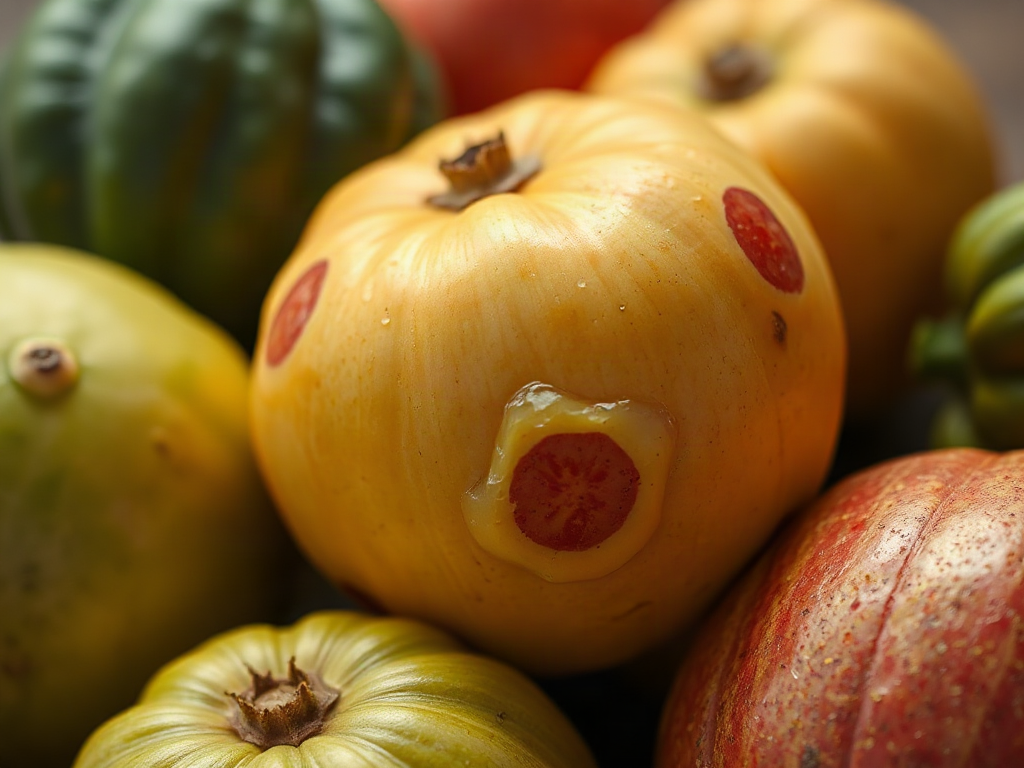
Organic produce surface spots that signal decay usually involve spreading discoloration, soft or wet texture, fuzzy growth, leaking liquid, or an unpleasant odor rather than a single harmless blemish. Bruising may appear dark but remain dry and firm, while decay tends to advance into surrounding tissue and can make the item collapse under light pressure. Inspect the spot, compare it with the produce’s normal color and texture, and separate suspicious items from sound ones. Soft fruits, leafy greens, cut produce, and foods with visible mold generally deserve stricter discard decisions than firm, intact vegetables. Washing may remove surface soil, but it does not reliably make decayed tissue safe.
How To Read A Spot On Fresh Produce
A surface mark does not automatically mean that a fruit or vegetable has decayed. Fresh foods can develop harmless cosmetic changes from pressure, rubbing, sun exposure, natural ripening, or contact with moisture. The useful question is whether the mark is stable and superficial or whether it is expanding into a change in tissue, smell, or structure.
Start by examining the area under good light. A dry, flat brown patch on an apple may be bruising, while a tan or gray area that becomes wet, sunken, and soft is more consistent with breakdown. On a tomato, a small scar near the stem can be harmless if the surrounding skin is firm. A watery depression that spreads across the fruit deserves a different decision. The appearance of the spot matters, but its direction of change matters more.
Produce variety also changes the baseline. Eggplant skin may naturally show pale streaks; a ripe avocado may darken beneath the skin; carrots can have small surface cracks; and leafy greens may develop yellow edges as they age. Those signs are not interchangeable with fuzzy mold or slimy tissue. Readers comparing examples in a produce surface spots that signal decay reference should judge the mark alongside firmness, moisture, odor, and how quickly it is changing.
A common mistake is treating every dark spot as dangerous or every small spot as safe. Both shortcuts fail because decay is a process, not a color. A firm, dry bruise may be trimmed for quality on suitable intact produce, whereas a soft spot accompanied by leaking juice may indicate deeper deterioration. If the item is cut, peeled, or already damaged, the protective barrier is reduced and the margin for saving it becomes smaller.
Color Changes That Suggest Decay
Color becomes more concerning when it appears with tissue collapse, a water-soaked look, or an irregular edge that continues to spread. Brown, black, gray, olive, or reddish discoloration can occur for several reasons, so color alone cannot identify the cause. A spot that remains dry and unchanged may reflect bruising or oxidation; a spot that grows outward while the flesh softens is more consistent with spoilage.
Yellowing is especially easy to misread. Older greens may turn yellow because chlorophyll is breaking down, yet they may remain dry and usable if there is no slime, mold, or off odor. By contrast, yellow-brown patches on a cucumber or squash that feel waterlogged may signal tissue breakdown. White or gray fuzz is a stronger warning because it indicates visible mold growth, particularly when it is accompanied by softness or moisture.
Consider a bag of organic spinach with a few pale leaves and one wet, dark leaf. The pale leaves may simply be aging, but the wet leaf can spread moisture and microbial growth through the package. Removing only the visibly damaged leaf may not restore the condition of the remaining leaves if several are slimy or compressed together. Separating the contents onto a clean surface makes it easier to identify whether the issue is isolated or widespread.
Color changes can also result from cutting. A sliced pear, potato, or avocado may darken through oxidation after exposure to air. That change is usually different from decay when the cut surface is dry, the texture remains expected, and there is no unpleasant smell or fuzzy growth. The tradeoff is quality: oxidation may make food less appealing without making it equivalent to rotten food, while moisture-driven discoloration often signals a more serious loss of structure.
Do not scrape away a colored patch and assume the rest is sound without checking the surrounding tissue. If discoloration is paired with a spreading soft zone, visible mold, or a fermented or rotten smell, discarding the item is the safer choice. A second look at organic produce surface spots that signal decay should focus on combinations of signs rather than isolated shades.
Texture, Moisture, Mold, And Odor
Texture often provides a more useful warning than color. Decay commonly causes tissue to become unusually soft, mushy, slimy, hollow-feeling, or wet. A peach that yields slightly as it ripens is not automatically spoiled, but a peach with a leaking, collapsing side has moved beyond a normal ripeness change. Firm produce can also hide internal injury, so pressure around a spot should be gentle and localized rather than forceful.
Moisture is a major divider between a cosmetic mark and active deterioration. Condensation inside a container can leave droplets on leaves or berries, and those droplets make damaged surfaces more vulnerable to breakdown. Wet packaging, pooled juice, and sticky surfaces deserve attention even when the produce still looks colorful. Dry the outside of intact items when appropriate, but do not treat drying as a repair for tissue that is already slimy or foul-smelling.
Visible mold calls for stricter handling. Mold can appear as green, blue, white, gray, or black growth, and its color does not provide a reliable safety ranking. Soft, high-moisture foods such as berries, peaches, tomatoes, cucumbers, and cut vegetables are poor candidates for trimming because contamination may extend below the visible surface. A hard, dense item such as an intact carrot or cabbage may sometimes permit generous removal of a localized moldy area, but uncertain cases should be discarded rather than tested by taste.
Odor is another practical clue. A sour, alcoholic, musty, or rotten smell suggests microbial or enzymatic changes that a quick rinse will not reverse. Produce can smell earthy without being spoiled, especially root vegetables, so compare the odor with the food’s normal character. Do not taste questionable produce to decide whether it is safe; tasting adds no dependable inspection benefit.
The most frequent handling error is washing everything together after one item has started to decay. That can spread contaminated moisture across otherwise sound food. Separate the questionable item first, clean the storage container, and inspect neighboring pieces. Guidance on organic produce surface spots that signal decay is most useful when paired with this containment step.
A Practical Discard Or Keep Decision
A sound decision combines the type of produce, the location and size of the spot, and the presence of other warning signs. Begin with the highest-risk features: visible mold on a soft food, extensive slime, leaking liquid, a rotten odor, or tissue that is collapsing beyond the original mark. Those conditions favor discarding the item instead of attempting cosmetic repair.
For an intact, firm vegetable with one small, dry bruise, cut away the damaged portion with a clean knife and inspect the exposed flesh. The remaining portion should be firm, normally colored, and free of unusual odor. This approach is different from trimming a soft berry or moldy peach, where the high water content and tender structure make hidden spread more plausible. “Just cut it off” is not a universal food-safety rule.
Use this compact sequence when the answer is unclear:
- Separate: Move the marked item away from produce that is still sound.
- Inspect: Look for spreading edges, wetness, fuzz, slime, leaking juice, and abnormal odor.
- Classify: Decide whether the food is firm and intact or soft, cut, cracked, and highly perishable.
- Act: Trim only a localized, dry defect on suitable firm produce; discard when decay is extensive or uncertain.
- Clean: Wash hands, utensils, and storage surfaces after handling spoiled food.
Use extra caution for food served to people who may be more vulnerable to foodborne illness, including young children, older adults, pregnant people, and those with weakened immune systems. The cost of replacing one questionable item is usually lower than the consequence of serving food with clear spoilage signs. Organic certification does not change the physical clues of decay or make moldy tissue safe.
Another weak assumption is that refrigeration will rescue a deteriorating item. Cold storage can slow some quality changes, but it does not restore firm tissue or remove toxins and odors already associated with spoilage. Refrigerate sound perishable produce promptly according to its storage needs, but make the discard decision based on its current condition.
Preventing Spots From Becoming Spoilage
Prevention begins with reducing injury and trapped moisture. Select items that are intact, dry on the surface, and free from deep cracks or soft depressions. At home, avoid stacking heavy produce on delicate berries, peaches, or leafy greens. Pressure damage breaks cells, releases moisture, and creates a local environment where deterioration can accelerate.
Washing timing also matters. Washing immediately before storage can leave water in crevices and containers, especially when the produce is not dried thoroughly. A practical approach is to keep produce dry until it will be eaten, unless washing is necessary for a specific preparation routine. When produce is washed, drain and dry it well, then use a clean container that does not trap excess condensation.
Inspect stored food regularly rather than waiting for a strong odor. A quick check can catch one leaking berry before it wets the rest of the package or identify a damaged tomato before it presses against neighboring produce. Remove deteriorating pieces promptly, but avoid transferring sound food into a dirty container. Paper towels may absorb small amounts of moisture in some containers, though they are not a substitute for airflow or proper refrigeration.
Storage priorities differ by food. Delicate berries benefit from gentle handling and ventilation; leafy greens need moisture management without being left to dry out; firm roots tolerate handling better but can still develop soft rot when stored wet. Keeping every item in one sealed bag may simplify organization, yet it can also concentrate condensation and ethylene-related quality changes. Separate foods when their moisture or ripening behavior conflicts.
Signs that a storage adjustment is working include dry packaging, fewer leaking pieces, and spots that remain isolated rather than spreading. Signs that it is failing include repeated condensation, slimy leaves, rapidly softening fruit, or a recurring odor inside the container. Track the condition for a few storage cycles and change one factor at a time, such as drying, ventilation, container placement, or purchase quantity. Buying smaller amounts can be more effective than trying to extend the life of produce that routinely sits beyond its quality window.
Frequently Asked Questions
Are all dark spots on organic produce signs of decay?
No. Dry bruises, oxidation, scars, and natural ripening can darken produce without spoilage. Softness, spreading discoloration, moisture, mold, or an abnormal odor makes the spot more concerning.
Can moldy produce be washed and eaten?
Washing does not reliably remove mold that has spread into soft, high-moisture foods. Discard moldy berries, peaches, tomatoes, cucumbers, and cut produce rather than relying on rinsing.
Is a bruised apple safe to use?
A firm apple with a small, dry bruise may be usable after cutting away the damaged tissue. Discard it if the area is wet, spreading, moldy, foul-smelling, or substantially soft.
Should questionable produce be tasted?
No. Taste is not a dependable safety test, and tasting spoiled food adds exposure without resolving uncertainty. Inspect appearance, texture, moisture, and odor instead.
Does organic produce resist decay better?
Organic status does not determine whether a spot is safe or spoiled. Handling, injury, moisture, temperature, maturity, and the type of produce have a greater practical effect on visible deterioration.
Conclusion
Reliable decisions about surface spots come from reading several clues together. A dry, stable mark on firm produce may be a bruise or cosmetic defect, while spreading color, wet tissue, slime, mold, leaking juice, or a rotten odor points toward decay. Separate questionable items, inspect the surrounding flesh, and reserve trimming for localized defects on suitable firm foods. Soft fruit, berries, leafy greens, cut produce, and foods with visible mold deserve a more conservative approach. Organic labeling does not change these physical warning signs. Better storage also reduces waste: protect delicate foods from pressure, limit trapped moisture, and check packages before one damaged item affects the rest.