Building Organic Meals for Steady Energy With Balanced Plates and Smarter Timing
Building Organic Meals for Steady Energy With Balanced Plates and Smarter Timing
Building Organic Meals for Steady Energy With Balanced Plates and Smarter Timing
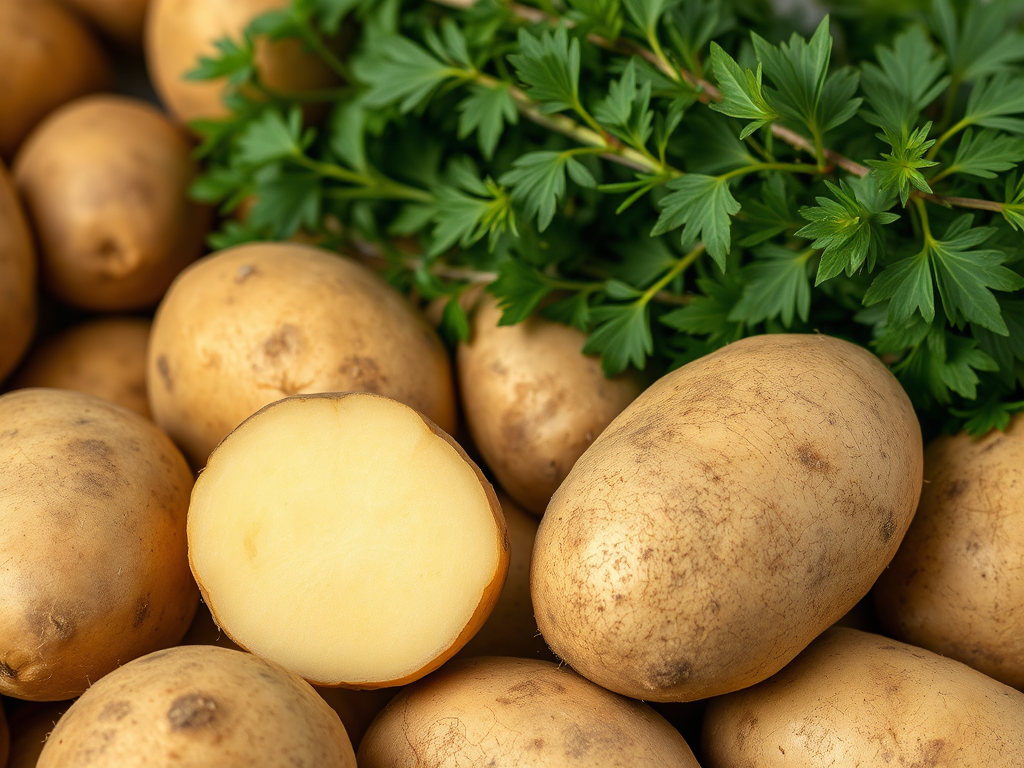
Organic potatoes do differ somewhat by variety, mainly because their skin color, flesh pigments, starch balance, and growing conditions influence compounds such as vitamin C, potassium, carotenoids, and anthocyanins. Purple and red potatoes often provide more antioxidant pigments than white or yellow types, while russets tend to be starchier and…
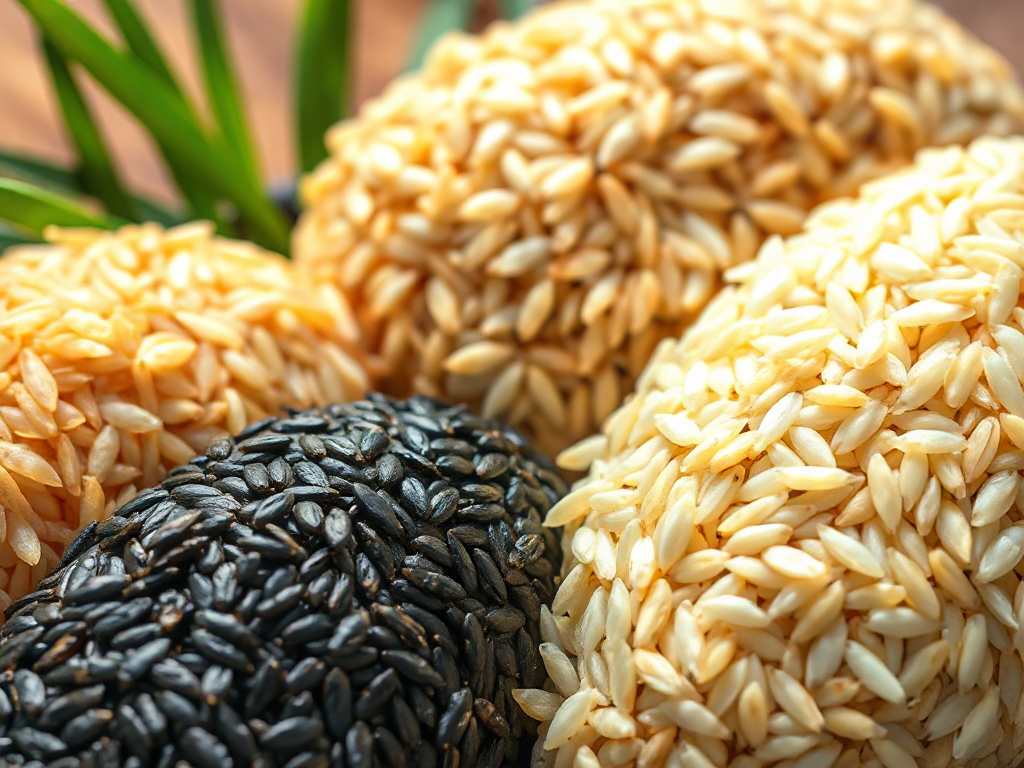
Organic rice varieties differ nutritionally mainly because of grain structure and processing, not because organic certification changes the rice’s basic nutrient profile. Brown and black rice retain more bran, so they generally provide more fiber and plant compounds than polished white rice, while red rice is also valued for its pigmented bran.
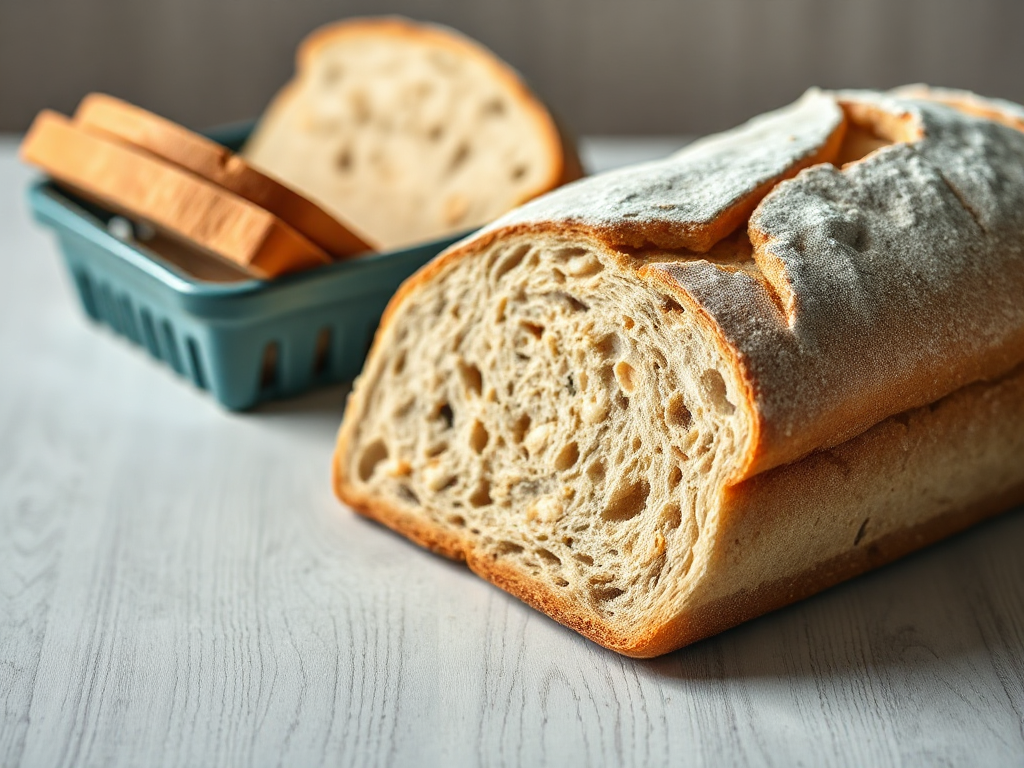
Choose organic bread for better nutrition by checking the whole-grain ingredient, comparing fiber and protein, limiting added sugar and sodium, and selecting a loaf whose texture and serving size fit your meals. Organic certification addresses farming practices, not whether bread is whole grain or nutritionally superior, so the ingredient list…
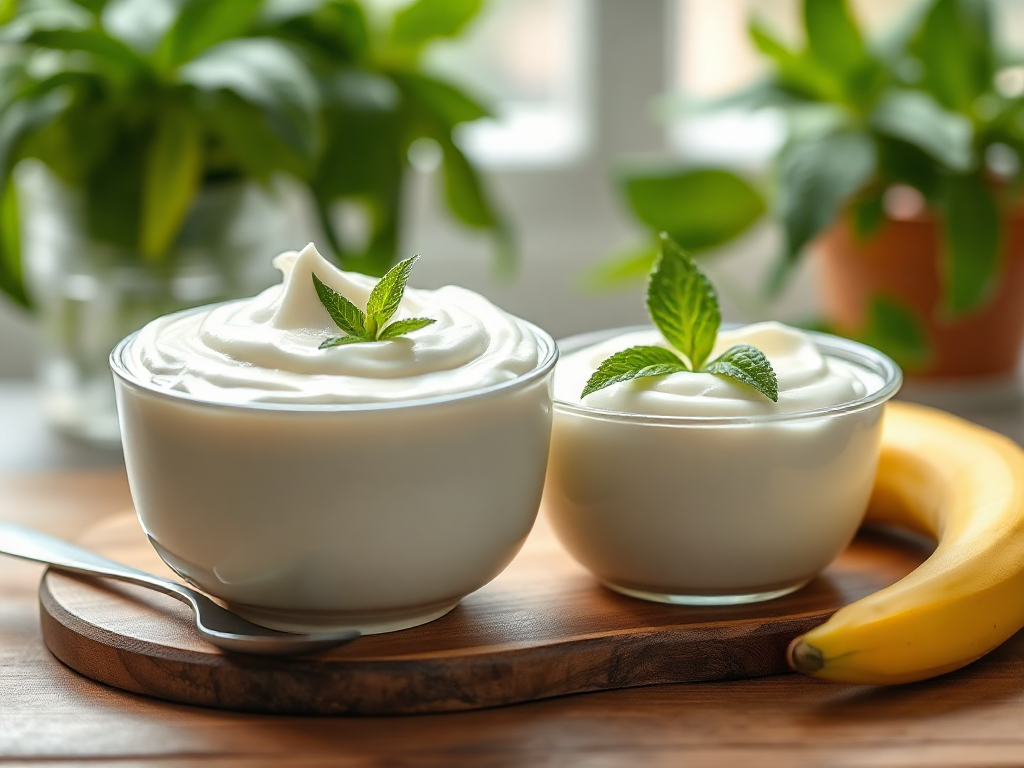
Comparing organic yogurt nutrition by fat content shows that whole, low-fat, and nonfat varieties can differ mainly in calories, fat, texture, and added ingredients, while protein and calcium may remain fairly similar within the same yogurt style.
Are organic frozen berries as nutritious as fresh? Usually, yes: berries frozen soon after harvest can retain much of their vitamin C, fiber, and polyphenol content, while fresh berries may lose nutrients during lengthy transport or refrigerator storage.
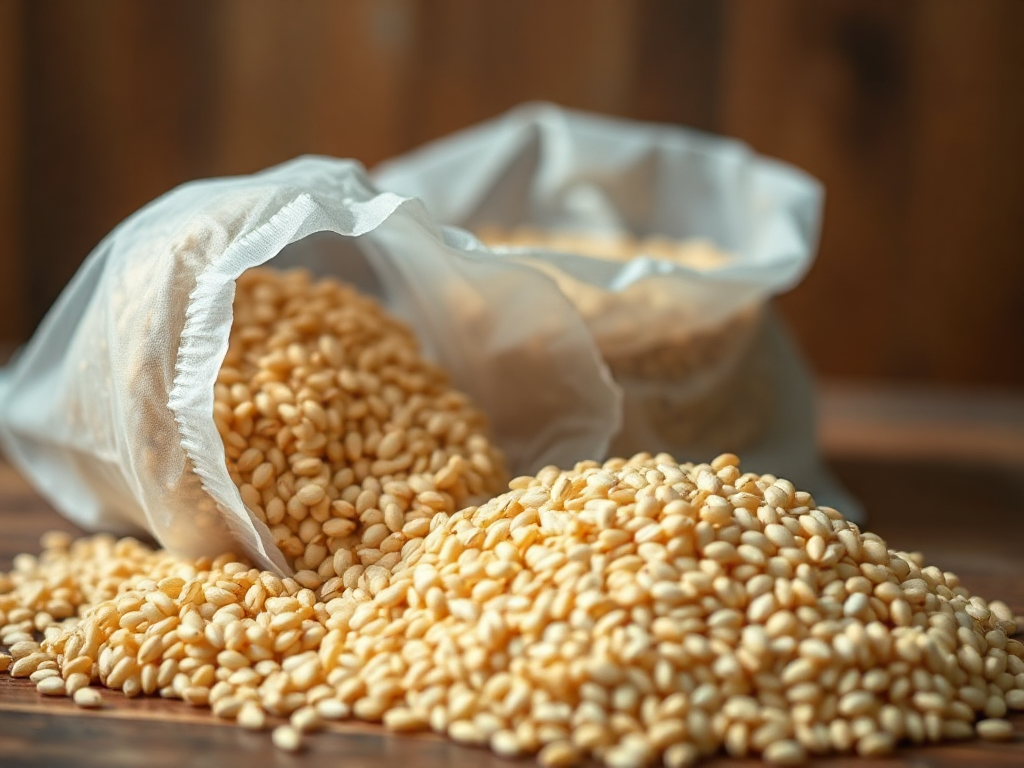
How processing changes nutrition in organic grains depends on which part of the grain is removed, how much heat or water is used, and how long the product is stored. Milling can reduce fiber, minerals, and phytochemicals when bran and germ are separated, while cooking softens starch and improves digestibility…
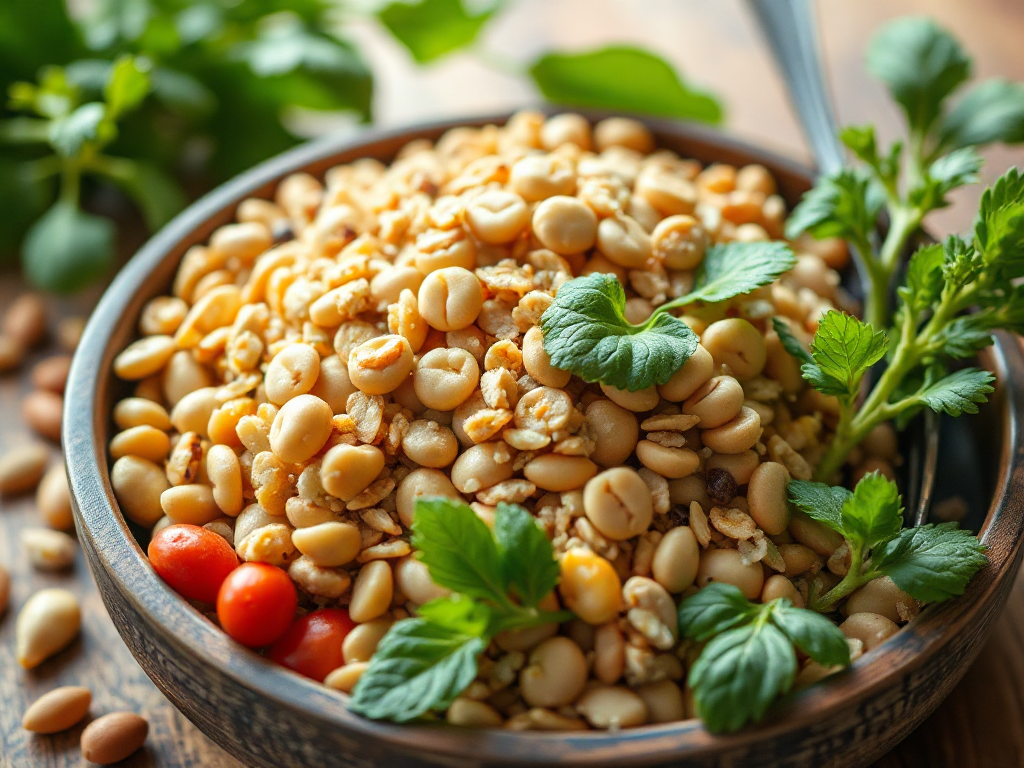
Organic foods that provide complete plant proteins include soy foods, quinoa, amaranth, buckwheat, hemp seeds, chia seeds, and some combinations such as beans with rice. These foods supply all nine essential amino acids, while soy and quinoa are especially practical as standalone protein choices because their amino acid profiles are relatively balanced.
Improve iron absorption from organic meals by pairing plant-based iron foods with vitamin C, separating tea, coffee, and calcium-rich foods from iron-focused meals, and using preparation methods that reduce phytate. Lentils, beans, tofu, pumpkin seeds, and leafy greens provide nonheme iron, which is absorbed less consistently than heme iron from animal foods.
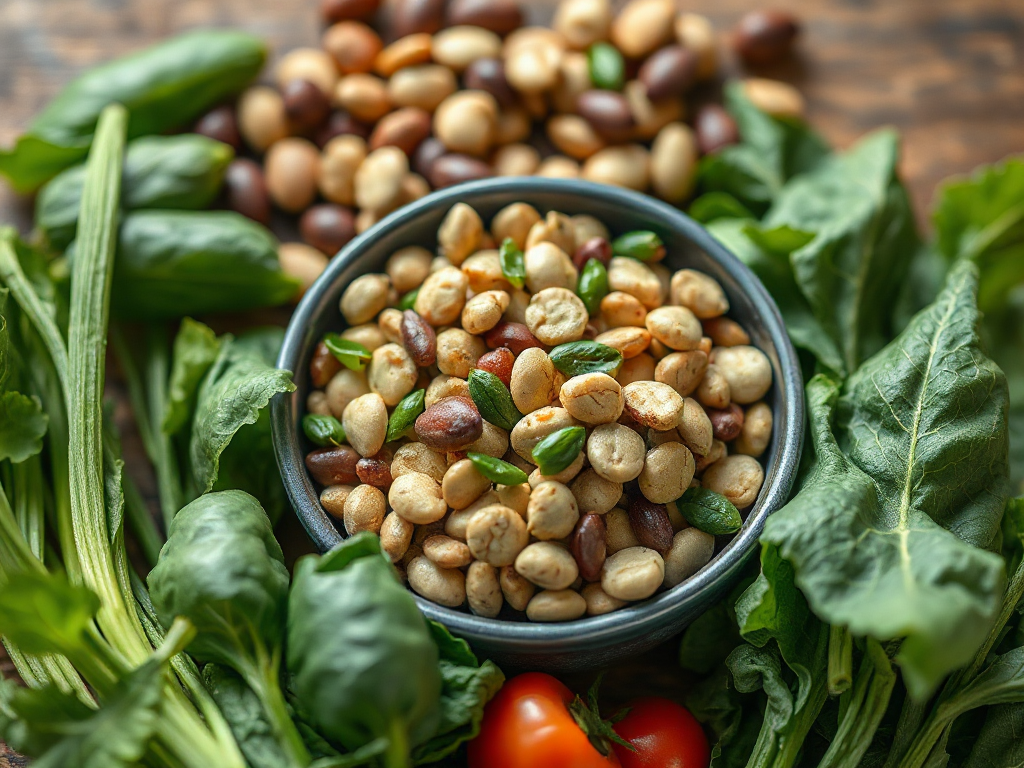
The best organic sources of plant-based iron include lentils, beans, tofu, tempeh, pumpkin seeds, sesame, leafy greens, and iron-fortified whole-grain foods, with vitamin C-rich produce improving non-heme iron absorption. Legumes and fortified foods usually provide the most dependable amounts, while seeds and greens add variety but may contribute smaller portions.