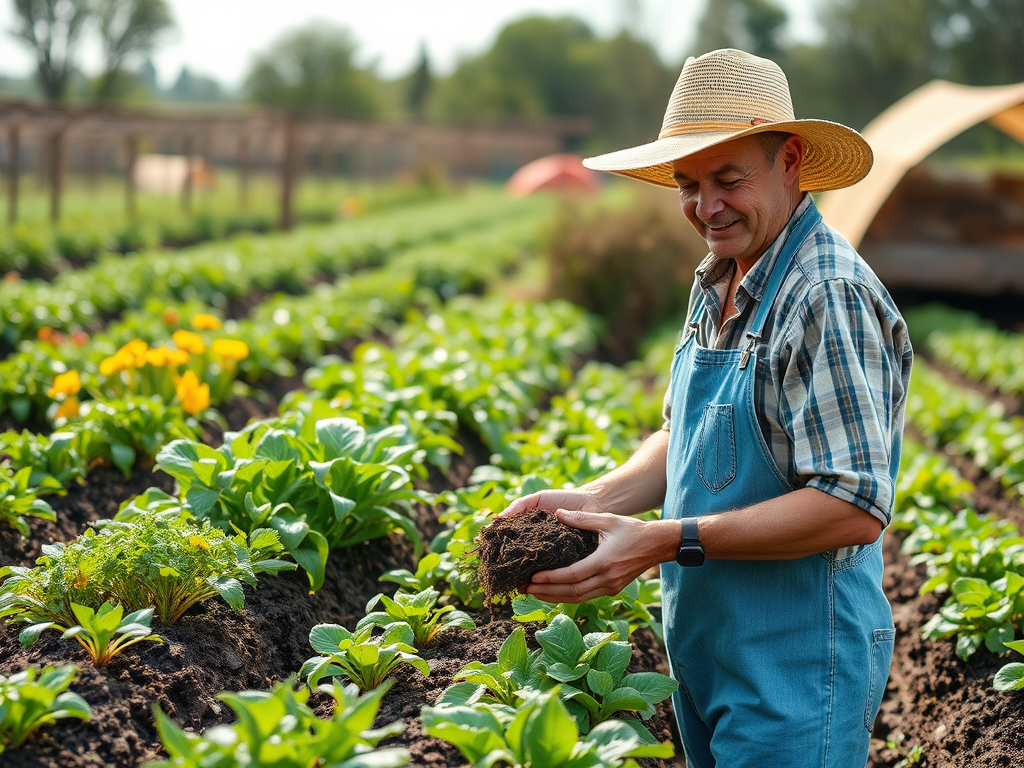
The importance of diversity in organic farming lies in its ability to enhance soil health, improve crop resilience, and provide ecological benefits. By integrating various crop species and practices, farmers can promote beneficial soil microorganisms, reduce pest populations naturally, and create a more balanced ecosystem. This approach leads to sustainable farming practices that not only increase yields but also protect biodiversity and the environment.
Understanding Agricultural Diversity
Agricultural diversity refers to the variety of crops, livestock, and farming practices used in agriculture. In organic farming, this diversity is crucial for creating sustainable systems that can withstand environmental pressures. Diverse farming systems mimic natural ecosystems, where multiple species coexist and support one another, enhancing resilience against pests and diseases.
Moreover, diversity in organic farming not only involves growing various crops but also integrating different farming methods, such as crop rotation, intercropping, and agroforestry. These practices contribute to healthier soils and ecosystems by promoting beneficial interactions between plants and soil organisms, thereby improving nutrient cycling and soil structure.
Understanding Agricultural Diversity matters because it turns the importance of diversity in organic farming from a broad idea into a decision the reader can actually apply. The practical difference usually shows up in the details: how much is needed, when the choice is made, what tradeoff is acceptable, and what sign shows the approach is working. For nutrition topics, the strongest advice connects portion size, food quality, timing, and recovery instead of treating every meal as a fixed serving.
A useful way to handle this section is to compare the normal baseline with the situation that creates extra demand. If farming is the baseline concern, then diversity becomes the adjustment point and organic becomes the outcome to watch. That keeps the advice specific without forcing the reader into a rigid formula that may not fit their routine, budget, tolerance, schedule, or current level of experience.
The most common mistake is changing too many variables at once. A better approach is to choose one measurable adjustment, use it consistently long enough to see a pattern, and then refine the next step based on energy, comfort, performance, safety, or reliability. This makes the guidance easier to trust because the reader can connect the recommendation to what they observe rather than guessing from a generic checklist.
The practical takeaway is to make the section actionable: identify the main constraint, choose the smallest useful change, and compare the result against the goal. When the outcome improves, the reader can keep the approach. When it does not, the next change should target the most likely bottleneck rather than repeating the same step with more effort.
Benefits of Crop Diversity
Crop diversity offers numerous benefits that are essential for sustainable organic farming. One primary advantage is improved soil health. Diverse crops can enhance soil organic matter, leading to better water retention and nutrient availability. For instance, legumes can fix nitrogen in the soil, benefiting subsequent crops.
Additionally, a varied crop rotation can disrupt pest and disease cycles, reducing the need for chemical interventions. For example, planting a mix of crops such as cereals and legumes can lower the incidence of common pests that thrive on monocultures. This natural pest control is a significant advantage of diverse organic systems.
Furthermore, crop diversity enhances resilience to climate change. Different plant species have varied responses to climate stressors, such as drought or flooding. By cultivating a range of crops, farmers can secure their harvests even in unpredictable weather conditions, ensuring food security and stable income.
Benefits of Crop Diversity matters because it turns the importance of diversity in organic farming from a broad idea into a decision the reader can actually apply. The practical difference usually shows up in the details: how much is needed, when the choice is made, what tradeoff is acceptable, and what sign shows the approach is working. For nutrition topics, the strongest advice connects portion size, food quality, timing, and recovery instead of treating every meal as a fixed serving.
A useful way to handle this section is to compare the normal baseline with the situation that creates extra demand. If diversity is the baseline concern, then organic becomes the adjustment point and crop becomes the outcome to watch. That keeps the advice specific without forcing the reader into a rigid formula that may not fit their routine, budget, tolerance, schedule, or current level of experience.
The most common mistake is changing too many variables at once. A better approach is to choose one measurable adjustment, use it consistently long enough to see a pattern, and then refine the next step based on energy, comfort, performance, safety, or reliability. This makes the guidance easier to trust because the reader can connect the recommendation to what they observe rather than guessing from a generic checklist.
Implementing Diverse Practices in Organic Farming
To successfully implement diversity in organic farming, farmers can adopt several strategies. Crop rotation is one effective method; rotating different crops each season can prevent soil depletion and reduce pest populations. For instance, following a heavy feeder like corn with a nitrogen-fixing crop such as beans can restore soil nutrients.
Intercropping, or growing two or more crops simultaneously in the same field, can also maximize space and resources. For example, planting corn alongside beans allows the corn to provide structural support for the beans while benefiting from the beans’ nitrogen-fixing abilities.
Agroforestry is another approach that combines trees and shrubs with crops or livestock. This practice not only increases biodiversity but also improves landscape resilience by providing habitats for wildlife and reducing soil erosion. Implementing these diverse practices requires careful planning and management to maximize their benefits while minimizing potential drawbacks.
Implementing Diverse Practices in Organic Farming matters because it turns the importance of diversity in organic farming from a broad idea into a decision the reader can actually apply. The practical difference usually shows up in the details: how much is needed, when the choice is made, what tradeoff is acceptable, and what sign shows the approach is working. For nutrition topics, the strongest advice connects portion size, food quality, timing, and recovery instead of treating every meal as a fixed serving.
A useful way to handle this section is to compare the normal baseline with the situation that creates extra demand. If organic is the baseline concern, then farming becomes the adjustment point and soil becomes the outcome to watch. That keeps the advice specific without forcing the reader into a rigid formula that may not fit their routine, budget, tolerance, schedule, or current level of experience.
Challenges and Considerations
While the benefits of diversity in organic farming are clear, several challenges can arise. One significant hurdle is the initial complexity of managing diverse systems. Farmers must possess knowledge and experience to successfully integrate multiple species and practices, which may require additional training or resources.
Cost can also be a concern; implementing diverse practices may involve higher upfront investments for seeds, equipment, and labor. However, the long-term benefits often outweigh these initial costs, as diverse systems can lead to increased yields and reduced input costs over time.
Additionally, market access can pose challenges for farmers transitioning to more diverse systems. Consumers may not be aware of the benefits of diverse farming practices, leading to potential difficulties in selling diverse products. Education and outreach can help bridge this gap, promoting the value of biodiversity in organic farming.
Authoritative Sources
Challenges and Considerations matters because it turns the importance of diversity in organic farming from a broad idea into a decision the reader can actually apply. The practical difference usually shows up in the details: how much is needed, when the choice is made, what tradeoff is acceptable, and what sign shows the approach is working. For gardening topics, the strongest advice connects soil conditions, plant needs, timing, and observable growth signals.
A useful way to handle this section is to compare the normal baseline with the situation that creates extra demand. If diverse is the baseline concern, then farming becomes the adjustment point and organic becomes the outcome to watch. That keeps the advice specific without forcing the reader into a rigid formula that may not fit their routine, budget, tolerance, schedule, or current level of experience.
The most common mistake is changing too many variables at once. A better approach is to choose one measurable adjustment, use it consistently long enough to see a pattern, and then refine the next step based on energy, comfort, performance, safety, or reliability. This makes the guidance easier to trust because the reader can connect the recommendation to what they observe rather than guessing from a generic checklist.
Conclusion
Diversity in organic farming plays a vital role in enhancing soil health, improving crop resilience, and fostering ecological balance. While challenges exist, the long-term benefits of implementing diverse practices far outweigh the initial hurdles. Farmers should prioritize integrating various crops and methods to build sustainable, resilient farming systems. By embracing diversity, they not only improve their yields and livelihoods but also contribute to a healthier environment and food system.
Frequently Asked Questions
Why is diversity important in organic farming?
Diversity is crucial in organic farming as it enhances soil health, improves crop resilience, and reduces pest populations naturally.
What practices promote diversity in organic farming?
Practices such as crop rotation, intercropping, and agroforestry promote diversity by integrating various crops and farming methods.
How does crop diversity affect soil health?
Crop diversity improves soil health by enhancing organic matter content, promoting beneficial soil microorganisms, and improving nutrient cycling.
What are the challenges of implementing diverse practices?
Challenges include the complexity of managing diverse systems, initial costs, and potential market access issues for diverse products.
Can diverse farming practices improve climate resilience?
Yes, diverse farming practices can enhance resilience to climate change by providing a variety of crops that can withstand varying environmental conditions.