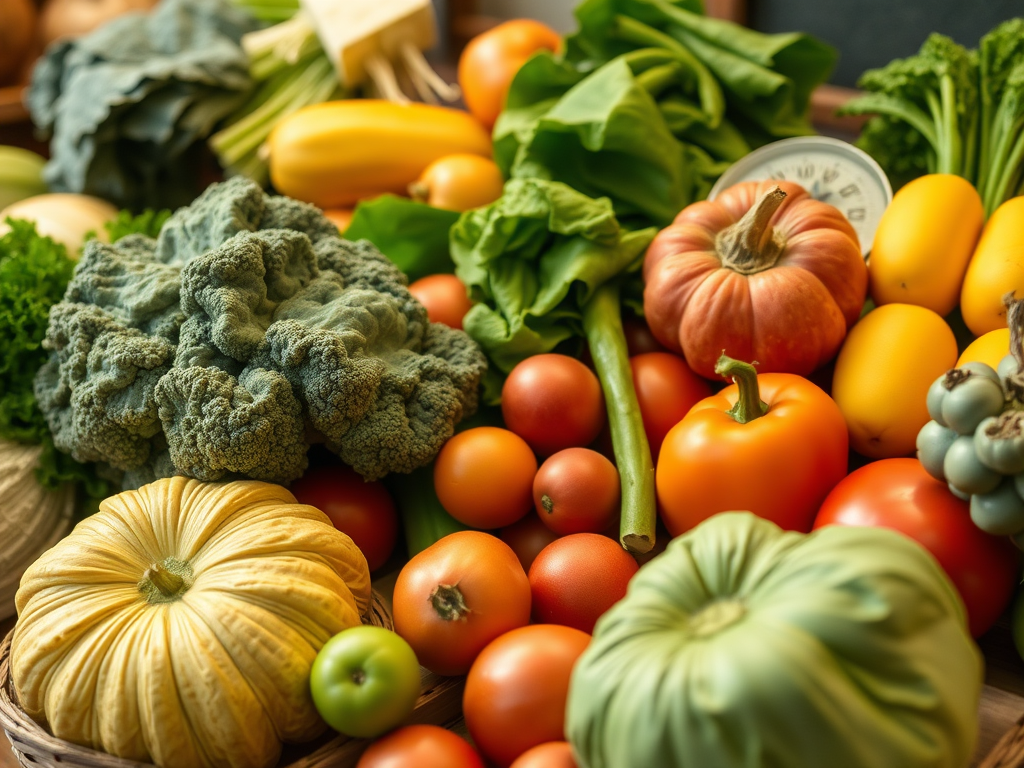
Organic produce may have a shorter shelf life due to factors like reduced use of preservatives, lack of synthetic coatings, and more delicate farming practices. Unlike conventional produce, organic fruits and vegetables often do not contain artificial chemicals that extend their freshness. Additionally, organic farming prioritizes soil health, which can lead to crops that are more vulnerable to pests and diseases, affecting their longevity. Consumers should be aware of these differences to better manage storage and consumption.
Differences Between Organic and Conventional Produce
Organic and conventional produce differ significantly in their cultivation methods, which directly influences their shelf life. Organic farming emphasizes natural methods of pest control, soil health, and crop rotation, often resulting in produce that is less resilient to storage and transport conditions. For example, organic fruits and vegetables usually lack the waxy coatings or synthetic preservatives commonly applied to their conventional counterparts. These coatings are designed to seal in moisture and prevent spoilage, thus extending shelf life. Therefore, while organic produce often boasts superior flavor and nutritional benefits, it may not last as long on the shelf.
Differences Between Organic and Conventional Produce matters because it turns organic produce may have a shorter shelf life from a broad idea into a decision the reader can actually apply. The practical difference usually shows up in the details: how much is needed, when the choice is made, what tradeoff is acceptable, and what sign shows the approach is working. For nutrition topics, the strongest advice connects portion size, food quality, timing, and recovery instead of treating every meal as a fixed serving.
A useful way to handle this section is to compare the normal baseline with the situation that creates extra demand. If organic is the baseline concern, then produce becomes the adjustment point and shelf becomes the outcome to watch. That keeps the advice specific without forcing the reader into a rigid formula that may not fit their routine, budget, tolerance, schedule, or current level of experience.
The most common mistake is changing too many variables at once. A better approach is to choose one measurable adjustment, use it consistently long enough to see a pattern, and then refine the next step based on energy, comfort, performance, safety, or reliability. This makes the guidance easier to trust because the reader can connect the recommendation to what they observe rather than guessing from a generic checklist.
The practical takeaway is to make the section actionable: identify the main constraint, choose the smallest useful change, and compare the result against the goal. When the outcome improves, the reader can keep the approach. When it does not, the next change should target the most likely bottleneck rather than repeating the same step with more effort.
Factors Affecting Shelf Life of Organic Produce
Several key factors contribute to the shorter shelf life of organic produce. Firstly, organic farms often utilize fewer chemicals, which means that the produce is more susceptible to decay and spoilage. For instance, without synthetic fungicides, organic fruits are more likely to develop mold and rot during storage. Secondly, the farming practices used can yield fruits and vegetables that are picked at peak ripeness for flavor rather than for durability, resulting in a product that is fresher but less stable.
Environmental conditions, such as temperature and humidity during storage, also play a significant role in how long organic produce lasts. Furthermore, the variety of the produce impacts its longevity; some organic fruits, such as berries, tend to spoil faster than hardier varieties like apples. Understanding these factors can help consumers make informed choices about when to purchase and consume organic products.
Factors Affecting Shelf Life of Organic Produce matters because it turns organic produce may have a shorter shelf life from a broad idea into a decision the reader can actually apply. The practical difference usually shows up in the details: how much is needed, when the choice is made, what tradeoff is acceptable, and what sign shows the approach is working. For pet topics, the strongest advice connects behavior, environment, consistency, health, and the animal’s response over time.
A useful way to handle this section is to compare the normal baseline with the situation that creates extra demand. If organic is the baseline concern, then produce becomes the adjustment point and shelf becomes the outcome to watch. That keeps the advice specific without forcing the reader into a rigid formula that may not fit their routine, budget, tolerance, schedule, or current level of experience.
The most common mistake is changing too many variables at once. A better approach is to choose one measurable adjustment, use it consistently long enough to see a pattern, and then refine the next step based on energy, comfort, performance, safety, or reliability. This makes the guidance easier to trust because the reader can connect the recommendation to what they observe rather than guessing from a generic checklist.
The practical takeaway is to make the section actionable: identify the main constraint, choose the smallest useful change, and compare the result against the goal. When the outcome improves, the reader can keep the approach. When it does not, the next change should target the most likely bottleneck rather than repeating the same step with more effort.
Storage Tips for Extending Freshness
To maximize the shelf life of organic produce, proper storage techniques are crucial. For leafy greens, for example, washing them and storing them in a slightly damp paper towel inside a breathable bag can help retain moisture and prevent wilting. Additionally, keeping fruits and vegetables separate can reduce the ethylene gas exposure that accelerates ripening and spoilage.
Refrigeration is often beneficial for extending freshness, but it is not suitable for all organic produce. Items like tomatoes and avocados should be stored at room temperature until they reach desired ripeness, after which they can be refrigerated to prolong their usability. Consumers should familiarize themselves with the best storage practices for specific types of organic produce to reduce waste and enhance their culinary enjoyment.
Storage Tips for Extending Freshness matters because it turns organic produce may have a shorter shelf life from a broad idea into a decision the reader can actually apply. The practical difference usually shows up in the details: how much is needed, when the choice is made, what tradeoff is acceptable, and what sign shows the approach is working. For technology topics, the strongest advice connects the user goal, system constraint, maintenance burden, and measurable outcome.
A useful way to handle this section is to compare the normal baseline with the situation that creates extra demand. If organic is the baseline concern, then produce becomes the adjustment point and shelf becomes the outcome to watch. That keeps the advice specific without forcing the reader into a rigid formula that may not fit their routine, budget, tolerance, schedule, or current level of experience.
Consumer Implications and Decisions
Understanding the shorter shelf life of organic produce can influence purchasing decisions and consumption habits. Consumers may need to adjust their shopping frequency and quantities to avoid spoilage, opting for smaller amounts that can be consumed quickly. Additionally, being aware of the signs of freshness and spoilage can help in making informed choices at the grocery store.
Moreover, consumers should consider supporting local organic farms that may offer fresher produce with a shorter supply chain. This not only enhances the flavor and nutritional value of their food but also contributes to more sustainable agricultural practices. Ultimately, while organic produce may require more careful handling and quicker consumption, the benefits in terms of taste and health can make it a worthwhile investment.
Consumer Implications and Decisions matters because it turns organic produce may have a shorter shelf life from a broad idea into a decision the reader can actually apply. The practical difference usually shows up in the details: how much is needed, when the choice is made, what tradeoff is acceptable, and what sign shows the approach is working. For nutrition topics, the strongest advice connects portion size, food quality, timing, and recovery instead of treating every meal as a fixed serving.
A useful way to handle this section is to compare the normal baseline with the situation that creates extra demand. If organic is the baseline concern, then produce becomes the adjustment point and shorter becomes the outcome to watch. That keeps the advice specific without forcing the reader into a rigid formula that may not fit their routine, budget, tolerance, schedule, or current level of experience.
The most common mistake is changing too many variables at once. A better approach is to choose one measurable adjustment, use it consistently long enough to see a pattern, and then refine the next step based on energy, comfort, performance, safety, or reliability. This makes the guidance easier to trust because the reader can connect the recommendation to what they observe rather than guessing from a generic checklist.
Frequently Asked Questions
Why do organic fruits spoil faster than conventional ones?
Organic fruits typically lack preservatives and protective coatings, making them more prone to spoilage.
How should organic produce be stored to last longer?
Store organic produce in a cool, dry place, and use breathable bags to maintain moisture without trapping excess humidity.
Are there specific organic foods that last longer?
Harder fruits like apples and root vegetables tend to last longer compared to softer fruits like berries.
Can I freeze organic produce to extend its shelf life?
Yes, freezing can be an effective way to preserve organic produce, but it’s best to blanch vegetables before freezing.
Is organic produce worth the shorter shelf life?
Many consumers find the superior taste and nutritional value of organic produce makes it worth the shorter shelf life.