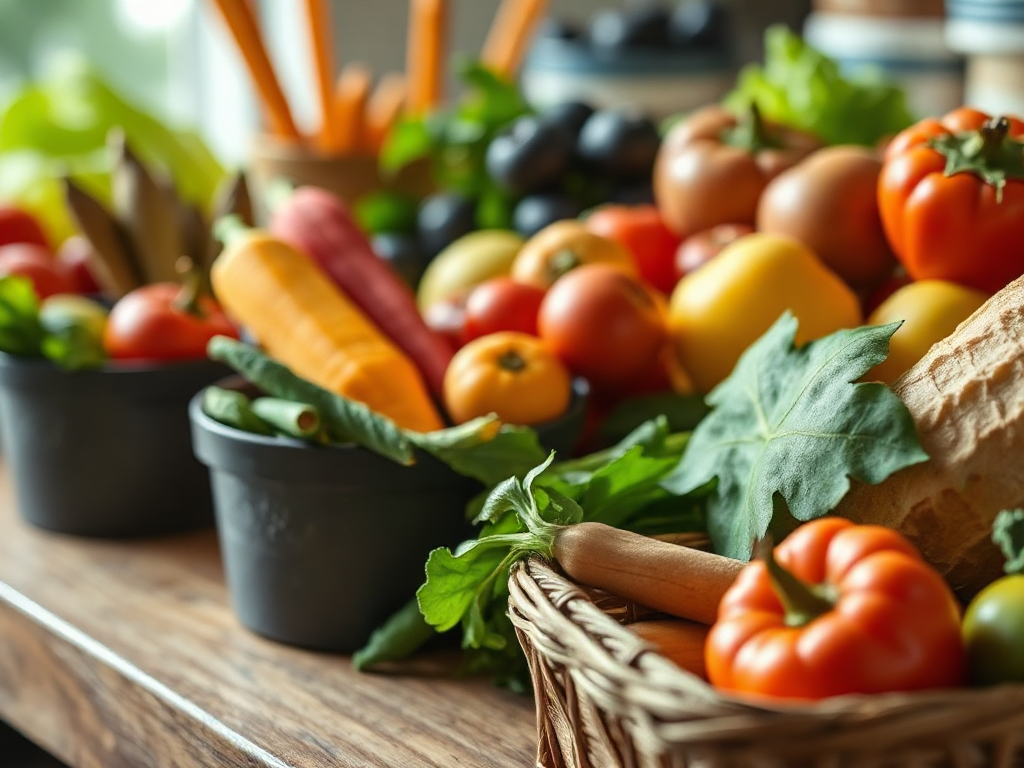
The role of organic foods in reducing oxidative stress is mainly indirect: organic produce can provide antioxidant-rich foods while potentially lowering exposure to some synthetic pesticide residues, but the overall eating pattern matters more than the organic label alone. Colorful fruits and vegetables supply vitamin C, carotenoids, polyphenols, and other compounds involved in the body’s defenses against reactive molecules. Choosing minimally processed foods, storing produce properly, and replacing heavily refined foods may strengthen that pattern. Organic certification does not guarantee higher antioxidant content, eliminate all contaminants, or treat disease, so budget-conscious shoppers should prioritize a varied produce intake before upgrading every item.
Oxidative Stress and the Food Connection
Oxidative stress occurs when the production of reactive molecules exceeds the body’s ability to regulate them with antioxidant systems. These molecules are created during normal metabolism, but tobacco smoke, air pollution, excessive ultraviolet exposure, inflammation, intense physical strain, and some dietary patterns can add to the burden. Oxidative stress is not a single symptom or diagnosis; it is a biological process associated with cellular damage when regulation remains inadequate.
Food affects this balance in several ways. Fruits, vegetables, beans, nuts, seeds, herbs, and whole grains provide vitamin C, vitamin E, carotenoids, selenium, and plant compounds such as flavonoids and other polyphenols. These nutrients do not simply act as a direct shield that neutralizes every reactive molecule. They also participate in the body’s broader antioxidant and repair networks. A meal containing lentils, leafy greens, tomatoes, and olive oil therefore offers a more useful pattern than relying on a single “superfood.”
The quality of the whole diet matters because highly refined foods can displace the foods that supply protective nutrients. Frequent intake of sugary drinks, heavily refined snacks, and processed meats may also accompany dietary patterns linked with inflammation, although no single food determines a person’s oxidative-stress status. A useful comparison is a produce-rich conventional diet versus a low-produce organic diet: the first may provide more relevant nutrients despite the absence of an organic label.
A common mistake is treating oxidative stress as a problem that can be measured accurately at home with a supplement or food swap. Commercial tests and antioxidant claims can oversimplify a complex process. A better starting point is to examine produce variety, cooking methods, smoking exposure, sleep, physical activity, and any medical conditions with a clinician rather than assuming organic purchasing alone will change a health outcome.
What Organic Foods May Change
Organic farming standards restrict or regulate particular agricultural inputs, but organic certification does not mean that a food is pesticide-free. Approved substances may still be used, and residues can occur in both organic and conventional food. The practical relevance is that choosing organic may reduce exposure to some synthetic pesticide residues for certain foods, while the size and health meaning of that difference depend on the food, farming method, preparation, and individual circumstances.
Research comparing organic and conventional foods has not established that every organic item contains more antioxidants or that eating organic foods by itself prevents oxidative-stress-related disease. Nutrient content varies with plant variety, soil, maturity, harvest timing, storage, and cooking. A conventionally grown berry eaten fresh may retain more useful compounds than an organic berry that has been stored poorly or replaced by a packaged snack.
The strongest practical case for organic purchasing often involves personal preference, environmental priorities, or a desire to reduce exposure to particular residues. People who eat large amounts of a specific produce item, have occupational pesticide exposure, or are especially concerned about residue may choose organic versions when affordable. Washing produce under running water can remove dirt and some surface residues, but it cannot eliminate all residues and should not be replaced by detergent or household cleaners.
Budget creates a real tradeoff. Spending a limited food budget on organic versions of every item can reduce the amount and variety of produce purchased. A more effective approach may be to buy organic selectively while keeping conventional fruits and vegetables in the diet. Frozen produce can be useful when fresh organic options are expensive or spoil quickly, and canned beans, tomatoes, and fish can support a nutrient-dense pattern when labels and sodium content are considered.
For readers comparing options, the role of organic foods in reducing oxidative stress is best understood as one part of food-quality decision-making, not as a substitute for dietary variety or medical care.
Foods and Meal Patterns That Matter Most
Color and variety are practical indicators of antioxidant diversity. Dark leafy greens, berries, citrus, peppers, tomatoes, carrots, sweet potatoes, beans, walnuts, seeds, and whole grains each contribute different nutrients and plant compounds. No single category covers every function, so rotating foods across the week is more useful than eating a large serving of one favored ingredient every day.
Preparation changes the result. Chopping and cooking can reduce some heat-sensitive nutrients while making other compounds easier to access. Lightly cooked tomatoes, for instance, remain a useful food even though their nutrient profile differs from raw tomatoes. Steaming vegetables may preserve texture and some nutrients better than prolonged boiling, while using the cooking liquid in a soup can retain compounds that otherwise drain away.
A realistic meal might combine oatmeal with berries and walnuts at breakfast, a bean-and-pepper salad with whole grains at lunch, and roasted vegetables with salmon or tofu at dinner. The point is not that this menu guarantees a lower oxidative burden. It supplies fiber, minerals, unsaturated fats, and plant compounds while reducing the space available for heavily refined choices. Adding a handful of berries to an otherwise highly processed diet is less consequential than changing the pattern of several meals.
Some assumptions deserve caution. Juice is not nutritionally identical to whole fruit because it generally supplies less fiber and is easier to consume quickly. “Natural” sweeteners still contribute sugar, and organic cookies remain cookies rather than antioxidant-rich staples. Supplements also differ from food: concentrated antioxidant pills may interact with medicines or be unsuitable for certain conditions, and high doses should not be assumed to reproduce the effects of a varied diet.
When planning meals, pair produce with protein and a source of healthy fat when appropriate. Beans with greens, yogurt with fruit and seeds, or olive oil with cooked vegetables can make meals more satisfying and easier to maintain. This practical consistency is more likely to matter than chasing a perfect organic shopping list.
A Practical Priority Plan for Shopping and Meals
Prioritize enough plant food first, then decide where organic purchasing adds value for your household. A simple review of one week of meals can reveal whether the main gap is low produce intake, limited variety, excessive ultra-processed food, or food waste. The best purchase is the one that will be eaten before spoilage, fits the budget, and contributes to a varied pattern.
Use this order when money, availability, or storage space is limited:
- Build the base: buy fruits, vegetables, beans, whole grains, nuts, and seeds in forms you can use consistently.
- Choose organic selectively: consider the foods your household eats most often or those for which residue reduction is a personal priority.
- Protect quality: refrigerate suitable produce, keep berries dry until use, and avoid overcooking vegetables for long periods.
- Check the replacement: do not let an expensive organic packaged product displace affordable frozen vegetables, beans, or fresh fruit.
A useful sign that the plan is working is a wider range of plant foods appearing in ordinary meals, with less reliance on refined snacks and fewer purchases that spoil unused. A warning sign is rising food expense without greater variety, or a rigid rule that makes eating socially and practically difficult. In those situations, loosen the label-based rule and return to nutrient density, affordability, and consistency.
Food safety still applies to organic products. Wash produce, separate raw animal foods from ready-to-eat items, cook foods appropriately, and follow storage guidance. Organic status does not remove risks from bacteria, allergens, excess sodium, added sugar, or unsafe handling. People managing kidney disease, diabetes, eating disorders, medication interactions, or other medical conditions should adapt dietary changes with qualified professional advice.
More detail on the role of organic foods in reducing oxidative stress can help organize the science, but daily decisions should remain proportional: increase variety, favor minimally processed meals, and use organic choices where they are affordable and meaningful to you.
Frequently Asked Questions
Do organic foods contain more antioxidants?
Not consistently. Antioxidant content varies with crop variety, soil, maturity, storage, and preparation, so organic certification alone does not predict nutrient levels.
Can organic food prevent oxidative stress?
No food can be assumed to prevent or treat oxidative stress. A varied, minimally processed diet may support normal antioxidant defenses, while smoking, pollution, illness, and other factors also matter.
Which organic foods are most useful to prioritize?
Prioritize the produce, beans, whole grains, nuts, and seeds you eat regularly. If the budget is limited, buying more varied produce is often more useful than upgrading every item to organic.
Does washing conventional produce remove pesticide residues?
Running water can remove dirt and some surface residues, but it cannot remove every residue. Do not use soap or household cleaners on food.
Are antioxidant supplements better than organic foods?
Supplements are not a substitute for food variety and can be inappropriate or interact with medicines. Discuss concentrated supplements with a healthcare professional, especially when treating a medical condition.
Conclusion
Organic foods may contribute to a lower-exposure, nutrient-rich eating pattern, but the label is not the main driver of antioxidant protection. Variety, adequate produce intake, beans, whole grains, nuts, seeds, and sensible preparation provide a stronger foundation than relying on one certified ingredient. If your budget is tight, buy the foods you will actually eat, use frozen or canned options when they reduce waste, and reserve organic spending for items that matter most to your household. Avoid equating organic packaged foods with health-promoting whole foods, and do not use supplements as a shortcut. A practical next step is to add two different colorful plant foods to several meals this week, then review whether selective organic purchases improve affordability, confidence, or consistency without reducing overall variety.
Further Reading
Authoritative Sources
- Benefits of Organic Food
londonclinicofnutrition.co.ukWhat's more, they play a role in fighting disease by reducing inflammation and combating oxidative stress. Are there any drawbacks to organic food? We are ...
- Why Is Organic Food Healthier?
naturespath.comIt's not just reduced pesticide exposure. Studies have also found that organic crops can have significantly high levels of some antioxidants ...
- Commentary: Role of Organically Produced Foods in ...
diabetesjournals.orgCommentary: Role of Organically Produced Foods in Reducing Exposure to Synthetic Pesticides in Children's Diets Available. Christine McCullum ...
- The Benefits of Eating Organic for Overall Wellness
harborchase.comOrganic foods eliminate harmful pesticides and herbicides, reducing the body's exposure to chemicals. Superfoods like organic turmeric ...