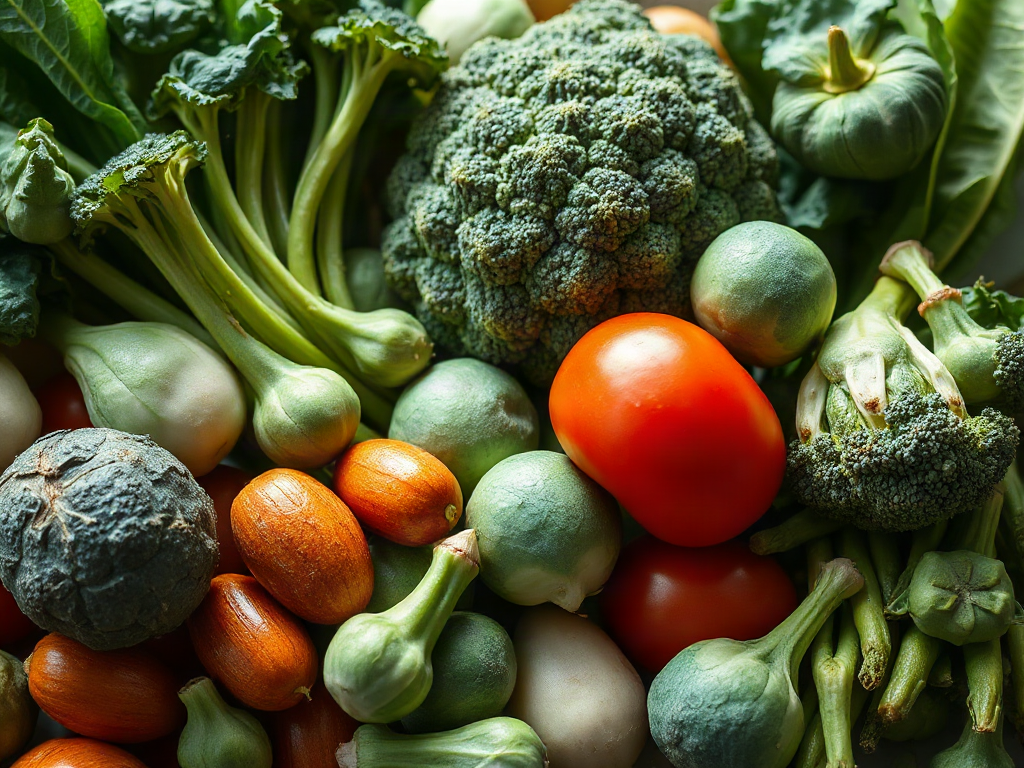
Vegetables that may interact with thyroid medication timing are mainly soy foods and high-fiber vegetables, while cruciferous vegetables such as broccoli, cabbage, kale, and Brussels sprouts are usually more relevant to thyroid function than to a direct medication interaction. Levothyroxine is commonly taken on an empty stomach because food, fiber, calcium, and iron can reduce or delay absorption. Keep the prescribed dose consistent, separate it from breakfast and fiber-heavy meals according to your clinician’s instructions, and avoid changing soy intake sharply without medical advice. Cooking cruciferous vegetables does not remove all nutritional effects, but ordinary portions are not generally a reason to avoid them.
Which Vegetables and Foods Matter Most
The vegetables most often discussed alongside thyroid medication timing fall into two different groups: foods that may affect medication absorption and vegetables that contain compounds studied for their relationship with thyroid hormone production. Confusing those groups creates unnecessary food restrictions. Soy foods, high-fiber meals, and foods fortified with calcium or iron are generally more relevant to the timing of levothyroxine than a normal serving of steamed broccoli or cabbage.
Cruciferous vegetables include broccoli, cauliflower, kale, cabbage, bok choy, mustard greens, and Brussels sprouts. They contain glucosinolates, which can be converted into biologically active compounds during digestion. Research and clinical discussion often focus on whether very high intakes could affect iodine use, particularly when iodine intake is low. That concern is different from saying that a bowl of cooked vegetables will immediately block a thyroid tablet. For most people, ordinary portions as part of a varied diet are not a reason to remove these foods.
Soy deserves more specific attention because soy protein, soy milk, tofu, tempeh, and some meat substitutes may interfere with levothyroxine absorption when consumed close to the dose. Soy is not a vegetable in the botanical sense, but it commonly appears in food questions about vegetables and thyroid medication. A breakfast of soy milk, a high-fiber cereal, and a supplement containing minerals may create more timing pressure than a side of cooked kale at dinner.
Fiber is another practical variable. Fiber-rich vegetables can contribute to a healthy eating pattern, yet a sudden increase in fiber may change how consistently medication is absorbed. The issue is usually not that fiber is harmful; it is that a large change in daily intake can alter the conditions under which the medication reaches the intestine. Readers should prioritize consistency rather than fear a particular plant food. The internal resource vegetables that may interact with thyroid medication timing can help organize food-specific questions without treating every vegetable as an interaction risk.
Why Timing Can Change Levothyroxine Absorption
Levothyroxine absorption is sensitive to what is present in the stomach and intestine when the tablet is taken. Food can delay or reduce absorption, and some minerals or supplements can bind the medication or alter its availability. That is why many prescriptions specify taking levothyroxine with water on an empty stomach, commonly before breakfast, or at a consistent interval after the last meal. The exact instructions depend on the product and the prescriber’s plan, so the label and clinical advice take priority over general meal schedules.
A useful comparison is between a stable routine and a changing routine. Someone who takes the tablet with water at the same time each morning and eats breakfast later is creating repeatable conditions. Someone who takes it with coffee one day, a soy smoothie the next, and a fiber supplement on another day may receive a different amount of medication even though the tablet strength has not changed. Symptoms or thyroid blood-test changes in that situation do not automatically mean the medication dose is wrong.
Calcium and iron are especially important because they are common in supplements, multivitamins, fortified foods, and some meal-replacement products. A vegetable dish may be part of the same meal, but the mineral supplement or fortified beverage may be the larger timing issue. Coffee can also affect absorption for some patients when taken too close to the dose. These details are worth recording before assuming that broccoli, spinach, or another single food caused a problem.
The same principle applies to people using a bedtime schedule. Taking levothyroxine at night may work for some patients if it is separated from the evening meal and used consistently, but it should not be switched casually from a morning schedule. A change in timing can change absorption, especially if dinner, dessert, fiber products, or supplements move closer to the dose. Consistency gives the clinician a more reliable basis for interpreting thyroid tests.
Medication form matters as well. Tablets, soft-gel capsules, and liquid formulations may have different administration instructions. A person who has difficulty maintaining an empty-stomach routine should ask whether the prescribed formulation and timing can be adjusted rather than compensating by eliminating nutritious foods. Do not change the dose or formulation solely because a food list on the internet appears restrictive.
A Practical Meal-Spacer Plan
A workable plan begins with the medication instruction, not with a forbidden-vegetable list. Write down the dose time, the first meal, coffee or tea, supplements, and the meals that regularly contain soy or unusually large amounts of fiber. The purpose is to identify repeatable spacing. If breakfast is the only meal that reliably contains soy milk or a fiber supplement, moving those items to a later meal may be simpler than eliminating them.
For a morning routine, many people are instructed to take levothyroxine with water and wait before eating. The required interval should come from the prescription directions or clinician. A patient who cannot maintain that interval every day should report the problem rather than alternating between strict and casual timing. An alternative schedule may be reasonable, but it needs to be selected deliberately and then followed consistently.
For an evening routine, the main question is whether the medication remains separated from dinner and late snacks. A dinner containing tofu, beans, a large portion of vegetables, or a calcium-rich food may be nutritious but unsuitable immediately before the dose if the schedule depends on an empty stomach. The practical choice may be to keep the dose in the morning, move it farther from dinner, or discuss another formulation. There is no advantage in adopting a theoretically convenient schedule that is difficult to repeat.
A compact checklist can make the discussion with a pharmacist or clinician more useful:
- Record the exact medication form and prescribed dose.
- Note when breakfast, coffee, soy foods, fiber supplements, calcium, and iron occur.
- Identify whether the routine changed before symptoms or a blood-test shift appeared.
- Keep the new schedule stable until the clinician advises otherwise.
Consider two examples. A person eating cooked cabbage with dinner several hours after a morning dose may not need any special adjustment. A person taking levothyroxine with a soy smoothie and iron-containing multivitamin at breakfast has a clearer timing issue to discuss. The difference is proximity, consistency, and the presence of absorption-affecting products—not the simple label of “vegetable.”
Meal spacing should also preserve diet quality. Removing leafy greens, cruciferous vegetables, or legumes without a documented reason can reduce variety and make eating more difficult. A better approach is to keep ordinary servings, avoid abrupt dietary swings, and place concentrated supplements or soy-heavy meals away from the medication according to professional instructions.
Common Mistakes and When to Ask for Help
The most common mistake is treating all cruciferous vegetables as if they directly cancel thyroid medication. That conclusion overstates the available concern and can lead to unnecessary avoidance of affordable, nutrient-dense foods. Another mistake is focusing on one vegetable while overlooking coffee, calcium tablets, iron supplements, antacids, meal replacements, or a newly increased fiber intake. A complete timing record usually provides more useful information than a food blacklist.
A second failure mode is changing several variables at once. Someone may stop eating soy, move the medication to bedtime, begin a supplement, and alter the dose before follow-up testing. If thyroid levels later change, it becomes difficult to identify which change mattered. One planned adjustment, followed consistently and discussed with a clinician, is easier to evaluate. Medication should never be reduced or stopped because symptoms seem related to a vegetable.
Ask for professional guidance if thyroid tests become unstable, symptoms return after a diet change, pregnancy occurs, gastrointestinal conditions affect absorption, or the prescribed schedule cannot be maintained. Persistent fatigue, palpitations, temperature sensitivity, bowel changes, or weight changes have many possible causes and should not be attributed to vegetables without assessment. The prescribing clinician may review adherence, timing, interacting medicines, formulation, and the appropriate date for repeat testing.
Bring the actual labels for supplements and fortified drinks. “Natural” products can contain calcium, iron, iodine, or other ingredients that matter to a medication schedule. A pharmacist can often identify timing conflicts quickly, while a dietitian can help preserve adequate fiber, protein, and plant variety. The page on vegetables that may interact with thyroid medication timing is most useful when paired with the specific product instructions for the medication being used.
Evidence about very high intakes of raw cruciferous vegetables and thyroid function is not a reason to apply the same rule to every person. Risk depends on overall diet, iodine status, preparation, quantity, and individual health circumstances. Cooking changes the food’s chemical profile but does not turn it into a medication substitute or guarantee that every concern disappears. Prioritize reliable dosing, stable timing, and appropriate medical follow-up before making broad dietary restrictions.
Frequently Asked Questions
Should I avoid broccoli if I take levothyroxine?
Usually not. Ordinary portions of cooked or raw broccoli are generally not a reason to avoid the vegetable. Keep the medication routine consistent and ask about unusual quantities or major diet changes.
Can soy milk affect thyroid medication timing?
Soy milk may reduce or delay levothyroxine absorption when taken too close to the dose. Follow the product instructions and ask a pharmacist for a suitable interval rather than removing soy automatically.
Does cooking cruciferous vegetables remove the concern?
Cooking changes some compounds but does not make a food a treatment or guarantee that every thyroid-related concern disappears. Normal servings are usually more relevant to overall diet than to immediate tablet timing.
Can fiber supplements interfere with levothyroxine?
They may affect absorption when taken close to the medication, especially after a sudden increase. Record the timing and review it with a clinician or pharmacist.
Is bedtime dosing better than morning dosing?
Not automatically. Bedtime dosing may suit some people if it is separated from food and used consistently, but the best schedule depends on the prescription, other medicines, and daily routine.
Conclusion
Most people taking thyroid medication do not need to eliminate broccoli, kale, cabbage, or other cruciferous vegetables. The practical priority is a stable medication routine, with attention to soy foods, large fiber changes, calcium, iron, coffee, and supplements taken near the dose. Keep a short record when symptoms or thyroid-test changes follow a dietary adjustment, and bring the medication and supplement labels to a pharmacist or prescriber. Avoid changing the dose, switching morning to bedtime dosing, or imposing broad food restrictions without professional direction. A varied vegetable intake can usually remain part of the diet while medication timing is made more predictable. The goal is not perfect avoidance; it is a repeatable schedule that allows appropriate follow-up and preserves nutritious foods.