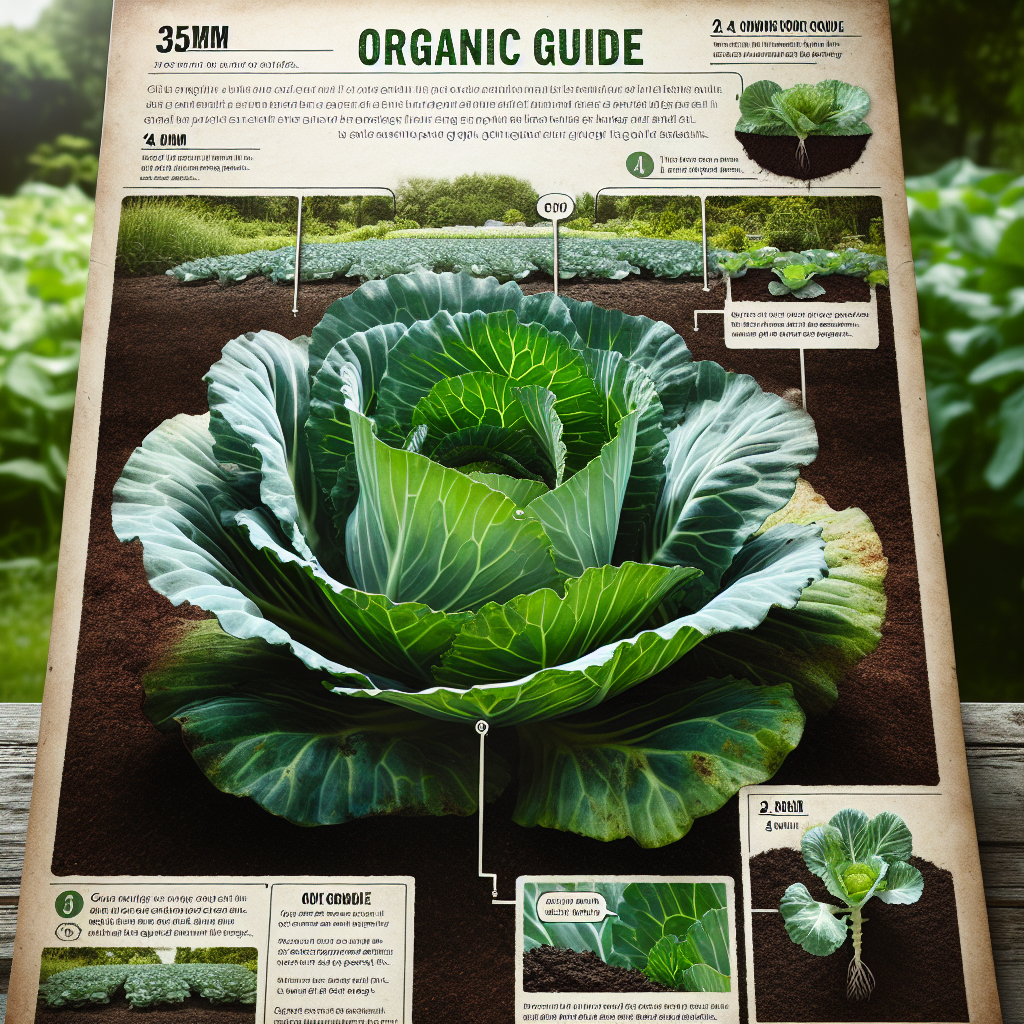
Choosing organic foods can significantly impact your well-being. Many consumers overlook the harmful effects of pesticides and genetically modified organisms (GMOs) present in conventional farming. Organic farming practices prioritize soil health and biodiversity, which translates to nutrient-rich produce. However, it is essential to recognize that organic does not always mean free from pesticides; rather, it limits the types used and emphasizes natural alternatives.
Nutritional Advantages of Organic Foods
Organic foods often have higher levels of certain nutrients compared to their conventional counterparts. Studies indicate that organic fruits and vegetables may contain more antioxidants, vitamins, and minerals. This can enhance overall health by improving immune function and reducing inflammation.
Additionally, the absence of synthetic fertilizers in organic farming means that the soil retains its natural fertility, which can lead to higher nutrient density in crops. For consumers, this translates to better health outcomes, particularly regarding chronic diseases. However, it is crucial to be aware that not all organic products are created equal, and understanding labeling can guide smarter choices.
Environmental Impact of Organic Farming
Organic farming practices promote sustainability and biodiversity, which are vital for the long-term health of our planet. By avoiding synthetic chemicals, organic farms reduce soil and water pollution, benefiting local ecosystems.
Furthermore, organic farming often employs crop rotation and companion planting, which help maintain soil health and reduce pest outbreaks naturally. Consumers should consider the broader implications of their food choices, as supporting organic agriculture can contribute to a healthier environment. This approach not only supports personal health but also fosters ecological balance.
Common Misconceptions About Organic Nutrition
One prevalent misconception is that organic foods are always healthier or more nutritious than conventional foods. While organic options are generally better in terms of chemical exposure, some organic products may still be high in sugars or unhealthy fats.
Another misunderstanding is the belief that all organic labels guarantee complete safety from pesticides. Organic farming may still use natural pesticides, which can also have health implications. Educating oneself about these nuances is essential for making informed dietary choices.
Practical Tips for Choosing Organic Foods
When selecting organic foods, prioritize purchasing from reputable sources such as local farmers’ markets or certified organic stores. Look for the USDA Organic seal, which ensures the product meets specific organic standards.
Additionally, consider buying organic for the
Further Reading
Authoritative Sources
- MedlinePlus
medlineplus.govConsumer-friendly medical and health information from the U.S. National Library of Medicine.
- National Institutes of Health
nih.govResearch-based health information and links to authoritative medical resources.
- Centers for Disease Control and Prevention
cdc.govOfficial public health guidance, prevention resources, and topic-specific recommendations.
- Mayo Clinic
mayoclinic.orgTrusted clinical guidance, symptom explainers, and treatment overviews.
- World Health Organization
who.intGlobal health guidance, fact sheets, and evidence-based public health information.