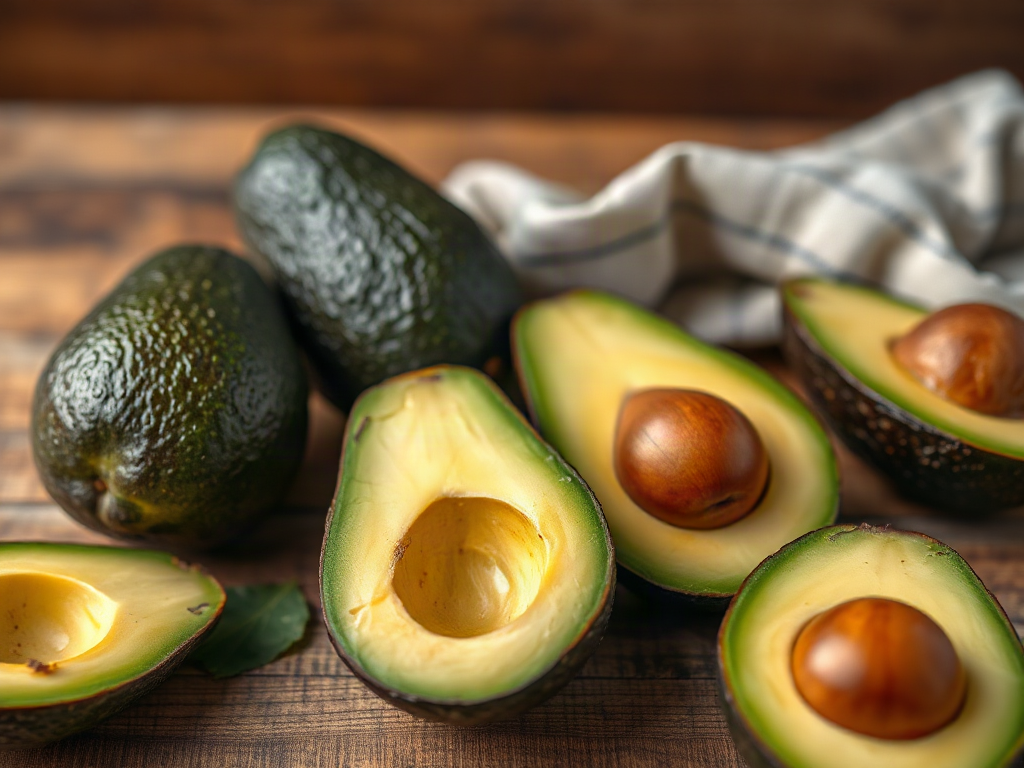
Avocado nutrition combines fiber, vitamins, minerals, and mostly unsaturated healthy fats, but its calorie density makes portion size relevant. The fat content can add richness and help meals feel satisfying, while the fiber may support steadier digestion and fuller meals when avocado replaces rather than simply joins other fats. A quarter to half of an avocado often fits more easily into a balanced meal than an unrestricted serving, especially when calories are limited. Pairing it with beans, vegetables, eggs, whole grains, or fish can improve meal balance, but adding it to cheese, oil, creamy sauces, and large portions may raise total calories quickly.
What Avocado Nutrition Actually Provides
Avocado stands apart from most fresh fruit because its energy comes largely from fat rather than from naturally occurring sugars. It also supplies fiber, potassium, folate, vitamin K, vitamin E, and smaller amounts of other vitamins and minerals. The exact nutrition varies with fruit size and edible portion, so a whole avocado should not be treated as a fixed nutritional unit. A small fruit and a large restaurant-style avocado can represent very different servings.
The fat is primarily monounsaturated fat, with smaller amounts of polyunsaturated and saturated fat. That profile makes avocado different from butter, cream cheese, or many creamy dressings, which may contribute more saturated fat. It is also different from a low-fat fruit such as an orange: avocado is more energy-dense, but it brings a savory texture and a combination of fat and fiber that can make a meal more substantial.
Fiber is another reason the food behaves differently from a spoonful of oil. Oil contributes fat and calories but virtually no fiber, while avocado contributes both. Fiber content can vary by serving size and fruit, and it should not be treated as a guarantee of a particular digestive response. People who are not accustomed to higher-fiber meals may prefer to increase portions gradually and drink fluids regularly.
A practical comparison helps clarify its role. Mashed avocado on whole-grain toast offers fat, fiber, and carbohydrate together; avocado added to a vegetable-and-bean bowl adds richness to a meal that already contains protein and fiber. By contrast, avocado blended with oil, cheese, and mayonnaise creates a much more concentrated topping. The food itself has not become unhealthy, but the surrounding ingredients change the meal’s nutritional balance.
Readers researching Avocado nutrition, healthy fats, and calorie density should focus on the edible portion and the complete plate, not on whether avocado is simply labeled “good” or “bad.” That approach prevents the common mistake of treating nutrient density and calorie density as opposites. A food can provide useful nutrients and still deserve deliberate portions.
Healthy Fats and Calorie Density in the Same Food
Healthy fat describes a useful fat profile, not a calorie-free ingredient. Fat provides more energy per gram than protein or carbohydrate, so foods containing substantial fat usually deliver more calories in a smaller volume. Avocado therefore combines two facts that are sometimes presented as contradictory: its mostly unsaturated fat can fit well in a heart-conscious eating pattern, and its calorie density can matter when total energy intake is a concern.
The key question is often what avocado replaces. Replacing butter on toast, mayonnaise in a sandwich, or a creamy dip with mashed avocado may change the fat type and add fiber. Simply adding avocado to the original meal can increase calories without removing anything. For example, a grain bowl with beans, vegetables, avocado, cheese, seeds, and an oil-based dressing may contain several nutritious ingredients but still become heavy because each contributes concentrated energy.
Calorie density also affects appetite differently from person to person. Avocado’s creamy texture can make a modest amount feel satisfying, especially alongside protein, vegetables, and whole grains. Yet soft foods can be easy to eat quickly, and visual estimates are unreliable when the fruit is served in large scoops. A person eating straight from a large bowl may consume substantially more than someone who portions the same food onto a plate.
Healthy fats remain useful for flavor and meal structure. They can make vegetables, legumes, and whole grains more appealing, which may support a varied eating pattern. That does not mean avocado directly treats disease or guarantees a particular health outcome. Individual dietary needs, total intake, medical conditions, and prescribed restrictions still matter. Anyone managing a condition that requires specific potassium, fat, or calorie limits should use advice from a qualified clinician rather than assume that a generally nutritious food is unrestricted.
A simple substitution test is helpful: identify the ingredient avocado is replacing, then decide whether the amount matches the role. If it replaces a thin spread, a smaller portion may be enough. If it is the main fat in a bean salad for several people, a larger shared amount may make sense. This is more accurate than calling avocado “high calorie” without context or assuming that all calories from unsaturated fat are irrelevant.
How Portion Size Changes a Meal
Portion size is the main control point when avocado is included in an energy-conscious eating pattern. A quarter of an avocado may work as a toast spread or taco topping, while half may serve as the principal fat in a lunch bowl. A whole avocado can also fit into a meal plan, but it may require reducing another concentrated ingredient or dividing the fruit across meals. The right amount depends on the rest of the plate, hunger, activity, and individual goals.
Measuring does not need to become complicated. For a few days, cut the fruit into quarters or use a measuring cup for mashed avocado so that a visual estimate becomes familiar. A quartered avocado can be stored with the pit still in one unused portion, although the exposed surface will eventually brown. Lemon or lime juice may slow discoloration, but it does not preserve the fruit indefinitely; refrigeration and sensible food-storage practices remain important.
Consider two lunches. The first has half an avocado, black beans, tomatoes, cabbage, salsa, and a corn tortilla. The avocado supplies creaminess while the beans contribute protein and additional fiber, and the vegetables add volume. The second has half an avocado on a large bagel with cheese and a creamy dressing. Both meals may be enjoyable, but the second contains several dense components and may provide less volume for the same eating occasion.
Portion control is not the same as avoiding the food. A useful sequence is to choose the meal’s main protein source, fill a meaningful part of the plate with vegetables or fruit, select a carbohydrate that suits the meal, and then add avocado as the planned fat. If oil, nuts, seeds, cheese, or dressing are already present, reduce one of those rather than treating avocado as an automatic extra.
The common failure mode is relying on the word “healthy” as a serving cue. Nutrition quality and quantity answer different questions. Avocado may be a more nutrient-rich choice than a highly refined spread, yet an oversized portion can still make a calorie target difficult. The practical sign that the portion is working is not a specific number on a scale; it is whether the meal feels satisfying, fits the person’s overall pattern, and leaves room for variety.
Building Balanced Meals With Avocado
Avocado works best as one component of a meal rather than as the entire nutritional plan. Its fat and fiber pair naturally with foods that contribute protein, carbohydrates, and additional micronutrients. Beans, lentils, eggs, fish, tofu, plain yogurt, chicken, and tempeh can provide protein depending on dietary preference. Tomatoes, greens, peppers, cabbage, carrots, citrus, and other vegetables bring color, water, texture, and nutrients that avocado does not supply in the same range.
Breakfast illustrates the difference between a useful pairing and a dense pile of toppings. Avocado on whole-grain toast with an egg and sliced tomato creates a clear structure: carbohydrate, protein, fat, and produce. Adding avocado to a breakfast already containing sausage, cheese, butter, and a large pastry may make the meal richer without addressing the missing balance. The issue is not that any single ingredient is forbidden; it is that multiple dense foods can accumulate quickly.
At lunch, avocado can improve the eating quality of a bean-and-vegetable bowl or a whole-grain wrap. A dressing made from mashed avocado, lime, herbs, and water may replace part of an oil-based dressing, although blending it with oil still changes the calorie concentration. In a salad, keep an eye on ingredients that are easy to overlook, such as seeds, nuts, croutons, cheese, and dressing. They can all be nutritious while contributing to a much denser result.
Dinner pairings should account for cooking fats and sauces. A salmon plate with vegetables, potatoes, and a modest avocado salsa may use avocado as a fresh garnish rather than another large fat serving. If the meal already includes a rich sauce, a smaller avocado portion can preserve flavor without making the plate overly heavy. This substitution mindset is more useful than removing all fats, since some fat improves taste and may make vegetables and legumes easier to eat consistently.
For a meal that feels unsatisfying, first check protein, vegetable volume, and texture before automatically adding more avocado. For a meal that feels too heavy, inspect the combined fats rather than blaming the fruit alone. The avocado nutrition and portion context matters most when it is interpreted alongside the whole recipe.
Common Mistakes and a Practical Portion Plan
The most common mistake is confusing a serving suggestion with a universal prescription. A person with high energy needs may use more avocado than someone who is trying to reduce total calories, and a shared recipe distributes the fruit differently from a single-serving snack. The goal is a repeatable portion that fits the meal, not a rigid rule that ignores hunger, dietary pattern, or medical guidance.
Another mistake is treating guacamole as nutritionally identical to plain avocado. Basic guacamole may contain onion, tomato, lime, cilantro, and salt, which can add flavor and volume without greatly changing the structure. Restaurant or packaged versions may also contain oils, sour cream, mayonnaise, or large amounts of salt. Reading the ingredient list and noticing the serving size can reveal whether the product is mostly avocado or a more concentrated dip.
A practical four-step check can keep portions realistic:
- Choose the role: decide whether avocado is a spread, garnish, salad ingredient, dip, or main fat source.
- Check the other fats: look for oil, cheese, nuts, seeds, butter, mayonnaise, or creamy sauces in the same meal.
- Pair deliberately: add a protein source and produce or a high-fiber carbohydrate rather than eating avocado alone by default.
- Review the result: adjust the next serving based on satisfaction, heaviness, hunger later, and how well the meal fits the day’s intake.
Signs the approach needs adjustment include consistently oversized scoops, meals that feel dense but not satisfying, or repeated addition of avocado to meals already rich in oil and cheese. Signs it is working include a portion that adds flavor and texture, supports a balanced plate, and does not crowd out other foods. People with allergies, digestive sensitivities, or clinician-directed dietary restrictions should individualize the plan.
Avocado does not need to appear at every meal to contribute value. Rotating it with olives, nuts, seeds, olive oil, tahini, or other foods can increase dietary variety, although each alternative has its own calorie and nutrient profile. The best choice is the one that fits the recipe, the person’s preferences, and the amount of concentrated fat already present. More guidance on using avocado in a balanced eating pattern should always begin with that full-meal view.
Frequently Asked Questions
Is avocado a healthy fat?
Avocado provides mostly unsaturated fat and also supplies fiber and micronutrients. It can fit a balanced eating pattern, but “healthy” does not mean calorie-free or unlimited.
Is avocado high in calories?
Compared with many fruits and vegetables, avocado is more calorie-dense because it contains substantial fat. The practical impact depends on serving size and what it replaces in the meal.
How much avocado should a person eat at one time?
A quarter to half of an avocado often works as a starting portion, but needs vary. Consider the meal's other fats, protein, vegetables, hunger, and personal dietary goals.
Can avocado help make a meal more filling?
Its combination of fat and fiber may contribute to satisfaction, especially when paired with protein and high-volume foods. It should not be assumed to have the same effect for everyone.
Is guacamole the same as eating plain avocado?
Simple guacamole may be nutritionally similar, but recipes vary. Check for added oils, mayonnaise, sour cream, and serving size, since these can increase calorie density or sodium.
Conclusion
Avocado earns a place in many eating patterns because it combines mostly unsaturated fat with fiber, potassium, folate, vitamin E, and a useful creamy texture. Its calorie density still deserves attention, particularly when it is added to meals that already contain oil, cheese, nuts, seeds, or rich sauces. Use the fruit as a planned spread, garnish, dip, or primary fat source; then adjust the portion to that role. Pair it with protein and produce, compare it with the ingredient it replaces, and check prepared guacamole for added fats and salt. A quarter or half serving may be practical for many meals, but the broader goal is a balanced plate that includes variety rather than an unlimited serving of any single nutritious food.