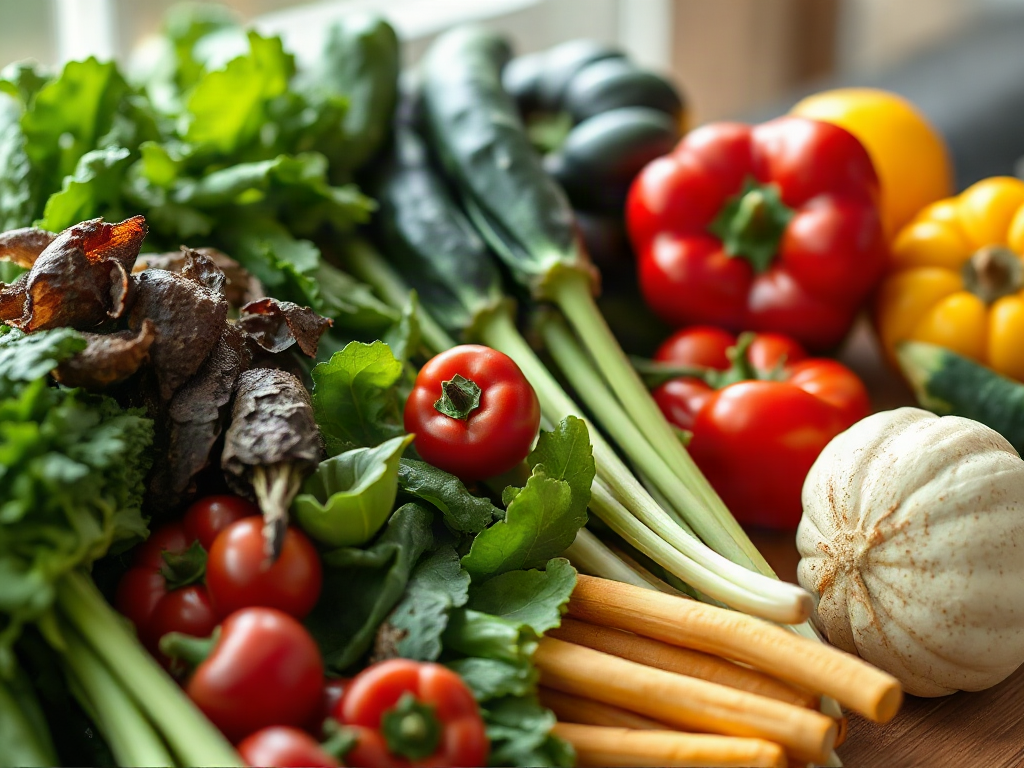
Choosing organic vegetables for nutrient density means prioritizing freshness, variety, edible plant parts, and cooking methods rather than assuming the organic label alone guarantees more nutrients. Dark leafy greens, colorful peppers, cruciferous vegetables, tomatoes, carrots, and alliums offer different vitamins, minerals, fiber, and protective plant compounds. Buy vegetables that are in season or well handled, use highly perishable greens first, and compare organic and conventional options according to budget and farming priorities. Gentle steaming, quick sautéing, and eating some vegetables raw can preserve different nutrients, while prolonged boiling may move water-soluble compounds into the cooking water. Organic certification addresses production practices, not a universal nutrient ranking.
What Nutrient Density Means in a Vegetable Basket
Nutrient density describes how much nutritional value a food provides relative to its energy content or usual serving size. For vegetables, that value can include vitamin C, folate, vitamin K, potassium, carotenoids, fiber, and diverse plant compounds. No single vegetable supplies everything, so a nutrient-dense basket is usually more useful than searching for one supposedly superior item.
Color offers a helpful first signal, but it is not a complete ranking system. Spinach and kale contribute leafy-green nutrients, red peppers are notable for vitamin C, orange carrots provide beta-carotene, and broccoli combines fiber with folate and vitamin C. Onions, garlic, and leeks add flavor and sulfur-containing compounds, even though they may not fill a large portion of the plate. Pairing these categories prevents a common mistake: buying several shades of green while overlooking orange, red, purple, and white vegetables.
Freshness also affects practical value. A wilted bunch of greens that remains unused contributes less to a diet than frozen spinach that is actually cooked and eaten. Nutrient levels can change after harvest, but the size of that change depends on the vegetable, storage conditions, and time. Frozen vegetables can be a sensible alternative when they reduce waste and make regular intake easier; they are not automatically inferior to fresh items.
Think in terms of complementary roles rather than a winner-takes-all list. A weekly combination might include leafy greens, a cabbage-family vegetable, one red or orange option, a starchy vegetable, and an aromatic allium. This approach improves dietary variety while allowing substitutions when price, availability, taste, or storage life makes a particular choice impractical.
How to Compare Vegetables at the Store
Store decisions should begin with condition and likely use, then move to variety and price. Look for firm texture, crisp leaves, intact skins, and color appropriate to the item. Avoid produce with extensive soft spots, leaking packages, sliminess, or widespread wilting. A vegetable that appears highly nutritious but is past its usable stage is a poor purchase if it will be discarded.
Choose vegetables across several nutrient and plant-part categories. Leafy greens are useful for meals that need volume and micronutrients; peppers and broccoli can contribute vitamin C; carrots and winter squash provide carotenoids; potatoes and sweet potatoes supply carbohydrate and potassium along with other nutrients. Mushrooms are botanically distinct from vegetables but can add savory flavor and variety. Treat these as complementary choices rather than interchangeable nutritional twins.
Seasonality can improve both quality and affordability, although local availability and supply chains vary. Compare a fresh seasonal cabbage with a bag of imported greens that may deteriorate quickly. The cabbage may last longer and serve in slaws, soups, and stir-fries, while greens may be the better choice when you will cook them immediately. The best decision depends on the intended meal and how soon the item will be eaten.
A compact shopping check can keep the decision grounded:
- Select one leafy vegetable and one cruciferous vegetable.
- Add one red, orange, or purple vegetable for color diversity.
- Include an item with a longer storage life, such as cabbage, carrots, onions, or winter squash.
- Choose fresh, frozen, or canned forms according to use, label details, and waste risk.
A frequent error is judging nutrient density by appearance alone. Large, vivid produce is not necessarily more valuable than smaller, fresh items, and a vegetable’s nutrient contribution depends on portion, preparation, and the rest of the meal. Check whether the purchase fits a real eating plan before paying a premium for an idealized choice.
Organic Choices, Budget, and Realistic Tradeoffs
Organic certification primarily describes how a food was produced and handled under applicable organic standards; it should not be treated as a universal guarantee of greater nutrient density. Nutrient content varies with cultivar, soil, weather, maturity, harvest timing, storage, and cooking. Those variables can matter whether the vegetable is organic or conventionally grown.
For shoppers who prefer organic farming practices, the most useful strategy is to apply the preference consistently where it fits the budget, then protect overall vegetable variety rather than cutting back on vegetables entirely. For example, someone might buy organic spinach and peppers while choosing conventional cabbage, onions, or frozen peas when the price difference is substantial. That mixed approach can preserve both personal priorities and a broad selection of plant foods.
Budget comparisons should include edible yield and waste. A more expensive package of organic greens may be reasonable if it is used in several meals, while a cheaper large bag is a poor value if half spoils. A long-lasting organic cabbage may produce more servings than a smaller package of delicate leaves. Frozen organic broccoli can also be practical when it eliminates the pressure to use fresh heads within a short window.
Do not confuse washing with removing every possible residue, and do not assume an organic label removes the need for safe handling. Rinse fresh vegetables under running water, scrub firm items when appropriate, keep raw foods separate from ready-to-eat foods, and refrigerate perishables promptly. Washing does not make spoiled produce safe, and organic status does not replace ordinary food-safety practices.
The weak assumption to avoid is that a single label answers every nutrition question. Decide first whether your priority is farming practice, affordability, freshness, reduced waste, or a specific nutrient pattern. Then choose the option that supports the greatest amount of consistently eaten variety within those limits.
Storage and Cooking Choices That Preserve Value
Storage protects the value of a nutrient-dense purchase by slowing quality loss and making food easier to use. Keep leafy greens cool and dry, store many root vegetables in suitable dark conditions, and separate items that release ripening gases from highly sensitive produce when practical. Follow package instructions for cut vegetables, because cutting increases exposed surface area and usually shortens useful storage time.
Cooking changes texture, flavor, and the availability of different compounds. Quick steaming often softens vegetables while limiting contact with water. A brief sauté can make greens, mushrooms, peppers, and onions easier to eat and combine with a meal. Roasting concentrates flavor and can make dense vegetables more appealing, though high heat and long cooking may reduce some heat-sensitive nutrients.
Water-soluble nutrients can move into cooking water, particularly during prolonged boiling. That does not make boiled vegetables worthless; using the cooking liquid in soup or sauce can retain some of what leaves the vegetable. The better method depends on the food and the meal. Raw peppers may preserve a crisp texture and provide vitamin C, while cooked carrots or tomatoes may be more palatable and easier to include regularly.
Consider a practical dinner: steam broccoli, sauté onions and peppers, and serve them with beans, eggs, fish, tofu, or another protein. Add olive oil, nuts, seeds, or avocado if appropriate for the meal. Dietary fat can make meals more satisfying and may help the body use some fat-soluble compounds, but it does not turn every preparation into a nutrition upgrade. Portion, total diet, and personal tolerance still matter.
A common failure mode is using a preservation method that does not match the vegetable. Delicate greens may deteriorate in a crowded, wet container, while root vegetables may be ignored because they were stored out of sight. Put the most perishable items where they are visible, and plan a specific use before quality declines.
A Simple Selection Plan for Weekly Shopping
A reliable weekly plan begins with meals, not an abstract nutrient leaderboard. Review the next several days and identify where vegetables will appear: a breakfast scramble, lunch bowl, soup, sheet-pan dinner, sandwich, or snack plate. Buy enough variety to support those meals, but not so much that delicate items cannot be used in time.
Use a three-part priority order. First, secure vegetables you will definitely eat and that supply a missing category, such as leafy greens or a red-orange option. Second, add durable ingredients that can rescue a rushed meal, including onions, carrots, cabbage, frozen peas, or frozen broccoli. Third, choose one unfamiliar seasonal item if you have a credible preparation plan. This keeps experimentation from replacing dependable intake.
Suppose a household has limited cooking time and a small budget. A practical basket could include frozen broccoli, carrots, onions, a bag of greens, canned tomatoes with suitable ingredients, and one fresh pepper. The basket offers several colors, different storage lives, and multiple cooking routes. A more elaborate selection of fragile specialty vegetables may look impressive but create more waste if weekday meals are rushed.
Track what actually gets eaten for two or three shopping cycles. If greens repeatedly spoil, buy smaller quantities or use frozen versions. If roasted vegetables are consistently finished, purchase more of those types and vary seasonings rather than forcing disliked foods. Signs the plan is working include fewer discarded items, vegetables appearing in more than one meal, and substitutions that preserve variety when prices change.
Do not treat nutrient density as a reason to ignore enjoyment or convenience. A vegetable that fits your schedule, tastes good, and appears regularly can make a larger contribution than a theoretically excellent item that remains unused. Organic choices can be part of that plan, but freshness, variety, preparation, and consistent consumption should remain visible in the decision.
For evidence-aware background, consult the USDA FoodData Central database for nutrient profiles and the USDA MyPlate vegetable guidance for practical food-group planning. University extension programs can also provide region-specific advice on storage, seasonality, and preparation. These sources are useful because nutrient values and handling recommendations vary by vegetable rather than following one universal rule.
Frequently Asked Questions
Are organic vegetables always more nutrient-dense?
No. Organic production and nutrient density are related to different questions. Variety, freshness, cultivar, harvest timing, storage, and preparation can all affect the nutritional value of a vegetable.
Which vegetables should be prioritized for variety?
Combine leafy greens, cruciferous vegetables, red or orange vegetables, alliums, and durable roots or tubers. The mix supplies different nutrients and makes substitutions easier.
Are frozen vegetables a good choice?
Yes, especially when they are used consistently and contain no unwanted sauces or excess sodium. Freezing can be a practical way to reduce spoilage and maintain access to vegetables outside peak fresh availability.
Does cooking reduce the nutrient value of vegetables?
Cooking changes nutrients rather than simply making vegetables good or bad. Long boiling may move water-soluble compounds into water, while steaming, quick sautéing, or using cooking liquid can limit some losses.
How can I choose organic vegetables on a limited budget?
Protect variety and total intake first, then apply organic preferences selectively. Compare edible yield, storage life, frozen options, seasonal prices, and the likelihood that the item will be eaten before it spoils.
Conclusion
A nutrient-dense vegetable selection is built through variety, freshness, sensible storage, and preparation that makes the food easy to eat. Organic vegetables may align with farming and purchasing priorities, but the label alone does not establish a universal nutrient advantage. Choose across color and plant-part categories, include durable or frozen options, and match quantities to the meals you realistically prepare. Use delicate greens quickly, preserve cooking liquid when it suits the dish, and compare organic and conventional options without letting price prevent a broad vegetable pattern. A useful next step is to plan one week around a leafy vegetable, a crucifer, a colorful option, and a long-lasting staple, then adjust the basket based on what your household actually finishes.