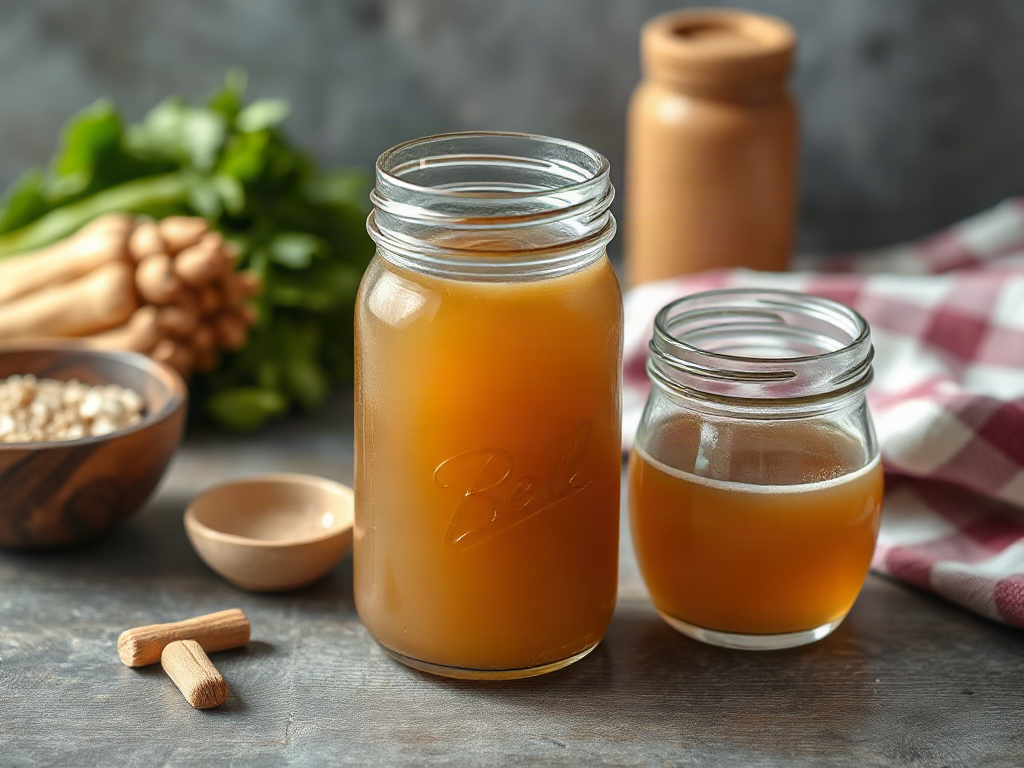
Organic bone broth nutrition and sodium tradeoffs come down to comparing the broth’s sodium with its modest protein and mineral contribution, then fitting the serving into the rest of the day. Simmering bones can produce gelatin and small amounts of protein, but it does not guarantee a meaningful supply of calcium, collagen, or other minerals. Sodium varies widely because salt, concentrated stock, and flavor ingredients may be added after cooking. Choose an unsalted or lower-sodium version when you want broth as a cooking liquid, check sodium per actual serving, and avoid assuming that an organic label means low sodium. People managing blood pressure, kidney disease, or sodium-sensitive conditions should follow individualized medical advice.
What Bone Broth Actually Contributes Nutritionally
Bone broth can contribute fluid, flavor, gelatin, and some protein, but its nutrition depends on the bones, cooking process, concentration, and ingredients added after simmering. A broth made from chicken frames may be relatively light, while a concentrated beef product can taste richer without necessarily supplying a large amount of meat-level protein. The word organic describes production standards for qualifying ingredients; it does not establish a particular amount of collagen, minerals, or sodium.
Gelatin forms when connective-tissue collagen is heated in water. That gelatin may provide amino acids, including glycine and proline, but a cup of broth should not automatically be treated as equivalent to a serving of meat, poultry, fish, beans, or tofu. Those foods generally provide a more predictable protein contribution and often bring additional nutrients such as iron, zinc, vitamin B12, or fiber. Bone broth can complement a meal, but it is usually a weak substitute for the main protein source.
Mineral claims deserve the same caution. Some calcium, phosphorus, magnesium, or potassium may move into the liquid, yet the amount varies with acidity, cooking time, bone composition, dilution, and straining. Homemade broth may contain visible fat or solids; a filtered commercial product may contain less. Without a laboratory analysis or a reliable nutrition label, exact mineral totals are difficult to infer from cooking method alone.
A practical example is a soup made with one cup of broth, beans, leafy greens, and shredded chicken. The broth supplies the liquid base and savory character, while the beans and chicken provide more substantial protein and the greens add fiber and micronutrients. Replacing the chicken and beans with broth alone may make the bowl feel nourishing but can leave its protein and energy contribution lower than expected. For a closer look at how the product fits an overall eating pattern, compare it with Organic bone broth nutrition and sodium tradeoffs alongside the rest of the meal rather than judging it in isolation.
The common mistake is treating a long ingredient list or a thick, jelly-like texture as proof of superior nutrition. Texture can indicate gelatin, but it does not reveal sodium, protein quantity, or mineral content. Use broth for flavor and hydration, then rely on varied whole foods for nutrients it may provide only in small or unpredictable amounts.
Why Sodium Varies So Much Between Products
Sodium is the main tradeoff that separates a useful cooking ingredient from a product that quietly occupies a large share of the day’s intake. Salt may be added during simmering, after reduction, or through ingredients such as seasoning blends, tamari, yeast extract, or prepared flavor concentrates. Two products with nearly identical bone and vegetable ingredients can therefore have very different sodium values.
Concentration magnifies the difference. When water is reduced, the broth becomes more intense and each spoonful contains more dissolved ingredients. A shelf-stable carton may also be formulated for immediate drinking, which can make it saltier than an unsalted cooking stock intended to be combined with other ingredients. “Low sodium” is not a universal description of taste or a substitute for reading the Nutrition Facts panel.
Serving size creates another trap. A label may list one cup even though a package is commonly poured into a larger mug or used across several portions of soup. If a person drinks two labeled servings, the sodium must be doubled. Conversely, a small amount used in a sauce may have little effect on the finished meal. The relevant question is not whether the carton looks healthy, but how much broth is actually consumed and what else is salted.
Consider a rice dish prepared with broth, canned beans, cheese, and a seasoned protein. Even if the broth seems moderate in sodium, the combined ingredients may produce a distinctly salty meal. Choosing unsalted broth makes the final dish easier to adjust because salt can be added after tasting. Choosing regular broth may be reasonable when the other ingredients are fresh and minimally seasoned, but the decision should follow the entire recipe rather than the broth alone.
Another misconception is that organic certification signals a favorable sodium profile. Organic and sodium are separate questions. An organic broth may contain substantial added salt, while a conventional unsalted stock may be the more useful choice for sodium control. People with hypertension, kidney disease, heart failure, or a clinician-directed sodium restriction should treat product selection as part of their individualized plan, not as a wellness label decision.
How to Compare Labels and Serving Sizes
Label comparison works best when sodium, protein, ingredients, and intended use are reviewed together. Start with the serving size and convert it to the amount you will actually drink or cook with. Then compare sodium per serving, not just front-of-package phrases such as “wholesome,” “slow simmered,” or “organic.” A product with less sodium per cup may still contribute a meaningful amount if the recipe uses several cups.
Protein provides useful context. Broth marketed as collagen-rich may contain more protein than a basic stock, but the number on the label determines whether it can function as a substantial protein food. A cup with only a small amount of protein is better understood as a beverage or cooking base. If you need a filling meal, pair it with lentils, eggs, fish, poultry, tempeh, or another dependable protein source.
Ingredient order can reveal why the product tastes salty. Salt near the beginning of the list, seasoning concentrates, or multiple sodium-containing flavorings deserve attention. “No salt added” does not necessarily mean sodium-free because bones, vegetables, or other ingredients can contribute naturally occurring sodium. It does, however, generally give the cook more control than a heavily seasoned broth.
Use this compact label check before buying:
- Record the actual volume you plan to drink or add to a recipe.
- Multiply the listed sodium by the number of servings you will use.
- Check protein separately instead of assuming gelatin equals a complete meal.
- Notice added salt and concentrated flavor ingredients in the ingredient list.
- Compare the broth with canned foods, sauces, cheese, and seasonings in the same dish.
A homemade broth can offer control over salt, but it is not automatically low sodium. Salting the pot heavily, reducing it for storage, or using salted leftovers can produce the same tradeoff as a commercial product. A useful home method is to refrigerate the strained broth, remove a layer of solidified fat if desired, and season individual portions after dilution. That approach improves flexibility, although it still requires safe cooling, storage, and reheating practices.
The failure mode to avoid is comparing brands only by package size or price. A larger carton may look economical but become wasteful if its flavor encourages larger servings or if its sodium makes the rest of the recipe difficult to balance. Compare usable portions and cooking flexibility, not just the shelf price.
Using Bone Broth Without Letting Sodium Dominate the Meal
The best use of bone broth depends on what the meal needs. Low-sodium broth is particularly useful for cooking grains, loosening a pan sauce, thinning a bean stew, or building soup when other ingredients already contribute salt. A regular broth may be convenient for a small mug or a recipe built from unsalted vegetables and plain grains. Neither option is inherently correct; the surrounding ingredients and the person’s dietary needs determine the better fit.
Flavor can be built without relying entirely on salt. Garlic, ginger, onion, celery, mushrooms, black pepper, lemon, vinegar, parsley, thyme, or roasted vegetables can add aroma and acidity. Acid does not remove sodium, but it can make a dish taste brighter, allowing less additional salt. Rinsing canned beans, choosing plain frozen vegetables, and using unsalted cooked grains can also create room for a moderately seasoned broth.
For example, a sodium-conscious soup might combine unsalted broth with lentils, carrots, kale, tomatoes without added salt, and lemon at the end. The lentils supply protein and fiber, while the broth contributes savory depth. If the soup tastes flat, first adjust texture, acidity, herbs, or pepper before adding more salt. A heavily salted broth may make that sequence impossible, especially when the pot also contains canned tomatoes or seasoned meat.
Broth can also serve a smaller role: a few tablespoons in a vegetable sauté or a splash in cooked rice. In those uses, its sodium contribution may be easier to control than when it is consumed by the mug. Diluting a salty broth with water and adding unsalted ingredients changes the concentration per bowl, but it does not erase the total sodium added to the pot. Portion planning remains the deciding factor.
Watch for signs that the approach is not working. Persistent thirst, an overly salty finish, reliance on broth for satiety, or a recipe that requires repeated dilution suggests the product is mismatched to the use. Switching to an unsalted base, reducing the portion, or making broth one component of a meal rather than the meal itself is usually more effective than trying to compensate afterward. Readers seeking a broader comparison can use Organic bone broth nutrition and sodium tradeoffs as a prompt to review protein, fiber, and sodium across the complete plate.
Bone broth is not a treatment for joint, digestive, or medical conditions, and nutrition claims should not replace clinical advice. If a healthcare professional has given you a sodium target or fluid restriction, use that instruction when selecting portions and products. For everyone else, the most reliable priority is simple: choose the sodium level that fits the meal, treat the broth’s protein and minerals realistically, and let varied whole foods carry most of the nutritional load.
Frequently Asked Questions
Is organic bone broth automatically low in sodium?
No. Organic certification and sodium content describe different product characteristics. Check the Nutrition Facts panel and ingredient list for added salt and flavor concentrates.
Does bone broth count as a high-protein food?
Usually not unless the label shows a substantial protein amount. Gelatin contributes amino acids, but broth generally should not replace meat, fish, eggs, beans, or another dependable protein food.
Is homemade broth always a better sodium choice?
Homemade broth can provide more control, but heavy salting and reduction can still make it high in sodium. Seasoning individual servings and using unsalted ingredients improves control.
How can salty bone broth be used?
Use a smaller amount with water and unsalted vegetables, grains, or legumes, and avoid adding more salty ingredients. Remember that dilution lowers concentration per serving but does not remove total sodium.
Who should be especially cautious with sodium in broth?
People with clinician-directed sodium or fluid limits, including some individuals with hypertension, kidney disease, or heart failure, should follow personalized medical guidance rather than general product advice.
Conclusion
Organic bone broth can be a useful savory liquid, but its value rests more on how it is used than on the organic label alone. Check the serving size, sodium, protein, and seasoning ingredients together, then compare the broth with every other salted component in the meal. Choose unsalted or lower-sodium broth when you need cooking flexibility, and pair any broth with foods that reliably provide protein, fiber, and broader micronutrients. Homemade versions offer control only when salt and reduction are managed deliberately. If sodium or fluid intake is medically restricted, personalized guidance takes priority over general nutrition comparisons. A careful label check and a balanced meal structure will usually matter more than claims about simmering time, texture, or collagen content.