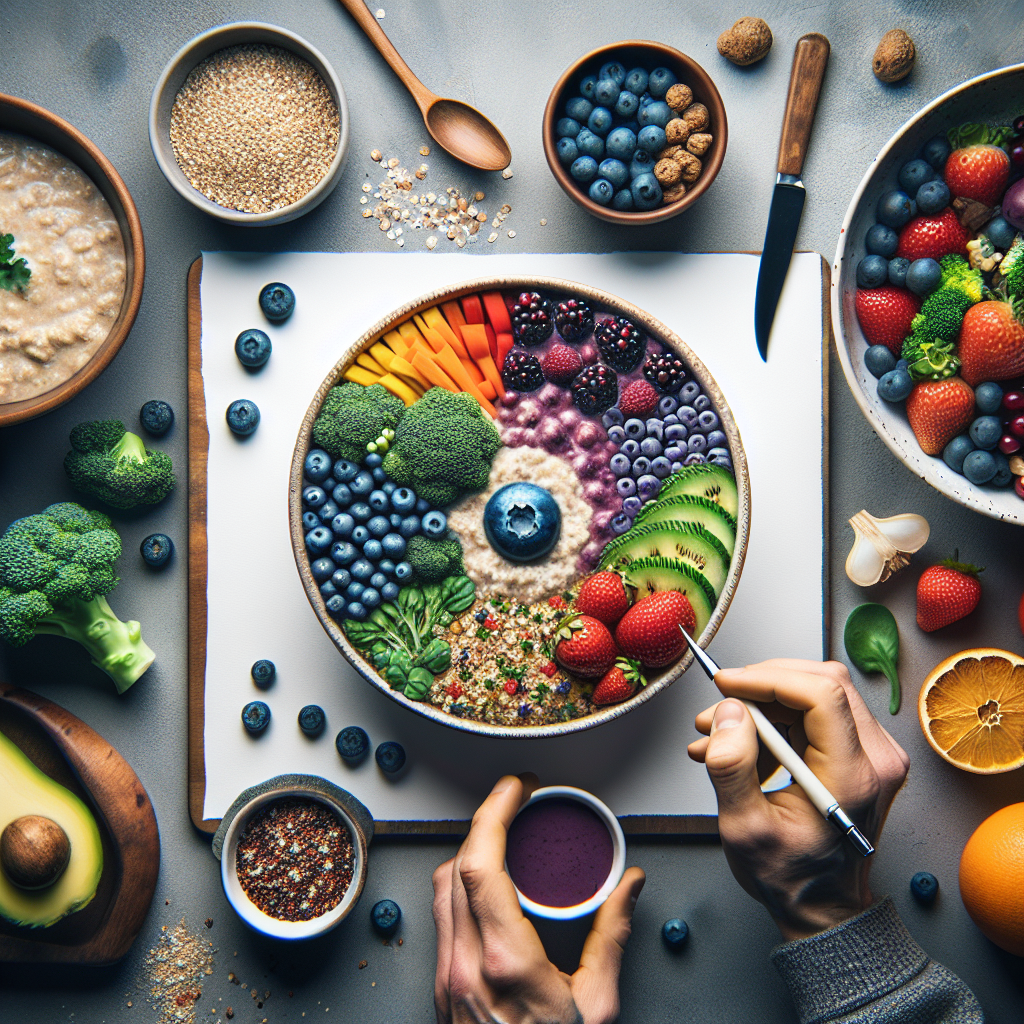
Choosing organic options can minimize exposure to pesticides and synthetic fertilizers, which may compromise immune function over time. Organic foods often contain higher levels of polyphenols and other phytochemicals that have been shown to improve immune response. Prioritizing these food choices can lead to a more robust defense against pathogens and diseases.
Nutritional Superiority of Organic Foods
Organic foods tend to have higher concentrations of vitamins and minerals compared to their conventional counterparts. Research indicates that organic fruits and vegetables can contain up to 50% more antioxidants, which are vital for fighting oxidative stress in the body. These antioxidants play a crucial role in maintaining immune health by neutralizing free radicals and reducing inflammation.
Moreover, organic farming practices often emphasize soil health, which directly influences the nutrient density of the produce. Healthier soil leads to healthier plants, which can offer more robust health benefits. When selecting organic foods, prioritize a variety of colors and types to ensure a broad spectrum of nutrients that can enhance immune function.
The Role of Gut Health in Immunity
A significant portion of the immune system resides in the gut, making gut health essential for overall immunity. Organic foods are rich in dietary fiber, which supports a diverse gut microbiome. A healthy microbiome can enhance immune responses and reduce the likelihood of infections.
Incorporating fermented organic foods, such as yogurt and sauerkraut, can further support gut health by introducing beneficial probiotics. These probiotics help balance gut bacteria, which is critical in preventing gastrointestinal infections and boosting systemic immunity. Prioritize organic options to maximize the health benefits for your gut.
Impact of Pesticides on Immune Function
Exposure to pesticides and other synthetic chemicals found in non-organic produce has raised concerns about their potential impact on immune health. Some studies suggest that these chemicals can disrupt endocrine functions and lead to chronic inflammation, which may impair immune responses.
By choosing organic foods, you can significantly reduce your exposure to these harmful substances. This is particularly important for vulnerable populations, such as children and pregnant women, who may be more susceptible to the adverse effects of chemical exposure. Prioritize organic purchases, especially for the “Dirty Dozen,” a list of produce items known to carry higher pesticide residues.
Practical Ways to Incorporate Organic Foods
Incorporating organic foods into your diet can be straightforward with a few practical steps. Start by focusing on organic fruits and vegetables, as these are often the most impactful on your immune health. Consider joining a local community-supported agriculture (CSA) program to access fresh organic produce regularly.
Additionally, look for organic grains and legumes to diversify your meals. Organic dairy products and meats can also be beneficial, as they typically contain fewer additives and hormones. Meal planning can help ensure you have a variety of organic options available, making it easier to maintain a healthy diet that supports immune resilience.
Further Reading
Authoritative Sources
- USDA Organic Regulations
ams.usda.govThis source provides comprehensive information on organic standards and regulations
- Nutritional Benefits of Organic Foods
ncbi.nlm.nih.govA peer-reviewed study highlighting the nutritional advantages of organic food consumption
Frequently Asked Questions
What are the main benefits of organic foods for immune health?
Organic foods provide higher levels of nutrients and antioxidants, which support immune function and help reduce inflammation.
How do organic foods affect gut health?
Organic foods are rich in fiber and beneficial probiotics, which promote a healthy gut microbiome, essential for strong immune responses.
Are there specific organic foods that are better for immunity?
Fruits and vegetables high in vitamins C and E, such as berries and leafy greens, along with fermented foods, are excellent for immune support.
Can non-organic foods negatively impact my immune system?
Regular consumption of non-organic foods, which may contain pesticides and additives, can lead to chronic inflammation and weaken immune responses.
How can I start incorporating more organic foods into my diet?
Begin by prioritizing organic fruits and vegetables, consider joining a CSA, and explore organic grains and dairy products as part of your meals.
Conclusion
Incorporating organic foods into your diet is a practical step toward enhancing immune resilience. By focusing on the nutritional benefits, minimizing exposure to harmful chemicals, and supporting gut health, you can significantly improve your body’s ability to fend off infections. Prioritize organic choices whenever possible and consider meal planning to ensure a diverse, nutrient-rich diet that supports your immune system effectively.