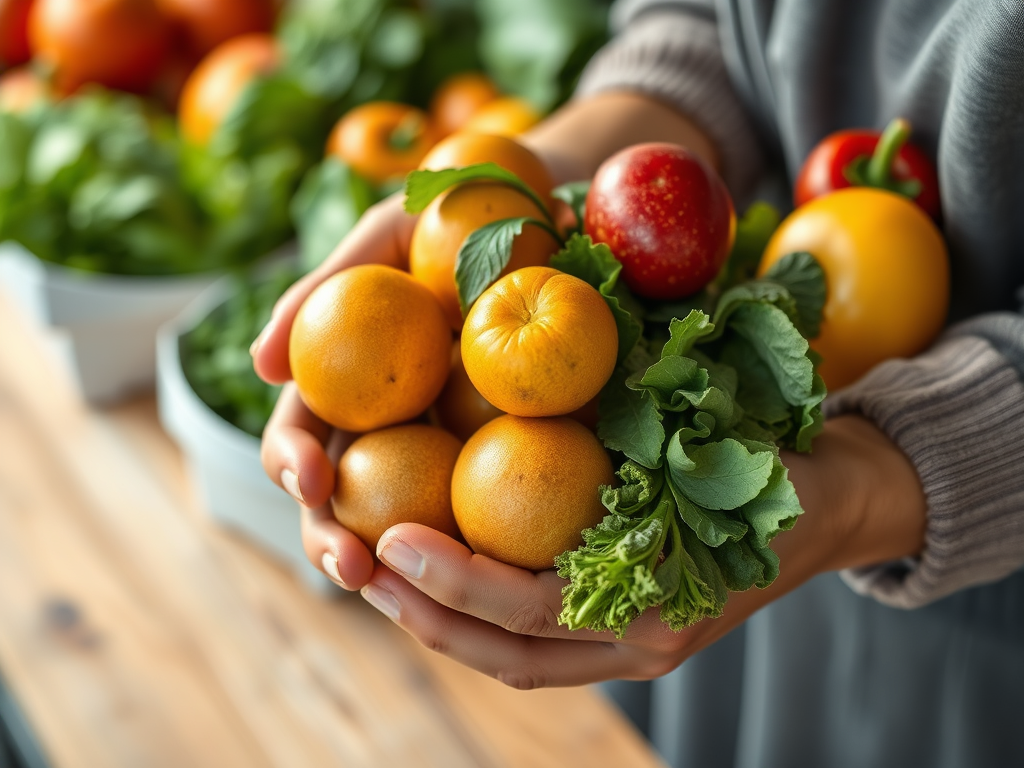
To identify truly organic fruits and vegetables, look for USDA Organic certification, examine the appearance for imperfections, and inquire about sourcing practices. Authentic organic produce typically has minor blemishes, reflecting natural growth without synthetic pesticides. Additionally, purchasing from trusted local farmers can enhance the likelihood of receiving genuinely organic products, as they often adhere to stricter guidelines than commercial operations.
Understanding Organic Certification
Organic certification is a critical element in identifying truly organic fruits and vegetables. In the United States, the USDA (United States Department of Agriculture) provides a recognized certification program that ensures that produce is grown and processed according to federal guidelines. These guidelines prohibit the use of synthetic pesticides, herbicides, and fertilizers, and they mandate the use of non-GMO (genetically modified organisms) seeds.
When shopping for organic produce, look for the USDA Organic seal on packaging or labeling. This seal guarantees that the product meets strict organic standards. Additionally, there are other certification bodies that might be recognized in different countries, so it’s beneficial to familiarize yourself with local organic certification labels. Understanding the certification process helps consumers make informed decisions and ensures they are purchasing genuinely organic products.
However, it’s essential to note that not all organic labels are equal. Some products may be labeled as “made with organic ingredients” but may contain only a fraction of organic content. Therefore, always check the label carefully to confirm the level of organic certification.
Understanding Organic Certification matters because it turns identify truly organic fruits and vegetables from a broad idea into a decision the reader can actually apply. The practical difference usually shows up in the details: how much is needed, when the choice is made, what tradeoff is acceptable, and what sign shows the approach is working. For gardening topics, the strongest advice connects soil conditions, plant needs, timing, and observable growth signals.
A useful way to handle this section is to compare the normal baseline with the situation that creates extra demand. If organic is the baseline concern, then certification becomes the adjustment point and truly becomes the outcome to watch. That keeps the advice specific without forcing the reader into a rigid formula that may not fit their routine, budget, tolerance, schedule, or current level of experience.
The most common mistake is changing too many variables at once. A better approach is to choose one measurable adjustment, use it consistently long enough to see a pattern, and then refine the next step based on energy, comfort, performance, safety, or reliability. This makes the guidance easier to trust because the reader can connect the recommendation to what they observe rather than guessing from a generic checklist.
The practical takeaway is to make the section actionable: identify the main constraint, choose the smallest useful change, and compare the result against the goal. When the outcome improves, the reader can keep the approach. When it does not, the next change should target the most likely bottleneck rather than repeating the same step with more effort.
Physical Characteristics of Organic Produce
One of the most straightforward ways to identify truly organic fruits and vegetables is by examining their physical characteristics. Organic produce often looks different from conventionally grown counterparts due to the absence of synthetic fertilizers and pesticides. For example, organic fruits may have minor blemishes, irregular shapes, or uneven coloration, which are normal signs of natural growth. In contrast, conventionally grown produce often appears more uniform and polished, thanks to chemical treatments.
Additionally, organic vegetables might have a more robust flavor profile and a firmer texture, as they are typically harvested at their peak ripeness without artificial ripening agents. Consumers should be aware that these characteristics can vary based on the type of fruit or vegetable, the growing conditions, and the specific organic practices employed by the farmer.
When selecting organic produce, trust your senses. Smell, touch, and look for signs of freshness. If the produce feels overly waxy or has an unnatural sheen, it may not be organic. Always prioritize purchasing organic fruits and vegetables that exhibit natural imperfections.
Physical Characteristics of Organic Produce matters because it turns identify truly organic fruits and vegetables from a broad idea into a decision the reader can actually apply. The practical difference usually shows up in the details: how much is needed, when the choice is made, what tradeoff is acceptable, and what sign shows the approach is working. For gardening topics, the strongest advice connects soil conditions, plant needs, timing, and observable growth signals.
A useful way to handle this section is to compare the normal baseline with the situation that creates extra demand. If organic is the baseline concern, then fruits becomes the adjustment point and vegetables becomes the outcome to watch. That keeps the advice specific without forcing the reader into a rigid formula that may not fit their routine, budget, tolerance, schedule, or current level of experience.
Sourcing and Buying Practices
To ensure you are buying truly organic fruits and vegetables, consider your sourcing and buying practices. Farmers’ markets, local co-ops, and community-supported agriculture (CSA) programs are excellent places to find organic produce. These venues often provide direct access to farmers who adhere to organic practices and are transparent about their growing methods.
When purchasing from these sources, engage with the farmers or vendors. Ask about their organic practices, including soil management, pest control, and seed sourcing. A reputable farmer will gladly share their farming methods and may even provide insights into their crop rotation and composting techniques.
In grocery stores, look for organic sections and consider the store’s reputation. Often, stores that prioritize organic produce will have employees trained to understand organic standards and can help answer questions about their products. Trustworthy retailers will also provide clear labeling and information about sourcing practices.
Sourcing and Buying Practices matters because it turns identify truly organic fruits and vegetables from a broad idea into a decision the reader can actually apply. The practical difference usually shows up in the details: how much is needed, when the choice is made, what tradeoff is acceptable, and what sign shows the approach is working. For gardening topics, the strongest advice connects soil conditions, plant needs, timing, and observable growth signals.
A useful way to handle this section is to compare the normal baseline with the situation that creates extra demand. If organic is the baseline concern, then practices becomes the adjustment point and sourcing becomes the outcome to watch. That keeps the advice specific without forcing the reader into a rigid formula that may not fit their routine, budget, tolerance, schedule, or current level of experience.
Common Misconceptions About Organic Produce
Despite the growing popularity of organic fruits and vegetables, several misconceptions persist. One common myth is that organic produce is always pesticide-free. While organic farming prohibits synthetic pesticides, organic farmers can still use natural pesticides and herbicides. Therefore, it’s essential to understand that organic does not mean entirely free of all pesticide use.
Another misconception is that organic produce is always healthier than conventional produce. While organic farming practices can lead to higher nutrient levels in some instances, the health benefits can vary widely depending on the specific crop and its growing conditions. It’s crucial to consider a balanced diet that includes a variety of fruits and vegetables, regardless of their organic status.
Additionally, some consumers believe that organic produce is significantly more nutritious than conventionally grown produce. While studies show that organic fruits and vegetables may have higher antioxidant levels, the differences are often marginal. Therefore, focusing on overall dietary patterns and ensuring a diverse intake of plant-based foods is more important than stressing over organic versus non-organic.
Common Misconceptions About Organic Produce matters because it turns identify truly organic fruits and vegetables from a broad idea into a decision the reader can actually apply. The practical difference usually shows up in the details: how much is needed, when the choice is made, what tradeoff is acceptable, and what sign shows the approach is working. For nutrition topics, the strongest advice connects portion size, food quality, timing, and recovery instead of treating every meal as a fixed serving.
A useful way to handle this section is to compare the normal baseline with the situation that creates extra demand. If organic is the baseline concern, then produce becomes the adjustment point and fruits becomes the outcome to watch. That keeps the advice specific without forcing the reader into a rigid formula that may not fit their routine, budget, tolerance, schedule, or current level of experience.
Frequently Asked Questions
What does the USDA Organic seal mean?
The USDA Organic seal indicates that the product meets strict federal standards for organic farming, including no synthetic pesticides or GMOs.
Are organic fruits and vegetables more nutritious?
While some studies suggest organic produce may have higher nutrient levels, the differences are often minimal and can vary by crop.
Can organic produce still have pesticides?
Yes, organic produce can be treated with natural pesticides, but synthetic pesticides are prohibited in organic farming.
How can I find local organic farms?
Search for local farmers' markets, community-supported agriculture (CSA) programs, or use online directories to find nearby organic farms.
What should I look for when buying organic produce?
Look for USDA Organic certification, examine the produce for natural imperfections, and inquire about the farmer's growing practices.
Conclusion
Identifying truly organic fruits and vegetables involves understanding organic certification, recognizing physical characteristics, and sourcing from reputable suppliers. By being informed about what to look for and asking the right questions, consumers can make educated choices that align with their health and environmental values. Prioritizing local, certified organic produce not only supports sustainable farming practices but also enhances your diet with fresh, nutritious options.