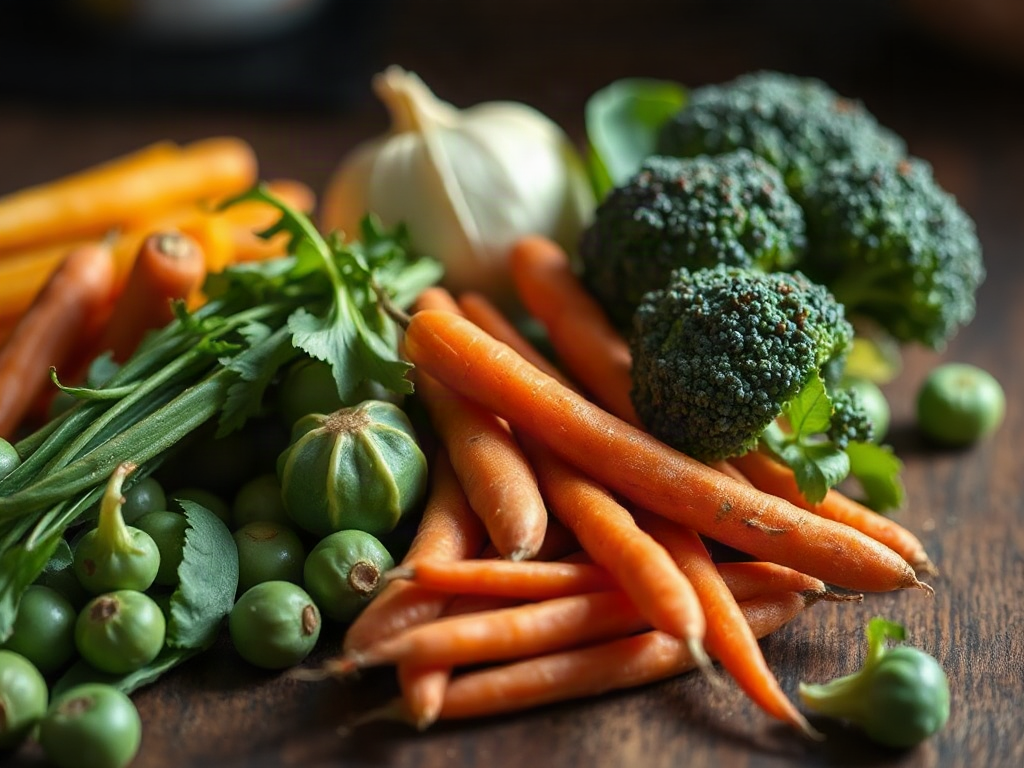
Organic vegetables that support regular bowel movements include beans, peas, leafy greens, broccoli, Brussels sprouts, carrots, sweet potatoes, and squash because their fiber and water content can add bulk and improve stool softness. Beans and peas provide especially concentrated fiber, while cooked greens, carrots, and squash may be gentler choices when raw produce causes bloating. Increase portions gradually, drink enough fluid, and spread these foods across meals rather than making one very large fiber-heavy serving. Keep skins on edible produce when practical, but wash it well and cook vegetables if tenderness or digestion is a concern. Persistent constipation, severe pain, vomiting, blood in the stool, or unexplained weight loss warrants medical evaluation rather than dietary experimentation alone.
Which Vegetables Add the Most Useful Fiber
Regular bowel movements depend on more than eating a large salad once in a while. The most useful produce choices provide a meaningful amount of dietary fiber while fitting the person’s tolerance, cooking habits, and overall fluid intake. Beans, lentils, peas, and chickpeas are technically legumes, but they are often the strongest vegetable-category options for fiber. Broccoli, Brussels sprouts, artichokes, green peas, and sweet potatoes also contribute substantial fiber, while leafy greens, carrots, okra, and winter squash add useful variety.
Fiber works in different ways. Insoluble fiber, found in foods such as vegetable skins, cabbage, and many green vegetables, adds structure and can help stool move through the digestive tract. Soluble and gel-forming fibers, found in foods including carrots, sweet potatoes, and legumes, hold water and may make stool easier to pass. A mixed plate is usually more practical than trying to maximize one type.
For a simple meal, combine a half cup of beans with cooked greens and a baked sweet potato. That pairing supplies different fiber textures without relying on a very large raw serving. Someone who already eats plenty of produce may prefer adding beans or peas rather than simply doubling lettuce. Someone with a sensitive stomach may do better with peeled, cooked carrots or squash before trying large portions of broccoli or cabbage.
- Higher-fiber anchors: beans, peas, lentils, artichokes, sweet potatoes, and Brussels sprouts.
- Gentler cooked options: carrots, zucchini, peeled squash, spinach, and green beans.
- Skin-based additions: potatoes, sweet potatoes, and carrots when the skin is clean, intact, and pleasant to eat.
Choosing organic produce may matter for personal, environmental, or farming-preference reasons, but organic labeling does not make a vegetable inherently more laxative. The bowel-related value still comes mainly from the food’s fiber, water, portion, and the rest of the diet. The most useful choice is the one that is affordable, available, and eaten consistently. A reader comparing organic vegetables that support regular bowel movements should judge both nutrient profile and personal tolerance instead of treating the organic label as the mechanism.
How Fiber, Water, and Preparation Work Together
Fiber needs adequate fluid to perform well, but adding water alone does not replace a low-fiber diet. When fiber reaches the digestive tract, some forms absorb water and increase stool volume; other forms retain the structure that encourages normal movement. If fiber intake rises abruptly while fluid remains low, stools may become bulky, uncomfortable, or harder to pass. That reaction often reflects a mismatch between the new fiber load and the person’s current routine rather than proof that vegetables are unsuitable.
Preparation changes texture and tolerance more reliably than it changes the basic presence of fiber. Steaming, roasting, or simmering softens cell walls and may make vegetables easier to chew and digest. Cooking can reduce some heat-sensitive nutrients, but it does not erase the fiber. A raw broccoli salad and a bowl of well-cooked broccoli may offer different digestive experiences even though both remain fiber-containing foods. For a person prone to gas, cooked portions may be a better starting point than raw cruciferous vegetables.
Keeping an edible skin can add fiber, particularly with potatoes, sweet potatoes, and carrots. Wash produce under running water and remove damaged areas; organic produce still needs careful washing because soil and handling can introduce contaminants. Peeling is reasonable when the skin is tough, poorly tolerated, or difficult to clean. The practical question is not whether skins are always superior, but whether retaining them helps increase fiber without reducing comfort or causing the person to abandon the food.
Use fluids alongside meals rather than forcing excessive amounts at once. Soups, stewed vegetables, and water-rich foods can contribute to total fluid intake, while regular beverages support the water available to fiber. People with fluid restrictions because of kidney, heart, or other medical conditions should not increase fluids without professional guidance. Dietary advice also should not be used to treat a suspected obstruction or severe constipation with pain and vomiting.
Preparation is therefore a decision tool. Choose raw vegetables when crunch and convenience suit you, cooked vegetables when tenderness matters, and soups or stews when a softer, more hydrated meal is easier to maintain. Neither raw nor organic automatically means better for bowel regularity; the sustainable combination is the one that supplies fiber without creating enough discomfort to disrupt the routine.
Building a Vegetable Routine Without Excess Bloating
A gradual increase is more dependable than an overnight switch to very large salads, bran-heavy meals, and multiple servings of beans. Gut microbes ferment some fibers, producing gas as they process them. That fermentation is normal, but a sudden increase can produce pressure, bloating, or cramping. Start by adding one consistent serving daily, then assess stool ease, frequency, fullness, and gas before adding another.
A practical three-step pattern works for many adults: add a cooked vegetable at one meal, include a legume or peas several times during the week if tolerated, and replace some refined side dishes with potatoes, squash, carrots, or greens. The goal is not to force a bowel movement on a particular schedule. The goal is a repeatable pattern that supplies fiber across the day and leaves enough room for fluids, fruit, whole grains, and protein.
Consider this example: a person who usually eats toast and cheese for breakfast, a sandwich for lunch, and pasta for dinner might begin with cooked spinach at dinner and a small serving of beans at lunch. After several days, they could add a sweet potato or carrots rather than jumping immediately to raw kale, cauliflower, and a large bean salad. If stools become harder, the next check should include beverage intake, activity, medications, and total food volume—not just the number of vegetables.
Keep a short food-and-symptom note for several days if the response is unclear. Record the vegetable, approximate portion, raw or cooked form, beverage pattern, stool ease, and symptoms. That record can reveal that a particular large serving causes gas while smaller servings are comfortable. It can also show that the problem is inconsistent eating rather than a single “missing” vegetable.
People with irritable bowel syndrome may need individualized portions because certain fermentable carbohydrates in legumes, onions, garlic, and some cruciferous vegetables can trigger symptoms. A low-FODMAP approach, if considered, is not a reason to permanently remove broad food groups without qualified guidance. Someone who tolerates carrots and green beans may not tolerate the same portion of chickpeas, but that difference calls for adjustment rather than abandoning all produce.
The best routine has visible signs of working: stools pass with less straining, texture becomes easier to manage, and bloating remains acceptable. Failure signs include escalating pain, persistent severe distension, repeated loose stools, or constipation that does not improve despite sensible changes. Those patterns deserve assessment rather than progressively larger servings.
Common Mistakes, Limits, and When to Seek Care
The most common mistake is treating fiber as a single-dose remedy. A large serving of beans or raw vegetables may be uncomfortable for someone whose usual diet contains little fiber. Another mistake is removing skins, discarding stems, and choosing highly processed vegetable products while assuming the word “vegetable” guarantees enough roughage. Vegetable juice, for instance, usually provides less intact fiber than whole carrots, peppers, or cooked greens.
Portion size also matters. A small serving that is eaten regularly may be more useful than an ambitious meal that causes gas and is never repeated. Compare a bowl of cooked squash with a large raw cabbage salad: the salad may have more bulk, but the cooked squash may be easier for a sensitive eater to include consistently. Likewise, beans can be highly effective as a fiber source, yet canned beans should be rinsed if excess sodium is a concern, and gradual portions may improve tolerance.
Do not assume constipation is caused only by food. Reduced movement, travel, changes in routine, inadequate overall intake, dehydration, medications, pelvic-floor problems, and medical conditions can all contribute. Increasing vegetables may support normal bowel function, but it cannot diagnose the reason for a persistent change. A pharmacist or clinician can review medicines that may slow bowel movements and determine whether additional evaluation is appropriate.
Seek prompt medical attention for severe or worsening abdominal pain, vomiting, a swollen abdomen with inability to pass stool or gas, black or bloody stool, fainting, fever, or unexplained weight loss. New or persistent constipation also deserves professional review, particularly in older adults or anyone with a significant health condition. These symptoms should not be managed by repeatedly increasing fiber.
For everyday use, prioritize the following checklist:
- Choose one or two tolerated, fiber-rich vegetables and eat them consistently.
- Increase portions gradually while maintaining an appropriate fluid pattern.
- Use cooked forms when raw produce causes discomfort.
- Keep edible skins when clean, tolerated, and practical.
- Review medications, activity, and routine if food changes do not explain the problem.
Readers comparing organic vegetables that support regular bowel movements should also consider freshness and storage. Wilted produce may be less appealing and therefore less likely to be eaten, while frozen vegetables can be a useful, nutritious alternative when fresh options are expensive or unavailable. Organic and conventional produce can both fit a fiber-supportive eating pattern.
A Sustainable Plate for Everyday Regularity
Regularity is easier to support when vegetables are distributed across meals instead of reserved for an occasional “healthy” dinner. A breakfast with cooked greens or leftover vegetables, a lunch containing peas or beans, and a dinner built around carrots, squash, potatoes, or broccoli creates several modest fiber opportunities. This pattern also reduces the need for a single oversized serving that may cause discomfort.
Build meals around contrast: pair a softer cooked vegetable with a firmer, skin-on option when tolerated, and combine plant foods with enough calories and protein to make the meal satisfying. A lentil-and-carrot soup, a baked sweet potato with beans, or roasted Brussels sprouts beside a grain-based meal can be more workable than eating plain vegetables as an isolated side dish. The added ingredients do not cancel the vegetables’ fiber; they make the routine easier to maintain.
Budget and access should shape the recommendation. Frozen peas, spinach, and mixed vegetables can be stored longer than delicate fresh greens. Canned beans offer convenience, while dried legumes may cost less but require planning. Organic purchasing can be selective if price is a barrier: choose the forms that will actually be eaten, and do not let a preference for organic status reduce total vegetable intake.
A useful next step is to select three vegetables for the coming week: one legume or pea-based option, one leafy or cruciferous vegetable, and one root or squash vegetable. Prepare them in forms that match tolerance, then change only one variable at a time if symptoms occur. That approach makes cause and effect easier to judge and supports a realistic long-term pattern.
The phrase organic vegetables that support regular bowel movements describes helpful food choices, not a guaranteed treatment. Fiber, fluid, tolerance, routine, and medical context all influence the result. The strongest plan is moderate, repeatable, and responsive to the body’s feedback.
Frequently Asked Questions
Which organic vegetables are highest in fiber?
Beans, lentils, peas, artichokes, Brussels sprouts, sweet potatoes, and winter squash are strong choices. Exact fiber amounts vary by variety and serving size.
Are raw vegetables better than cooked vegetables for constipation?
Not necessarily. Cooking softens vegetables and may improve tolerance, while raw forms can provide more crunch and structure. The better option is the form you can eat consistently without significant bloating.
Can vegetables make constipation worse?
A rapid increase in fiber without adequate fluid can cause bulky stools, gas, or discomfort. Gradual portions and appropriate hydration are usually more sensible than a sudden large increase.
Should vegetable skins be left on?
Edible skins on potatoes, sweet potatoes, and carrots can add fiber when washed thoroughly and tolerated. Peeling is reasonable if the skin is tough, damaged, or uncomfortable to digest.
When should constipation be evaluated by a clinician?
Seek care for severe pain, vomiting, blood or black stool, marked abdominal swelling, inability to pass gas, unexplained weight loss, or persistent constipation that does not respond to sensible routine changes.
Conclusion
Beans, peas, leafy greens, carrots, broccoli, sweet potatoes, squash, and other fiber-containing produce can fit a bowel-supportive eating pattern, but the strongest results come from consistency rather than oversized servings. Add one tolerated option at a time, use cooked forms when raw vegetables cause gas, retain edible skins when practical, and maintain an appropriate fluid pattern. Organic certification can align with personal purchasing priorities, yet it is the fiber, portion, preparation, and overall diet that matter most for regularity. If symptoms remain unchanged, review activity, medications, routine, and total intake instead of endlessly increasing vegetables. Severe pain, vomiting, bleeding, major swelling, or unexplained weight loss calls for medical attention. A varied plate repeated through the week is a more reliable next step than a dramatic short-term dietary change.
Further Reading
Authoritative Sources
- The best high-fiber foods chart for constipation
oshihealth.comUse this high-fiber foods chart for constipation to spot fiber-rich choices, portion sizes, and tips to ease stools and support regularity.
- The 5 Best Foods for a Healthy Colon
renown.orgFiber-rich foods include: Vegetables: Broccoli, carrots, cabbage, sweet potatoes, green leafy vegetables Fruits: Apples, berries, pears, bananas
- Eating, Diet, & Nutrition for Constipation - NIDDK
niddk.nih.govGood sources of fiber are whole grains, vegetables, such as carrots, broccoli, green peas, and collard greens nuts, such as almonds, peanuts, and pecans
- Natural Remedies for Constipation
thegidocs.comCruciferous vegetables such as broccoli, cauliflower, Brussels sprouts and cabbage are excellent sources of essential fiber and other nutrients, ...