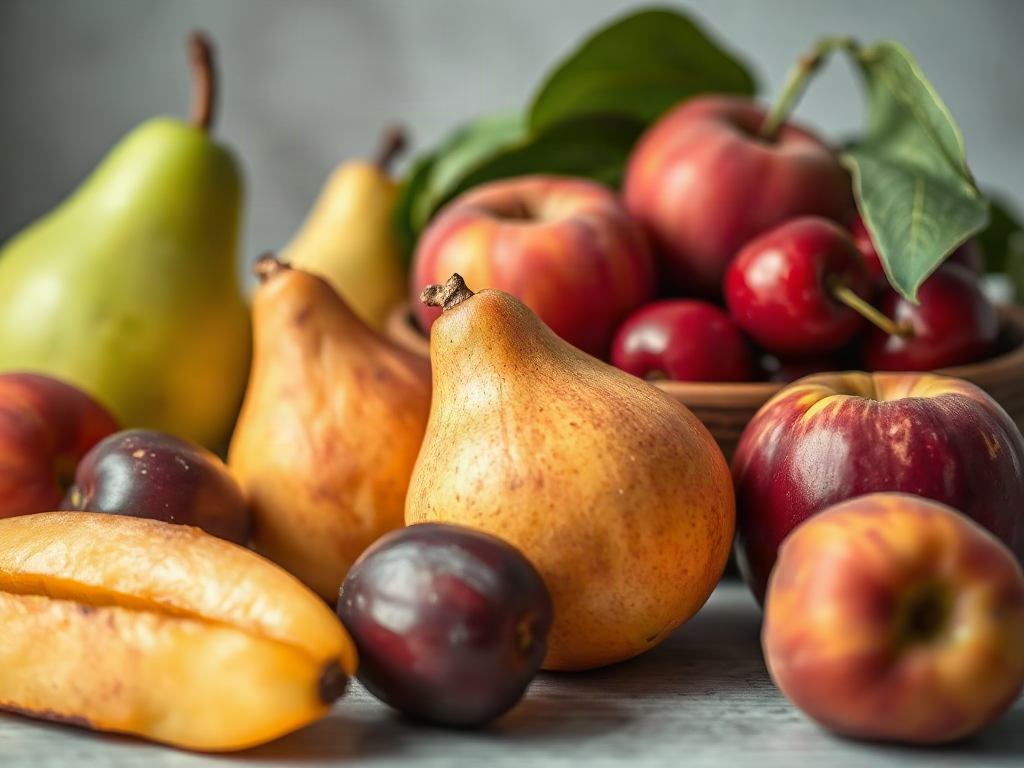
Organic fruits that may trigger digestive discomfort include apples, pears, mangoes, cherries, peaches, plums, and dried fruit, especially when their fermentable carbohydrates, fructose, sorbitol, fiber, or fruit acids exceed an individual’s tolerance. Gas, bloating, cramping, loose stools, or urgency may appear after large servings, juice, smoothies, or combinations with other fermentable foods. Try a small portion of one fruit at a time, eat it with a meal, and track the timing and symptoms rather than removing every fruit at once. Cooking, peeling, or choosing berries, citrus, grapes, or firm bananas may be easier for some people, but persistent or severe symptoms warrant medical evaluation.
Why Certain Fruits Cause Digestive Symptoms
Digestive discomfort after fruit usually reflects the amount and type of carbohydrate reaching the large intestine, not whether the fruit was grown organically. Apples, pears, mangoes, cherries, peaches, and plums contain varying amounts of fructose and sorbitol, carbohydrates that some people absorb incompletely. Gut bacteria ferment the unabsorbed material, producing gas that can cause bloating, pressure, or cramping. Sorbitol can also draw water into the bowel, making loose stools or urgency more likely.
Fiber adds another layer. A sudden increase in fruit, particularly when combined with bran, beans, or large salads, can overwhelm a digestive system that is not accustomed to the change. The fruit itself may not be the sole cause; portion size, speed of eating, hydration, and the rest of the meal can alter the response. A whole apple eaten slowly may be tolerated better than two apples blended into a smoothie.
Acidity can matter as well. Citrus, pineapple, and less-ripe fruit may aggravate upper-abdominal burning or reflux-like symptoms in susceptible people, although acidity does not explain every episode of gas or diarrhea. A common mistake is treating all digestive symptoms as evidence of a food allergy. Food allergy may involve hives, swelling, wheezing, vomiting, or other immune symptoms, while carbohydrate intolerance more often produces intestinal symptoms without those signs.
Organic certification does not remove fructose, sorbitol, fiber, or natural acids. Its relevance may relate to farming and pesticide-use standards, but an organic pear can still cause symptoms if pears are a personal trigger. The practical question is therefore not whether a fruit is organic, but which compounds, serving sizes, and preparation methods coincide with discomfort. Readers comparing options can use this fruit discomfort reference to organize observations rather than making broad assumptions.
Fresh Fruits and Forms Most Likely to Cause Trouble
Apples and pears are frequent problem foods because they combine fermentable sugars with fiber and, in many varieties, sorbitol. Mangoes can be difficult for people sensitive to excess fructose, while cherries, peaches, nectarines, and plums may supply both fermentable sugars and sorbitol. Watermelon can also cause symptoms for some people despite its high water content. These fruits are not unhealthy; they are simply more likely to exceed an individual tolerance threshold than a smaller serving of a lower-trigger option.
Dried fruit deserves separate attention. Removing water concentrates sugar and compresses several fresh servings into a small handful. Raisins, dried apricots, dates, prunes, and dried mango can therefore produce more fermentation or bowel stimulation than their fresh equivalents. Prunes are deliberately used by some people to support bowel movements because of sorbitol and fiber; that same effect may be uncomfortable for someone already prone to urgency or diarrhea.
Juice and smoothies can change the experience even when the ingredients are familiar. Liquid fruit is consumed quickly and may contain little of the chewing and intact structure that naturally slows intake. A smoothie containing mango, apple, dates, and fruit juice may deliver a large carbohydrate load in minutes. Straining juice removes much of the fiber but does not necessarily remove the sugars that provoke symptoms. Whole fruit, eaten in a measured serving, offers a more controllable test.
Preparation can shift tolerance without guaranteeing it. Peeling an apple or pear reduces some fiber, and cooking may soften the fruit’s structure, but neither method removes all fermentable carbohydrates. Berries, grapes, kiwi, oranges, pineapple, and firm bananas are often considered alternatives for people testing lower-fermentation choices, yet personal responses differ. The useful comparison is a single serving of one alternative against a known trigger, not a permanent ranking that applies to everyone.
Mixed fruit plates create a frequent failure point. If five fruits are eaten together and symptoms appear, there is no reliable way to identify the culprit. Choose one fruit, keep the serving modest, and avoid testing it alongside a large amount of legumes, onions, garlic, or sugar alcohols. That approach produces cleaner information and reduces the temptation to blame all produce.
How to Test Portions Without Unnecessary Restriction
A structured food trial is more useful than eliminating every suspected fruit. Begin when symptoms are relatively settled, then record the fruit, approximate amount, ripeness, preparation, meal companions, and symptoms over the following hours. The purpose is not to create a perfect scientific experiment; it is to identify a repeatable pattern. If half a pear causes bloating twice but a few slices do not, portion size may be more relevant than total avoidance.
A practical sequence is to test one fruit at a time, start with a small serving, and repeat the same amount on another day if the first result is unclear. Eat slowly and keep other meal variables familiar. If the serving is tolerated, increase it gradually rather than jumping from a few bites to a large bowl. A useful checklist includes:
- Choose one fresh fruit rather than a mixed serving or juice.
- Measure a modest portion and note whether the fruit is ripe, peeled, or cooked.
- Track bloating, gas, pain, stool changes, nausea, and timing.
- Compare the result with a similar serving on a separate day.
- Stop the trial if symptoms become pronounced and seek advice when reactions are concerning.
Meal context matters. Some people tolerate fruit better with yogurt, oats, nuts, or another meal than on an empty stomach, perhaps because mixed eating slows intake and changes the total digestive load. Others find high-fat meals worsen fullness or reflux, so adding fat is not a universal solution. The best choice depends on whether the main symptom is lower-abdominal fermentation, rapid bowel movement, or upper-abdominal burning.
Do not confuse a low-trigger pattern with a nutritionally complete long-term diet. Restricting apples, pears, stone fruit, and dried fruit may reduce symptoms temporarily, but it can also narrow fiber and micronutrient variety. A registered dietitian can help with a carefully managed low-FODMAP-style process when symptoms are persistent, particularly because structured reintroduction is needed to identify tolerated foods. The aim should be the broadest comfortable diet, not the longest list of forbidden items. More practical comparisons appear in this serving-size and preparation guide.
When Digestive Discomfort Needs Medical Attention
Occasional gas or bloating after a large serving is different from ongoing or escalating digestive illness. Fruit may expose an existing sensitivity, but it may not be the underlying diagnosis. Irritable bowel syndrome, lactose intolerance from the rest of a meal, celiac disease, inflammatory bowel disease, infection, medication effects, and other conditions can produce overlapping symptoms. Removing one fruit without considering the broader pattern may delay a useful evaluation.
Arrange medical advice for persistent abdominal pain, recurring diarrhea or constipation, unexplained weight loss, blood or black stools, fever, nighttime symptoms, repeated vomiting, anemia, or a marked change in bowel habits. Seek urgent care for trouble breathing, throat or tongue swelling, faintness, or widespread hives after eating fruit because those symptoms can indicate a serious allergic reaction. A food diary can help a clinician, but it should not replace assessment when warning signs are present.
Consider the product as well as the fruit. Pre-cut organic fruit may be handled differently from intact produce, and spoiled or poorly stored food can cause symptoms unrelated to natural sugars. Wash fresh produce under running water, refrigerate cut fruit promptly, and discard food with clear spoilage. Organic status does not make food immune to contamination or deterioration.
Testing should be adjusted to the symptom pattern. Someone with gas after apples may reasonably compare a smaller peeled serving with berries, while someone with burning after citrus may need to examine meal timing, lying down after eating, coffee, and other reflux triggers. A person with repeated diarrhea after many fruits should not keep escalating home trials. The priority is identifying whether the problem is portion-related, linked to a broader carbohydrate pattern, or a sign that professional evaluation is appropriate.
Use the phrase organic fruits that may trigger digestive discomfort as a starting point for observation, not as a diagnosis. Symptoms that consistently improve with reduced portions and return with larger portions suggest a tolerance issue, but that pattern alone cannot establish a medical condition.
Frequently Asked Questions
Can organic fruit still cause bloating?
Yes. Organic production does not change the fruit’s natural fructose, sorbitol, fiber, or acidity, which may provoke bloating in sensitive people.
Which fruits are commonly harder to tolerate?
Apples, pears, mangoes, cherries, peaches, plums, nectarines, watermelon, and dried fruit commonly cause problems for some people, especially in large servings.
Does cooking fruit make it easier to digest?
Cooking softens texture and may reduce some fiber-related difficulty, but it does not remove all fermentable sugars. Tolerance still depends on the fruit and serving size.
Should fruit be eliminated after one uncomfortable episode?
No. Repeat the observation with a smaller serving and simpler meal when appropriate. A single episode may reflect overeating, a mixed meal, illness, or food spoilage.
When should digestive symptoms be checked by a clinician?
Seek advice for persistent or severe symptoms, blood in stool, weight loss, fever, nighttime symptoms, repeated vomiting, or allergic signs such as swelling or breathing difficulty.
Conclusion
Fruit-related discomfort is usually best managed by identifying the specific fruit, serving size, preparation, and meal context involved. Apples, pears, mangoes, stone fruit, watermelon, and dried fruit deserve closer observation because their fermentable sugars or concentrated portions can create gas, water movement, or urgency for susceptible people. Test one fresh fruit at a time, begin with a small amount, and keep a brief symptom record before making broad dietary restrictions. Consider cooked or peeled forms when texture or fiber seems relevant, while remembering that preparation cannot remove every trigger. Persistent symptoms, warning signs, or reactions beyond ordinary intestinal discomfort call for medical guidance. A varied diet that includes tolerated fruit is a more useful goal than avoiding organic produce indiscriminately.
Further Reading
Authoritative Sources
- 5 Unexpected Foods That Can Cause Digestive Issues I ...
giwebmd.comBecause of their high acidic levels, citrus fruits like lemons, limes, and oranges can cause acid reflux and stomach pain. If you experience ...
- 11 Foods That Are Hard to Digest and What to Eat Instead
everydayhealth.comFruits like bananas, blueberries, cantaloupes, grapes, oranges, and strawberries are lower in fructose and may be less likely to cause IBS ...
- Good foods to help your digestion
nhs.ukAcidic foods, such as tomatoes, citrus fruits, salad dressings and fizzy drinks, can trigger heartburn, while wheat and onions may cause irritable bowel ...
- Foods to Avoid for Better Digestive Health
austingastro.comAcidic foods, like citrus fruits, tomatoes, salad dressings, and soda, may trigger heartburn and acid reflux.