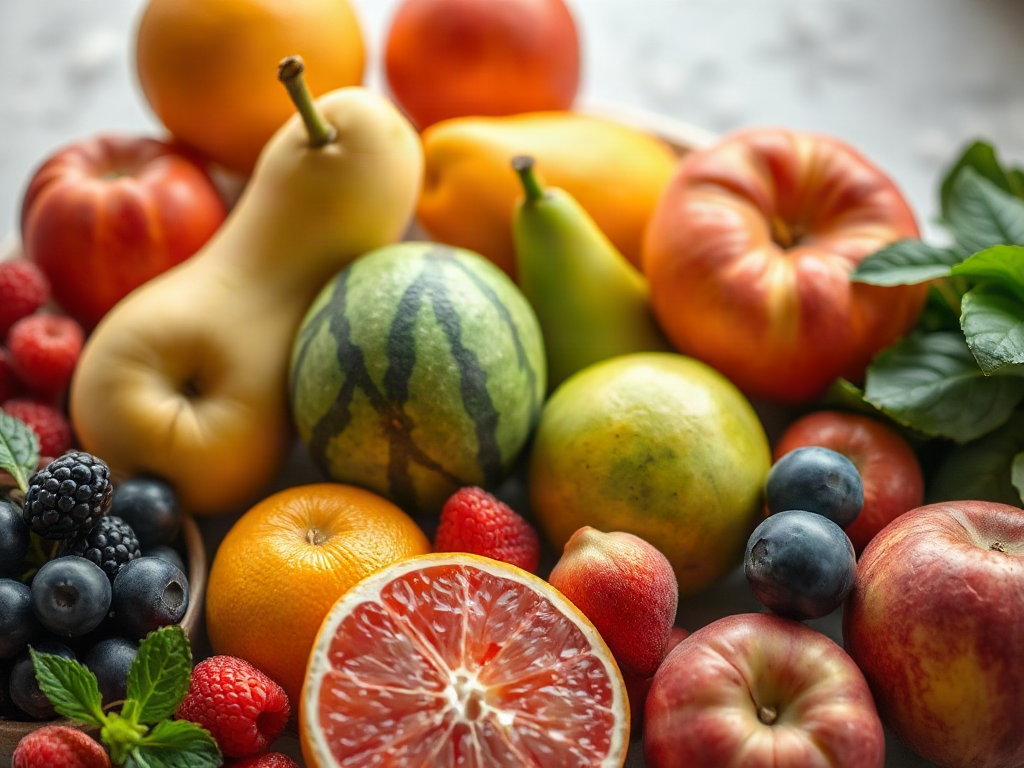
Organic fruits with high water content and fiber include berries, apples, pears, oranges, grapefruit, watermelon, peaches, plums, and kiwi, with the best choice depending on hydration needs, fiber tolerance, and how the fruit is served. Water-rich fruit contributes fluid and potassium, while intact skins, pulp, seeds, and membranes provide different types of dietary fiber. Whole fruit is usually more filling than juice because blending or pressing changes its physical structure. Increase portions gradually, pair fruit with meals when larger servings cause discomfort, and choose washed, seasonal organic options rather than assuming organic automatically means higher fiber or water content.
Which Fruits Combine Water and Fiber Most Effectively
Water-rich fruit and fiber-rich fruit overlap, but they are not identical categories. Watermelon and citrus provide substantial fluid, while berries, pears, apples, and kiwi tend to contribute more fiber per typical serving. A useful everyday choice combines enough water to make the fruit refreshing with enough intact plant structure to slow eating and add bulk to a meal. The skin, pulp, membranes, and seeds all influence that structure.
Good candidates include strawberries, raspberries, blackberries, oranges, grapefruit, pears, apples, peaches, plums, kiwi, and watermelon. Berries supply water along with seeds and soluble and insoluble fiber; citrus retains fluid-rich pulp and membranes when eaten whole; pears and apples become more fiber-dense when their skins remain on. Watermelon is exceptionally juicy, but its fiber contribution is modest compared with raspberries or pears, so it works better as part of a varied plate than as the only fruit selected for both goals.
The practical distinction is between hydration emphasis and fiber emphasis. On a hot day, watermelon, oranges, peaches, or grapes may be easy to eat and appealing. At breakfast, a pear with its skin or berries stirred into plain yogurt offers more staying power. Someone increasing fiber may prefer kiwi or berries in a modest serving, while a person with a sensitive digestive system may tolerate peeled peach or citrus segments more comfortably than a large bowl of seeds and skins.
- Higher fiber emphasis: raspberries, blackberries, pears with skin, apples with skin, and kiwi.
- Higher water emphasis: watermelon, oranges, grapefruit, peaches, plums, and strawberries.
- Balanced everyday options: strawberries, citrus eaten whole, peaches, pears, and apples.
A common mistake is treating “high water content” as a guarantee of high fiber. Juice, strained fruit drinks, and heavily processed fruit products may retain flavor and some nutrients while losing much of the original structure. Choosing whole organic fruit and varying the type across the week is more reliable than searching for one perfect item. For more planning ideas, see these organic fruits with high water content and fiber as a category rather than relying on a single ranking.
How Variety, Ripeness, and Preparation Change the Result
Preparation determines how much of the fruit’s fiber framework remains available during eating. Biting into a whole apple or pear preserves the skin and intact flesh, whereas juicing removes most of the pulp and pressing separates liquid from much of the solid material. Smoothies can retain more fiber than juice when the entire edible fruit is blended, but they may still be consumed faster and in larger amounts than a person would normally chew.
Ripeness also changes texture and tolerance. A firm pear has a denser, more resistant structure than a very soft pear; a ripe peach may be easier to chew but less satisfying for someone who benefits from slower eating. Ripeness does not erase fiber, yet it can alter how quickly the fruit is eaten and how comfortable it feels. Acidic citrus and kiwi may be refreshing for one person but irritating for someone who experiences mouth sensitivity or reflux symptoms.
Consider a weekday breakfast. A bowl containing strawberries, sliced kiwi, and a small amount of oats offers water, fruit fiber, and additional texture. Replacing that bowl with strained orange juice increases fluid but removes the chewing and much of the pulp that helps make whole fruit more filling. Neither choice is automatically suitable for every situation: juice can be practical when chewing is difficult, but it should not be assumed to provide the same fiber experience as an orange eaten in segments.
Organic certification addresses how a product is produced and handled under the applicable certification system; it does not make a fruit inherently more hydrating or more fibrous. Variety, cultivar, maturity, edible portion, and preparation have greater influence on the eating experience. A weak assumption is that an organic label compensates for serving fruit as juice, syrup-packed pieces, or sweetened snacks. Check the form of the food first, then consider the label and sourcing preferences.
A simple preparation hierarchy is useful: whole fruit generally preserves the most structure, chopped fruit preserves most structure while making portions easier, blended whole fruit retains more than strained juice, and juice provides the least intact fiber. That hierarchy is not a moral ranking; it is a way to match preparation to the purpose. If hydration is the immediate priority, a liquid may be convenient. If fullness and fiber are priorities, chewing whole fruit usually has the stronger practical advantage.
Building Portions Around Hydration and Digestive Tolerance
Portion size matters because a sudden jump in fruit fiber can cause bloating, cramping, or changes in bowel habits even when the fruit itself is nutritious. Water-rich fruit can also be easy to eat quickly, making a large serving less noticeable. A better approach is to add one fruit serving to an existing meal, observe comfort, and increase variety before increasing volume.
For a person who currently eats little fiber, a small bowl of strawberries or one orange may be a gentler starting point than a large mixed fruit salad containing berries, pear skin, dried fruit, and seeds. The latter combination concentrates several sources of fiber at once and may be difficult to interpret if symptoms appear. Keeping a simple note of fruit type, amount, ripeness, and response can identify whether the issue is portion size, rapid change, or a particular fruit.
Pairing fruit with other foods can improve meal balance and slow consumption. A pear with unsweetened yogurt, berries alongside eggs and whole-grain toast, or orange segments with beans and greens creates a meal with more protein or fat than fruit alone. This does not make the fiber disappear; it simply changes the pace and context of eating. People managing a diagnosed digestive condition may need individualized advice because tolerance varies widely, and some high-fiber or high-fructose fruits may be restricted temporarily.
Pay attention to signs that the approach is working: fruit fits comfortably into meals, hunger returns at a predictable interval, bowel changes are manageable, and the person can maintain variety without avoiding entire food groups. Signs to reassess include persistent pain, ongoing diarrhea or constipation, repeated vomiting, unintentional weight loss, or symptoms that continue despite reducing the serving. Those symptoms warrant medical evaluation rather than continued experimentation with fruit portions.
Hydration from fruit is helpful but should not be treated as a replacement for drinking water when fluid needs are elevated. Sweating, illness, heat exposure, and certain medical conditions change requirements. The sensible priority is to use fruit as one contributor to fluid and fiber intake while keeping the overall meal pattern, thirst, urine color, activity, and professional guidance in view. The related organic fruits with high water content and fiber can be rotated according to tolerance instead of forced into a fixed daily quota.
Organic Buying, Washing, and Storage Decisions
Buying organic fruit is a sourcing choice, not a nutritional shortcut. Organic and conventionally grown fruit can both provide water, fiber, vitamins, and beneficial plant compounds. Organic purchasing may matter to a household because of farming practices, environmental priorities, or personal preferences, while budget and availability may make conventional fruit the realistic option. Either way, the fruit’s condition and whether it is eaten whole have immediate practical consequences.
Choose fruit that is fresh enough to be eaten before spoilage, since a discounted container that is discarded provides no nutritional value. Berries should be checked for leaking juice or visible mold, citrus should feel firm for its type, and peaches and pears should be selected according to when they will be eaten rather than only their firmness at purchase. Refrigeration slows deterioration for many fruits, while some unripe pears and peaches can finish ripening at room temperature before being chilled.
Wash produce under running water before eating or cutting it, and use clean hands, knives, and cutting boards. Washing does not sterilize fruit and should not be replaced by soap or household cleaners. Scrubbing firm produce can remove surface soil; delicate berries need gentle handling. Even when the peel is removed, washing first helps prevent material on the surface from transferring through a knife into the edible portion.
Retaining edible skins can increase texture and fiber, but it is not mandatory. A person with dental difficulty, swallowing concerns, or digestive sensitivity may reasonably choose peeled or cooked fruit. Cutting an apple into thin slices, segmenting an orange, or gently stewing a firm pear can make the same basic food more usable. The common failure is allowing an idealized “eat every peel raw” rule to prevent someone from eating fruit at all.
Storage affects quality more than many shoppers expect. Keep cut fruit covered and chilled, use separate utensils for tasting and serving, and discard fruit with extensive mold rather than cutting around widespread growth. Seasonal purchases often offer better flavor and lower waste, but frozen unsweetened berries can also be a practical fiber-containing option when fresh produce is expensive or unavailable.
Practical Fruit Combinations for Daily Eating
The most workable plan uses different fruits for different eating situations. A high-fiber choice can anchor breakfast, a juicy fruit can accompany lunch, and a smaller portion can finish dinner. This approach avoids asking one fruit to deliver maximum hydration, maximum fiber, perfect tolerance, and complete nutritional balance at the same time.
For breakfast, try berries with plain yogurt and a small serving of oats, or sliced pear with a protein-containing meal. The berries add moisture and seeds, while the yogurt and oats change the meal’s texture and may make it easier to avoid eating a very large fruit portion quickly. For lunch, orange segments in a bean or leafy-green salad contribute acidity and fluid while the meal supplies additional fiber and protein. The membranes can be eaten if comfortable, but they may be removed for a softer texture.
After activity or in warm weather, watermelon with a more substantial snack can be refreshing without pretending to be a complete recovery meal. Peach, plum, or strawberries can serve a similar role. Someone prioritizing fiber may add a pear or kiwi elsewhere in the day rather than turning the watermelon serving into an oversized bowl. A common mistake is replacing a meal with fruit because it feels light; the result may be short-lived fullness and inadequate protein or energy.
Use a short decision checklist when choosing:
- Purpose: Is the immediate goal fluid, fiber, convenience, or a refreshing side?
- Form: Can the fruit be eaten whole, or is blending or cooking more practical?
- Tolerance: Have skins, seeds, acidity, or a large portion caused symptoms before?
- Balance: What protein, fat, or other food will make the serving part of a complete meal?
- Waste: Will the amount purchased be eaten while it is still fresh?
These decisions make the keyword useful in real life rather than turning it into a rigid list. A person who wants more fiber should prioritize intact berries, pears, apples, and kiwi gradually. A person who mainly needs refreshing produce may lean toward citrus, melon, peaches, and strawberries, then obtain fiber from other fruits and plant foods. The best plan is the one that is tolerated, affordable, safely handled, and repeated often enough to matter.
Frequently Asked Questions
Which organic fruit has the most water?
Watermelon is a very water-rich choice, while oranges, grapefruit, peaches, plums, strawberries, and grapes also provide substantial fluid. Water content varies with variety and ripeness.
Which water-rich fruits are also higher in fiber?
Raspberries, blackberries, pears with skin, apples with skin, kiwi, and strawberries combine meaningful fiber with considerable water. Whole fruit preserves more fiber than juice.
Does organic fruit contain more fiber?
Not necessarily. Fiber depends more on the fruit type, edible portion, maturity, and preparation than on whether the fruit is certified organic.
Is fruit juice a good substitute for whole fruit?
Juice can provide fluid and some nutrients, but it usually contains far less intact fiber and is easier to drink quickly. Whole fruit is generally the better choice when fiber and fullness matter.
How can someone increase fruit fiber without digestive discomfort?
Increase servings gradually, retain skins when tolerated, drink according to thirst and needs, and avoid adding several high-fiber fruits at once. Persistent or severe symptoms should be discussed with a healthcare professional.
Conclusion
Choosing organic fruit with both water and fiber means looking beyond the label. Whole berries, kiwi, pears, apples, citrus, peaches, plums, and watermelon each serve a different balance of fluid, texture, and fiber. Prioritize whole or lightly cut fruit when fullness and fiber are the goal, use juice selectively for convenience, and adjust skins, seeds, ripeness, and portion size to personal tolerance. Pair fruit with meals or snacks that include other substantial foods instead of using a large fruit bowl as a complete meal. Buy amounts you can store and eat safely, wash produce before cutting, and rotate fresh or frozen options according to season and budget. That flexible approach delivers more practical value than chasing a single “best” fruit.