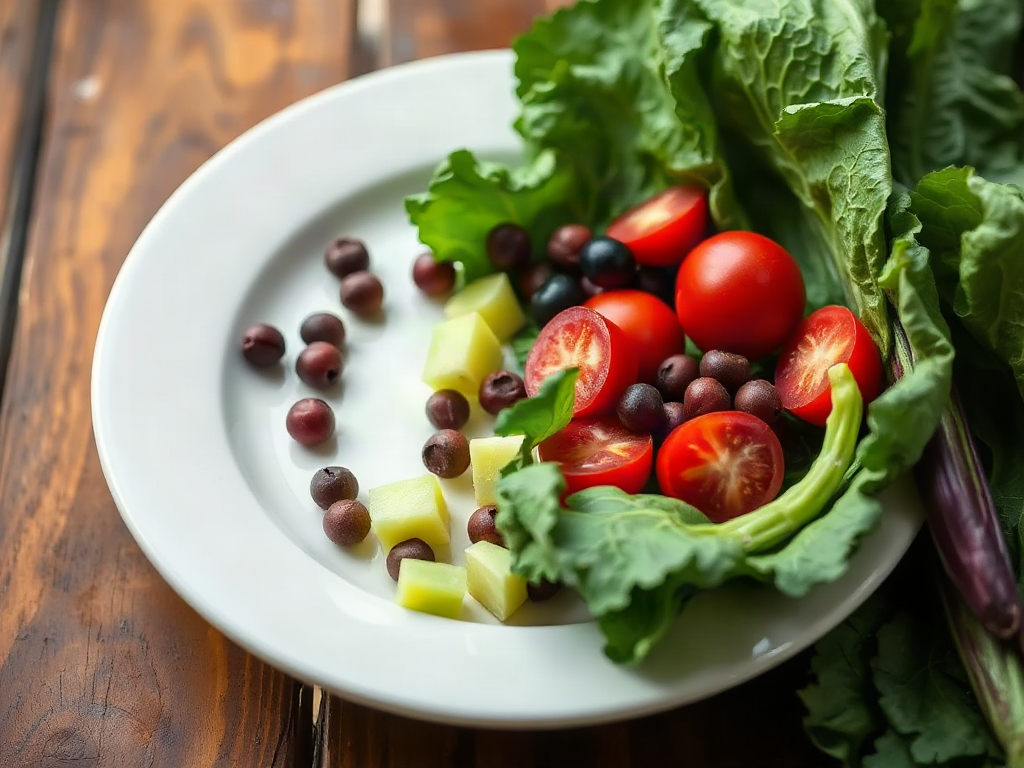
How variety affects micronutrient gaps in produce diets depends on whether different plant foods supply complementary nutrients rather than simply adding more items to the plate. Rotating leafy greens, legumes, colorful vegetables, fruit, nuts, seeds, and whole grains can broaden exposure to folate, vitamin C, vitamin K, carotenoids, magnesium, potassium, iron, zinc, and other nutrients. Gaps still occur when a diet excludes fortified foods, legumes, seeds, or animal-derived sources of vitamin B12, iodine, calcium, or highly bioavailable iron. A practical approach is to review a typical week, identify repeated food groups, and add one or two nutrient-dense alternatives instead of chasing novelty at every meal.
Why Produce Variety Changes Nutrient Coverage
Produce is not nutritionally interchangeable. Spinach, oranges, sweet potatoes, mushrooms, lentils, berries, and cabbage all contribute different combinations of vitamins, minerals, fiber, and plant compounds. A diet built around only a few familiar items may provide plenty of some nutrients while offering little of others. Variety matters because micronutrients are distributed unevenly across plant foods, and the amount eaten is only one part of the equation.
Color can offer a useful starting point, but color alone is not a complete nutrition strategy. Dark green vegetables commonly contribute folate, vitamin K, and carotenoids; citrus and peppers are notable sources of vitamin C; orange produce supplies carotenoids; legumes add folate, iron, magnesium, potassium, and protein; and seeds can contribute magnesium, zinc, and iron. White or brown foods should not be dismissed either: potatoes, onions, cauliflower, mushrooms, oats, and beans can fill nutritional roles that a color-based approach may overlook.
The mechanism is straightforward: repeated meals create repeated nutrient exposure. Someone who eats romaine lettuce, cucumbers, apples, and carrots daily may have a healthy-looking plate but a narrower nutrient profile than someone who alternates greens, legumes, cruciferous vegetables, berries, citrus, tubers, and seeds. The second pattern does not need exotic ingredients. It needs meaningful changes in food groups and preparation.
A common mistake is treating a large salad as proof of comprehensive coverage. A salad can be rich in vitamin K and folate while remaining low in energy, protein, calcium, iodine, or vitamin B12 depending on its ingredients. Pairing greens with beans, tofu, seeds, a calcium-fortified food, or another appropriate protein source makes the meal more nutritionally complete. For a broader look at how variety affects micronutrient gaps in produce diets, assess the whole week rather than judging one plate.
Which Gaps Repeated Produce Choices Can Create
Narrow produce patterns most often create gaps by omission. Eating many fruits and vegetables does not automatically provide every micronutrient, particularly when legumes, nuts, seeds, whole grains, fortified foods, or animal-derived foods are absent. Vitamin B12 is a clear example: unfortified fruits and vegetables do not reliably supply it. Iodine may also be limited when iodized salt, seafood, dairy, or fortified alternatives are missing. These issues are related to the structure of the diet, not a failure of produce itself.
Iron deserves more careful interpretation. Beans, lentils, spinach, and seeds contain iron, but plant iron is absorbed differently from heme iron found in animal foods. Vitamin C from peppers, tomatoes, citrus, kiwi, or broccoli can improve the meal’s iron-use potential when eaten alongside plant sources. Tea or coffee consumed with an iron-focused meal may reduce absorption for some people because of their polyphenols, although the overall diet and individual circumstances matter. A person with diagnosed anemia should not rely on menu variety alone.
Calcium can be missed when a produce-heavy diet excludes dairy and does not include calcium-set tofu, fortified plant beverages, certain greens, or other reliable sources. Vitamin D is another frequent concern because ordinary produce supplies little of it. Potassium and vitamin C may be plentiful in a varied pattern, but that should not create false confidence about every nutrient.
Repeated choices can also create a practical imbalance between raw and cooked foods. Cooking may reduce some heat-sensitive vitamin content, yet it can make certain vegetables easier to eat in useful amounts and may improve access to compounds in foods such as tomatoes. A menu consisting only of raw greens is not automatically superior to one that includes cooked beans, roasted vegetables, soups, and frozen produce.
The weak assumption to avoid is that “plant-based” or “fresh” is a nutrient analysis. A produce diet should be judged by its actual components, portions, fortification, preparation, and exclusions. If fatigue, neurological symptoms, persistent weakness, or other health concerns are present, professional assessment and appropriate laboratory testing are more dependable than adding random superfoods.
Building Variety That Actually Adds Nutrients
Useful variety means rotating nutrient roles, not collecting many versions of the same food. A practical weekly pattern can include several kinds of leafy vegetables, legumes, colorful vegetables, fruit, tubers, whole grains, nuts, and seeds. The goal is not to eat every category daily in equal amounts. The goal is to prevent one narrow cluster—such as lettuce, tomatoes, apples, and carrots—from carrying the entire diet.
Build meals around complementary combinations. Lentil stew with tomatoes or peppers supplies plant iron alongside vitamin C. Oatmeal with berries and pumpkin seeds adds fruit, whole-grain, magnesium, and zinc contributions. A baked sweet potato with black beans and cabbage provides different carbohydrate, fiber, folate, potassium, and carotenoid sources than a meal based on leafy salad alone. These combinations are more useful than simply switching from one lettuce variety to another.
Use fresh, frozen, canned, and dried foods according to practicality. Frozen peas, canned beans, frozen berries, and canned tomatoes can make diverse eating affordable and consistent. Rinsing canned beans can reduce sodium, while choosing unsalted versions may be useful for people monitoring sodium intake. Organic status does not determine whether a food supplies a particular micronutrient, so budget should usually favor broader selection over buying a smaller range of premium items.
A simple rotation can be organized around four questions:
- Did the week include both leafy and non-leafy vegetables?
- Were legumes, nuts, seeds, or whole grains present regularly?
- Did fruit choices include more than one type and acidity profile?
- Does the eating pattern contain dependable sources of B12, iodine, calcium, iron, and vitamin D when produce alone cannot provide them?
Another mistake is changing foods so frequently that meals become expensive, wasteful, or impossible to repeat. Variety should be sustainable. Keep reliable staples, then rotate two or three items each week. Someone with limited cooking time might use frozen greens, microwaveable grains, canned beans, and prewashed vegetables; someone with more flexibility may batch-cook several legumes and vegetables. Both approaches can widen nutrient coverage. The right test is whether the pattern is repeated often enough to influence the diet, not whether it looks ambitious on paper.
How to Check Whether Your Pattern Is Working
Evaluate variety across seven to fourteen days, because a single day can misrepresent an otherwise balanced pattern. Write down the main ingredients in meals and snacks, then group them by role: leafy vegetables, other vegetables, fruit, legumes, whole grains, nuts and seeds, fortified foods, and any animal-derived foods. Look for repetition within a group and missing groups across the entire period.
Next, identify nutrients that deserve special attention based on exclusions. A fully plant-based pattern needs a dependable vitamin B12 source, usually through fortified food or a supplement selected with qualified guidance. A dairy-free pattern needs planned calcium sources. A diet using little iodized salt and no seafood or dairy may warrant an iodine discussion with a clinician or dietitian. Pregnancy, heavy menstrual bleeding, gastrointestinal conditions, restrictive eating, and certain medications can change nutrient needs or absorption and make individualized advice more important.
Signs that a variety change is useful include a more balanced meal structure, fewer meals built from one produce category, and consistent inclusion of legumes, seeds, fortified foods, or other previously absent sources. Signs that the approach is failing include adding numerous fruits while still avoiding legumes and mineral-rich foods, depending on juice instead of whole foods, or assuming a supplement can compensate for a highly restricted diet without review.
Food tracking apps can estimate intake, but their databases and serving assumptions are imperfect. Use them to spot patterns rather than to create false precision. USDA food-composition resources, NIH fact sheets, and a registered dietitian can help clarify nutrients that are difficult to judge from appearance alone. Readers comparing menus can also use variety and micronutrient gap guidance alongside their actual dietary restrictions, budget, and cooking habits.
Prioritize the largest omission first. Adding a sixth fruit while no legumes are eaten usually has less value than introducing beans or lentils. Likewise, replacing one green salad with another may be less meaningful than adding fortified calcium, seeds, whole grains, or a dependable B12 source where appropriate. Variety works best as a targeted correction, not as an endless search for novelty.
Frequently Asked Questions
Does eating more types of fruit prevent micronutrient gaps?
It can broaden vitamin and plant-compound exposure, but fruit alone does not reliably supply B12, iodine, vitamin D, or enough calcium and iron for every person.
How many different produce foods should be eaten?
No universal number guarantees adequacy. Focus on rotating food groups and adding legumes, whole grains, nuts, seeds, and fortified foods where the menu lacks them.
Can organic produce prevent nutrient deficiencies?
Organic production does not guarantee complete micronutrient coverage. Nutrient gaps are more closely related to food selection, fortification, absorption, and dietary restrictions.
Are frozen vegetables useful for increasing variety?
Yes. Frozen vegetables and fruit can make less familiar options affordable and convenient, and they may be nutritionally practical when fresh foods are unavailable or costly.
When should a dietitian or clinician review a produce-heavy diet?
Seek individualized advice for pregnancy, anemia, persistent symptoms, gastrointestinal disease, highly restrictive diets, or concerns about B12, iodine, calcium, vitamin D, or iron.
Conclusion
Variety reduces micronutrient blind spots when it changes the nutritional roles represented in the diet. Rotate leafy and non-leafy vegetables, fruits, legumes, whole grains, nuts, and seeds, then address nutrients that produce cannot reliably provide through fortified foods or professionally guided supplementation when appropriate. Review a full week of eating rather than judging a single colorful meal, and give priority to missing categories instead of adding endless minor variations. Frozen, canned, and dried options can make a broader pattern affordable and repeatable. A produce-rich diet can be highly nutritious, but freshness, organic labeling, and visual color do not prove adequacy. When symptoms, medical conditions, pregnancy, or restrictive eating are involved, a dietitian or clinician can assess nutrient needs more safely than trial-and-error food changes.