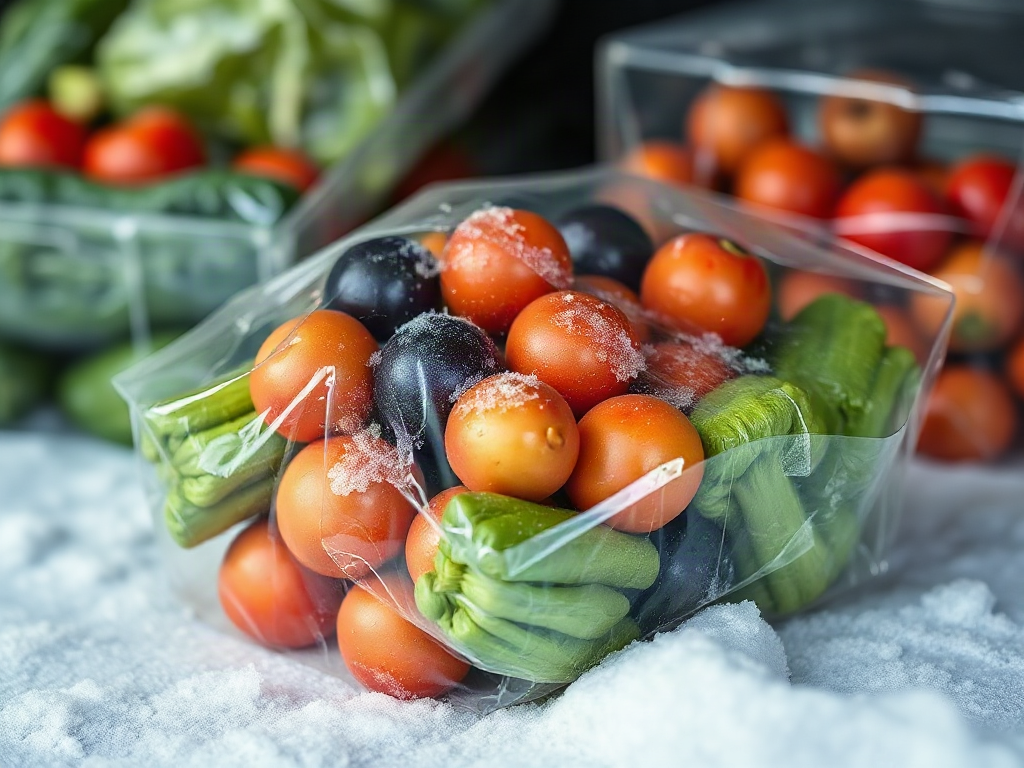
Vegetables partially frozen during delivery are usually a quality problem caused by exposure to temperatures below their ideal range, but they are not automatically unsafe. Check whether the packages remained sealed, whether the vegetables still contain ice crystals, and whether they stayed refrigerator-cold rather than becoming warm during thawing. Leafy greens, cucumbers, tomatoes, and soft herbs often turn limp because freezing ruptures plant cells, while peas, corn, and other vegetables commonly sold frozen may tolerate the change better. Refrigerate the shipment promptly, separate damaged items, and use thawed vegetables soon; discard anything with a leaking package, sour odor, slime, mold, or uncertain temperature history.
Why Vegetables Partially Freeze in Transit
Partial freezing happens when vegetables encounter a cold spot, frozen gel pack, dry ice, or refrigerated vehicle temperature below the range the produce can tolerate. A delivery box may feel cold overall while one side is much colder because the package is pressed against a coolant pack. Thin bags and items placed directly beside the pack are especially vulnerable. Winter loading docks, overnight transport, and delayed handoffs can create the same problem even without an obvious refrigeration failure.
Ice crystals form first in the water contained inside and between plant cells. As crystals grow, they can puncture cell walls and membranes. The vegetables may still look acceptable while frozen, then release water and soften as they thaw. That difference explains why a firm-looking bag of greens can become wet and limp later in the day.
Packaging also affects the result. A sealed pouch may protect against contamination and dehydration, but it cannot stop freezing if the contents sit against a very cold surface for hours. A vented carton of broccoli may lose less quality than delicate lettuce exposed to the same temperature because the florets and stem have a different structure.
Do not assume that an icy shipment was necessarily transported incorrectly. Some vegetables are intentionally shipped frozen, and a small amount of frost can reflect contact with a coolant rather than a long temperature excursion. The practical question is whether the item was sold as fresh, whether its package remained intact, and whether the thawing history created a quality or safety concern. Readers comparing delivery outcomes with vegetables partially frozen during delivery should record which products were nearest the coolant source and which were insulated by other items.
How Freezing Changes Texture Across Vegetable Types
Freezing damage is most visible in vegetables with high water content and delicate cell structure. Lettuce, spinach, arugula, cucumbers, celery, radishes, tomatoes, and fresh herbs may become limp, translucent, watery, or fractured after thawing. Their flavor may remain acceptable, but their raw texture usually does not recover because cooking cannot rebuild ruptured cells.
Dense vegetables can respond differently. Carrots, green beans, broccoli, cauliflower, and bell peppers may retain some structure, particularly when only part of the item froze. The damaged section may cook normally even when it is no longer pleasant in a salad or stir-fry. Peas, corn, and chopped mixed vegetables are less concerning from a texture perspective when they are already sold as frozen products, although an unintentionally thawed package still requires attention to temperature and package condition.
For example, a cucumber that develops glassy patches after delivery is unlikely to return to its original crispness. It may still work in a blended dressing, chilled soup, or cooked relish if it has no spoilage signs. A partly frozen carrot with a firm center, by contrast, may be suitable for roasting after trimming a soft end. Choosing a cooked application is a quality decision, not a way to make spoiled food safe.
The common mistake is treating every change as either harmless or dangerous. Texture loss does not automatically prove bacterial growth, while a normal appearance does not prove that handling was safe. Separate quality judgment from safety judgment: ask whether the vegetable will meet the intended use, then assess odor, slime, leakage, mold, and temperature history. The article on vegetables partially frozen during delivery is most useful when the shipment contains both hardy items and delicate salad ingredients, since they should not receive the same quality expectation.
Safety Checks When a Delivery Arrives Cold or Icy
Inspect the delivery before putting everything away. A partially frozen vegetable is generally less concerning when it is still hard or contains ice crystals and the package is intact. Greater concern arises when the product has thawed completely, feels warm, leaks liquid, smells sour, or has a temperature history that cannot be explained. Freezing slows or pauses microbial activity; it does not sterilize the food, and thawing allows microorganisms to become active again.
Start with the package. Discard or contact the seller about bags that are torn, swollen, punctured, or leaking, especially if liquid from another item could have entered. Check for mold, slippery surfaces, unusual discoloration, fermentation-like odor, or an unexpectedly sharp smell. A mild earthy smell can be normal for some root vegetables, but sour or rotten odors are not quality variations to cook around.
Next, consider the temperature evidence. If the vegetables are still partly frozen, place them in the refrigerator and use them promptly according to their quality. If they have thawed but are clearly refrigerator-cold, keep them chilled and prioritize them for cooking. If they are warm or were left in a delivery area for an unknown length of time, do not rely on appearance alone. When the product is perishable and the handling history is uncertain, contacting the retailer for a replacement or refund is more sensible than guessing.
A useful receiving sequence is short and deliberate:
- Move the box out of sunlight and open it promptly.
- Identify items with ice crystals, wet packaging, or soft spots.
- Separate delicate vegetables from firm ones and keep all questionable items chilled.
- Photograph damaged packaging and note delivery time before contacting the seller.
Avoid rinsing vegetables immediately just to remove frost. Washing can spread liquid around the refrigerator and add moisture that speeds deterioration. Rinse produce under clean running water shortly before preparation, not as a substitute for evaluating a damaged package. For additional context, vegetables partially frozen during delivery should be judged by the combination of condition and handling history rather than by ice alone.
What to Do With Partially Frozen Vegetables
Use the least damaged vegetables for the preparation that matches their remaining structure. Crispness-dependent foods should be handled first because thawed texture declines quickly. Lettuce, herbs, cucumbers, and radishes may be poor salad ingredients after freezing, but they can sometimes be used in blended soups, sauces, cooked dishes, or flavor bases if they remain fresh-smelling and clean.
Harder vegetables offer more flexibility. Partly frozen broccoli, cauliflower, peppers, carrots, or beans can often go directly into a cooked meal once inspected. Roasting, steaming, braising, and soup-making hide some softness, but excess water may interfere with browning. Pat the vegetables dry after thawing and avoid crowding the pan. A watery pepper may steam instead of roast, so a smaller batch or a soup application may produce a better result.
Thawing strategy matters. Keep fresh vegetables in the refrigerator rather than on the counter, particularly when the package is large and the center will thaw slowly. Once thawed, use them soon instead of repeatedly moving them between the refrigerator and freezer. Refreezing can further damage texture, and it should not be used to rescue vegetables that became warm or developed spoilage signs.
Consider the intended meal before deciding whether to keep an item. A family planning a raw vegetable platter has a lower tolerance for limp texture than someone preparing a blended vegetable soup. A partially frozen bunch of basil may be disappointing for garnish but useful in a cooked sauce. The tradeoff is waste versus quality: keeping a sound but cosmetically damaged vegetable can reduce waste, while forcing a poor-quality item into a raw dish often leads to wasted ingredients anyway.
Do not trim around mold, slime, or strong spoilage odor and then assume the remainder is acceptable. Those signs may extend beyond the visibly affected spot. Trimming is more reasonable for isolated mechanical bruising or a localized frozen-soft section when the rest is firm, clean, and odor-free. When the package has leaked or the condition is ambiguous, supplier documentation and replacement policies are safer decision aids than a visual guess.
Preventing Repeat Delivery Damage
Future orders can be improved by reducing direct contact between fresh vegetables and coolant. Choose delivery windows with prompt receipt, bring the box indoors immediately, and unpack it rather than leaving it closed in a warm entryway. If the retailer offers packaging options, ask for insulation or separation between fresh produce and frozen packs. A note requesting that delicate vegetables not be placed directly beside coolant may help, although it cannot control every stage of transport.
Product selection also changes the risk. Leafy greens, cucumbers, and fresh herbs are poor candidates for long unattended deliveries during freezing weather. Whole carrots, cabbage, onions, winter squash, and firm root vegetables generally tolerate transit better, though they still need protection from extreme cold. Buying delicate items locally or ordering them in smaller quantities may cost more per item but can prevent a complete loss when delivery conditions are unpredictable.
Keep a simple record if the problem repeats: order date, weather, delivery duration, package position, affected vegetables, and photos. A pattern can distinguish a seasonal route problem from a single damaged shipment. For instance, if only greens freeze whenever they are packed beside a gel pack, the retailer may be able to alter the packing arrangement. If every item arrives warm after a long delay, the issue is broader than cold exposure.
Prioritize communication over silent disposal. Describe the exact item, whether it was still icy, whether the seal was intact, and which quality changes appeared after thawing. “Frozen” alone is less useful than “lettuce beside the gel pack was translucent and wet after thawing, while the carrots remained firm.” Specific evidence gives the seller a practical opportunity to adjust packaging, refund the product, or advise whether it was intended to arrive frozen.
Frequently Asked Questions
Are vegetables partially frozen during delivery automatically unsafe?
No. Ice crystals usually indicate cold exposure, not contamination. Inspect the seal, odor, texture, and temperature history, then refrigerate sound items promptly.
Can leafy greens recover after freezing?
Usually not in terms of crispness. They may still be usable in a cooked or blended dish if they thaw cleanly and have no slime, mold, leakage, or off odor.
Should partially frozen vegetables be refrozen?
Refreezing can worsen texture and should not be used to preserve vegetables that became warm or show spoilage. Ask the seller for guidance when the temperature history is unclear.
Which vegetables tolerate partial freezing best?
Firm roots, cabbage, broccoli, cauliflower, and some peppers often retain more usable structure than lettuce, cucumbers, tomatoes, celery, or fresh herbs.
What should I tell the delivery company?
Report the item, package condition, presence of ice, delivery timing, visible changes, and photographs. Specific details help the retailer identify a packing or route problem.
Conclusion
Partially frozen vegetables need two separate judgments: whether their texture still suits the planned meal and whether their handling history supports keeping them. Ice crystals in an intact, refrigerator-cold package do not automatically mean the food must be discarded, but freezing can permanently damage delicate greens, cucumbers, tomatoes, and herbs. Inspect packages before washing, isolate leaking or spoiled items, refrigerate sound vegetables, and use thawed produce promptly. Cook firm vegetables when softness is acceptable, while reserving crisp applications for items that stayed structurally sound. If the shipment arrived warm, smelled abnormal, leaked, or has an unknown history, contact the seller rather than relying on appearance. Photos and packing details can also help prevent the same delivery issue on a future order.