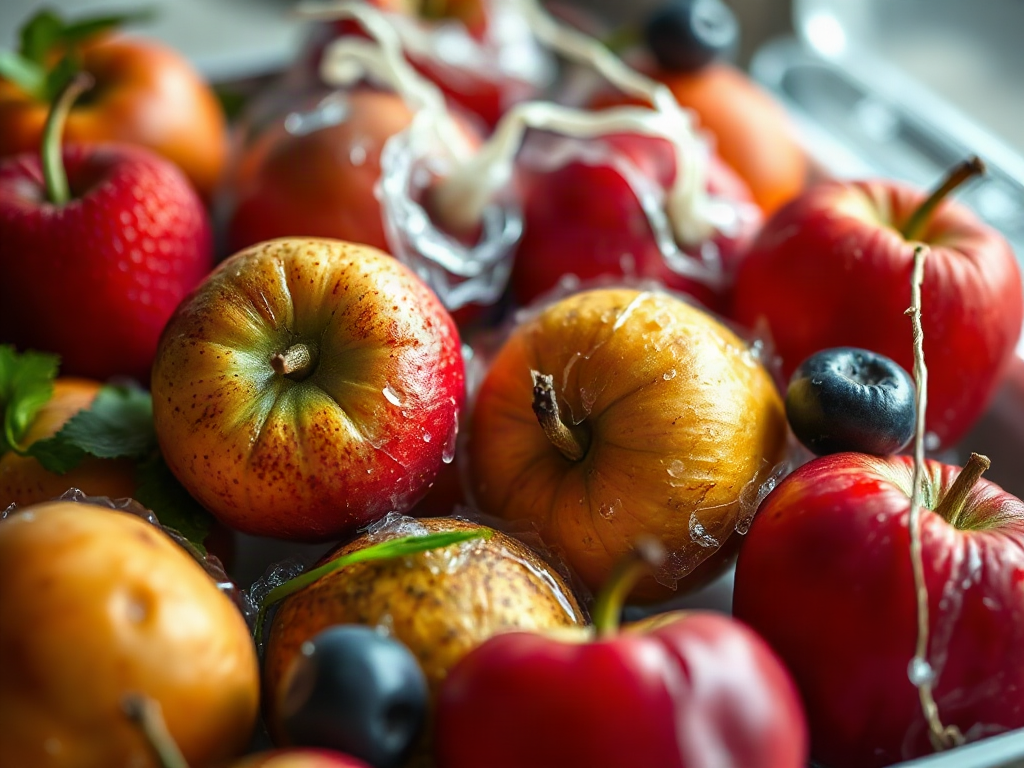
Organic fruits thawed and refrozen are generally safe only when they stayed at refrigerator temperature or were still partly frozen, but repeated freezing can damage texture and does not make previously mishandled fruit safe. Check how long the fruit was above 40°F (4°C), whether it still contained ice crystals, and whether its package leaked or shows fermentation, mold, or unusual odors. Fruit thawed on a counter for more than two hours should be discarded, with a shorter limit in very hot conditions. Refreeze promptly in a clean, sealed package, then use the softened fruit in smoothies, sauces, or cooked dishes rather than expecting fresh texture.
What Thawing And Refreezing Does To Fruit
Freezing preserves fruit by slowing microbial growth and chemical reactions, but it does not sterilize the food. As fruit freezes, water expands into ice crystals that rupture some plant cells. Thawing releases juice, softens the tissue, and creates a wetter surface. Refreezing repeats that physical stress, especially when the fruit has warmed substantially before going back into the freezer.
The main safety question is not whether the fruit is labeled organic. Organic certification describes how the food was produced, not whether it remained safely chilled during thawing. The controlling details are temperature, elapsed time, cleanliness, and the fruit’s condition. A sealed bag of organic blueberries that thawed overnight in a refrigerator is a different case from sliced peaches left on a kitchen counter.
Quality often declines before safety becomes uncertain. Strawberries may collapse and release red juice, mango may become fibrous or mushy, and raspberries may lose their shape entirely. Those changes do not automatically mean spoilage. Conversely, attractive-looking fruit can still be unsafe if it spent too long in the temperature range where bacteria can multiply.
Refreezing is therefore a quality tradeoff, not a rescue method. Fruit that stayed cold may be refrozen, but it may work better later in a smoothie, compote, oatmeal, or baked recipe. Readers searching for organic fruits thawed and refrozen safety limits should separate texture expectations from the food-safety decision.
Temperature And Time Limits That Shape The Decision
Time above 40°F (4°C) is the central practical limit for thawed fruit. Refrigerated thawing is the safest routine method because the fruit remains cold while gradually softening. If the fruit is still refrigerator-cold and has not developed spoilage signs, refreezing is usually a reasonable option, although texture will suffer.
Fruit that is still partly frozen or contains ice crystals has generally experienced less warming than fully soft fruit. Ice crystals are useful evidence, but they are not a guarantee: the outside of a package may soften while the center remains frozen. Feel the thickest portion, inspect the package, and consider how warm the surrounding environment was.
Food left at room temperature should not be judged by smell alone. Bacteria associated with unsafe handling may not produce an obvious odor, while sourness, bubbles, leaking liquid, or swelling can indicate fermentation or spoilage. A two-hour room-temperature limit is a practical upper boundary for perishable foods, and very hot conditions shorten that window. When the fruit was left in a warm car, beside a stove, or outdoors, uncertainty should favor discarding it.
A refrigerator that lost power requires a separate judgment. Keep the door closed, move food to another cold unit if possible, and assess whether the fruit remained at a safe chill. A freezer that is still cold and contains ice crystals may preserve the fruit’s safety status, but a fully thawed package in a warm appliance should not be automatically refrozen. For related handling context, see organic fruits thawed and refrozen safety limits alongside the appliance manufacturer’s temperature guidance.
A Practical Check Before Refreezing
Use a short sequence rather than relying on one clue. First, identify where thawing occurred: refrigerator, insulated cooler, freezer during an outage, countertop, or vehicle. Second, estimate the longest period the fruit may have been above refrigerator temperature. Third, inspect the package for tears, contamination, leaks, swelling, and pooled liquid. In closing, check the fruit itself without tasting it to test safety.
- Refreeze or use soon: The fruit stayed cold, is still partly frozen, or thawed under refrigeration and has no spoilage signs.
- Use immediately for quality: The fruit is safe but soft, wet, or heavily separated. Smoothies, sauces, and cooked dishes are better choices than fresh toppings.
- Discard: The fruit was warm for an unknown or excessive period, has mold, active fermentation signs, a swollen sealed package, or contamination from raw food.
Do not scrape mold from soft fruit and then refreeze the remainder. Moist, tender fruit allows contamination to move below the visible spot. A small dry blemish is a quality issue, but fuzzy mold, a wine-like smell, sliminess, or gas formation changes the decision. Never taste questionable fruit to determine whether it is safe.
Package condition also matters. A bag that partially thawed, leaked, and was exposed to dirty freezer surfaces deserves more caution than an intact sealed container. If several packages stuck together during thawing, separate them only after cleaning the exterior. Wash hands and utensils, and do not let thawed fruit contact ready-to-eat foods unnecessarily.
Which Fruits Handle Refreezing Best
Small, firm fruits usually tolerate a second freeze better than delicate fruits because their structure is less visibly damaged. Blueberries, cranberries, cherries, and sliced mango can remain useful after refreezing, though juice release and softness are still expected. Whole berries may clump, so freezing them in a thin layer before transferring them to a sealed bag can improve portioning.
Strawberries, raspberries, blackberries, and sliced peaches tend to lose their fresh texture quickly. They may become watery or collapse after thawing, particularly if they were fully soft before refreezing. That does not necessarily make them unsafe; it changes their best use. A softened strawberry is suitable for a cooked sauce or blended drink, while it is unlikely to perform well in a fruit salad.
Fruit packed with sugar or syrup may retain texture somewhat better because the surrounding liquid affects ice formation, but added sugar changes the food’s nutritional profile. Commercial frozen fruit may also contain stabilizing treatments or packaging designed for freezer storage, whereas home-packed fruit may have more air exposure and freezer burn. Organic status does not remove these physical differences.
Consider the intended use before refreezing. If the fruit is destined for a smoothie, the texture penalty is minor. If it is needed for a tart, garnish, or lunchbox snack, refreezing may produce disappointing results even when the safety decision is acceptable. The strongest practical approach is to portion only what you expect to use and avoid repeated thaw-refreeze cycles.
How To Refreeze And Use Thawed Fruit
Refreeze eligible fruit as soon as the safety check is complete. Drain excess liquid if practical, place the fruit in a clean freezer-safe container or bag, remove as much air as possible, and label it with the date. Flattening a bag into a thin layer speeds freezing and makes it easier to break off a serving later. Do not combine newly refrozen fruit with older packages unless the dates and handling histories are clear.
Rapid, even freezing generally creates smaller crystals than slow freezing, which can reduce additional texture damage. A crowded freezer, warm container, or large deep tub slows the process. Small portions are more useful than one large block because they thaw quickly and reduce the temptation to repeatedly warm the entire supply.
After the second thaw, use the fruit promptly according to the same temperature principles. Keep it refrigerated, avoid leaving it beside a blender or serving bowl for long periods, and discard leftovers that have been warm too long. Cooking can improve texture and destroy many vegetative bacteria, but it should not be treated as a correction for fruit that was mishandled for an unknown duration; some hazards are not reliably solved by ordinary cooking.
Common mistakes include assuming organic food is exempt from spoilage, using smell as the only safety test, and refreezing fruit simply because it still looks bright. A better priority order is handling history first, temperature second, visible condition third, and texture expectations last. That sequence prevents a visually appealing package from receiving more confidence than its storage history deserves.
Frequently Asked Questions
Can thawed organic fruit be refrozen?
Yes, if it thawed in the refrigerator, remained partly frozen, or stayed cold in another controlled setting. Expect softer texture after refreezing.
What if frozen fruit thawed on the counter?
Discard fruit left at room temperature beyond the practical two-hour limit, or sooner in very hot conditions. Do not rely on smell or appearance alone.
Does refreezing make spoiled fruit safe?
No. Freezing slows microbial growth but does not reliably reverse spoilage or eliminate every hazard created during warm storage.
Which fruit is least affected by refreezing?
Blueberries, cranberries, cherries, and mango pieces often remain more usable than raspberries or strawberries, although all may become softer and release juice.
How should refrozen fruit be used?
Use it in smoothies, sauces, oatmeal, compotes, or cooked recipes where softness is acceptable. Portion and seal it well to limit further quality loss.
Conclusion
Safe refreezing depends on the fruit’s temperature history, not its organic label or attractive appearance. Fruit that thawed under refrigeration or remained icy can usually return to the freezer, but repeated freezing weakens cell structure and makes delicate berries watery. Fruit warmed on a counter, left in an uncertain-temperature appliance, or showing mold, fermentation, swelling, or contamination should be discarded rather than rescued. Check the handling history first, then inspect the package and fruit without tasting it. When the food remains eligible, use a clean airtight package, freeze small portions, label the date, and plan recipes that welcome a softer texture. That approach protects safety while reducing unnecessary food waste.