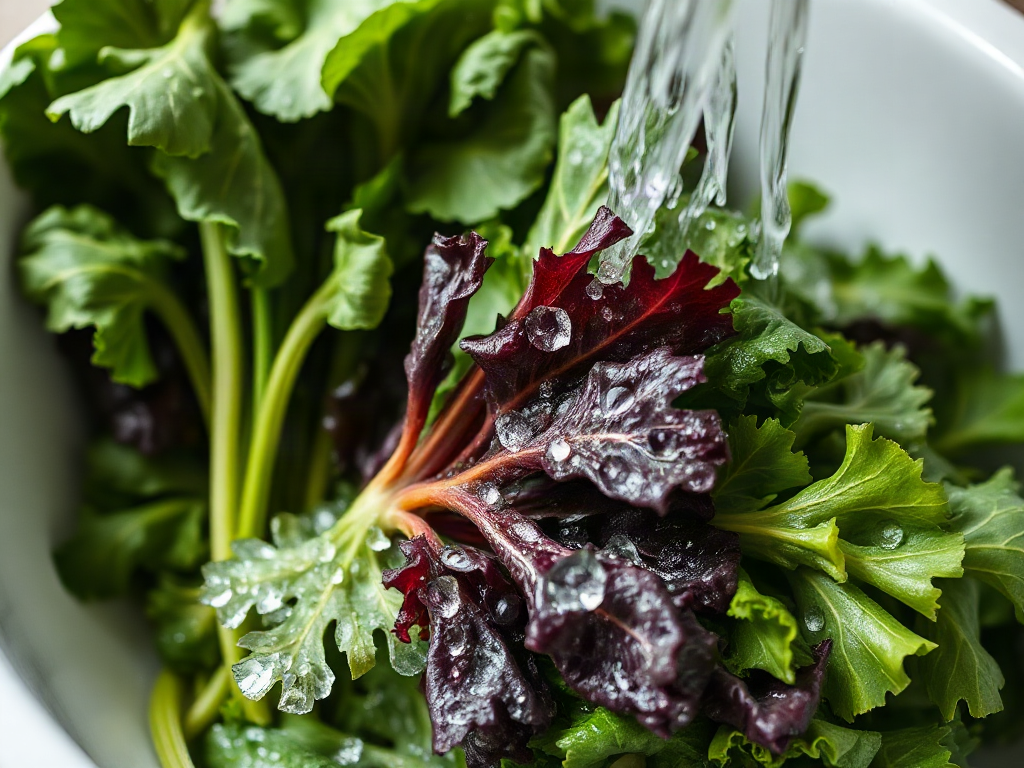
Washing leafy greens without damaging texture means using cold water, minimal handling, and thorough but gentle drying rather than soaking, scrubbing, or squeezing the leaves. Separate the leaves, place them in a basin of cold water, lift them out of grit, and repeat with fresh water if sediment remains. A salad spinner or clean towels can remove surface moisture without bruising delicate lettuce, baby spinach, herbs, or arugula. Wash only what you plan to use soon when possible, because trapped moisture speeds deterioration. Avoid soap, hot water, vigorous rubbing, and leaving wet greens compressed in a container; those methods can tear cells, soften edges, and shorten usable quality.
Why Leafy Greens Lose Their Texture During Washing
Leafy greens become limp, torn, or slimy when water exposure is combined with pressure, warmth, damaged tissue, or poor drying. Lettuce leaves, baby spinach, spring mix, chard, kale, and fresh herbs do not all respond the same way, but their delicate surfaces share a practical weakness: crushing or rubbing breaks plant cells and makes moisture move into areas that should remain crisp.
Soaking itself is not automatically damaging. A short bath in cold water can loosen soil and grit more effectively than rubbing individual leaves. The problem occurs when greens sit submerged for a long period, are stirred aggressively, or remain wet after washing. Water enters cuts and bruised spots, while the weight of wet leaves presses softer tissues together. That combination is especially noticeable in baby spinach and tender salad mixes.
Temperature also changes the result. Cold water keeps leaves firm during handling, whereas warm water can make them feel less resilient. Hot water is inappropriate for routine washing because it can wilt delicate leaves before they reach the plate. Cold water does not reverse decay or restore greens that were already slimy, but it can preserve a better raw texture during a careful rinse.
A useful distinction is between removing contamination and polishing the leaves. The first requires clean water and controlled handling. The second often leads to unnecessary scrubbing. Soil on sturdy kale stems may need more attention than dust on butter lettuce, but neither situation calls for a brush or abrasive treatment. For more detail on the handling side of washing leafy greens without damaging texture, judge the leaf structure before choosing the method.
The main failure signal is not simply that a leaf is wet. It is that the leaf has developed torn edges, translucent bruised patches, flattened ribs, or a soft surface after washing. Those changes point to excessive force, prolonged moisture, or pre-existing deterioration rather than a need for stronger cleaning.
A Gentle Washing Sequence for Different Leaf Types
The most reliable sequence is to trim damaged portions, separate the leaves, rinse them in cold water, lift them from the basin, and dry them promptly. Removing the base or visibly spoiled pieces first prevents decaying tissue from spreading residue through the wash water. Do not treat a whole head of lettuce and a loose package of baby greens as identical: a head provides structure, while loose leaves need less agitation.
Use the basin-and-lift method
Fill a clean bowl or sink with cold water, place the greens in it, and move them gently with an open hand. Let grit fall away instead of rubbing the leaves against one another. After a brief soak, lift the greens out rather than pouring the entire contents through them. Sand and soil settle at the bottom, so lifting reduces the chance that sediment will cling to the leaves. Empty and refill the basin if the water remains visibly dirty.
For a romaine heart or firm kale, separate the leaves and pay attention to the creases near the stem. These areas can hold soil. A loose handful of arugula or baby spinach needs less movement; swishing it lightly is usually enough. Fresh cilantro, parsley, and dill have fragile stems and fine leaves, so hold them by the stems when possible and avoid dragging them through the water.
Running water can work when the stream is gentle and the leaves are supported in a colander. A forceful faucet stream can bruise thin leaves and scatter them around the sink. A basin offers better control for delicate greens, while a colander is convenient for sturdier leaves or a small amount that has already been separated.
- Firm leaves: Separate, inspect the ribs, and use a gentle swish.
- Tender leaves: Use minimal movement and avoid a prolonged soak.
- Fresh herbs: Support the stems and lift rather than squeeze.
Do not use dish soap, detergent, bleach, vinegar, or commercial produce washes as a substitute for careful handling. These products can leave residues or create a false sense that vigorous scrubbing is necessary. Clean hands, a clean basin, and potable running water are the practical priorities. If a package is labeled ready-to-eat, follow its handling directions rather than adding an aggressive extra wash that may damage texture.
Drying Without Bruising or Trapping Moisture
Drying is the step that determines whether washed greens remain crisp or become compressed and wet. Surface water is not harmful by itself, but droplets left between folded leaves create a damp environment during storage. A salad spinner is effective because centrifugal force removes water without requiring each leaf to be rubbed. Use short, moderate spins and check the bowl between cycles instead of running the spinner forcefully for an extended period.
Overfilling the spinner is a common cause of uneven drying. When the basket is packed tightly, water has fewer paths to escape and the leaves press against one another. Work in batches, particularly with a large head of romaine or a bulky bunch of kale. After spinning, inspect the bottom of the bowl; a substantial pool of water indicates that another brief cycle may help.
Clean kitchen towels or paper towels are a useful alternative. Spread the greens in a single layer, cover them with another towel, and press lightly with the flat of your hand. Rolling the leaves tightly inside a towel or wringing them like clothing can break tissue and flatten ribs. For herbs, a loose towel wrap can protect the leaves while allowing excess moisture to move away.
Dryness should be judged by feel, not by trying to make every leaf completely moisture-free. Slightly cool leaves with no dripping water are ready for short-term use. If they will be stored, place them in a container lined with a dry towel and leave enough room that the greens are not compressed. A perforated container or a lid that allows limited ventilation may be more suitable than an airtight, crowded package, depending on how wet the leaves are.
This is where the tradeoff matters: aggressive drying may remove water faster, but it also increases bruising. Gentle drying takes another minute or two and generally protects texture better. If the greens are already fragile, use smaller batches and towel blotting rather than relying on a high-speed spinner. The best result is leaves that separate easily, feel firm at the ribs, and do not leave a wet film on the storage container.
Common Washing Mistakes and Practical Fixes
Most texture problems come from handling choices made before or after the rinse. Scrubbing every leaf is unnecessary and can create tiny tears that are difficult to see immediately. Those tears later appear as darkened edges or limp patches. A better approach is to let water loosen particles and reserve fingertip attention for visible soil in folds or along thick stems.
Another mistake is washing greens in water that is too warm. Warm water may feel comfortable on the hands, but it reduces firmness in delicate leaves. Switch to cool water and keep the contact time short. A long soak also fails when people assume that more time equals better cleaning. If the first basin is gritty, change the water and repeat a controlled rinse rather than extending the original bath.
Cutting greens before washing can increase exposed edges and make them more vulnerable to tearing. Whole leaves are easier to lift and dry. For chopped kale or lettuce, rinse the pieces gently in a fine colander and avoid stirring them with utensils. Cutting after washing preserves more structure, although meal preparation and the condition of the stems may require a different order.
Storing greens while they are visibly wet is the most consequential post-wash error. A sealed container full of droplets encourages softening, especially when crushed leaves sit at the bottom. Conversely, leaving greens uncovered in a refrigerator can dry exposed edges and make them leathery. A dry towel liner, moderate space, and occasional replacement of a saturated towel provide a better balance.
Use this quick troubleshooting check:
- Torn edges: Reduce rubbing, squeezing, and faucet pressure.
- Limp leaves immediately after rinsing: Use colder water and shorter handling time.
- Wet leaves after storage: Dry in smaller batches and replace a damp liner.
- Persistent slime or sour odor: Do not try to wash the defect away; discard the affected greens.
These adjustments complement broader washing leafy greens without damaging texture practices, but they cannot repair decay. Washing improves surface cleanliness; it does not restore a leaf that has already broken down.
When to Wash, Store, or Discard Greens
Washing immediately before eating often gives the best texture because it minimizes the time that moisture remains in contact with the leaves. Washing a full supply at once can save preparation time, but it requires careful drying and storage. Choose the approach that matches your schedule: wash a small portion for tonight’s salad, or wash a larger batch only when you can dry it thoroughly and keep it loosely packed.
Unwashed greens should still be stored appropriately, with damaged leaves removed and the package kept cold. Washed greens need extra attention because residual water and bruising accelerate quality loss. A container liner should be changed if it becomes saturated. Do not pile hot freshly cooked ingredients onto cold greens; the heat can wilt them at the point of serving.
Texture changes are not all safety decisions. A slightly limp leaf may be suitable for soup, a sauté, or a cooked grain bowl if it has no spoilage signs. Sliminess, a sour or rotten smell, widespread watery breakdown, or mold calls for discarding rather than rinsing and repurposing. Moldy portions should not be treated as isolated cosmetic defects when the surrounding leaves are soft or wet.
For a weekday salad, wash firm lettuce and herbs in separate batches, spin them briefly, and store them with space between layers. For delicate baby spinach, wash only the amount needed if the leaves are already tender or heavily bruised. For kale, remove thick stems after rinsing if cutting them beforehand would leave fragile, ragged edges. This practical choice prioritizes the condition of the actual greens rather than following one rigid method.
Food safety guidance from agencies such as the USDA and FDA emphasizes clean handling and water-based rinsing rather than soap. Those principles do not require sacrificing texture. Clean preparation surfaces, hand washing, prompt refrigeration, and honest inspection work alongside gentle washing. Readers looking for related handling decisions can use washing leafy greens without damaging texture as a reminder to balance cleanliness with the leaf’s physical condition.
Frequently Asked Questions
Should leafy greens be washed in cold water?
Yes. Cold water helps delicate leaves stay firmer during handling. It does not sanitize the greens, but it supports a gentler rinse than warm or hot water.
Is soaking leafy greens better than rinsing them under a faucet?
A short cold-water soak can loosen grit without scrubbing, especially for loose leaves. Lift the greens from the basin and change dirty water instead of stirring sediment back onto them.
Can dish soap be used to wash lettuce or spinach?
No. Dish soap can leave residue and is not intended for eating surfaces. Use clean hands, a clean basin, and potable water.
How can washed greens stay crisp in the refrigerator?
Dry them in small batches, line a container with a clean dry towel, avoid compression, and replace the liner if it becomes wet. Wash close to use when practical.
Can slimy greens be saved by washing?
No. Washing may remove surface dirt but will not reverse spoilage. Sliminess, unpleasant odor, mold, or widespread tissue breakdown are reasons to discard the affected greens.
Conclusion
Good texture comes from controlling force, temperature, and residual moisture. Separate leaves carefully, use cold water to release grit, lift them from the basin, and dry them with short spinner cycles or light towel pressure. Sturdy kale and romaine can tolerate more handling than baby spinach, arugula, or delicate herbs, so adjust the method to the leaf rather than treating every green alike.
Wash only what you can dry and store well, keep wet leaves from being compressed, and inspect them after refrigeration. A little limpness may be acceptable for cooking, but slime, odor, mold, and watery breakdown are not washing problems to solve. The next time you prepare greens, prioritize a clean workspace, a gentle rinse, prompt drying, and a realistic decision about whether the leaves are still in good condition.