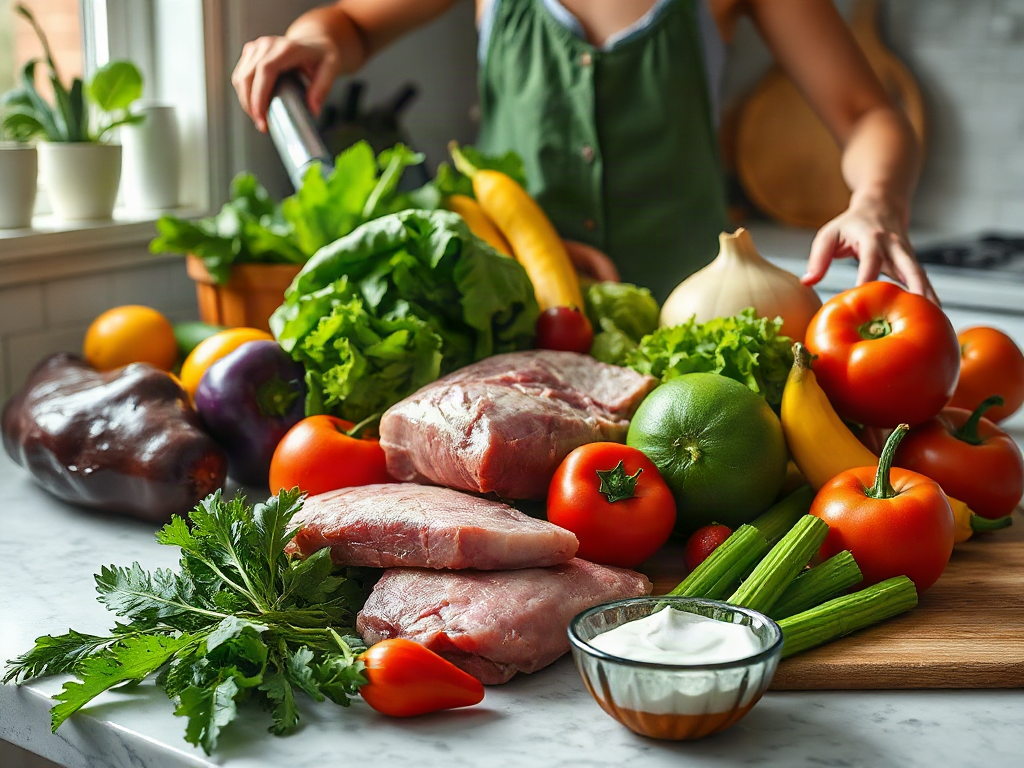
Organic produce safety during shared kitchen preparation depends on separating ready-to-eat produce from raw meat, eggs, and dairy residue, then washing hands, tools, and surfaces at the right points. Use one clean cutting board for produce when possible, prepare produce before raw animal foods, and keep washed items away from unwashed groceries and contaminated countertops. Rinsing produce under running water can remove surface soil, but it does not make food safe after contact with raw-meat juices. Shared towels, knives, handles, and refrigerator shelves can spread contamination even when the produce itself looks clean. If produce touches raw juices, wash the affected surface, sanitize suitable food-contact equipment, and discard damaged or difficult-to-clean items when cleaning cannot be verified.
Where Cross-Contamination Starts In A Shared Kitchen
Shared kitchen preparation creates risk when food intended to be eaten raw or lightly cooked contacts juices, residue, or unwashed hands associated with raw animal foods. Organic certification does not change that handling issue. An organic tomato, bunch of spinach, or apple can still pick up microbes from a cutting board, knife, faucet handle, grocery bag, or countertop. The relevant question is not whether the item was grown organically; it is whether the food and the surfaces around it remained separated from contamination.
Produce is especially vulnerable when it is ready to eat. Raw chicken may be cooked later, giving heat a chance to reduce hazards, while salad greens or sliced fruit often receive no later kill step. A common example is chopping lettuce on a board immediately after trimming poultry, wiping the board with a damp cloth, and assuming the visible residue is gone. A damp wipe can spread contamination across the surface rather than remove it. The same problem can occur when a cook touches a raw-egg carton, opens a refrigerator, and then handles a washed cucumber.
The safest arrangement is physical and procedural separation. Put raw meat, poultry, seafood, and eggs in a tray or leak-resistant container, keep them below ready-to-eat foods in the refrigerator, and use a dedicated or freshly cleaned work area for produce. When space is limited, the sequence of work matters: prepare produce first, clear it away, clean the area, and only then handle raw animal foods. That approach is more reliable than trying to remember which section of a crowded counter received a quick wipe.
Readers comparing this process with ordinary organic produce safety during shared kitchen preparation should notice a key distinction: washing the food and controlling the kitchen environment are separate tasks. Running water may remove dirt and some surface material, but it cannot correct contact with a contaminated knife or make porous equipment reliably clean. The failure mode to avoid is treating a clean-looking surface, organic label, or brief rinse as proof that cross-contamination did not occur.
A Safer Order For Washing And Preparing Produce
The preparation order should reduce the number of times ready-to-eat produce passes through a shared workspace. Before washing anything, clear the sink and counter of dirty dishes, raw-food packaging, and reusable shopping bags. Wash hands with soap and water, rinse produce under cool running water, and rub firm surfaces with clean hands. Leafy greens should be separated into leaves where practical so water can reach trapped soil. A clean colander can help drain the food, but placing washed greens back into a bowl that held unwashed produce defeats the separation.
Washing should happen close to the time of preparation rather than days ahead when the food will be stored wet. Excess moisture can speed deterioration, particularly for tender leaves and berries. Drying with a clean towel or salad spinner improves storage quality, but the equipment must be clean and reserved for food use. Do not use soap, bleach, detergent, or household disinfectant directly on produce. Commercial produce washes are not a substitute for handwashing, clean tools, or separation from raw-food residue.
A practical sequence looks like this:
- Wash hands and clean the sink, faucet handle, and preparation surface.
- Rinse and prepare produce before opening raw meat or egg packaging.
- Place cut produce in a clean container and move it away from the active work area.
- Wash hands again before touching storage lids, refrigerator handles, or serving utensils.
- Handle raw animal foods only after the ready-to-eat food is protected.
This order works better than washing everything at once because it limits backtracking. For example, if a household prepares salad, slices melon, and then portions raw chicken, the salad should be sealed and refrigerated before the chicken package is opened. A cook who prefers to begin with raw meat may still work safely, but that choice requires a full cleanup of hands, surfaces, handles, and tools before produce returns to the area. The tradeoff is extra time and water, which is why produce-first preparation is usually simpler in a busy shared kitchen.
One weak assumption is that prewashed or bagged greens need no thought about kitchen contact. They may be ready to use as packaged, but once the package is opened, clean utensils and hands still matter. Similarly, peeling an item does not guarantee safety: the knife can carry residue from the outside surface into the edible portion. Use the same separation logic for organic produce as for any other ready-to-eat food.
Tools, Towels, Sinks, And Refrigerator Contact Points
Cutting boards and knives are obvious contact points, but shared kitchens often fail at the less visible ones. Faucet levers, refrigerator handles, spice containers, drawer pulls, phone screens, and cloth towels can all be touched between raw-food handling and produce preparation. A clean board cannot compensate for contaminated hands turning on the faucet or lifting a storage-container lid. Effective control therefore requires attention to the movement of the cook, not only to the ingredients.
Nonporous cutting boards are generally easier to clean than deeply scored plastic or worn wood. The best choice is the board that can be washed thoroughly and inspected. Keep one board designated for produce and ready-to-eat foods if household routines make color or location cues useful. A separate board is not automatically safe if it is stored under a leaking raw-meat package or handled with unwashed hands. Board separation lowers confusion; it does not replace cleaning.
Towels deserve particular caution. A single damp towel used to dry hands, wipe poultry packaging, and polish a counter can distribute residue across several surfaces. Use a clean towel for drying washed produce and replace it when it becomes damp or visibly soiled. Disposable paper towels may be practical during a raw-food cleanup, especially when laundering facilities are limited. Reusable cloths should be washed rather than left beside the sink for repeated use.
Sink management also involves a tradeoff. The sink is convenient for rinsing produce, but it may contain residue from dirty dishes, raw-food packaging, or pet items. Clean the basin and nearby faucet controls before produce preparation. Do not place washed apples or lettuce directly on the sink edge. In a small kitchen, a clean bowl or colander set on a cleaned counter creates a clearer boundary between washing and storage.
Refrigerator organization adds another layer of protection. Keep raw packages in a container on a lower shelf so leaks cannot reach salad ingredients or cut fruit. Check the outside of containers before touching ready-to-eat food, and wipe spills promptly with appropriate cleaning materials. The common mistake is focusing on the cutting board while ignoring a refrigerator handle touched after raw-food handling. A short checklist can prevent that gap:
- Board and knife cleaned before produce contact
- Hands washed after raw-food packaging
- Faucet and refrigerator handles considered part of the cleanup
- Raw packages contained and stored below ready-to-eat foods
What To Do After A Contamination Mistake
When produce touches raw-meat juices, the response depends on what was contacted and whether it can be cleaned reliably. A hard, intact item such as an apple may be rinsed under running water and scrubbed with clean hands, but washing should not be treated as a guarantee that every hazard has been removed. Cut produce, leafy greens, berries, or food with damaged surfaces are more difficult to clean thoroughly after direct exposure. If raw juices reach ready-to-eat food, discarding the affected portion is often the more cautious decision, particularly for people at higher risk of severe foodborne illness.
Clean the surrounding area after containing the mistake. Remove the raw-food package, place leaking material in a bag, wash hands, and clean the board, knife, counter, sink, and handles that may have been touched. Cleaning removes soil and residue; sanitizing a suitable food-contact surface afterward can further reduce contamination when the product label permits that use. Follow label directions for concentration, contact time, and rinsing. Never mix cleaning chemicals, and keep them away from food.
Consider a scenario in which raw chicken liquid reaches a bowl of sliced peppers. Rinsing the peppers may remove visible liquid, but it does not provide the same confidence as keeping the chicken and peppers apart from the beginning. The bowl, knife, counter, and hands also need attention. If only the outside of a sealed produce container was touched, cleaning the exterior and washing hands may be enough; if the lid was opened with contaminated hands, treat the contents as a possible contact point and assess the food more conservatively.
Do not rely on smell, appearance, or a quick taste to judge whether contaminated produce is safe. Foodborne hazards may not change the look or odor of food. Likewise, a brief delay on the counter does not undo cross-contact, and refrigeration is not a decontamination step. When uncertainty remains, prioritize ready-to-eat foods that had direct contact with raw juices for disposal, then restore the workspace before preparing another meal.
These decisions fit within broader organic produce safety during shared kitchen preparation, but they are not a reason to avoid shared kitchens. Clear sequencing, dedicated tools where useful, contained raw packages, and deliberate handle cleaning make mixed meal preparation manageable without requiring a separate room or elaborate equipment.
Frequently Asked Questions
Does organic produce need different cross-contamination precautions?
No. Organic status describes production standards, not immunity from contamination during shopping, storage, or preparation. Use the same separation and cleaning controls as you would for conventional produce.
Should produce be prepared before raw chicken in a shared kitchen?
That sequence is usually simpler because ready-to-eat food is completed and removed before raw chicken creates cleanup needs. If chicken comes first, clean hands, tools, surfaces, and handles thoroughly before returning to produce.
Can rinsing remove raw-meat contamination from vegetables?
Rinsing can remove some surface material but cannot guarantee that contaminated produce is safe, especially when it is cut, leafy, bruised, or directly soaked with raw juices. Discard food after substantial direct contact.
Is a separate cutting board necessary?
A separate produce board can reduce mix-ups, but it still needs cleaning and proper storage. A single nonporous board can also work when it is washed thoroughly between raw-food and ready-to-eat tasks.
What kitchen items are commonly forgotten during cleanup?
Faucet handles, refrigerator doors, drawer pulls, phones, storage-container lids, and shared towels are often missed. Clean or replace them when they were touched after handling raw meat, poultry, seafood, or eggs.
Conclusion
Safe shared-kitchen preparation depends less on an organic label than on controlling contact between ready-to-eat produce and raw-food residue. Prepare and store produce before opening raw packages when possible, use clean tools, keep raw foods contained and below other foods, and treat handles and towels as part of the work area. Washing under running water has a useful role for ordinary surface soil, but it is not a dependable fix for direct exposure to raw juices. If contamination occurs, protect other foods, clean the entire contact path, and take a conservative approach with cut or porous produce. A simple produce-first routine and a deliberate cleanup after raw-food handling provide practical protection without requiring specialized kitchen equipment.