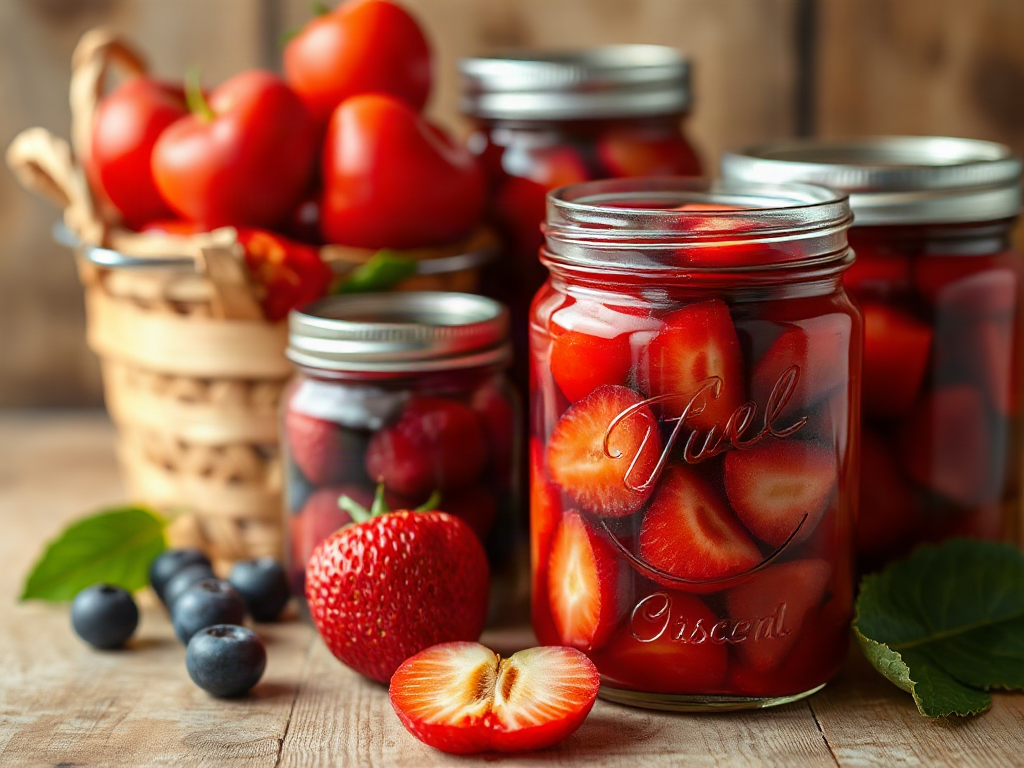
Organic fruit safety in homemade canned recipes depends on using sound fruit, a tested preservation method, adequate acidity, correct processing time, and storage conditions that limit spoilage. Organic certification does not make fruit or canned food inherently safer, so bruised or moldy pieces should be removed and questionable batches should not be tasted. Use tested recipes from sources such as the USDA or university extension services, especially when combining fruit with low-acid ingredients. Adjustments for altitude, jar size, and processing method matter because insufficient heat can allow dangerous organisms to survive. Check seals and appearance before opening, but never rely on a normal smell or seal alone to prove safety.
Why Organic Fruit Still Needs Careful Canning Controls
Organic fruit can be a good choice for homemade preserves, sauces, and canned desserts, but the organic label describes production practices rather than the safety of a finished jar. Fruit may still carry soil, microorganisms, insects, pesticide residues permitted under organic standards, or damage that encourages spoilage. Canning adds another layer of risk because a sealed jar creates a stable environment in which surviving microorganisms may grow if the recipe, heat, or storage conditions are wrong.
Condition matters before any recipe begins. Firm peaches, pears, apples, plums, and berries should be clean and free from decay. A small bruise can be trimmed generously when the surrounding flesh remains sound, while mold, fermentation odors, leaking juice, or extensive softening are reasons to discard the fruit. Washing does not reverse deterioration. Rinsing under running water can remove surface dirt, but soaking fruit in a sink may spread contamination through shared water.
A practical example is a batch of organic peaches purchased several days before canning. If one peach has a small bruise, it may be cut away with a clean knife. If several pieces are slimy or smell alcoholic, combining them with fresh fruit is a poor tradeoff: heat may alter texture and flavor without making spoiled material suitable for preserving. The safer priority is sound raw material, not rescuing every piece.
Organic and conventional fruit can both be handled safely when the same sanitation and tested-process principles are followed. Choosing organic fruit may reflect environmental, farming, or personal preferences, but it does not replace handwashing, clean equipment, or recipe controls. Readers seeking broader handling guidance can also review organic fruit safety in homemade canned recipes alongside the specific preservation method being used.
Acidity, Ingredients, and the Limits of Fruit-Based Assumptions
Acidity is one of the main factors separating a suitable fruit canning recipe from an unsafe improvisation. Many fruits are acidic enough for water-bath canning when prepared according to a tested recipe, but acidity varies by fruit, ripeness, variety, and mixture. Adding low-acid ingredients can change the safety profile. A fruit salsa containing peppers, onions, garlic, or other vegetables cannot be judged by the fruit component alone.
Acid affects which microorganisms can grow and which processing method is appropriate. Water-bath canning relies on boiling-water heat for foods with sufficient acidity, while low-acid foods generally require a pressure-canning process validated for that particular recipe. The choice is not based simply on whether the ingredients look fresh or whether a jar seals afterward. A strong vacuum can form even when the food received inadequate processing.
Recipes that include lemon juice, bottled lemon juice, citric acid, sugar, or syrup use those ingredients for different reasons. Acid may support safety; sugar mainly affects sweetness, texture, and preservation characteristics; syrup does not automatically make a recipe safe. Substituting fresh lemon juice for bottled juice can alter acidity, and reducing or omitting acid in a tested recipe may remove an important safety margin. Changing fruit ratios can have the same effect.
Consider a homemade berry spread. A tested jam recipe may tolerate some variation in berry type, but adding chopped fresh ginger, herbs, or a large amount of another ingredient could change water activity, acidity, or heating behavior. A refrigerator preserve may be a reasonable alternative when the altered formula has not been validated for shelf storage. The tradeoff is shorter storage life, but that is preferable to treating an untested mixture as shelf-stable.
For reliable decisions, identify the recipe category before choosing equipment:
- Use a tested water-bath recipe for appropriately acidic fruit products.
- Do not infer safety for fruit-and-vegetable mixtures from a plain fruit recipe.
- Do not reduce required acid, change jar size, or substantially alter ingredient proportions.
- Use refrigeration or freezing when no tested shelf-stable formula fits the ingredients.
Preparing Fruit and Following a Tested Processing Method
Preparation affects both safety and the final quality of canned fruit. Wash hands, clean jars and utensils, sort the fruit, and remove stems, pits, cores, and damaged portions as the recipe directs. Uniform cutting is more than a presentation choice: pieces of similar size heat more predictably, while oversized fruit can remain cooler in the center during processing.
Follow the complete tested procedure rather than borrowing isolated steps from several recipes. The specified headspace allows expansion and supports proper sealing. The processing time assumes a particular food consistency, jar size, pack style, and altitude. A raw pack and a hot pack do not heat in the same way, so switching between them without a validated adjustment can create an unreliable process.
Altitude deserves special attention. At higher elevations, water boils at a lower temperature, which can require longer processing for water-bath recipes. The adjustment depends on the recipe and local elevation. A canner in a mountain community should check a current extension or government preservation source instead of copying the time written for sea level. The same principle applies to jar size: using a larger jar than the recipe specifies may leave the center underprocessed.
One common failure occurs when a canner treats a sealed lid as proof that the recipe worked. A lid may pull down as contents cool even when the heating time was too short. Another occurs when boiling stops after jars are added and the timer continues. Water-bath processing time should be counted according to the validated instructions, with the water maintaining the required condition.
A useful workflow is to prepare the fruit and equipment before heating anything, read the entire recipe, confirm jar size and altitude instructions, and record the date and batch details. If a jar breaks, a lid fails, or processing is interrupted, do not casually restart the original timing. Consult preservation guidance for that exact interruption; when safety cannot be established, refrigeration or disposal is safer than guessing. For more handling context, readers can use organic fruit safety in homemade canned recipes as a related reference point.
Storage, Seal Checks, and When to Discard a Jar
Storage conditions influence quality after processing, while a seal check provides only limited information about safety. Store cooled jars in a clean, cool, dark, dry location rather than near a stove, in direct sunlight, or where temperatures fluctuate. Label each jar with its contents and processing date so older batches are used first. Follow the tested recipe’s recommended storage window for best quality, since color, flavor, and texture generally decline before a jar visibly fails.
Inspect the jar before opening. A loose lid, bulging lid, leaking liquid, spurting contents, rising bubbles that were not part of the product, mold, unusual color, or an off odor can indicate spoilage. Do not taste a suspicious product to decide whether it is safe. Some harmful contamination may not produce an obvious smell, taste, or visible change, so a normal-looking jar is not an absolute guarantee either.
Suppose a jar of canned pears has lost its seal during storage. If the loss is discovered promptly and the product has been kept refrigerated, official preservation guidance may provide a limited next step depending on timing and recipe. A jar found months later with a loose lid should not be treated the same way. When the storage history is unknown, discarding the jar avoids turning uncertainty into a tasting experiment.
Freezing is often the better option for fruit that does not fit a tested canning formula, for a small harvest, or for a recipe with added ingredients that complicate acidity. Frozen fruit may have a softer texture after thawing, but that quality tradeoff is usually easier to manage than an unsafe shelf-stable batch. Refrigerated preserves also require clear labeling and timely use; refrigeration slows growth but does not make a product permanent.
Do not rely on visual checks alone when a batch was processed with an altered recipe, incorrect timing, wrong jar size, or uncertain altitude adjustment. Those process failures cannot be repaired by a later seal inspection. If uncertainty affects a large batch, consult a local university extension service or another recognized food-preservation authority before deciding whether any jars can be retained.
Frequently Asked Questions
Is organic fruit safer to can than conventional fruit?
Not automatically. Both types require sound produce, proper cleaning, a tested recipe, correct processing, and suitable storage.
Can I change the amount of lemon juice in a canned fruit recipe?
Do not reduce required acid without a validated alternative. Acid levels can affect whether the recipe is suitable for water-bath canning.
Does a sealed lid prove that homemade canned fruit is safe?
No. A seal shows that a vacuum formed, but it does not prove that acidity, processing time, jar size, or temperature requirements were correct.
Can bruised organic fruit be used for canning?
Minor bruises may be removed with generous trimming when the remaining flesh is sound. Moldy, slimy, fermented, or extensively damaged fruit should be discarded.
What should I do with an untested fruit recipe?
Use refrigeration or freezing instead of shelf-stable canning, or locate a tested recipe with closely matching ingredients and proportions.
Conclusion
Reliable homemade canned fruit begins before the jars reach the pot. Choose sound organic fruit, remove damaged portions, and treat acidity as a measurable safety factor rather than an assumption based on flavor. Use a tested recipe without casually changing acid, ingredient ratios, jar size, pack style, or processing time, and apply the correct altitude adjustment. After processing, store jars in a cool, dark place and treat a broken seal, leakage, bulging lid, mold, or unusual odor as a reason for caution—not a prompt to taste. When a recipe falls outside tested guidance, freezing or refrigeration offers a practical alternative. Keeping clear batch records and consulting recognized preservation authorities when details are uncertain protects both the food and the people who will eat it.