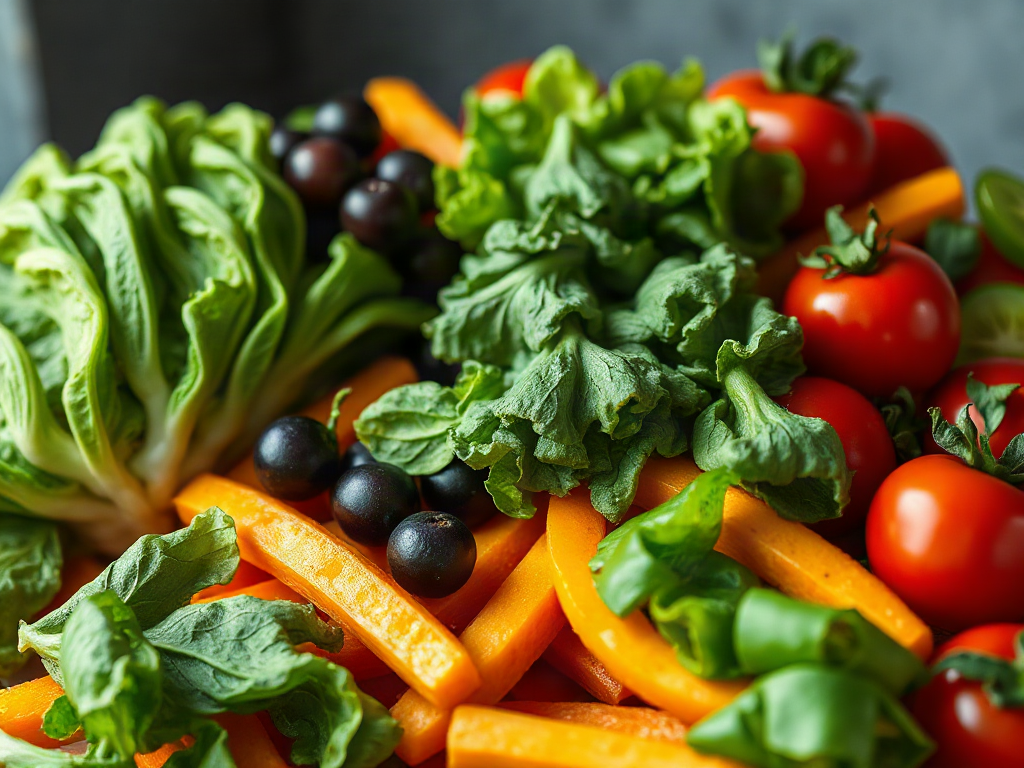
The organic fruit and vegetable leftovers safety timeline depends mainly on how quickly food was chilled, refrigerator temperature, moisture, and whether it was cut or cooked. Refrigerate perishable leftovers within two hours, use most cut fruits and vegetables within several days, and treat cooked vegetable dishes as more time-sensitive than intact, uncut items. Softness, leaking, mold, fermentation smells, sliminess, or swollen containers are discard signals rather than invitations to trim or taste. Organic certification does not extend shelf life or reduce bacterial risk, so clean utensils, shallow containers, covered storage, and a dated label matter more than the organic label when deciding what to eat.
How the Safety Clock Starts
The safety timeline begins when fruit or vegetables are cut, cooked, mixed, or removed from temperature control. An intact apple has a protective skin and a different risk profile from sliced apple stored in a sealed container. Cutting exposes moist tissue, transfers organisms from knives and cutting boards, and releases juices that can support faster spoilage. Cooking changes texture and reduces many organisms, but a cooked dish can be contaminated again during cooling, serving, or handling.
Organic status does not change these basic rules. Organic fruit and vegetables may carry soil organisms or contamination from handling just as conventional items can, while washing removes some surface dirt but cannot make old leftovers safe. The useful question is not whether the item was organic; it is whether it was kept cold, protected from contamination, and still within a reasonable storage window.
For leftovers held at room temperature, the clock is short. Refrigerate perishable cut, cooked, or prepared foods within two hours, and use a more cautious approach when the room is hot. A bowl of sliced melon left beside a buffet is not equivalent to a whole melon in a pantry. If the time is unknown, smell and appearance cannot reliably prove safety, so discarding it is the safer decision.
A common mistake is dating food from the day it was purchased rather than the day it was prepared. Purchase date matters for intact items, but the leftover clock starts after cutting or cooking. Labeling the container with the preparation date makes the timeline visible to everyone using the refrigerator.
Practical Storage Times by Leftover Type
Most refrigerated prepared fruit and vegetable leftovers are best used within three to four days when they were promptly chilled and kept cold. That is a practical quality-and-safety window, not a guarantee. A clean, dry container of roasted carrots may remain appealing longer than a warm, mixed vegetable casserole, while cut berries may deteriorate before either one because their surfaces are delicate and wet.
Use the food’s condition and preparation method to refine the decision:
- Cut firm vegetables: Carrot sticks, celery, bell peppers, and cabbage often keep their texture for several days in a covered container, especially when excess moisture is controlled.
- Cut soft fruit: Melon, peaches, mango, berries, and sliced pears usually lose quality sooner because bruising and juice encourage softening, leakage, and mold.
- Cooked vegetables: Roasted, steamed, sautéed, or boiled vegetables generally fit the three-to-four-day refrigerated leftover window when cooled and stored promptly.
- Mixed dishes: Salads with dressing, fruit cups, grain bowls, soups, and casseroles should be judged by their most perishable ingredient and their handling history.
Quality and safety are related but not identical. A browned avocado or softened cucumber may be unpleasant without automatically being hazardous, while food with mold, slime, a sour or alcoholic odor, or unexplained gas formation should be discarded. Do not taste questionable food to test it. Some harmful contamination does not produce an obvious smell or flavor.
Freezing can extend the usable life of many cooked vegetables and some prepared dishes, but it does not repair food that was mishandled before freezing. Texture may suffer: lettuce, cucumber, and high-water fruits often thaw limp, whereas cooked carrots, peas, and blended sauces usually tolerate freezing better. Choose freezing when the food is still sound, portion it into shallow or small containers, and label both the contents and date.
For practical planning, place older leftovers at the front of the refrigerator and reserve new containers for the back. A dedicated organic fruit and vegetable leftovers safety timeline note on the refrigerator door can prevent the familiar mistake of treating every container as equally fresh.
Temperature, Moisture, and Container Choices
Cold storage slows microbial growth, but it does not stop it. A refrigerator should be cold enough to keep perishable foods properly chilled, and containers should go into the refrigerator rather than sitting on the counter while the kitchen is cleaned. Large, deep pots cool slowly in the center, so dividing soup, cooked greens, or roasted vegetables into shallow containers helps heat escape more quickly.
Moisture is a major quality driver. Washed greens stored while wet can become slimy; berries packed with crushed fruit can develop mold faster; and dressed salad turns limp because salt, acid, and other ingredients draw water from plant cells. Store delicate produce dry when possible, keep dressings separate, and use a clean fork rather than repeatedly reaching into a communal container.
Container choice involves a tradeoff. Airtight storage limits drying and protects food from refrigerator odors, but trapped condensation can worsen softening. A vented produce container may preserve crispness better for some cut vegetables, while a sealed container is preferable for a cooked dish that could contaminate nearby foods. The goal is not one universal container; it is protection from contamination without creating unnecessary moisture.
Cross-contamination often matters more than the organic label. A cutting board used for raw animal foods, an unwashed knife, or a serving spoon returned to the container can introduce organisms after preparation. Wash hands and produce as appropriate, clean preparation surfaces, and keep leftovers covered. Washing already cut leftovers again may damage texture and spread contamination through splashing, so prevention at preparation is more useful.
Consider a weekly meal-prep scenario: roasted vegetables are divided while still steaming, the lid is sealed immediately, and the stack is placed in the refrigerator. The center may remain warm longer than expected. Dividing the batch into smaller portions and leaving room for cooling before final sealing is usually more effective than relying on a large container. By contrast, a small portion of sliced peppers chills quickly but may dry out if loosely wrapped.
For more context on handling decisions, readers can compare this storage approach with the leftover safety timeline for organic fruit and vegetables, especially when meal preparation combines raw, cooked, and dressed ingredients.
Warning Signs and Safer Decisions
Discard leftovers when mold appears, the surface becomes slimy, the container swells, liquid leaks unexpectedly, or the food develops a distinctly sour, alcoholic, rotten, or otherwise abnormal odor. Visible mold is not a reliable surface-only problem in soft, wet foods. Mold roots and unseen contamination can extend below the visible spot, so cutting away mold from soft berries, cooked vegetables, or wet salads is not a dependable rescue method.
Some changes are less decisive. Slight browning on cut apples, darkening of avocado, or dry edges on roasted vegetables may reflect oxidation or dehydration rather than dangerous growth. Those changes can reduce quality but should be interpreted alongside time, temperature, moisture, and handling. A dry carrot stick that stayed cold is a different decision from a slimy carrot mixture that sat warm.
When the timeline is uncertain, use a conservative decision process:
- Identify when the food was cut, cooked, or first served.
- Ask whether it was refrigerated promptly and kept covered.
- Check for mold, slime, abnormal odor, leaking, swelling, or fermentation-like activity.
- Discard food when time or handling cannot be established, particularly for vulnerable household members.
Do not assume reheating makes every questionable leftover safe. Heat may reduce some living organisms, but it does not guarantee removal of every hazard created by poor storage. Reheating also cannot reverse spoilage. The safer priority is to prevent questionable food from reaching the reheating stage by labeling, cooling, and using leftovers on schedule.
People at higher risk from foodborne illness, including young children, older adults, pregnant people, and those with weakened immune systems, may reasonably choose shorter storage windows and stricter discard decisions. That is a risk-management choice, not a claim that every older leftover is unsafe. When symptoms follow questionable food, severe or persistent illness warrants medical advice rather than self-diagnosis.
A Simple Leftover Check Before Eating
A reliable routine takes less time than trying to reconstruct a forgotten container’s history. Before serving, read the date, identify the ingredients, inspect the surface, and consider whether the food was exposed during meals. If a salad was left on a table, a serving utensil was shared between dishes, or the refrigerator door was open repeatedly, reduce confidence in the original storage estimate.
Use first-in, first-out storage for routine meals. Put the newest container behind older food, reserve small portions for lunches, and freeze suitable cooked vegetables before they approach the end of their refrigerator window. Keep high-moisture foods separate from crisp ingredients: add dressing to a single serving rather than the entire batch, and store cut fruit away from foods with strong odors.
A practical check can distinguish a quality problem from a safety problem, but it cannot certify food. For example, a firm pepper with a dry cut edge may be trimmed for quality if it has been safely chilled; a pepper mixture that is slippery or smells fermented should be discarded. When the date is missing and the preparation history is unclear, replacing the food is usually a better tradeoff than gambling on a small portion.
Watch for signs that the system is working: containers are dated, older food is used first, vegetables remain dry enough to avoid slime, and cooked dishes are divided into manageable portions. Signs of failure include recurring unlabeled containers, condensation pooling under lids, leftovers cooling in large pots, and food repeatedly surviving past the intended window. Adjust the preparation process rather than relying on stronger odors or more aggressive reheating.
Readers looking for a quick household reference can save the organic leftovers safety timeline beside their meal-prep notes. The most useful habit is not memorizing a separate number for every vegetable; it is recording the preparation date, protecting the food from contamination, and acting promptly when time or condition is uncertain.
Frequently Asked Questions
Does organic produce last longer after it is cut?
No. Organic certification does not extend the storage life of cut fruit or vegetables. Chilling, cleanliness, moisture control, and preparation date matter more.
How long can cooked vegetables stay in the refrigerator?
Promptly chilled cooked vegetables are generally best used within three to four days. Shorten that window when handling was uncertain or the refrigerator was not reliably cold.
Can mold be cut off fruit leftovers?
Do not rely on trimming for soft, wet foods such as berries, cut melon, or fruit salad. Mold can extend below the visible area, so discard the affected container.
Is a sour smell always proof that leftovers are unsafe?
A sour, alcoholic, rotten, or unusual smell is a strong discard signal, but a normal smell does not prove safety. Time and temperature history still matter.
Can freezing make old leftovers safe?
Freezing preserves food that is still in good condition; it does not reliably reverse earlier temperature abuse or spoilage. Freeze suitable leftovers before they become questionable.
Conclusion
A useful leftovers timeline is built around preparation date, prompt chilling, clean handling, and the condition of the food—not the organic label. Treat cut fruit, dressed salads, and cooked vegetable dishes as perishable, control moisture with suitable containers, and use older portions before newer ones. Three to four refrigerated days is a practical upper guide for many properly handled prepared foods, but uncertain time or abnormal signs should move the decision toward discarding. Mold, slime, leaking, swelling, fermentation-like odor, and unknown storage history outweigh attempts to save a small amount. Date every container, divide large hot batches, keep dressings separate when possible, and freeze sound food before the refrigerator window closes.