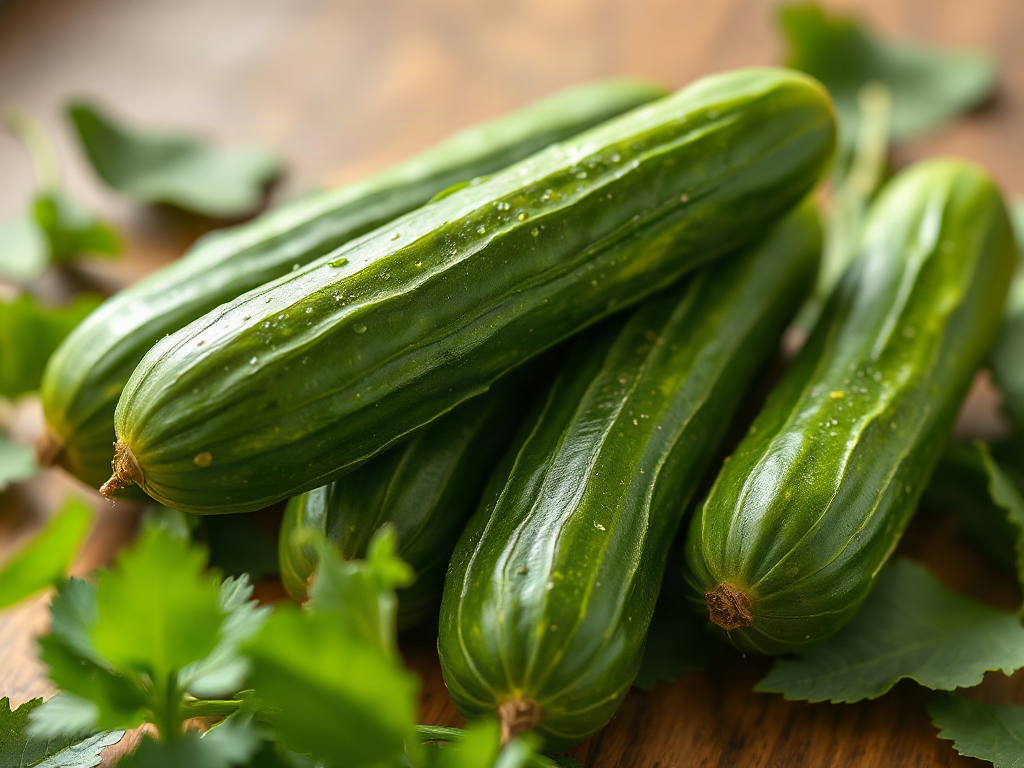
Organic cucumbers nutrition with or without peel is broadly similar, but leaving the peel provides more fiber and some nutrients while removing it can improve texture and reduce surface residue concerns. The peel also contributes color, plant compounds, and a small amount of vitamin K, whereas the watery flesh remains the main source of hydration and low-calorie volume. Washing whole cucumbers under running water before cutting is important because organic certification does not make produce germ-free. Choose unpeeled cucumbers when the skin is tender and well washed; peel thick, waxy, damaged, or bitter skin when taste or texture matters more. Neither option makes cucumber a major protein, iron, or calorie source.
What the Peel Adds to Cucumber Nutrition
Cucumber peel is the part most likely to change the nutritional profile, although the difference is modest because cucumbers are mostly water. Keeping the skin generally preserves more fiber and a greater share of certain vitamins, minerals, and plant compounds than removing it. The flesh still contributes water, a crisp texture, and a small amount of vitamin K, potassium, and vitamin C, but the outer layer is more concentrated than the pale interior.
The practical effect depends on how much cucumber is eaten. A few slices in a sandwich will not produce a large nutrient difference either way. A person who regularly eats a whole cucumber in salads, chilled soups, or snack plates may retain more fiber by leaving the peel intact. Fiber can add bulk to the diet and may make a watery food more filling when it is eaten alongside beans, eggs, yogurt, fish, tofu, or another substantial ingredient.
Peel thickness matters more than the organic label alone. A young cucumber with tender skin is usually easy to eat, while a mature cucumber may have tougher skin, larger seeds, or a more pronounced bitter taste. Bitterness can be concentrated near the stem end and may vary between individual fruits. Removing only the rough sections or using a vegetable peeler in narrow strips can preserve some skin while improving the eating experience.
A common mistake is treating the peel as a concentrated supplement. It is not. Cucumber remains a low-energy, water-rich vegetable, and the skin does not transform it into a meaningful source of protein, iron, or essential fats. The useful decision is whether the extra fiber and texture suit the meal, not whether peeling creates a major nutritional upgrade.
Nutrients in the Flesh Versus the Skin
The flesh and peel contribute different proportions of the same broad food profile. Cucumber flesh supplies water and modest amounts of vitamin K, potassium, and vitamin C. The skin adds structure, fiber, and plant pigments, especially when it is dark green. Exact values vary with cultivar, size, maturity, growing conditions, and whether the cucumber is eaten raw or incorporated into another dish.
Vitamin K is relevant because cucumbers can contribute to total intake, but they are not the only food that supplies it. People taking anticoagulant medication should not make abrupt, large changes to their intake of vitamin K-rich foods without discussing consistency with a qualified clinician. That does not mean cucumbers must be avoided; it means the whole dietary pattern and medical advice matter more than a simple peeled-versus-unpeeled rule.
Mineral content is also modest. Cucumber can contribute potassium, but it should not be presented as an equivalent to foods such as potatoes, beans, lentils, leafy greens, dairy products, or fish when those foods are part of a balanced eating pattern. The same restraint applies to antioxidants. The green peel contains plant compounds, but a cucumber serving should not be described as a treatment for inflammation, disease, or dehydration.
Preparation can alter the final serving more than peeling does. Salting cucumber draws out water and may increase the sodium of the finished dish, especially when it is paired with soy sauce, brined cheese, pickles, or a salty dressing. A creamy dip may add protein and energy, while a vinegar-and-herb dressing keeps the meal lighter but may not make it filling by itself. Readers comparing Organic cucumbers nutrition with or without peel should evaluate the complete plate rather than isolate a small nutrient difference.
For a more substantial snack, combine unpeeled cucumber with hummus, cottage cheese, plain yogurt, edamame, or a bean-based spread. Those pairings address the food’s naturally low protein and calorie content while preserving its crunch.
How Organic Growing Changes the Decision
Organic production affects how a cucumber is grown and marketed, but it does not remove the need for washing. Organic cucumbers can still collect soil, dust, microbes, or residues during harvesting, packing, transport, and handling. Washing the surface under cool running water before slicing helps reduce contamination that could otherwise move from the peel or knife into the flesh.
Do not use soap or household cleaners on produce. A clean produce brush may be useful for a firm, heavily ridged cucumber, but gentle rubbing under running water is usually the more practical approach for a smooth one. Drying with a clean towel can further reduce surface moisture and may improve storage quality. Wash hands, cutting boards, and knives as well, because a clean cucumber can be recontaminated by dirty kitchen equipment.
Removing the peel can reduce exposure to material on the surface, but it is not a substitute for basic food hygiene. Peeling with an unclean tool can transfer contamination from the outer skin to the newly exposed flesh. If a cucumber is visibly damaged, slimy, moldy, or strongly unpleasant in smell, peeling around the problem does not reliably make it suitable to eat; discard it instead.
Organic labeling also should not be confused with superior nutrition in every individual item. Soil, variety, harvest timing, storage, and freshness all influence eating quality and nutrient retention. A fresh conventional cucumber that is thoroughly washed may fit a healthy meal just as well as an organic one. The organic choice may reflect farming preferences, certification standards, or personal priorities, but the peel decision remains mainly a question of texture, food handling, and modest fiber differences.
One weak assumption is that organic peel is automatically safe to eat without cleaning. Another is that a peeled cucumber is nutritionally empty. Both claims miss the practical middle ground: wash either type, then decide based on skin quality and how the cucumber will be used. That approach is more reliable than treating organic status as a guarantee or a warning.
Choosing, Washing, and Serving Cucumbers
The best peel decision begins with the actual cucumber in front of you. Look for firm produce with an even color, intact skin, and no soft spots or leaking areas. A cucumber that bends easily or feels slimy is past its best, regardless of whether it is organic. Smaller or younger cucumbers often have more tender skins, while larger ones may be better suited to peeling, seeding, or chopping into cooked dishes.
Use this short process when preparing one for raw eating:
- Wash your hands and rinse the whole cucumber under running water before cutting.
- Rub the surface gently, paying attention to ridges and the stem area.
- Dry it with a clean towel if it will be stored or sliced for a packed meal.
- Taste a small piece if bitterness is a concern, then keep, partially peel, or remove the skin according to texture.
- Use a clean cutting board and refrigerate cut cucumber promptly.
Leaving the skin on is usually the simplest choice for salads, grain bowls, sandwiches, and snack plates when the cucumber is tender. It provides color and a firmer bite, and there is no peeling waste. Thinly sliced unpeeled cucumber works well with tomatoes, herbs, chickpeas, feta, or a yogurt dressing. These additions supply flavor and, depending on the combination, protein or energy that cucumber alone lacks.
Peeling may be more suitable for a blended soup, delicate tea sandwich, smooth sauce, or recipe where tough skin would leave fibrous pieces. A partially peeled cucumber can be a useful compromise: remove alternating strips to soften the texture while retaining some green skin and fiber. For children or people with sensory sensitivity, peeled cucumber may be easier to accept; improved intake can matter more than a small nutrient difference.
Salting deserves attention. If the goal is a crisp salad, salt shortly before serving or drain the cucumber after salting. Early salting pulls water from the cells through osmosis, which can soften slices and dilute a dressing. Rinsing can remove some surface salt but may also wash away flavor. The better method depends on the recipe, not on a universal rule about whether the peel stays on.
When Peeled or Unpeeled Works Better
Unpeeled cucumber is the stronger default when the skin is tender, the fruit has been washed, and the eater enjoys a crisp texture. It minimizes preparation, reduces food waste, and retains more of the cucumber’s natural fiber. This option is especially sensible for chopped salads, fresh salsa, wraps, and quick snacks where the peel contributes color and structure.
Peeled cucumber is reasonable when the skin is tough, waxy, bitter, damaged, or likely to make the dish less appealing. It may also work better for a smooth cucumber purée or a refined salad in which a uniform texture matters. Removing the peel does lower the fiber contribution, but the resulting food still contains water and the nutrients present in the flesh. A peeled cucumber is not a nutritional failure.
Consider the rest of the meal before assigning too much importance to the choice. If cucumber is served with white rice and a light dressing, adding chickpeas, tofu, salmon, eggs, or yogurt may improve the meal’s protein balance far more than debating the peel. If someone already eats plenty of vegetables and fiber, a peeled cucumber may be a comfortable texture choice. If overall fiber intake is low, keeping edible skins on several suitable vegetables can be a practical cumulative step.
The most common failure is forcing one rule on every cucumber. Keeping a bitter, damaged peel just to preserve a small amount of fiber can make a person reject the food entirely. Peeling every cucumber automatically, on the other hand, creates avoidable waste and removes some texture. Use a flexible test: wash it, inspect it, taste it, and match the preparation to the meal.
For readers comparing peel-on and peeled cucumber servings, prioritize three questions: Is the skin tender? Was the whole cucumber washed before cutting? Does the finished dish need crunch or a smoother texture? Those answers usually provide more useful guidance than trying to identify a dramatic nutritional difference that is not present.
Frequently Asked Questions
Is cucumber peel more nutritious than the flesh?
The peel generally contributes more fiber and some plant compounds, while the flesh supplies most of the water and remains a source of modest vitamin K, potassium, and vitamin C.
Should organic cucumbers be washed before eating?
Yes. Rinse and gently rub organic cucumbers under running water before cutting. Organic certification does not eliminate soil, microbes, or handling-related contamination.
Does peeling cucumber remove all of its nutrients?
No. Peeled cucumber still provides water, crunch, and nutrients in the flesh. Peeling mainly reduces the fiber and plant compounds associated with the skin.
Is it better to eat cucumber with the peel for weight management?
Keeping the peel may add a little fiber, but cucumber remains low in energy either way. Overall meal composition and whether the food replaces a less nutritious snack matter more.
When should cucumber be peeled?
Peel it when the skin is tough, bitter, damaged, or unpleasant in a recipe. Partial peeling is a useful compromise when you want a softer bite without removing all the skin.
Conclusion
Organic cucumbers can be eaten with or without the peel, and the better choice depends on skin quality, texture, food handling, and the meal around them. Leaving a tender, well-washed peel intact preserves more fiber, color, and plant compounds while reducing preparation waste. Peeling is sensible for tough or bitter skin, delicate recipes, or eaters who prefer a smoother bite; it does not remove all of cucumber’s nutritional value. Wash the whole cucumber before cutting, avoid treating organic status as a substitute for hygiene, and give greater nutritional attention to the foods paired with it. Hummus, beans, tofu, yogurt, eggs, or fish can turn a refreshing cucumber serving into a more balanced snack or meal.