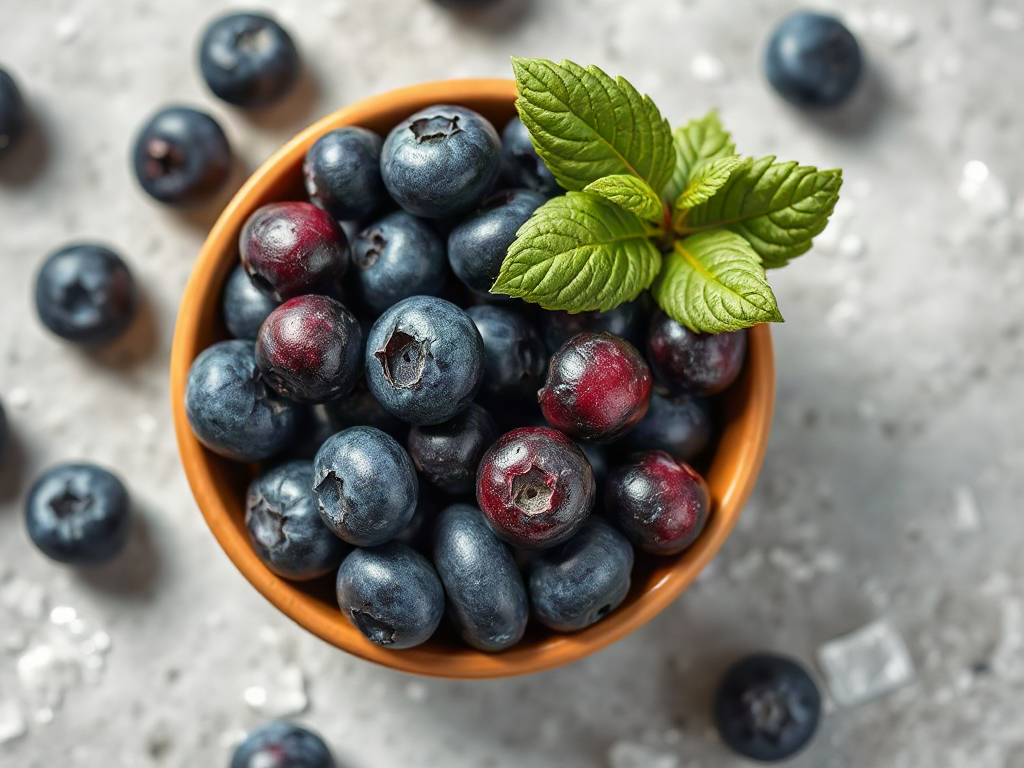
Organic blueberries nutrition after freezing remains broadly comparable to fresh berries because freezing does not remove their fiber, minerals, or naturally occurring anthocyanins, although storage time and thawing can affect texture and some vitamin C. Freeze berries while they are sound, keep them continuously frozen in airtight packaging, and avoid repeated thawing and refreezing. Frozen blueberries work well in oatmeal, smoothies, yogurt, and baked dishes, while thawed berries release juice and become softer. Choosing organic addresses farming practices rather than creating a major nutritional difference after freezing, so freshness, added sugar, portion size, and storage quality deserve equal attention.
What Freezing Changes in Blueberry Nutrition
Freezing preserves the main nutritional structure of blueberries rather than turning them into a nutritionally empty food. The berries still provide dietary fiber, naturally occurring carbohydrates, potassium, and plant compounds such as anthocyanins after freezing. Their calorie content also remains tied mainly to the amount eaten, not whether the berries began fresh or frozen.
The most noticeable change is usually texture. Water inside the berry forms ice crystals, and those crystals can disrupt cell walls. Once the berries thaw, juice escapes more readily, producing a softer berry than one picked and eaten fresh. That texture change does not mean the fiber has disappeared. It simply affects how the fruit behaves in cereal, sauces, smoothies, and baking.
Vitamin C is more vulnerable than fiber or minerals. Some loss may occur during storage and processing, especially when berries are exposed to air, warmth, or repeated temperature changes. The amount varies with harvest condition, packaging, storage duration, and handling, so a precise comparison between fresh and frozen berries is not justified without matching products and storage histories. Anthocyanin retention can also vary, but freezing generally preserves a substantial portion of these compounds.
Organic blueberries nutrition after freezing is therefore best assessed by looking at the whole product: ingredients, storage condition, portion, and intended use. A plain frozen bag may be nutritionally close to fresh berries, while a sweetened frozen fruit product can have a very different profile because of added sugar.
A useful comparison is fresh berries stored in a refrigerator for several days versus berries frozen soon after purchase. Fresh berries may offer firmer texture, but frozen berries can retain quality when they are protected from prolonged exposure to heat and air. The weak assumption is that “fresh” automatically means more nutritious in every situation. Storage history matters more than the label alone.
Organic Versus Conventional Frozen Blueberries
Organic certification primarily describes how the blueberries were grown and handled under applicable organic production standards; it does not mean freezing creates a special nutrient category. Organic and conventional berries can both supply fiber and polyphenol-rich pigments, and neither label alone tells you how long the fruit sat in a freezer or whether sugar was added.
For shoppers choosing between packages, the ingredient list is the first practical check. The ideal list for unsweetened frozen fruit is usually simple: blueberries. Products labeled sweetened, syrup-packed, or prepared with fruit sauce may contain additional sugars that change the role of the food in breakfast or dessert. A product can be organic and still contain added sugar, while a conventional bag can contain only blueberries.
Price and availability also influence a sensible decision. If organic frozen berries fit the household budget and align with the shopper’s farming priorities, they can be a reasonable choice. If the higher price reduces the amount of fruit purchased or makes meals less balanced, an unsweetened conventional option may provide a more useful everyday result. Nutrition should not be judged from the organic label in isolation.
Consider two smoothie options. One uses plain frozen organic blueberries, unsweetened yogurt, oats, and seeds. The other uses a sweetened berry blend with juice concentrate and little protein or fiber from the rest of the meal. The first option offers a more balanced structure regardless of whether the berries are organic. This is why Organic blueberries nutrition after freezing belongs alongside label-reading and meal context, not as a substitute for either.
Another common mistake is treating frozen fruit as automatically processed in the same way as a sweetened snack. Plain frozen blueberries are generally a minimally altered whole-food ingredient: washed, sorted, and frozen. The practical distinction is between plain fruit and formulated products, not simply between the freezer aisle and the fresh section.
How To Freeze And Store Berries Properly
Freezing works best when blueberries are sound, dry, and protected from air before they enter long-term storage. Damaged or moldy berries should not be used as a way to rescue the rest of the batch without careful sorting. Remove soft or spoiled fruit, then handle the remaining berries gently and keep them cold.
For home freezing, spread dry berries in a single layer on a tray so they freeze individually rather than forming one large mass. Once firm, transfer them to a freezer-safe airtight container or bag, press out excess air, label the package with the date, and return it promptly to the freezer. The tray step is especially useful when small portions are needed for oatmeal or smoothies.
Washing deserves judgment. Washing before freezing can make fruit convenient, but residual water may encourage clumping and ice buildup. If berries are washed first, drying them thoroughly matters. Another approach is to freeze clean, unwashed berries and wash them before eating, provided the handling plan is practical and the fruit will be rinsed appropriately. Neither method fixes poor freezer packaging.
Temperature fluctuations are a bigger quality problem than ordinary freezing. A bag repeatedly left on a warm counter and returned to the freezer can develop large ice crystals, freezer burn, and a wet texture after thawing. Dividing berries into meal-sized portions reduces the need to open and warm the entire supply. If the package has heavy frost, a stale odor, or extensive dehydration, quality has declined even if the berries remain usable in cooked applications.
Frozen berries do not need to be thawed for every recipe. Use them directly in smoothies, cooked oats, or muffins when extra moisture is acceptable. Thaw them in the refrigerator when texture matters, then drain excess liquid if the recipe depends on a firm batter. Leaving berries at room temperature for extended periods creates a food-safety concern for the foods mixed with them, so chilled thawing is the more controlled method.
A practical storage checklist is short:
- Choose plain berries without added sugar when the goal is everyday fruit.
- Remove damaged fruit and dry washed berries thoroughly.
- Freeze in small portions using airtight packaging.
- Mark the freezing date and limit repeated thawing.
- Use thawed berries promptly in chilled foods or cook them as appropriate.
Using Frozen Blueberries In Balanced Meals
Frozen blueberries are most useful when their natural sweetness and softening texture are matched to the meal. Their carbohydrate content can provide flavor and energy, while fiber and the presence of pigmented plant compounds make them more substantial than a sugary berry-flavored product. They are not a complete meal, however, because they contribute little protein and are not a dependable source of every nutrient needed at breakfast or a snack.
Pairing is therefore more important than choosing between fresh and frozen. Stir berries into plain yogurt with walnuts or seeds, add them to oatmeal with milk and nut butter, or blend them with tofu or unsweetened yogurt for a thicker smoothie. These combinations add protein or fat that can make the meal more filling. A bowl of berries alone may be pleasant, but it may not serve the same purpose as a structured breakfast.
Texture determines the best application. Frozen berries blend smoothly but can make a drink thick and very cold. In oatmeal, they release colored juice and may soften the grains as they cook. In baking, they can be added frozen, although excess moisture may tint the batter and require attention to cooking time. Thawed berries are better for a chilled topping when you want the fruit’s juices to form a sauce, but they are less suitable when firm pieces are expected.
Portion awareness remains relevant even with unsweetened fruit. A large smoothie can contain several servings of fruit while also including juice, sweetened yogurt, or syrup. The issue is not that blueberries become unhealthy after freezing; it is that blending and add-ins can make the amount consumed less obvious. Keeping the berries as a visible topping or measuring them before blending makes the meal easier to assess.
For someone limiting added sugar, plain frozen blueberries can replace jam or sweetened dessert toppings. For someone monitoring carbohydrate intake for a medical reason, the fruit still contributes carbohydrate and should be included in an individualized eating plan. Frozen berries are food, not a treatment for diabetes, inflammation, or any other condition. Organic blueberries nutrition after freezing can inform a meal decision, but it should not be used to make disease claims.
Common Mistakes And Practical Priorities
The most common mistake is comparing “fresh” and “frozen” as if those labels describe identical starting conditions. Fresh berries may have traveled, waited in a refrigerator, or softened before eating. Frozen berries may have been frozen soon after harvest, or they may have suffered repeated temperature changes. Product condition, ingredients, and handling provide more useful information than the frozen label alone.
A second mistake is assuming organic automatically means lower sugar or higher nutrient density. Organic status does not remove the natural carbohydrate in blueberries and does not prevent a manufacturer from adding sweeteners to a prepared product. Check whether the package says unsweetened and read the ingredient list rather than relying on front-label language.
Thawing is another point where quality can fail. A reader expecting firm berries may be disappointed after leaving them in a warm kitchen, but that disappointment reflects cell-wall damage and juice release, not necessarily a major loss of nutritional value. For texture-sensitive uses, thaw slowly in the refrigerator and drain the liquid. For smoothies and cooked dishes, skip thawing and use the frozen fruit directly.
Prioritize decisions in this order:
- Food condition: reject spoiled fruit and avoid packages with severe freezer damage.
- Ingredients: choose plain berries when added sugar is not wanted.
- Storage: protect the fruit from air, warmth, and repeated thawing.
- Meal balance: pair berries with a suitable protein or fat source when they form part of a meal.
- Personal needs: account for carbohydrate, allergies, digestive tolerance, or clinician-provided guidance.
Those priorities also clarify when fresh berries are preferable. Choose fresh when firm texture is central, such as a garnish or fruit salad. Choose frozen when convenience, long storage, portioning, or smoothie use matters more. Neither option deserves a blanket nutritional victory. A plain frozen bag used consistently in balanced meals may be more useful than fresh berries that spoil before they are eaten.
Readers with weakened immune systems, food allergies, or medically prescribed diets should follow advice from their clinician or dietitian for handling and portion decisions. General nutrition information cannot replace individualized medical guidance, but it can make the package, storage, and preparation choices easier to evaluate.
Frequently Asked Questions
Do frozen organic blueberries lose all of their antioxidants?
No. Freezing can preserve many of the berries' pigmented plant compounds, although retention varies with storage and handling. Avoid treating any single value as guaranteed for every package.
Are frozen blueberries as nutritious as fresh blueberries?
Plain frozen berries can provide comparable fiber and minerals, while texture and some vitamin levels may differ. The starting quality, storage history, and added ingredients affect the comparison.
Should organic frozen blueberries contain added sugar?
They do not need added sugar. Check the ingredient list and choose a package listing blueberries alone when you want unsweetened fruit.
Is it better to thaw blueberries before eating them?
Thawing is optional. Use berries frozen in smoothies or cooked oats; thaw them in the refrigerator when a softer topping or drained fruit is more suitable.
How can frozen blueberries fit into breakfast?
Pair them with foods such as plain yogurt, oats, milk, tofu, seeds, or nut butter. These additions provide nutrients that blueberries alone do not supply in meaningful amounts, especially protein.
Conclusion
Freezing preserves much of what makes blueberries a useful whole-food choice, especially their fiber, minerals, natural flavor, and colorful plant compounds. The largest practical changes involve texture, moisture, and the possibility of some nutrient variation during storage—not a complete loss of nutritional value. Choose plain berries when possible, inspect the package for added sugar, protect home-frozen fruit from air and temperature swings, and match thawing to the recipe. Organic certification may reflect farming priorities, but it does not replace ingredient-list checks or balanced meal planning. Use frozen berries directly in smoothies and cooked foods, or thaw them in the refrigerator for toppings. Fresh berries remain useful when firmness matters; frozen berries often win on convenience and waste reduction.