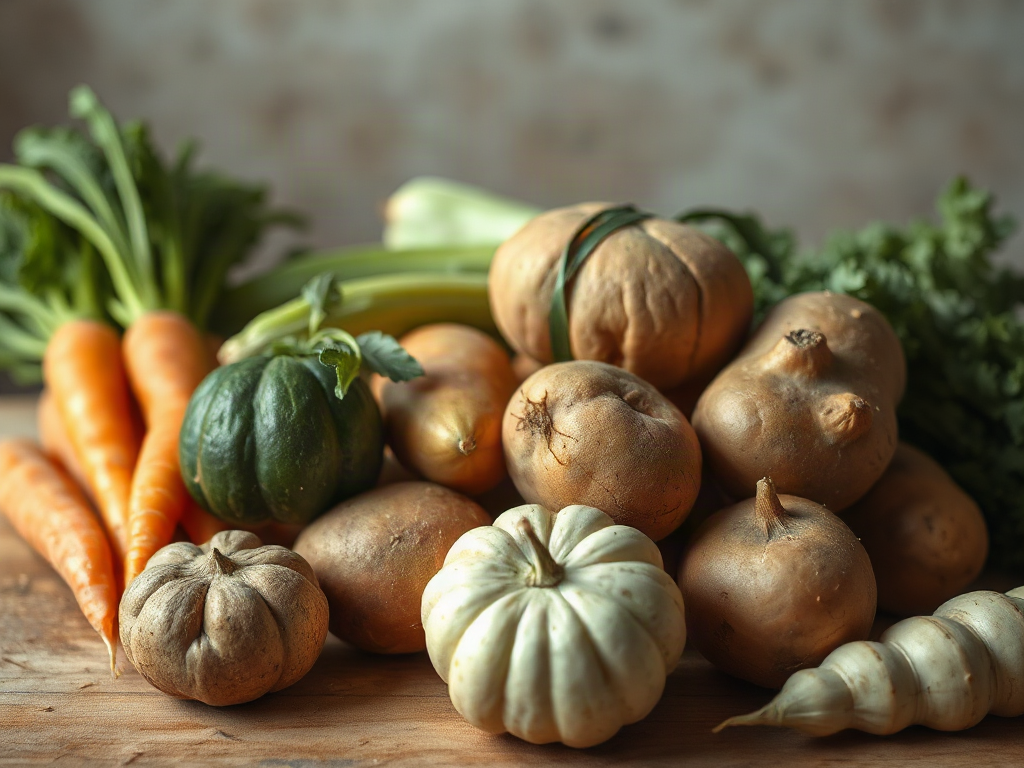
Organic vegetables suitable for batch cooking include carrots, potatoes, sweet potatoes, beets, winter squash, cabbage, cauliflower, broccoli, onions, bell peppers, green beans, and kale. Dense roots and squash retain their texture during roasting, while cabbage, onions, and peppers work well in soups, braises, and grain bowls. Broccoli, cauliflower, green beans, and kale need shorter cooking times or separate storage to avoid becoming soft during reheating. For reliable results, group vegetables by density, cut them evenly, cool cooked portions promptly, and refrigerate sauces separately so several meals can be assembled without sacrificing texture.
Which Vegetables Hold Up Best After Batch Cooking?
Vegetables with firm cell structures and relatively low surface moisture usually tolerate cooking, chilling, and reheating better than delicate produce. Carrots, beets, potatoes, sweet potatoes, parsnips, and winter squash are dependable choices because their dense flesh remains substantial after roasting or simmering. Cabbage and onions also perform well: their texture softens, but their flavor often becomes fuller after a night in the refrigerator.
The best choice depends on the meal rather than durability alone. Roasted roots fit grain bowls, wraps, and side dishes, while cabbage is more useful for braises, soups, and skillet meals. Cauliflower can serve either role, although it should be cooked only until tender if it will be reheated. Broccoli behaves similarly but has a narrower margin between pleasantly firm and overly soft.
| Vegetable | Reliable Batch Method | Texture After Reheating | Useful Applications |
|---|---|---|---|
| Carrots | Roast or braise | Firm to tender | Bowls, sides, soups |
| Potatoes | Roast or simmer | Soft with crisping potential | Breakfasts, curries, salads |
| Sweet potatoes | Roast | Creamy and cohesive | Bowls, tacos, mash |
| Beets | Roast or steam | Dense and moist | Salads, sides, spreads |
| Winter squash | Roast | Soft but structured | Soups, bowls, pasta |
| Cabbage | Braise, roast, or sauté | Tender | Skillets, soups, grain dishes |
| Broccoli and cauliflower | Roast or steam briefly | Best when initially firm | Bowls, pasta, sides |
| Kale | Sauté or add to soup | Tender without collapsing | Beans, soups, grains |
Bell peppers and green beans can also be prepared ahead, but they require more restraint. Peppers release moisture as they sit, and green beans lose their snap when cooked too long. Use high heat and stop while both still have some firmness. Tomatoes, zucchini, mushrooms, and eggplant are not poor ingredients, but they release more liquid and are better in saucy dishes than in containers where distinct, roasted pieces are expected.
Organic status does not predict how well a vegetable survives reheating. Variety, maturity, freshness, cut size, and cooking method matter more to finished texture. Choose intact produce without slimy areas or deep bruising, then plan around the vegetable’s physical traits instead of assuming the label changes its culinary behavior.
How Should Vegetables Be Matched to Cooking Methods?
Cooking method determines whether a large batch remains appealing after storage. Dry heat is best for vegetables intended to keep distinct edges, while moist heat suits ingredients that will become part of a unified dish. Trying to produce one tray containing hard beets, quick-cooking broccoli, and watery zucchini often leads to uneven results.
Roasting for separate, browned pieces
Roasting works especially well for carrots, sweet potatoes, potatoes, parsnips, beets, cauliflower, cabbage wedges, onions, and winter squash. Spread pieces in a single layer with space between them. Crowding traps steam, so the vegetables soften before their surfaces brown. A second sheet pan is usually more effective than piling everything onto one crowded pan.
Cut size should reflect density. Small carrot pieces can share a tray with larger cauliflower florets because the carrot takes longer to soften. Beets may need their own pan both for timing and because their pigment colors nearby ingredients. If several vegetables cook at different rates, add the quicker item later rather than cutting every ingredient to the same dimensions.
Braising, simmering, and sautéing
Braising is a practical choice for cabbage, kale, onions, carrots, and sturdy greens because a modest amount of liquid turns them tender without requiring crisp surfaces. These vegetables can be combined with beans, lentils, tomatoes, or broth for a complete base. The tradeoff is that components no longer remain visually or texturally separate, which may limit how many different meals the batch can become.
Brief steaming or blanching suits broccoli, cauliflower, and green beans when clean flavors and brighter color are priorities. Stop cooking while the center retains resistance, then cool the vegetables rather than leaving them in a hot covered pot. Residual heat continues to soften them. They can later be reheated quickly in a skillet, folded into pasta, or served cool with a dressing.
A common mistake is choosing a method based only on speed. A huge pot may cook more at once, but simmering vegetables that were meant for roasted bowls creates a soft, waterlogged result. Decide first whether the finished meal needs browned pieces, a tender stew component, or a lightly cooked green vegetable; then select the equipment and method.
How Do You Prepare a Mixed Vegetable Batch?
A useful batch begins with meal roles, not an oversized pile of produce. Select one dense vegetable for substance, one aromatic vegetable for flavor, and one green or cruciferous vegetable for contrast. For example, roasted sweet potatoes and onions can form the durable base, while separately cooked broccoli can be added to only the portions that need it.
Preparation becomes more predictable when vegetables are sorted into timing groups. Dense roots and whole winter squash pieces generally need the longest exposure to heat. Cauliflower, cabbage, and peppers fall into a middle group, while broccoli florets, green beans, and leafy greens finish quickly. Exact cooking time varies with piece size, variety, oven performance, and batch volume, so texture is a better endpoint than a rigid minute count.
- Choose two meal formats. Plan a bowl and a soup, or a side dish and a wrap filling, so the batch has a clear destination without requiring identical meals.
- Wash and trim before cutting. Remove damaged portions and dry roasting vegetables well; surface water slows browning.
- Separate by density. Use different pans, stagger additions, or assign a different cooking method to quick-cooking produce.
- Season in layers. Begin with oil and modest seasoning, then add acidic dressings, fresh herbs, or sauces when serving.
- Test the thickest piece. It should match the intended use: tender for mash or soup, but slightly firm for repeated reheating.
Neutral seasoning protects flexibility. A tray dominated by a sweet glaze may work for one dinner but clash with a later curry or pasta. Salt, pepper, garlic, and a restrained amount of oil create a base that can move between meals. Tahini sauce, vinaigrette, salsa, pesto, yogurt sauce, or a spice blend can be added after reheating, depending on the rest of the plate.
Consider a household preparing four lunches. Roasting carrots, cauliflower, and onions together can work if the carrots are cut smaller and the cauliflower is added later. Kale can be sautéed separately and packed into two lunches, while the other portions receive it only after being turned into soup. This modular approach preserves more texture than combining every ingredient at the start.
Signs of success include browned surfaces without burnt edges, pieces that remain intact when tossed, and minimal liquid collecting after cooling. A wet pan, collapsed florets, or vegetables breaking apart during packing indicates crowding, overcooking, or a cut size that was too small. Adjust one variable in the next batch rather than abandoning the vegetable.
Storage, Reheating, and Freezing Decisions
Storage quality depends on controlling heat and moisture after cooking. Divide a large batch among shallow containers instead of leaving it in a deep, hot vessel, and refrigerate cooked food promptly. Keep dressings and crisp garnishes separate because salt and acid can draw water from cooked vegetables while nuts, seeds, and toasted crumbs soften in a moist container.
Reheating method should match the original texture. An oven, toaster oven, or uncovered skillet can revive the surfaces of roasted potatoes, carrots, cauliflower, and squash. A microwave is convenient for braised cabbage, soups, and saucy vegetables, but it does not restore crisp edges. Short intervals and stirring promote more even heating than one long cycle.
Not every vegetable batch needs to be fully cooked in advance. For meals spread across several days, roast the durable roots first and leave quick vegetables washed and cut for later cooking. A tray of broccoli or green beans can be prepared midweek in less time than it takes to correct a large batch that has become limp. This hybrid method uses batch preparation to remove labor without forcing every ingredient through repeated heating.
Freezing works best when the eventual meal tolerates softer texture. Cooked squash, carrots, kale, cabbage, onions, and vegetable soups generally fit that requirement. Potatoes may become grainy or mealy depending on variety and preparation, while thawed broccoli and cauliflower are usually more suitable for soups, casseroles, purées, or curries than for crisp side dishes. Freeze portions in the shape and quantity needed for a future meal so the entire batch does not have to be thawed.
Inspect stored vegetables before eating. Discard food with mold, an unexpected fermented odor, or a slimy surface rather than tasting it to judge safety. Storage time cannot be determined from the organic label, and appearance alone is not a complete safety test. Refrigerator temperature, handling, cooling speed, recipe ingredients, and time outside refrigeration all affect the decision.
The most common storage failure is packing hot vegetables tightly with sauce. Trapped steam condenses, softens browned surfaces, and dilutes seasoning. Let visible steam subside during portioning without leaving food unrefrigerated for an extended period, then cover and chill. If a batch consistently becomes watery, store its components separately or choose a soup or braise where released moisture improves the dish rather than damaging it.
Conclusion
Build a dependable batch around vegetables that match both the cooking method and the meals ahead. Dense roots, winter squash, onions, cabbage, cauliflower, and sturdy greens offer the broadest flexibility, but quick-cooking vegetables should be staggered or prepared separately. Use uncrowded pans for browning, stop before delicate vegetables become fully soft, and reserve sauces for serving.
The next practical step is to choose three complementary vegetables and two meal formats. Roast a durable base, cook one green component separately, and note how each responds to chilling and reheating. If texture declines, change the cut size, pan spacing, cooking endpoint, or storage arrangement on the next attempt. Organic certification may guide purchasing preferences, but freshness, sound preparation, prompt cooling, and suitable reheating determine whether the batch remains useful.
Frequently Asked Questions
Which organic vegetables are easiest for a first batch-cooking session?
Carrots, sweet potatoes, cauliflower, onions, and cabbage are forgiving and work across bowls, soups, wraps, and side dishes. Cook cauliflower separately or add it later so it does not soften before the roots are done.
Should vegetables be peeled before batch cooking?
Peeling is usually a preference rather than a requirement. Scrub edible skins thoroughly and remove damaged areas; peel when a thick or tough skin would interfere with the planned texture.
Can raw and cooked vegetables be stored together?
Separate storage is usually better. Cooked vegetables release moisture that can soften raw items, while keeping components apart makes it easier to reheat only what needs warming.
Why do roasted vegetables become soggy in meal-prep containers?
They often retain steam or sit in sauce. Avoid crowding during roasting, portion them into shallow containers, and keep wet dressings separate until serving.
Are frozen organic vegetables useful for batch cooking?
Yes. Frozen broccoli, cauliflower, spinach, peas, and mixed vegetables are convenient for soups, curries, casseroles, and skillet meals, though they may not develop the same firm roasted texture as fresh produce.